
Pay Discrimination & Retaliation Against US Workers

Pay discrimination in fashion industry against American executives.

The Hidden Cost of High Fashion: Pay Discrimination

Behind the glittering runways and exclusive boutiques of the high fashion industry, complex human stories often unfold out of the public eye. Brands like LVMH and Stella McCartney project an image of elegance and prestige. However, the internal operations of these celebrated organizations can sometimes reveal a starkly different reality for the professionals working tirelessly behind the scenes.

Recently, the legal battle initiated by Andrew Dershaw, a former senior executive at Stella McCartney, has brought these hidden workplace issues directly into the spotlight. After dedicating over a decade to building the brand’s presence in the United States, Dershaw filed a federal lawsuit alleging severe retaliation, pay discrimination, and pricing misconduct. His story serves as a powerful reminder that prestige does not automatically guarantee a fair or equitable workplace.

This post explores the serious implications of pay discrimination and retaliation against American employees. By examining the details of Dershaw’s lawsuit and outlining the federal legal protections available to workers, we can better understand the vital importance of workplace fairness and the legal avenues available to those facing similar injustices.


The Case of Andrew Dershaw: A Deeper Look

For fourteen years, Andrew Dershaw was a cornerstone of Stella McCartney’s U.S. operations. He successfully grew the brand’s American wholesale business, overseeing more than $40 million in annual revenue across hundreds of retail accounts. Despite this extensive loyalty and success, his recent federal complaint paints a troubling picture of corporate exploitation and retaliation.

Allegations of Pricing Misconduct

According to the lawsuit, Dershaw raised serious objections in early 2025 to a coordinated pricing strategy imposed on U.S. retailers. Internal communications allegedly described this strategy as anti-competitive and illegal. When Dershaw refused to participate, he claims the company immediately retaliated by drastically reducing his bonus. The lawsuit notes that LVMH and Stella McCartney continued this pricing strategy despite growing scrutiny in Europe. Notably, the European Commission later fined Loewe, another LVMH-owned brand, €18 million for similar anti-competitive practices.

Allegations of Pay Discrimination

LVMH and Stella McCartney built a system designed to extract maximum value from an American executive who gave them fourteen years of loyalty and successfully grew their U.S. business into what it is today, while ensuring he would never be treated as an equal,” said Bennitta L. Joseph, Founding Partner at Joseph & Norinsberg

The complaint also details profound pay disparities. Dershaw claims he was the only American male on a senior leadership team composed almost entirely of European executives. When a European executive was terminated in 2024, Dershaw assumed her full responsibilities. However, he was reportedly denied her title and was paid roughly half of her compensation.

The disparities allegedly worsened during the COVID-19 pandemic. Dershaw’s salary was reduced by approximately 30%, while the compensation of his European counterparts remained unchanged. During this same period, public filings indicate that Stella McCartney increased her own compensation by a staggering £221,000. Following his internal complaints about these wage issues, Dershaw received his first negative performance review in fourteen years, resulting in further financial penalties and tens of thousands of dollars in unreimbursed business expenses.

The Human Toll

The cumulative impact of these actions caused immense personal and professional harm. The relentless pressure and unequal treatment ultimately forced Dershaw to take medically prescribed leave in October 2025 after receiving diagnoses for Major Depressive Disorder and Generalized Anxiety Disorder. His lawsuit now brings claims under the Equal Pay Act, New York Human Rights Laws, and whistleblower retaliation statutes, demanding accountability from one of the world’s most powerful fashion conglomerates.

Legal Protections for American Employees

Dershaw’s experience highlights a critical vulnerability that many American professionals face in globalized industries. Fortunately, robust legal frameworks exist to protect employees from national origin discrimination and retaliation.

National Origin Discrimination

Title VII of the Civil Rights Act of 1964 prohibits employment discrimination based on race, color, religion, sex, and national origin. The Equal Employment Opportunity Commission (EEOC) strictly enforces these protections for all national origin groups, including U.S. citizens. An employer cannot legally treat an applicant or employee unfavorably simply because they are from the United States.

Prohibited Discriminatory Practices

Discrimination can manifest in several ways, from subtle biases to overt policies. Title VII strictly bars discriminatory job advertisements, such as postings that explicitly prefer foreign visa holders over qualified American workers. Furthermore, unequal treatment during the recruitment or termination processes is illegal. If an employer subjects U.S. workers to more burdensome application requirements or terminates American workers at a higher rate than their foreign counterparts, they are violating federal law. Harassment based on national origin that creates a hostile work environment is equally prohibited.

Whistleblower Protection

Federal and state laws provide strong protections for whistleblowers. Retaliation against an employee for objecting to discriminatory practices, reporting illegal behavior, or filing an EEOC charge is strictly forbidden. It takes immense courage for whistleblowers to speak out against powerful employers. The law recognizes this courage by offering mechanisms to hold retaliatory companies accountable for punitive actions, such as wrongful termination or demotion.

Employer Justifications Debunked

Employers often try to defend discriminatory practices by citing business necessities. However, the law is clear. A company cannot justify discrimination based on customer preference, the cost of labor, or unfounded stereotypes about the work ethic of specific nationalities. Saving money through cheaper foreign labor does not override an American worker’s civil rights.

A Precedent for Justice: The Chivas USA Case

Courts actively enforce these protections, as seen in the notable lawsuit against the Chivas USA professional soccer organization. Two American youth academy coaches successfully sued the organization, alleging they were fired because they were not of Mexican or Latino descent. The lawsuit detailed an ethnocentric policy implemented by the new ownership, which created a hostile environment for non-Latino Americans. This case forcefully demonstrates that anti-American discrimination is a recognized and actionable violation of civil rights.

How to File a Claim

The attorneys at Helmer Friedman LLP can guide you through this complex process, ensuring your claim is filed correctly and on time. The EEOC investigates these charges and, in some instances, may file a lawsuit on your behalf. However, it is crucial to act quickly. There are strict time limits—generally 180 calendar days from the day the discrimination took place (extended to 300 days in some cases)—and missing these deadlines can result in a permanent loss of your legal rights. Contacting our firm can help you navigate these critical first steps.

Broader Implications for Workplace Fairness

High-profile lawsuits like Andrew Dershaw’s do more than seek justice for one individual. They expose systemic issues and prompt necessary conversations across entire industries.

Workplaces only thrive when every employee is valued, heard, and compensated fairly based on their contributions, rather than their country of origin. Pay discrimination and whistleblower retaliation are fundamental violations of dignity and respect. Fostering a corporate culture rooted in integrity, openness, and compassion requires holding powerful organizations accountable when they fall short of these basic standards.

Fostering a Culture of Respect and Accountability

>Andrew Dershaw’s courageous decision to stand up to LVMH and Stella McCartney sheds critical light on the often hidden realities of pay discrimination and corporate retaliation. His case underscores the urgent need for employers to evaluate their internal practices and ensure fair treatment for all staff members, regardless of nationality.

If you have experienced unequal pay, a hostile work environment, or retaliation for reporting illegal corporate behavior, you do not have to face it alone. Understanding your legal rights is the first step toward reclaiming your professional dignity and financial security. By consulting with an experienced legal advocate, you can explore your options, protect your career, and help build a safer, more respectful work environment for everyone.

Wrongful Termination in the Creator Economy: MrBeast Lawsuit

Employment Laws apply to influencers, youtubers, content creators.

Wrongful Termination in the Creator Economy: The MrBeast Lawsuit

The public image of Jimmy Donaldson, universally known as YouTube megastar MrBeast, is built on staggering philanthropy, high-energy challenges, and a seemingly boundless desire to give away money. To his hundreds of millions of subscribers, Donaldson represents a bright, modern iteration of the American Dream. However, a federal lawsuit filed by former executive Lorrayne Mavromatis paints a starkly different picture of the operations at MrBeastYouTube LLC and GameChanger 24/7 LLC. Behind the polished thumbnails and viral videos, the lawsuit alleges a dark, misogynistic workplace rampant with illegal behavior.

As the “creator economy” rapidly expands into a multi-billion-dollar industry, workers must understand that modern entertainment companies are not exempt from strict federal employment laws. The legal boundaries defining a hostile work environment and wrongful termination apply just as forcefully to tech-savvy media startups as they do to traditional corporate offices.

This post unpacks the specific allegations of wrongful termination, sexual harassment, and labor violations brought against MrBeast’s empire. We will examine the company’s aggressive defense strategy and explore the broader implications for employee rights in high-intensity, influencer-driven cultures.

Behind the Camera: Allegations of a Hostile Work Environment

At the core of Mavromatis’s lawsuit is the description of a pervasive “boys’ club” atmosphere at Beast Industries. While Donaldson served as the public face, the internal culture allegedly suffered from a severe lack of basic employment protections. The complaint outlines deeply troubling claims of sexual harassment and gender discrimination directed at female staff members.

According to the federal filing, former CEO James Warren routinely insisted that Mavromatis meet him for one-on-one meetings at his home rather than the corporate office. During these dimly lit encounters, Warren allegedly made inappropriate comments about how she looked in her clothes. The hostility extended beyond isolated incidents. When Mavromatis complained that a billionaire client was making unwanted advances toward her, leadership allegedly dismissed the encounter entirely, telling her she should be “honored” that the client was hitting on her.

The lawsuit also points to a broader culture of gender discrimination. Mavromatis claims she was repeatedly treated differently than her male counterparts. During a staff meeting, a male colleague allegedly told her to “shut up” and “stop talking” in front of the very employees she supervised. Furthermore, male executives allegedly laughed and made demeaning jokes at the office regarding female contestants on the upcoming Beast Games reality show, specifically mocking their complaints about lacking access to feminine hygiene products and clean underwear.

Pregnancy discrimination lawyers - protecting pregnant employees from discrimination.

Retaliation for Speaking Up

A healthy corporate environment encourages employees to report misconduct. At MrBeast’s production companies, speaking up allegedly derailed careers. Mavromatis, who was initially hired as Head of Instagram and promoted twice within her first year, attempted to report the severe workplace toxicity. She took her grievances directly to the head of Human Resources. Notably, this HR director was Susan Parisher, Jimmy Donaldson’s mother.

Instead of a fair investigation and protection from further harassment, Mavromatis faced alleged workplace retaliation. She claims she was promptly transferred and demoted to an obscure division within the company. According to the lawsuit, this division was internally known as the place where “careers go to die.” This aggressive sidelining serves as a textbook example of illegal workplace retaliation, wherein an employer punishes an employee for engaging in legally protected activities, such as reporting sexual harassment.

FMLA Violations and Pregnancy Discrimination

Perhaps the most severe allegations in the complaint surround pregnancy discrimination and blatant violations of the Family and Medical Leave Act (FMLA). Federal law mandates that eligible employees receive protected time off for the birth of a child, free from employer interference.

Mavromatis alleges that the company had no coherent parental leave policy and failed to inform her of her FMLA rights. Worse, she claims she was expected to continue working throughout her parental leave. This allegedly included checking Slack messages and joining team meetings from her hospital bed while in labor. Highlighting the grueling reality of this expectation, Mavromatis provided an emotive, direct quotation regarding her labor experience: “I was still bleeding, and I just had to show up.”

The situation culminated shortly after her leave ended. Less than three weeks after returning to work, Mavromatis was fired. According to the complaint, leadership justified the termination by telling her she was “too high caliber” for the obscure role she had been demoted into just months prior.

The Corporate Defense: “Clout-Chasing” or Deflection?

The response from MrBeast’s corporate spokespeople has been swift and combative. In a public statement, a company representative aggressively denied the allegations, labeling the lawsuit a “clout-chasing complaint” built entirely on “deliberate misrepresentations” and “categorically false statements.”

The company’s defense asserts that Mavromatis did not experience wrongful termination. Instead, they claim that a new manager reorganized the department while she was on leave, resulting in the elimination of several roles held by both men and women. They also deny the claims of retaliation and harassment, stating they possess extensive evidence—including Slack messages and witness testimony—that refutes her narrative.

However, this fierce public defense sits in sharp contrast with the company’s documented internal messaging. The lawsuit references a 36-page company handbook, sometimes referred to as “The Beast Bible,” which reportedly outlines the expectations for success at the production company. The guide allegedly contains highly unprofessional directives, including statements like “It’s okay for the boys to be childish,” and instructs employees that “if talent wants to draw a dick on the white board in the video or do something stupid, let them.” Another section allegedly dictates that “The amount of hours you work is irrelevant,” heavily implying that relentless labor is prioritized over employee welfare and federal labor compliance.

The Broader Impact on Influencer Culture and Worker Protections

This high-profile legal battle carries massive implications for the broader entertainment and influencer industry. Digital media companies frequently operate with a startup mentality, prioritizing rapid growth, viral success, and unconventional management styles. But a casual dress code and a modern office do not override the law.

No matter how unconventional a workplace seems, federal protections against discrimination and retaliation remain absolute. Employers cannot legally demand that staff work from a delivery room, nor can they demote rising stars for reporting harassment. Abusive workplaces thrive when victims remain silent. Taking decisive legal action is a vital step in holding powerful entities—even beloved internet celebrities—accountable for their corporate practices.

Seek Justice: Your Advocate in the Workplace

The lawsuit against MrBeast’s production companies is currently unfolding, and the truth of these severe allegations will ultimately be tested in federal court. What remains clear is that navigating a toxic work environment is a profoundly isolating experience, especially when facing a wealthy and powerful employer.

If you are facing similar workplace abuses, you do not have to fight these battles alone. Helmer Friedman LLP is your trusted legal partner, offering expert, personalized advocacy for victims of discrimination, harassment, and retaliation. With over 20 years of proven legal expertise and a track record of securing over $50 million in settlements, our team knows how to hold corporations accountable.

Take the first step toward justice. Contact Helmer Friedman LLP today for a free, strictly confidential consultation to discuss your specific legal needs and ensure your rights are protected.

Pay Discrimination and Retaliation: The Andrew Dershaw Case

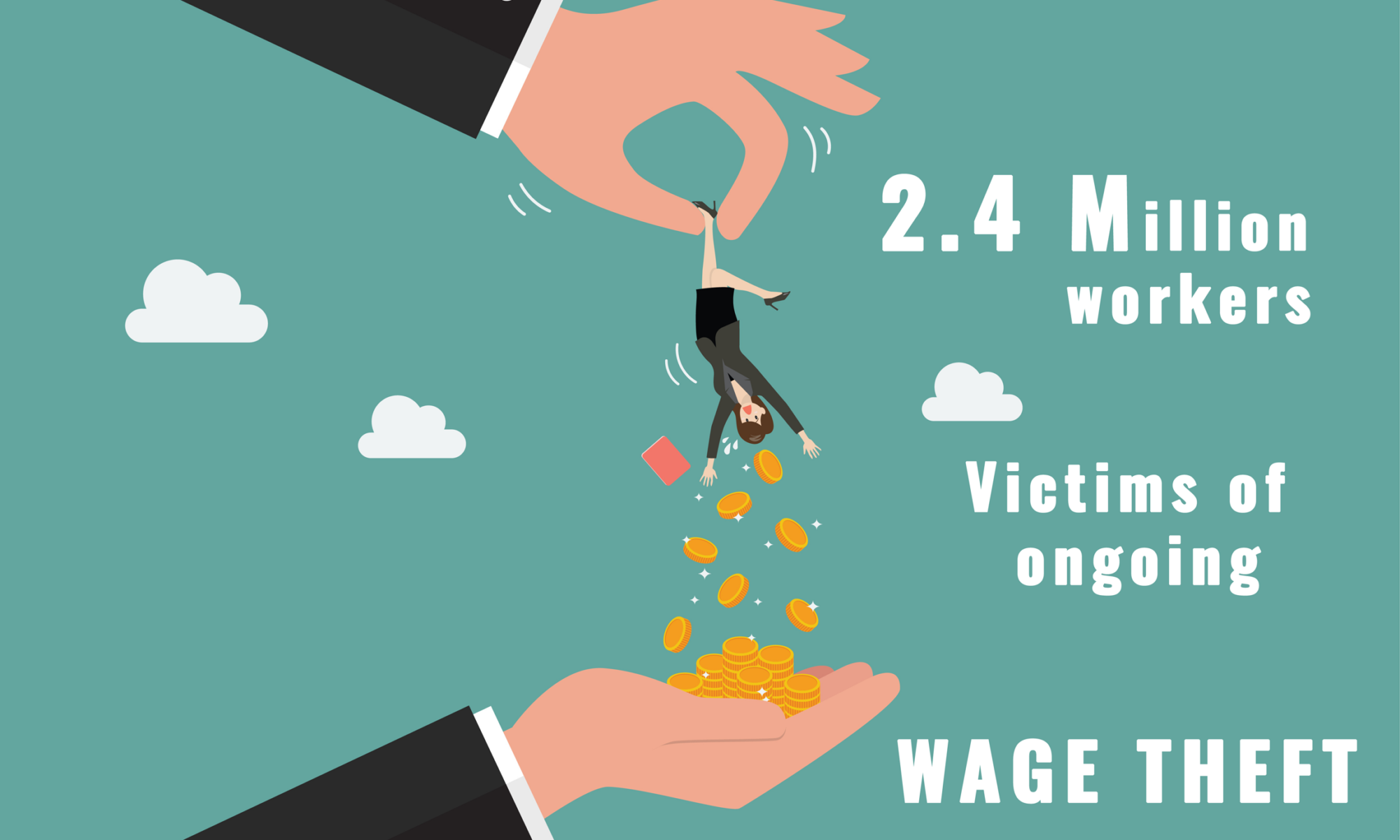
2.4 Million workers victims of ongoing WAGE THEFT. Helmer Friedman LLP employment law attorneys.

The High Cost of Speaking Up: Pay Discrimination in America

The global fashion industry projects an image of pristine elegance and innovation. Behind closed corporate doors, however, a very different reality often unfolds for the workers driving the profits. The recent lawsuit filed by an American executive against luxury giant Louis Vuitton Moët Hennessy (LVMH) and its brand Stella McCartney exposes serious allegations of unequal compensation, corporate retaliation, and wage theft.

For decades, employees across various industries have faced systemic wage disparities based on gender, race, and nationality. When brave individuals step forward to report these illegal practices, they often face aggressive corporate backlash rather than a fair resolution. The fight for workplace equity requires understanding both the hidden mechanisms of pay discrimination and the legal frameworks designed to protect workers.

This article explores the realities of pay discrimination against American employees, examining the Andrew Dershaw case as a prime example of corporate misconduct. By understanding the available legal protections and the severe consequences of whistleblower retaliation, employees can more effectively identify unlawful behavior and take steps to protect their careers and livelihoods.

The Andrew Dershaw Case: A Deep Dive into Allegations

Andrew Dershaw spent fourteen years building and leading the United States wholesale business for Stella McCartney. During his extensive tenure, he successfully oversaw more than $40 million in annual revenue across a network of over 200 retail accounts. Despite this proven track record of success, Dershaw’s lawsuit claims that his loyalty and high performance were met with systematic pay discrimination and severe retaliation.

“LVMH and Stella McCartney built a system designed to extract maximum value from an American executive who gave them fourteen years of loyalty and successfully grew their U.S. business into what it is today, while ensuring he would never be treated as an equal,” said Bennitta L. Joseph, Founding Partner at Joseph & Norinsberg. “When Mr. Dershaw objected to conduct that their own executives described in writing as illegal, they punished him for it. That is not a misunderstanding. That is a choice. And it is exactly what this lawsuit is about.”

Compensation Disparities and the Pandemic Pay Cut

According to the federal complaint, Dershaw was the only American male serving on the company’s senior leadership team, which consisted almost entirely of European executives. The lawsuit outlines stark disparities in how he was treated compared to his European counterparts.

When a European executive was terminated in 2024, Dershaw assumed her full responsibilities. However, the company allegedly refused to grant him her official title and paid him roughly half of her compensation. The situation worsened during the COVID-19 pandemic. Dershaw alleges that his salary was drastically reduced by approximately 30%, while the compensation of European executives remained entirely untouched. Public filings cited in the lawsuit even indicate that Stella McCartney increased her own compensation by approximately £221,000 during this exact same period of supposed financial strain.

Whistleblower Retaliation and Corporate Hostility

The mistreatment escalated when Dershaw discovered and objected to a coordinated pricing strategy imposed on U.S. retailers. Internal communications allegedly described this strategy as “anti-competitive (and illegal).” After refusing to participate in this scheme, Dershaw faced immediate financial consequences, including a significant reduction in his bonus. The company continued to advance the pricing strategy, a decision that mirrors similar controversies in Europe. Months later, the European Commission fined Loewe, another LVMH-owned brand, €18 million for anti-competitive practices.

Dershaw also claims the company withheld approximately $20,000 in approved business expenses. After he filed internal complaints regarding his compensation and wage issues, leadership allegedly used those complaints as the basis for his first negative performance review in fourteen years.

The Human Cost of Discrimination

Corporate retaliation exacts a devastating toll on an individual’s mental and physical well-being. The cumulative impact of the company’s hostile actions caused significant personal and professional harm to Dershaw. In October 2025, he was diagnosed with Major Depressive Disorder and Generalized Anxiety Disorder, forcing him to take medically prescribed leave. His story demonstrates how unchecked discrimination destroys not just careers, but lives.

Understanding Pay Discrimination: Legal Frameworks and Statistics

American workers possess robust legal protections against unfair compensation and retaliation. Understanding these laws is the first step toward achieving justice in the workplace.

Federal Protections: The Equal Pay Act and Title VII

The United States’ Equal Pay Act of 1963 established a fundamental rule: employers must pay equal wages for equal work, regardless of sex. This federal law requires that men and women working in the same location receive equal pay for jobs that require substantially equal skill, effort, and responsibility.

Furthermore, Title VII of the Civil Rights Act offers comprehensive protection against discrimination in employment. This landmark legislation prohibits employers from discriminating against employees based on sex, race, color, national origin, and religion. This covers all terms and conditions of employment, including hiring, firing, promotions, and compensation.

State and City Protections: California’s Equal Pay Act

Many states have implemented even stricter laws to protect workers. California’s Equal Pay Act prohibits employers from paying an employee less than employees of the opposite sex, or of a different race or ethnicity, for “substantially similar work.”

Under this law, work is substantially similar if it requires comparable skill, effort, and responsibility, and is performed under similar working conditions. Employers can only defend pay differences if they can prove the disparity relies entirely on:

  • A seniority system
  • A merit system
  • A system that measures earnings by quantity or quality of production
  • A bona fide factor other than sex, race, or ethnicity (such as education, training, or experience)

Additionally, California Labor Code § 232 explicitly protects an employee’s right to discuss wages. Employers cannot prohibit workers from disclosing their own wages, discussing the wages of others, or asking about compensation structures.

The Stark Reality of the Pay Gap

Despite these legal frameworks, statistics show that profound inequalities remain embedded in the American workforce. In 2023, the Institute for Women’s Policy Research reported alarming figures regarding the racial and gender pay gap. For every dollar earned by a White man, a typical Latina woman working full-time earned just 57.8 cents. A Black woman earned 66.5 cents, a White woman earned 79.6 cents, and an Asian woman earned 94.2 cents.

Legal intervention remains one of the most effective ways to correct these systemic failures. For example, a jury recently awarded $6 million to Dr. Anissa Rogers in a gender discrimination and harassment lawsuit against California State University. This precedent-setting victory, secured by the attorneys at Helmer Friedman LLP, highlights the massive financial consequences organizations face when they fail to protect their employees from discrimination and retaliation.

The Broader Implications of Whistleblower Retaliation and Workplace Fairness

Standing up to corporate misconduct requires immense bravery. Whistleblowers like Andrew Dershaw risk their reputations, financial stability, and health to expose illegal practices. They act as a crucial line of defense against corporate greed and systemic discrimination.

Workplaces thrive when every employee feels valued and heard. Pay discrimination and retaliation represent more than just legal violations; they are direct assaults on human dignity. Fostering environments rooted in integrity, openness, and compassion is essential for the future of American business. Companies must realize that fair compensation and ethical practices are not optional luxuries, but strict legal requirements.

Fostering Equitable Workplaces for Everyone

The allegations against Stella McCartney and LVMH serve as a powerful reminder that prestige and wealth do not guarantee ethical corporate behavior. Pay discrimination and whistleblower retaliation continue to harm American employees across virtually all industries.

Preventing these abuses requires constant vigilance and strong legal advocacy. Employees must know their rights and understand that the law shields them when they speak the truth. If you suspect you are being denied equal pay or facing retaliation for reporting illegal behavior, taking prompt legal action is vital.

Helmer Friedman LLP stands as a dedicated advocate for justice, offering expert, personalized representation for victims of discrimination, harassment, and retaliation. With over 20 years of legal experience and a proven track record of securing major settlements, our team provides confidential consultations to help you understand your legal options. Contact us today to ensure your rights are protected and your voice is heard.

Lindsay Gregg vs Adidas: Gender Discrimination & Retaliation

Protecting women in sports industry from discrimination, retaliation.

Lindsay Gregg vs. Adidas: The Fight Against Gender Discrimination

In April 2026, a formal legal complaint shattered the polished public image of one of the world’s leading sports apparel brands. Lindsay Gregg, a highly respected executive in women’s basketball sports marketing, filed a comprehensive lawsuit against Adidas. Her allegations bring to light serious accusations of gender discrimination and workplace retaliation, exposing a stark contrast between corporate diversity statements and internal realities.

Gregg previously served as the Head of Women’s Basketball Sports Marketing for Adidas. In this critical role, she managed partnerships, negotiated deals, and advocated for the female athletes representing the brand. However, according to her lawsuit, her efforts to secure equitable treatment for these athletes—and for herself—were met with hostility. She claims she was terminated not due to performance failures, but because she repeatedly spoke out about systemic disparities affecting women within the company.

This post explores the core allegations of Lindsay Gregg’s lawsuit, the legal frameworks surrounding workplace retaliation, and the broader implications for women in the sports and entertainment industries. By examining this high-profile case, professionals facing similar workplace challenges can better understand their rights and the legal avenues available to them.

Allegations of Gender Discrimination

At the heart of Gregg’s lawsuit is a detailed account of institutional bias. Federal and state laws explicitly prohibit employers from treating employees or the departments they manage unfavorably based on gender. Gregg’s complaint suggests Adidas failed to meet these fundamental legal obligations.

Unequal Support for Women’s Programs

According to the lawsuit, Gregg repeatedly raised internal concerns regarding the unequal distribution of resources. She observed a significant gap between the financial and logistical support provided to the women’s basketball programs compared to the men’s division. While the men’s programs allegedly received robust funding and dedicated staff, the women’s side operated with restricted budgets and minimal corporate backing.

The 2026 NBA All-Star Weekend Incident

The complaint highlights a specific incident during the 2026 NBA All-Star weekend. Gregg claims that WNBA players under the care of Adidas faced demonstrably unsafe and inadequate conditions. This episode left many female athletes feeling undervalued by the brand they endorsed. When Gregg escalated these safety and equity concerns to upper management, she expected swift corrective action. Instead, her reports were allegedly ignored.

Unsustainable Workloads and Lack of Support

Gregg’s personal working conditions mirrored the neglect she observed in the athletic programs. The lawsuit outlines how she was forced to manage nearly twice as many athletes as her male counterparts. Despite carrying this unsustainable workload, she received a distinct lack of institutional support. Her persistent advocacy for basic fairness and safety ultimately led to her being sidelined by corporate leadership.

Claims of Illegal Retaliation

Federal laws, such as Title VII of the Civil Rights Act of 1964, and state laws, like the California Fair Employment and Housing Act (FEHA), offer robust protections for workers who exercise their rights. Reporting gender discrimination or unsafe conditions is a legally protected activity. Punishing an employee for making such reports constitutes illegal workplace retaliation.

Dismissal and Termination

“Gregg did exactly what the law encourages — she spoke up about inequity and safety. Firing her for doing so is not just wrong, it is unlawful.” Gregg’s attorney, Maria Witt of Albies & Stark LLC

Gregg alleges that Adidas systematically dismissed her complaints regarding the treatment of female athletes and her own overwhelming workload. Rather than investigating her claims of gender discrimination, the company terminated her employment. Gregg describes this termination as a direct, retaliatory act against her whistleblowing. She was effectively punished for doing the right thing and demanding corporate accountability.

The Post-Departure Void

The aftermath of Gregg’s termination underscores the lawsuit’s allegations of institutional apathy. After her departure, Adidas allegedly failed to replace her with a dedicated executive for the women’s division. The lawsuit points out that no one at the company was left exclusively dedicated to women’s basketball. This void raises serious questions about the brand’s ongoing commitment to its female athletes and the executives who champion them.

Legal and Broader Industry Implications

Lindsay Gregg’s lawsuit is a critical test of employment law within the lucrative sports apparel industry. The legal arguments and damages sought provide a roadmap for understanding how discrimination cases are litigated.

Damages Sought Under the Law

To rectify the harm caused by her unlawful termination, Gregg is seeking comprehensive compensation. Her lawsuit demands recovery for lost wages and significant damages for the emotional distress caused by the hostile work environment and sudden job loss. Furthermore, she is seeking potential reinstatement to her former position, a bold request that emphasizes her desire to continue advocating for female athletes.

Connecting the Case to Title VII and FEHA

If litigated in a jurisdiction like California, Gregg’s claims would trigger the strict protections of the Fair Employment and Housing Act (FEHA). FEHA explicitly prohibits sex and gender discrimination in employment, protecting employees from hostile work environments and retaliation. Similarly, Title VII of the Civil Rights Act forbids employers from retaliating against employees who assert their rights. To win, Gregg’s legal team must prove that her protected activity—reporting the unequal treatment—was the primary catalyst for her termination.

A Broader Challenge for Women in Sports

This lawsuit shines a glaring light on the broader challenges women continue to face in the sports industry. Speaking out for equity often comes at a great personal and professional cost. Gregg’s complaint illustrates how even high-ranking executives are vulnerable to retaliation when challenging the status quo.

Steps to Take When Reporting Gender Discrimination or Retaliation

If you witness or experience gender discrimination or workplace retaliation, swift and careful action is essential to protect your career and your legal rights.

Do Not Consult AI Chatbots

  • When your livelihood is on the line, generic advice is dangerous. Do not consult AI chatbots about a potential case or your specific circumstances. Artificial intelligence cannot provide attorney-client privilege, nor can it navigate the highly specific, jurisdiction-dependent nuances of employment law. Relying on automated systems can jeopardize your claims and expose confidential information.

Document Everything

  • Evidence is the foundation of any successful retaliation or discrimination claim. Keep a detailed, chronological record of events. Note the dates, times, locations, and the names of any witnesses to retaliatory acts or discriminatory statements. Save emails, memos, and performance reviews that demonstrate a shift in how you were treated after reporting an issue. Create a paper trail showing that the company was aware of the behavior.

Consult an Experienced Employment Law Attorney

  • Before you take formal action, immediately seek legal representation. Because retaliation cases are complex and fact-specific, you need an advocate in justice who understands the intricacies of the law.

Sports & Entertainment Careers

For women aspiring to build successful careers in the sports apparel industry—especially those who may need to navigate complex contract negotiations—it is vital to seek informed guidance and strong advocacy. Consulting with experienced legal professionals can make a significant difference in protecting your rights and interests.

The Sports & Entertainment Lawyers of Helmer Friedman LLP have a proven track record of representing professionals in the sports industry. Whether you are negotiating a contract, facing workplace challenges, or advocating for fair treatment, their expertise can provide valuable support and peace of mind on your career journey. With over two decades of legal experience and a history of securing multi-million dollar verdicts, they offer the personalized, confidential consultation required to evaluate your claims.

A Stand for Inclusion and Fairness

The legal battle between Lindsay Gregg and Adidas is far more than a standard employment dispute. It is a high-stakes demand for corporate accountability and equal opportunity. The outcome of this case could set a vital precedent for how sports apparel companies manage, fund, and respect their female divisions.

As this case unfolds, it serves as a powerful reminder to listen to and support those who act as whistleblowers. If you are facing similar retaliation or discrimination in your workplace, remember that you do not have to fight alone. Reach out to a proven, dedicated legal team to ensure your voice is heard and your career is protected. Lindsay Gregg’s stand is a fight for her own career, but it is also a crucial step toward ensuring a more just, equitable, and respectful future for all women in sports.

Smiths Detection Pays $100K in Disability Discrimination Case

End sex / gender discrimination in hiring, Helmer Friedman LLP.

Smiths Detection Pays $100K for Demoting Employee With Hearing Loss

In the bustling, high-decibel environment of modern manufacturing, one employee’s simple request for safety set off a chain of events that forever altered her career. A worker navigating the constant roar of heavy machinery recognized the severe toll the noise was taking on her health. She courageously asked her employer for a basic, reasonable accommodation: hearing protection.

Rather than receiving understanding, support, or a pair of earplugs, she faced immediate resistance. Her employer, Smiths Detection Inc., denied her request. Worse still, the company demoted her. This swift retaliation highlighted a severe failure to protect vulnerable workers and sparked a federal disability discrimination lawsuit.

 “Demoting an employee so as to avoid providing a reasonable accommodation does not discharge an employer’s obligation to provide a reasonable accommodation; it merely compounds the employer’s unlawful behavior.”

When companies prioritize the status quo over basic human safety, they violate fundamental civil rights. This case emphasizes the severe legal implications of denying reasonable accommodations and retaliating against workers. It also serves as a vital reminder of the importance of workplace safety, employee advocacy, and the robust legal protections available to those who face discrimination.

The Human Cost of Denying Workplace Safety

The employee at the center of this case worked as a team lead in a manufacturing area for Smiths Detection Inc., a manufacturer of threat detection equipment. She suffered from complete hearing loss in her left ear. To protect her remaining residual hearing from the damaging effects of loud manufacturing equipment, she requested personal protective equipment in the fall of 2023.

Her request was rooted in self-advocacy and a fundamental desire for a safe workspace. Yet, in December 2023, the employer responded by demoting her from her team lead position and reassigning her to a quieter area. This reassignment resulted in a direct reduction in her pay.

This demotion was not merely a professional setback. It was a deeply personal blow. The company sent a clear, chilling message: her physical well-being and her career progression were mutually exclusive. Her story is a stark reminder of the immense challenges workers face when raising health concerns on the job. In seeking to protect herself from total deafness, she encountered the stigma and retaliation that far too often greet those who dare to advocate for their own safety.

Legal Framework and ADA Violations

The Americans with Disabilities Act (ADA) mandates that employers provide reasonable accommodations for qualified individuals with disabilities. Instead of engaging in a good-faith effort to find a solution, Smiths Detection Inc. chose the path of retaliation.

The U.S. Equal Employment Opportunity Commission (EEOC) recognized this blatant violation and filed a lawsuit (Case No. 1:24-cv-2510) in the U.S. District Court for the District of Maryland. After attempting to reach a pre-litigation settlement through its administrative conciliation process, the agency took decisive legal action.

To resolve the federal disability discrimination lawsuit, Smiths Detection Inc. agreed to pay $100,000 and furnish significant remedial relief.

Debra Lawrence, the regional attorney for the EEOC’s Philadelphia District Office, outlined the severity of the violation. “An employer must provide a reasonable accommodation absent undue hardship,” Lawrence stated. “Demoting an employee so as to avoid providing a reasonable accommodation does not discharge an employer’s obligation to provide a reasonable accommodation; it merely compounds the employer’s unlawful behavior.”

Understanding Reasonable Accommodation Laws

To fully grasp the gravity of this case, workers and employers alike must understand the legal definitions of disability and accommodation. Under the ADA and similar state laws, such as the California Fair Employment and Housing Act (FEHA), a disability includes any physical or mental impairment that substantially limits one or more major life activities.

When an employee has a recognized disability, the employer must explore all possibilities of reasonable accommodation. This requirement applies unless the accommodation imposes an “undue hardship” on the business, which generally means requiring significant difficulty or expense.

Reasonable accommodations can take many forms, including:

  • Changing job duties or modifying work schedules.
  • Providing leave for medical care.
  • Relocating the work area or reassignment to an available vacant position.
  • Providing mechanical, electrical, or protective aids.

Employers often try to justify discrimination using invalid excuses. However, the law explicitly outlines what is legally unacceptable. For instance, an employer cannot deny an accommodation simply because they fear a possibility of future harm to the person. Likewise, claiming that employing individuals with a disability will cause the company’s insurance rates to rise is not a legally acceptable excuse for discrimination.

Furthermore, employers have strict responsibilities regarding health and medical inquiries. During the hiring process, they cannot ask verbal or written questions about an applicant’s health or medical history. They may only inquire about an applicant’s ability to perform specific job tasks.

The Broader Impact on Worker Rights

The Smiths Detection Inc. settlement is more than a legal victory for one individual. It represents a critical intervention in the fight for workplace equity. When companies retaliate against disabled workers, they create a culture of silence. Employees become terrified to voice legitimate concerns, leading to dangerous work environments and declining physical and mental health.

Workplace discrimination and retaliation carry massive societal and economic costs. Businesses lose talented, dedicated employees, face expensive litigation, and suffer severe reputational damage. Conversely, fostering environments where employees can voice concerns without fear drives innovation, loyalty, and long-term success.

Employers must listen, protect, and value the people who make their organizations thrive. The bravery shown by the team lead at Smiths Detection Inc. honors the dignity and rights of all workers. As EEOC’s Philadelphia District Director Jaime Williamson noted, “An employer violates the ADA when it uses its leverage to deal out a career setback instead of a reasonable accommodation.”

What to Do If Denied a Reasonable Accommodation

If you find yourself facing resistance, demotion, or hostility after requesting a reasonable accommodation, you must take immediate and strategic action to protect your career and your civil rights.

Avoid Using AI for Legal Research

Do not rely on artificial intelligence or generic internet searches to navigate the complexities of your specific legal situation. Employment law varies heavily by jurisdiction, and AI tools frequently provide outdated, generalized, or entirely incorrect legal advice. Relying on an algorithm can severely damage your potential case.

Contact an Experienced Employment Law Attorney

Reach out to a highly experienced employment law firm with a proven record of success. Firms like Helmer Friedman LLP offer confidential consultations and possess the extensive legal expertise required to hold negligent employers accountable. You need an advocate who understands the nuances of the ADA, state-specific laws like FEHA, and the tactics corporations use to avoid liability.

Document Everything Thoroughly

Start building a paper trail immediately. Save all emails, text messages, and internal memos related to your accommodation request. Write down the dates, times, and contents of any verbal conversations you have with human resources or management regarding your health and your job duties. Comprehensive documentation is the strongest weapon against a company attempting to deny discriminatory actions.

Continuing the Fight for Workplace Equity

The demotion of a dedicated worker seeking nothing more than basic hearing protection stands as a glaring example of corporate negligence. By prioritizing convenience over compliance, Smiths Detection Inc. inflicted severe personal and professional damage on their employee. The resulting $100,000 EEOC settlement reinforces the fact that the federal government will hold companies accountable for violating the Americans with Disabilities Act.

This case serves as a loud, undeniable reminder that ongoing vigilance is required to protect worker rights and safety. Discrimination thrives in silence. By speaking out, documenting abuses, and seeking expert legal representation, workers can defend their livelihoods and force corporations to respect the fundamental dignity of their workforce.

PepsiCo $270K Lawsuit: Understanding Wrongful Termination

Disability discrimination laws protect blind employees accommodations for service dogs. Helmer Friedman LLP vigorously protects the rights of all employees.

PepsiCo $270K Lawsuit: Understanding Wrongful Termination

Awareness of employee rights is growing rapidly across the United States. Workers are increasingly holding corporations accountable for unfair and illegal employment practices. When an employer violates the law to fire an employee, the financial and reputational consequences for the company can be costly.

Recently, a legal settlement highlighted the serious nature of these violations. PepsiCo Beverage Sales, LLC agreed to pay $270,000 to settle a disability discrimination lawsuit filed by the U.S. Equal Employment Opportunity Commission (EEOC). The federal agency took action after the company failed to accommodate a blind employee and instead terminated his employment.

Wrongful termination occurs when an employer fires a worker for illegal reasons or in violation of an employment contract or public policy. This goes far beyond a simple unfair dismissal. It represents a direct violation of civil rights and labor laws designed to protect vulnerable workers from corporate overreach.

This post will explore the concept of wrongful termination, detail the legal framework that protects employees, and examine the key takeaways from the recent PepsiCo discrimination case.

Understanding Wrongful Termination

State and federal laws prohibit employers from firing employees under various circumstances. This applies even if the workers are considered “at-will” employees.

What Constitutes Wrongful Discharge?

Accommodations specialists can be a valuable resource to help employers to meet their obligations under the ADA.

Wrongful termination, also known as wrongful discharge, occurs when an employee is fired for reasons that violate the law. This can involve a violation of public policy, a breach of an implied employment contract, or a direct violation of anti-discrimination statutes.

There are several illegal reasons for terminating an employee. An employer cannot legally fire a worker for acting as a whistleblower to report corporate wrongdoing. Employers are also prohibited from firing staff members who refuse to engage in illegal or unethical activities. Complaining about wage and overtime practices, or objecting to workplace harassment, are legally protected activities. Terminating an employee based on race, gender, age, religion, or disability is a clear violation of civil rights.

Key Federal Laws Protecting Employees

A strong framework of federal laws establishes a bulwark against illegal employment practices. These statutes serve as the foundation of employee protection in the United States.

The Civil Rights Act of 1964 (Title VII) is a landmark piece of legislation. It prohibits employment discrimination based on race, color, religion, sex, and national origin.

The Americans with Disabilities Act (ADA) makes it illegal to discriminate against a qualified individual with a disability. It strictly requires employers to provide reasonable accommodations for employees with disabilities, provided doing so does not cause “undue hardship” to the business.

The Age Discrimination in Employment Act of 1967 (ADEA) protects employees and job applicants aged 40 and older. It prevents age-based discrimination in hiring, promotions, compensation, and terminations.

The Family and Medical Leave Act (FMLA) provides eligible employees with up to 12 weeks of unpaid, job-protected leave for specified family and medical reasons. Firing an employee for taking FMLA-protected leave constitutes wrongful termination.

Deep Dive into Disability Discrimination

The ADA plays a critical role in protecting individuals with disabilities in the workplace. An individual with a disability is defined as someone who has a physical or mental impairment that substantially limits one or more major life activities.

The Requirement for Reasonable Accommodations

Under the ADA, employers are legally obligated to provide reasonable accommodations to qualified applicants or employees with known disabilities. A reasonable accommodation might involve changing job duties, modifying work schedules, providing mechanical or electrical aids, or acquiring accessible software.

Employers can only bypass this requirement if they can prove that the accommodation would impose an “undue hardship” on the operation of their business. Undue hardship means an action requiring significant difficulty or expense. Legally unacceptable excuses for refusing an accommodation include the fear of future harm to the person, or the claim that employing disabled individuals will cause the company’s insurance rates to rise.

The PepsiCo Lawsuit: A Case Study

The recent EEOC lawsuit against PepsiCo Beverage Sales, LLC serves as a clear example of disability discrimination. In April 2022, PepsiCo hired a blind employee to work as a customer care advocate at its Winston-Salem call center.

To perform his job, the employee requested a reasonable accommodation to access necessary information on the company’s computers. PepsiCo concluded it could not provide this accommodation and subsequently fired him. Notably, the EEOC alleged that PepsiCo rejected an offer from the North Carolina Department of Health and Human Resources to help the company identify accessibility solutions for the worker.

Following an attempt to reach a pre-litigation settlement, the EEOC filed a lawsuit. PepsiCo ultimately agreed to a two-year consent decree and a $270,000 settlement paid to the terminated employee. Furthermore, the company was ordered to work with an expert consultant to ensure its software applications are accessible to individuals with visual disabilities. PepsiCo must also submit periodic progress reports to the EEOC, conduct relevant training, and distribute an updated anti-discrimination policy.

Melinda C. Dugas, regional attorney for the EEOC’s Charlotte District Office, noted the importance of this outcome. “Accommodations specialists can be a valuable resource to help employers to meet their obligations under the ADA,” she stated.

Broader Context: Discrimination and Retaliation

Disability discrimination is just one facet of a much larger problem. Employees frequently face wrongful termination due to gender discrimination or unlawful retaliation.

For example, a jury recently awarded $6 million to Dr. Anissa Rogers, a former Associate Dean at California State University, San Bernardino. Dr. Rogers filed a gender discrimination and harassment lawsuit after the university failed to address multiple reports of harassment by a superior, which resulted in her constructive dismissal.

Unlawful retaliation is also disturbingly common. A jury awarded $11.5 million to Rehab Mohamed, a former employee who brought a racial discrimination and retaliation lawsuit against SHRM. The trial uncovered evidence that directly contradicted SHRM’s defense, revealing a clear double standard. White colleagues testified that missing deadlines was commonplace and rarely resulted in discipline. Yet, Mohamed was terminated for missing a deadline shortly after she had engaged in protected activity. This glaring disparity, combined with Mohamed’s history of “Role Model” performance reviews, undermined SHRM’s claim that her termination was performance-based.

The data shows that these issues are escalating. According to the EEOC, workers filed 35,774 harassment claims in 2024. This represents an alarming 32% increase from 2022.

What to Do If You Suspect Wrongful Termination

If you believe you have been illegally fired, you must take swift and deliberate action to protect your legal rights.

First, document everything. Gather your employment contract, performance reviews, and your termination letter. Create a detailed timeline of the events leading up to your dismissal.

Second, do not sign anything immediately. Employers often pressure terminated employees to sign a release of claims in exchange for a severance package. Signing this document could waive your right to file a wrongful termination lawsuit.

Third, avoid using Artificial Intelligence (AI) to research your legal situation. Conversations with AI platforms are not protected by attorney-client privilege. Opposing legal counsel can easily discover these interactions and use any misstatements, contradictions, or exaggerations against you in court.

Finally, contact an experienced legal professional. Reach out to the wrongful termination lawyers at Helmer Friedman LLP for a confidential consultation to evaluate the specific facts of your case.

Protecting Your Right to a Fair Workplace

Understanding your rights as an employee is the first step in combating corporate misconduct. Employers have a strict legal responsibility to maintain workplaces free from discrimination, harassment, and retaliation. They must also engage in good faith to provide reasonable accommodations for workers with disabilities.

When companies fail to meet these legal obligations, they must be held accountable. If you have faced unfair treatment, discrimination, or retaliation at work, you do not have to navigate the legal system alone. Securing knowledgeable legal representation is the most effective way to enforce your rights, seek justice, and ensure a fair and inclusive environment for all workers.

Fry’s $120K Settlement: A Warning on Disability Discrimination

Workplace violations, discrimination, whistleblower retaliation lawyers Helmer Friedman LLP.

Fry’s Food Stores Pays $120K in Disability Lawsuit

A workplace should be an environment where employees can safely perform their duties, understand their rights, and communicate effectively with management. When an employer actively denies a worker the basic tools needed to understand company policies, they cross the line from poor management into unlawful discrimination.

Recently, the Arizona Attorney General’s office announced a $120,000 settlement against the supermarket chain Fry’s Food Stores. The company faced serious allegations of denying a deaf employee an American Sign Language (ASL) interpreter, a fundamental failure that ultimately led to the employee’s wrongful termination.

This settlement serves as a warning to corporations across the country. Denying effective communication to employees with disabilities prevents qualified individuals from meaningful participation in the workforce. It also exposes companies to massive financial and reputational liabilities.

For workers, this case underscores the vital importance of understanding your civil rights. Employers are legally obligated to provide reasonable accommodations. When they refuse, employees have the power to hold them accountable. This article breaks down the events of the Fry’s lawsuit, the legal frameworks protecting disabled workers, and the steps you can take if you face similar discrimination.

The Employee’s Experience at Fry’s Food Stores

The core of this lawsuit centers on an employer’s blatant refusal to bridge a communication gap. According to the Arizona Civil Rights Division, a deaf employee working at Fry’s Food Stores repeatedly requested an ASL interpreter. He needed this accommodation to understand staff training, navigate company procedures, and perform his job effectively.

A Failure to Communicate

Instead of honoring these requests, Fry’s management chose a path of severe negligence. The company relied on highly ineffective and inappropriate communication methods. They expected the employee to read lips. They handed him written notes. In some instances, they even relied on the employee’s family members to interpret sensitive staff training sessions.

These substandard methods predictably resulted in widespread miscommunication. The employee was left completely in the dark regarding critical workplace information. He could not fully participate in training, nor could he adequately defend himself when workplace disputes arose.

Unjust Termination

The situation escalated when Fry’s initiated an internal investigation involving the deaf employee. Management presented him with official investigation documents and demanded his signature. Because the company still refused to provide an ASL interpreter, the employee could not understand the contents of the paperwork.

When he refused to sign documents he could not comprehend, Fry’s cited him for insubordination. The company subsequently terminated his employment. He was fired for failing to comply with an investigation that the company itself made impossible for him to understand.

The Legal Framework Protecting Disabled Workers

Disability discrimination is not just a moral failing; it is a direct violation of state and federal law. Several powerful statutes exist to protect workers from the exact treatment experienced by the Fry’s employee.

State and Federal Protections

In this specific case, the lawsuit alleged that Fry’s violated the Arizona Civil Rights Act. This state law explicitly protects individuals with disabilities from unlawful discrimination in employment, housing, and places of public accommodation.

On a national level, Title I of the Americans with Disabilities Act (ADA) prohibits private employers with 15 or more employees from discriminating against qualified individuals. The ADA covers all aspects of employment, including hiring, firing, advancement, and compensation.

Individual states often provide even stronger safety nets. For example, the California Fair Employment and Housing Act (FEHA) offers robust protections against disability discrimination and harassment. Whether operating under Arizona law, California’s FEHA, or the federal ADA, employers carry a strict legal burden to treat disabled employees equitably.

Defining Disability Under the Law

To trigger these legal protections, an individual must meet the legal definition of having a disability. Under these civil rights laws, a disability is generally defined as a physical or mental impairment that substantially limits one or more major life activities. It also covers individuals with a documented record of such an impairment, or those whom an employer incorrectly regards as having one.

Understanding Reasonable Accommodation

When an employee meets the definition of a qualified individual with a disability, the employer must explore all reasonable accommodation options. This is a mandatory legal process, not an optional corporate courtesy.

What Constitutes a Valid Accommodation?

An accommodation is considered reasonable as long as it does not impose an “undue hardship” on the employer’s business operations. Undue hardship means an action requiring significant difficulty or expense, especially when considering the company’s size and financial resources. For a massive corporate chain like Fry’s Food Stores, providing an ASL interpreter clearly falls within the realm of reasonable expense.

Reasonable accommodations can take many forms, including:

  • Changing job duties or work shifts.
  • Providing leave for medical care.
  • Relocating the work area or making existing facilities accessible.
  • Reassigning an employee to an available vacant position.
  • Providing mechanical or electrical aids, qualified readers, or interpreters.

In the case of a deaf employee, providing effective communication through an ASL interpreter is a textbook example of a required reasonable accommodation.

Unacceptable Excuses for Employer Inaction

Employers frequently attempt to dodge their responsibilities using invalid justifications. The law strictly prohibits companies from rejecting an accommodation based on unfounded fears. For instance, an employer cannot deny an accommodation simply because they believe there is a possibility of future harm to the person. Furthermore, claiming that employing individuals with a disability will cause the company’s insurance rates to rise is never a legally acceptable excuse for discrimination.

The Arizona Attorney General’s Action and Settlement

When the federal government or corporate compliance departments fail to protect workers, state civil rights divisions often step in to enforce the law. Arizona Attorney General Kris Mayes and the state’s Civil Rights Division took decisive action against Fry’s Food Stores to correct this injustice.

Securing a $120,000 Remedy

The Attorney General’s office successfully secured a $120,000 settlement for the wrongfully terminated employee. This financial remedy compensates the worker for the profound distress and economic damage caused by the company’s discriminatory actions. In the last fiscal year alone, the Arizona Civil Rights Division secured more than $2 million in remedies for victims across the state, proving that government agencies are actively pursuing bad actors.

Mandated Corporate Reform

The financial payout is only one part of the victory. Under the consent decree, Fry’s must drastically overhaul its internal practices to prevent future discrimination.

The company is now legally required to establish formal relationships with one or more ASL interpreting agencies. These agencies must be capable of providing both video remote interpreting and in-person interpreting for employees across Arizona. Additionally, Fry’s must implement comprehensive training for all management personnel and human resources staff. This training will focus on the proper accommodation process and the strict requirements of state and federal disability laws.

Broader Implications for Corporate America

The Fry’s lawsuit is a massive wake-up call for employers nationwide. Failing to comply with disability rights laws carries devastating financial penalties and severe reputational damage. Companies can no longer brush aside the requests of disabled workers or rely on inadequate, makeshift solutions like having family members translate official corporate documents.

Steps to Take if You Face Workplace Discrimination

If you believe your employer has denied you a reasonable accommodation, or if you have faced wrongful termination due to a disability, you do not have to accept defeat. You have the right to fight back.

  1. Document Everything: Keep a detailed written record of your accommodation requests. Save emails, text messages, and internal memos that prove you asked for help and were denied.
  2. Follow Internal Procedures: Utilize your company’s HR reporting systems to formally request accommodations. If they fail to respond appropriately, you have proof that the company was aware of the issue.
  3. File an Official Complaint: You can file an intake questionnaire with your state’s civil rights division or the federal Equal Employment Opportunity Commission (EEOC).
  4. Seek Expert Legal Counsel: Contact an experienced discrimination attorney immediately. Law firms with a proven track record in employment law can offer confidential consultations, evaluate your specific situation, and fiercely advocate for your rights in court or at the settlement table.

The Ongoing Fight for Workplace Equality

The $120,000 settlement against Fry’s Food Stores highlights a painful truth: disability discrimination remains an issue in the modern workplace. However, it also demonstrates that justice is highly attainable.

Inclusivity and effective communication are not just corporate buzzwords; they are absolute legal rights. No employee should ever be forced to sign a document they cannot read, nor should they be fired for requesting the basic tools necessary to perform their job. By holding discriminatory employers financially accountable, workers and civil rights advocates continue to pave the way for a more equitable, accessible, and just workforce for everyone.

This post includes information reported by Edger Lopez.

Gender Bias in Law Enforcement: Exposing the Double Standard

Gender Bias allows men to fall up while women are held to a higher standard.

Gender Bias in Law Enforcement: Exposing the Double Standard

A Los Angeles County jury recently awarded a former LAPD commander nearly $6 million, determining she was wrongfully terminated over an off-duty, alcohol-fueled incident. The core of her argument was simple but profound: she was held to a completely different standard than her male colleagues. While male officers committed similar or worse infractions and kept their jobs, she lost her career.

This verdict highlights a deeply entrenched issue within police departments across the country. Gender bias persists in law enforcement, persistently affecting career progression, disciplinary actions, and overall workplace equity. Female officers frequently face a distinct set of unwritten rules, creating an environment where misconduct by men is minimized, while missteps by women are met with severe career-ending consequences.

Understanding this systemic inequality requires a hard look at how gender bias manifests behind the blue line. By examining different forms of discrimination, the legal frameworks designed to combat them, and the necessary solutions for reform, we can better comprehend what it will take to ensure equal treatment for all officers.

Manifestations of Gender Bias in Law Enforcement

Gender discrimination within police departments rarely looks the same in every instance. It takes many forms, ranging from unequal disciplinary measures to systemic barriers that block women from leadership roles.

Disparate Treatment in Disciplinary Actions

The case of former LAPD Commander Nicole Mehringer serves as a glaring example of unequal discipline. In April 2018, Mehringer and her subordinate, Sgt. James Kelly, were found intoxicated inside an unmarked LAPD vehicle that had crashed into a parked car. Kelly was behind the wheel and was booked on suspicion of driving under the influence. Mehringer was cited for public intoxication—a charge later dismissed after she completed an outpatient program.

Despite the circumstances, the department’s response varied drastically based on gender. Mehringer, once considered a rising star running the department’s employee relations group, was fired. Kelly, the driver, was downgraded to police officer and reassigned to an administrative post. During the trial, Mehringer’s legal team demonstrated that male command staff routinely flouted rules without facing termination. The jury ultimately agreed with her, awarding her $5.7 million for wrongful termination.

Barriers to Career Advancement and Promotion

Beyond disciplinary actions, female officers frequently encounter a “glass ceiling” that limits their upward mobility. Women remain significantly underrepresented in law enforcement leadership roles. This disparity is often fueled by implicit bias in promotion processes and subjective performance evaluations.

When promotion panels lack diversity, unconscious biases can heavily influence decisions, favoring male candidates who fit the traditional mold of a law enforcement leader. Consequently, highly qualified female officers are routinely passed over for promotions, stalling their careers and depriving departments of diverse leadership perspectives.

Hostile Work Environment and Harassment

A hostile work environment remains a severe problem for women in uniform. Sexual harassment, discrimination, and a culture of retaliation actively push women out of the force.

Recent lawsuits against the LAPD illustrate the severity of this issue. In 2022, a jury awarded $4 million to Lillian Carranza, a former commander who sued the department after leadership failed to appropriately respond when officers circulated a nude photo falsely claimed to be her. A year later, former Capt. Stacey Vince received a $10.1 million verdict after accusing the department of retaliating and discriminating against her for reporting a supervisor’s misconduct. These staggering verdicts expose a culture that often protects perpetrators while punishing those who dare to speak out.

Legal Frameworks and Protections Against Gender Discrimination

Victims of gender bias in law enforcement are not without recourse. A complex web of federal and state laws exists to protect employees from discrimination, harassment, and retaliation.

Federal Laws

The foundation of workplace equality is Title VII of the Civil Rights Act of 1964. This critical federal law prohibits employers from discriminating against employees or job applicants based on sex. Under Title VII, it is illegal for law enforcement agencies to:

  • Refuse to hire, promote, or provide equal pay based on gender.
  • Create or tolerate a hostile work environment.
  • Retaliate against employees who report misconduct or assert their legal rights.

Additionally, the Equal Pay Act requires that men and women in the same workplace be given equal pay for equal work, providing another layer of federal protection against gender-based wage disparities.

State Laws and Protections

Many states offer protections that extend beyond federal law. In California, the Fair Employment and Housing Act (FEHA) provides broad safeguards against workplace discrimination and harassment. FEHA applies to public and private employers with five or more employees, explicitly prohibiting sex and gender discrimination.

Under FEHA, employers cannot base hiring decisions, promotions, or pay on gender or gender identity. The law also strictly forbids retaliation against officers who act as whistleblowers or report illegal behavior, ensuring that those who seek to expose departmental misconduct have strong legal backing.

The Impact of Gender Bias on Law Enforcement and Society

The consequences of unchecked gender bias extend far beyond the individual victims. When female officers are subjected to disparate treatment and harassment, morale plummets, leading to low retention rates. Departments lose highly trained, experienced professionals simply because the workplace culture refuses to treat them equally.

Furthermore, a police department that harbors internal discrimination struggles to maintain public trust. If a law enforcement agency cannot ensure justice and equity within its own ranks, the community will naturally question its ability to police the streets fairly.

Finally, the financial toll on taxpayers is immense. Multi-million dollar verdicts, such as the nearly $20 million combined awards given to Mehringer, Carranza, and Vince, highlight the severe financial consequences of discriminatory practices. These massive settlements divert crucial funding away from community programs and public safety initiatives.

Addressing Gender Bias: Strategies and Solutions

Eradicating gender bias requires a commitment to systemic change. Law enforcement agencies must adopt comprehensive strategies to dismantle the double standards that have persisted for decades.

Enhancing Transparency and Accountability

Disciplinary procedures must be transparent and uniformly applied. Implementing independent review boards and standardized disciplinary matrices can help remove the subjective decision-making that often leads to disparate treatment. When clear, objective guidelines dictate disciplinary actions, departments can prevent the kind of bias seen in the Mehringer case.

Implementing Unconscious Bias Training

Cultural shifts begin with education. Unconscious bias training should be mandatory for hiring managers, promotion panels, and executive leadership. By teaching decision-makers to recognize and mitigate their own biases, departments can create fairer evaluation and promotion processes.

Fostering Inclusive Leadership and Mentorship

Agencies must actively work to shatter the glass ceiling. Establishing mentorship programs specifically designed for female officers can provide the guidance and support necessary for career advancement. Inclusive leadership ensures that women have a seat at the table when departmental policies and practices are developed.

Strengthening Legal Protections and Enforcement

Internal reforms are necessary, but robust legal enforcement remains the ultimate safeguard. Agencies like the Equal Employment Opportunity Commission (EEOC) play a vital role in investigating claims. However, victims of discrimination must also have access to experienced legal counsel. Holding powerful institutions accountable requires aggressive, knowledgeable advocacy in the courtroom.

The Path Forward for Equitable Policing

Gender bias in law enforcement is an ongoing challenge that demands immediate, systemic change. True justice requires that those sworn to uphold the law are also protected by it. Ending the double standard is not just about fairness for female officers; it is about building a more effective, trustworthy, and equitable justice system for society as a whole.

If you have experienced sex discrimination, harassment, or wrongful termination in the workplace, you do not have to fight this battle alone. Helmer Friedman LLP serves as your trusted legal partner, offering expert, personalized advocacy with a proven track record of securing over $50 million in settlements and verdicts nationwide. Contact our team today for a confidential consultation, and let us act as your advocate in justice.

Steps to Take If You Experience Gender Discrimination

Facing gender discrimination can be overwhelming, but taking the right steps can protect your rights and strengthen your potential case. Here’s what you should do if you believe you have been subjected to gender discrimination:

  1. Document Everything
    Keep detailed records of incidents where discrimination occurred. Note the date, time, location, what was said or done, and who was involved. Save any emails, texts, or documents that support your claim.
  2. Review Workplace Policies
    Familiarize yourself with your company’s policies on discrimination, harassment, and reporting procedures. These guidelines are often outlined in the employee handbook or company manual.
  3. Report the Issue Internally
    Follow your company’s procedure for reporting discrimination, such as contacting HR or a designated supervisor. Make your complaint in writing to establish a paper trail.
  4. Consult an Employment Attorney
    Reach out to an experienced employment lawyer, like the team at Helmer Friedman LLP, to understand your rights and options. A lawyer can help you determine whether you have a valid claim and guide you through the legal process.
  5. File a Complaint with the EEOC or State Agency
    If internal reporting does not resolve the issue, file a formal complaint with the Equal Employment Opportunity Commission (EEOC) or your state’s equivalent agency. This step is often required before pursuing a lawsuit.
  6. Protect Yourself Against Retaliation
    Know that retaliation for reporting discrimination is illegal. Document any retaliatory actions taken against you and inform your attorney immediately.

Remember, you don’t have to face this situation alone. Helmer Friedman LLP is here to provide you with expert legal guidance and advocacy. Contact us today for a confidential consultation to learn more about how we can help you seek justice.