
When Workplace Harassment Turns Threatening and Your Employer Ignores You

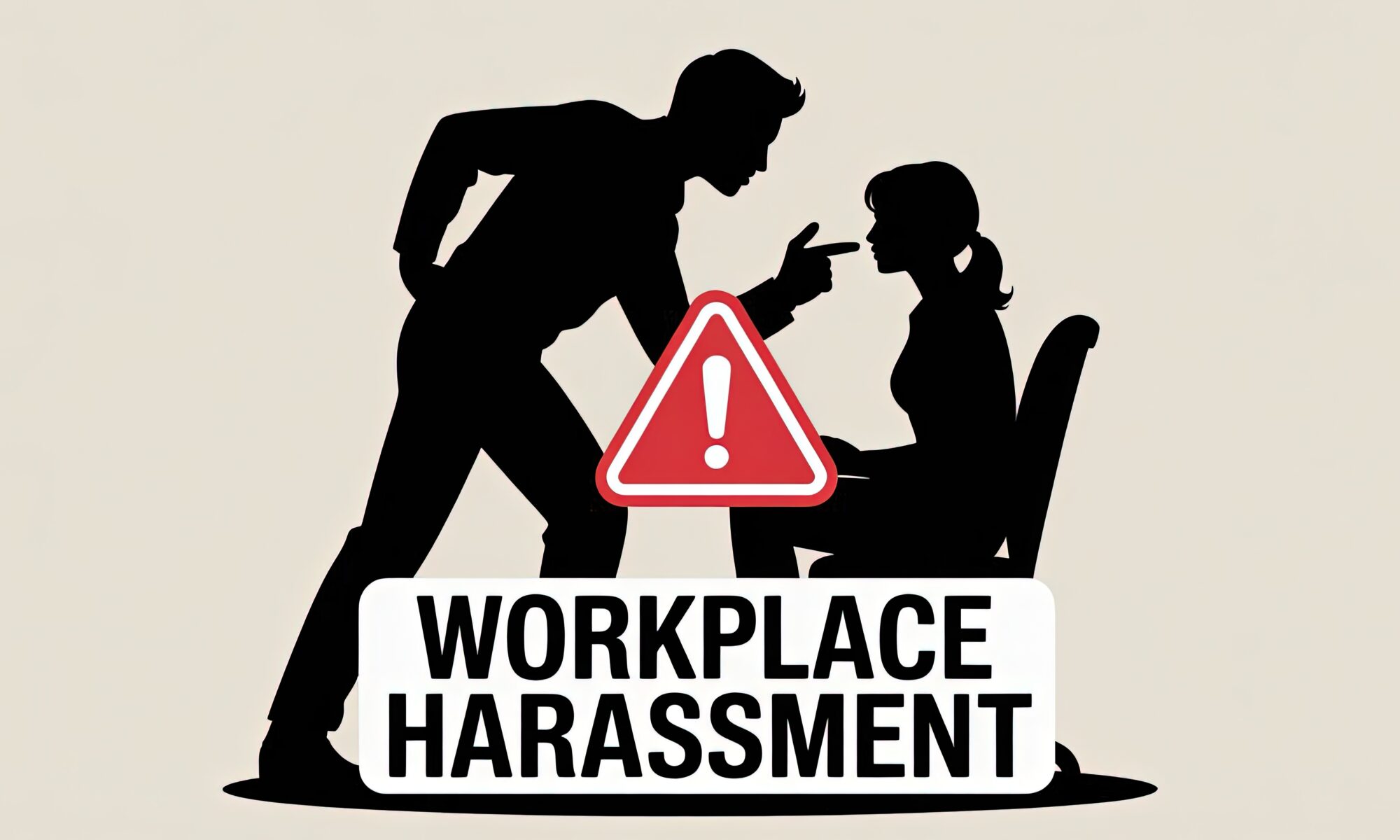
Workplace harassment stark silhouette depicting a scene of hostile work environment.

San Diego Health Alliance Harassment Case: A $105M Verdict

How much is an employee’s safety and dignity worth? When a worker reports a hidden camera in a company restroom, they expect a swift, protective response. They certainly do not expect to be fired for speaking up. Yet, for one substance abuse counselor in California, exposing severe misconduct led to a sudden and retaliatory termination.

This is the reality at the center of the recent Michelle Giaquinta case. As a dedicated counselor entrusted with the care of vulnerable patients, she exposed alarming conditions and blatant safety violations. Instead of taking corrective action, her employer silenced her. Her story serves as a stark, distressing example of workplace harassment and corporate retaliation.

This blog post will delve into the details of the San Diego Health Alliance lawsuit, explore the broader legal landscape of workplace sexual harassment in California, and discuss the critical implications for both employees and employers.

The Michelle Giaquinta v. San Diego Health Alliance Case

Michelle Giaquinta worked as a substance abuse counselor at Fashion Valley Comprehensive Treatment Center, a subsidiary of Acadia Healthcare, Inc. She performed her duties well, receiving praise from direct supervisors for her meticulous documentation skills. But her career took a dramatic turn when she uncovered deeply disturbing behavior by a colleague.

A Courageous Report Met with Silence

“This verdict sends a clear message that no employer, especially one entrusted with the care of vulnerable patients, can silence a courageous employee who speaks up about harassment and safety failures,” said Justin Walker of Walker Law, PC. “Michelle did exactly what the law asks of every employee, and she paid for it with her job. The jury’s verdict restores her name and holds this company accountable.”

Giaquinta reported to management that she was being sexually harassed by a fellow counselor. She believed this individual had placed a hidden camera inside an employee bathroom. The alleged harasser even admitted that his fingerprints would be found on the device. Despite this alarming admission, management failed to report the allegations to state investigators within the legally required 24-hour window. In fact, they never reported the allegations at all.

One day after management dismissed Giaquinta’s serious complaints as “unfounded,” a patient ran through the facility screaming that the very same counselor had sexually harassed her. Instead of notifying state regulators about this severe patient safety incident, the facility took a different route. They terminated both the alleged harasser and Giaquinta on the exact same day.

Retaliation and Pretextual Termination

At trial, the company claimed Giaquinta was fired for failing to properly document a patient interaction. However, her trial counsel presented compelling evidence proving that management never investigated this supposed documentation failure. Through cross-examination, defense witnesses admitted that regulatory auditors arrived on site the day after Giaquinta was suspended without pay. Management fired her to prevent her from disclosing the company’s egregious failure to address her safety and harassment reports.

A Historic $105 Million Verdict

The jury saw through the company’s defense. They found that management had unlawfully retaliated against Giaquinta and that their conduct involved malice, oppression, and fraud. The San Diego Superior Court jury awarded a staggering $105 million in damages. This included $70 million in punitive damages, sending a clear message that employers cannot silence courageous employees who speak up about harassment and safety failures.

Understanding Workplace Sexual Harassment in California

The Giaquinta case highlights the severe consequences of ignoring harassment. In California, sexual harassment is illegal and recognized as a form of sex discrimination. Employees are strongly protected under the California Fair Employment and Housing Act (FEHA), which strictly regulates how employers must handle these incidents.

The Legal Framework and FEHA

Under FEHA, sexual harassment covers a wide range of offensive behaviors. This includes unwanted sexual advances, derogatory comments, visual displays of suggestive objects, and physical conduct like touching or blocking movements. The law protects individuals against harassment based on sex, gender, gender identity, gender expression, sexual orientation, pregnancy, and childbirth.

Employer Liability and Responsibilities

In California, employers face strict liability for any sexual harassment committed by their supervisors. If a supervisor harasses an employee, the employer is automatically responsible for the harm caused. Furthermore, an employer can be held liable for harassment committed by a co-worker or a non-employee (such as a client) if the employer knew or should have known about the conduct and failed to take immediate corrective action. Employers are legally obligated to create robust prevention policies, conduct thorough investigations, and address complaints objectively and completely.

Types of Sexual Harassment Claims

Sexual harassment complaints generally fall into three categories:

  • Denial of job or benefits: An employee is fired, denied a promotion, or penalized for refusing sexual favors or reporting harassment. Retaliation is completely illegal.
  • Constructive discharge: An employee is forced to resign because they can no longer bear a deeply offensive work environment.
  • Offensive work environment: An employee is subjected to unwanted, pervasive sexual advances or inappropriate behavior that alters the conditions of their employment.

The Equal Employment Opportunity Commission (EEOC) recently reported a massive surge in these claims. In 2024, complainants filed 35,774 harassment claims, representing a 32% increase from 2022. This rising trend underscores the ongoing prevalence of workplace hostility.

Implications for Employees Facing Harassment

If you experience or witness harassment, knowing your rights is your strongest defense. You do not have to endure a hostile work environment in silence.

First, follow your employer’s internal procedures for reporting misconduct. Document every incident, including dates, times, and witnesses. Reporting harassment legally protects you against retaliation. If your employer fails to take action or if they retaliate against you by demoting or firing you, you have clear legal avenues to pursue justice.

Victims of unlawful harassment may be entitled to substantial remedies. These can include economic damages for lost wages, emotional distress damages, punitive damages to punish the employer’s malicious behavior, and the recovery of attorney fees. A confidential consultation with an experienced employment lawyer can help you navigate this complex process and empower you to hold wrongdoers accountable.

Implications for Employers and Corporate Responsibility

For business owners and managers, the $105 million verdict in the San Diego Health Alliance case serves as a massive warning. The cost of non-compliance is devastating, both financially and reputationally.

Employers must implement robust sexual harassment prevention policies. They must train all employees and supervisors regularly, ensuring everyone understands what constitutes harassment and how to report it. Most importantly, when a complaint is filed, employers must conduct prompt, impartial, and thorough investigations. Sweeping allegations under the rug or retaliating against whistleblowers will only lead to disastrous legal consequences. Fostering a safe, respectful, and legally compliant workplace culture is not just an ethical duty; it is a strict legal mandate.

Defending Your Right to a Safe Workplace

The Michelle Giaquinta case is a powerful reminder that justice can prevail against corporate negligence. An employer entrusted with vulnerable patients failed to protect its staff and its clients, choosing retaliation over accountability. The jury’s historic verdict restores Giaquinta’s name and reinforces the profound protections afforded to California workers.

Addressing workplace harassment is a critical responsibility. Employees must feel empowered to speak up without fear of losing their livelihoods, and employers must uphold their ethical and legal duties to prevent abuse.

If you or a loved one are facing discrimination, harassment, or wrongful termination, you deserve a proven advocate in justice. Reach out for a confidential consultation to explore your legal options. By standing up against unlawful behavior, you protect yourself and help ensure that workplaces remain safe for everyone.

Discrimination at Work – Know Your Rights

Laws protect against age, gender, race discrimination. Helmer Friedman LLP represents discrimination victims.

Know Your Rights Against Discrimination at Work

Discrimination at work rarely announces itself. It doesn’t usually arrive as a slur shouted across an office or a memo that says, in plain terms, “we don’t want people like you here.” Instead, it hides. It wears the language of policy. It comes dressed as a “reorganization,” a “fit issue,” or a sudden concern about your performance that nobody mentioned until you asked for time off or filed a complaint. By the time many employees realize what has happened, they’ve already been pushed out the door.

That quiet, procedural quality is exactly what makes workplace discrimination so dangerous—and so hard to challenge. Every year, thousands of workers are denied accommodations, demoted, or fired after asserting their rights, often without ever knowing that the law was firmly on their side.

This guide is here to change that. Below, you’ll learn the forms discrimination can take, the federal and state laws that protect you, what your employer can and cannot legally do, your protections against retaliation, and the practical steps for taking legal action—backed by real cases with real outcomes. Understanding your rights is the first step toward justice. And you don’t have to take that step alone.

What Counts as Discrimination at Work?

At its core, workplace discrimination means being treated unfairly because of a protected characteristic—something about who you are that the law says cannot be held against you. That includes race, color, religion, sex, national origin, age, disability, and more.

Discrimination can be overt, but more often it’s subtle. It shows up as heightened scrutiny aimed at one employee while others get a pass. It appears when a policy is suddenly enforced against you and no one else. It surfaces in a “pretextual” reason for termination—an excuse that sounds legitimate but conceals an unlawful motive.

Consider the lawsuit filed against Kate Spade and its parent company, Tapestry, involving a 58-year-old African American woman who alleged she faced bias based on race, age, and disability. Cases like hers illustrate a hard truth: discrimination frequently targets people at the intersection of more than one protected trait, and it rarely leaves a tidy paper trail confessing its true reasons.

A simple example makes it concrete. Imagine two employees arrive late on the same morning. One receives a written warning that later justifies her firing. The other—who differs only in age or race—gets a shrug. That uneven treatment, applied to a protected group, is what the law is built to catch.

The Laws That Protect You

Several powerful laws stand between you and unlawful treatment. Here are the ones that matter most.

  • Title VII of the Civil Rights Act prohibits discrimination based on race, color, religion, sex, and national origin. It is the backbone of American workplace civil rights.
  • The Americans with Disabilities Act (ADA) protects qualified individuals with disabilities and applies to employers with 15 or more employees.
  • The Family and Medical Leave Act (FMLA) provides eligible workers up to 12 weeks of unpaid, job-protected leave for serious health conditions, including their own or a family member’s.
  • The Age Discrimination in Employment Act (ADEA) protects workers 40 and older, while Section 1981 offers an additional path for challenging race discrimination.

Many states go further. California’s Fair Employment and Housing Act (FEHA), for example, covers employers with just five or more employees—far broader than federal law.

One term worth understanding under the ADA is “qualified individual.” That means someone who can perform a job’s essential functions, with or without a reasonable accommodation. You don’t lose protection simply because you need an adjustment to do your work well.

Your Right to Reasonable Accommodations

A “reasonable accommodation” is simply a change that allows a qualified employee to do their job. It isn’t a favor. It’s a legal right.

Common examples include:

  • Medical leave
  • Modified or flexible schedules
  • Job restructuring
  • Reassignment to a vacant position
  • Modified equipment or assistive technology
  • Relocating a workstation

Employers sometimes refuse, claiming “undue hardship.” But that bar is much higher than many companies pretend. Undue hardship requires proof of significant difficulty or expense, measured against the size and resources of the business. A large, well-funded employer will struggle to justify denying a modest schedule change.

Just as important is the interactive process—the employer’s legal duty to engage in a good-faith, back-and-forth conversation to find a workable accommodation. Ignoring that obligation, or going through the motions while planning to say no, is itself a violation. Silence is not a defense.

What Employers Cannot Do

The law draws firm lines. Among the actions employers cannot take:

  • Illegal medical inquiries. Before extending a job offer, an employer cannot ask about the existence, nature, or severity of a disability.
  • The “future harm” excuse. A mere possibility that something might go wrong someday is not a lawful basis for denying you a job or accommodation. Speculation is not evidence.
  • Blanket exclusion policies. Automatically shutting out an entire group based on a diagnosis is generally unlawful. Each person must be assessed individually, on their actual abilities.

And here’s a point worth repeating: “We just followed policy” is not a shield. When a policy is applied to you but quietly ignored for everyone else, the policy itself becomes evidence of discrimination.

Retaliation Is Illegal

Asserting your rights is protected activity. Requesting an accommodation, reporting discrimination, or participating in an investigation are all actions the law shields from punishment.

Watch for the warning signs of retaliation:

  • Sudden discipline after a complaint
  • A demotion that follows a request for leave
  • Termination shortly after you return from medical leave

Timing tells a story. In the Kate Spade/Tapestry case, the sequence is striking: a discrimination complaint in May, approved leave running into July, and termination in August. When adverse action follows so closely on the heels of protected activity, courts take notice—and so should you.

Real Cases, Real Outcomes

These rights aren’t theoretical. Workers who understood and pursued them have won meaningful results.

  • EEOC v. Geisinger Health. A nurse with 30 years of service was forced to compete for her own job after taking medical leave. The employer’s “most qualified applicant” policy was found to interfere with her ADA rights. The settlement: $450,000.
  • Western Distributing. A driver who had been medically cleared to return to work was buried under repeated demands for additional evaluations. The company ultimately paid $919,000 to resolve ADA and FMLA claims.
  • Needles v. 1928 Jewelry, Ltd. An age discrimination arbitration produced an award of $1,643,000—at the time, reported to be among the largest individual discrimination awards of its kind.

Each of these outcomes carries the same lesson: employees who know their rights, document their experiences, and pursue justice can hold even powerful employers accountable.

Do NOT Consult AI ChatBots

While exploring options for addressing potential discrimination cases, employees should NOT consult AI chatbots or other automated tools for legal advice. These tools can provide general information, but they do not offer attorney-client privilege, leaving sensitive information unprotected and potentially exposed. Sharing case specifics with AI platforms may risk the confidentiality of your case or even jeopardize its outcome. It is always advisable to seek guidance from a qualified attorney who can ensure your rights are safeguarded and provide tailored advice in the context of legal protections and privileges.

How to Take Legal Action

If you believe you’ve faced discrimination at work, here are the practical steps that protect your case.

  1. Document everything. Keep records of dates, conversations, emails, and any inconsistencies in how policies are applied to you versus others. Details matter, and memories fade.
  2. File a charge with the right agency. This often means the Equal Employment Opportunity Commission (EEOC) or a state agency such as the California Civil Rights Department. Many lawsuits cannot proceed until you’ve filed here first.
  3. Understand your “Notice of Right to Sue.” This document from the agency opens the door to filing a lawsuit in court.
  4. Mind the deadlines. Filing windows are strict and often short. Missing one can permanently bar your claim.

Act early. The sooner you involve experienced legal counsel, the more options you’ll have to protect your rights and preserve crucial evidence.

One more word of caution: do not rely on AI chatbots for legal advice about your situation. Your circumstances are specific, the stakes are high, and only a qualified attorney can properly evaluate your case.

Protect Your Rights Before It’s Too Late

Discrimination at work is often disguised as routine HR practice—a neutral policy, a sudden performance concern, a quiet reorganization. But beneath that surface, federal and state laws give you real, enforceable protections. You have the right to fair treatment, to reasonable accommodations, to a good-faith interactive process, and to speak up without fear of retaliation.

The cases above prove that even large employers with deep legal resources are held accountable. Workers who understand their rights and act on them can—and do—prevail.

If something at your workplace doesn’t feel right, trust that instinct and get answers. Contact Helmer Friedman LLP for a free, confidential consultation. With more than 20 years of experience and a proven track record in discrimination and wrongful termination cases, our team is ready to listen, explain your options, and stand with you. You don’t have to face this alone—and the sooner you reach out, the better we can protect what matters most.

Reporting Unsafe Hospital Conditions Without Fear of Retaliation

Medical care, hospital - Family Leave Lawyers Helmer Friedman LLP.

Reporting Unsafe Hospital Conditions Without Fear

Healthcare professionals shoulder a profound responsibility. They are trusted with human lives, held to the highest safety standards, and bound by strict ethical codes. So what happens when the very institutions meant to heal patients begin to cut corners?

Often, it falls to a courageous insider to sound the alarm. Nurses, doctors, and frontline staff are usually the first to notice when supplies grow cheaper, units lose vital equipment, or patient ratios climb to dangerous levels. Reporting these problems isn’t just brave—it’s a moral obligation.

But there’s a painful catch. Speaking up can trigger swift and severe retaliation, from sudden firings to subtle campaigns designed to push you out the door. This blog explains the real risks of reporting unsafe hospital conditions, the legal protections that exist to shield whistleblowers, and the concrete steps you can take if you suspect you’re being punished for doing the right thing.

When Speaking Up Costs Nurses Their Jobs

A recent case at St. Mary of Nazareth Hospital in Chicago shows exactly how high the stakes can be.

When Prime Healthcare acquired the hospital in March 2025, along with seven other area hospitals, nurse Karlie Thorn said conditions in the emergency department worsened almost immediately. She and several colleagues pointed to a disproportionate number of inexperienced nurses, cheaper supplies, and persistent staffing shortages. Those concerns alarmed them enough to consider forming a union.

Then came the consequences. As staffers launched an effort to unionize with the National Nurses Organizing Committee/National Nurses United, at least six nurses were fired—in what the union described as a “troubling pattern of going after experienced nurses who are advocating for their patients and coworkers.”

“I think it sent a message to the nurses in our community that we’re expendable, and when we speak up for each other, they’ll get rid of us with no just cause,” Thorn said.

The examples of deterioration were specific and serious:

  • Patient-to-nurse ratios: Emergency room ratios that typically sit at 1:5 climbed to seven patients per nurse, partly because staff left over safety concerns or were fired.
  • Loss of equipment: Jesus Hernandez, a behavioral health nurse for seven years before his firing, said his unit lost monitors he called “our eyes and ears” for keeping patients and staff safe.
  • Medication availability: Aimee Bae, who spent more than seven years in the acute male psychiatric unit, said the hospital lost addiction medication that was, in some cases, lifesaving. “Alcohol withdrawal can kill somebody if you’re not treating them properly,” she warned.

A St. Mary’s spokesperson stated the hospital had “not and will not retaliate against employees for exercising their rights.” Still, the fired nurses planned a one-day strike for patient safety and petitioned to get their jobs back.

The story points to a larger truth. When financial decisions override patient well-being, both patients and the workers caring for them pay the price.

Understanding Healthcare Whistleblower Protections

The good news is that you don’t have to choose between your integrity and your paycheck without backup. A layered system of federal and state laws exists to protect those who report illegal or unsafe conduct.

The False Claims Act (FCA)

The False Claims Act is a federal law originally designed to prevent fraud against the government. In healthcare, it’s frequently used to combat Medicare and Medicaid fraud.

Just as important, the FCA contains strong anti-retaliation provisions. It explicitly forbids employers from discharging, demoting, suspending, or harassing employees who investigate or report fraudulent activity.

State-Specific Protections

Many states add their own layers of protection on top of federal law.

The New Hampshire Whistleblower Protection Act, for example, prohibits retaliation against employees who report what they reasonably believe is a violation of the law. These statutes often cover safety and ethical breaches that might not fall strictly under the FCA.

California offers some of the strongest worker protections in the country. Labor Code Section 1102.5 bars employers from retaliating against employees who disclose information they reasonably believe points to a legal violation. Here’s the key detail: California law protects you even if it turns out no violation actually occurred—as long as you had a “reasonable belief” at the time you reported it.

Wrongful Termination Claims

When an employee is fired for reporting illegal behavior, they may also pursue a wrongful termination claim. To succeed, the employee generally must show their firing was motivated by retaliation or bad faith—rather than a genuine performance issue—after performing an act that public policy encourages, such as reporting safety hazards.

What Retaliation Actually Looks Like

Many workers assume retaliation only means getting fired. In reality, it’s often far more subtle.

Retaliation occurs when an employer takes a “materially adverse” action against an employee for engaging in a “protected activity.” Put simply, it’s a punishment meant to silence you or make your job so unbearable that you quit. According to the Equal Employment Opportunity Commission (EEOC), retaliation is the most frequently alleged basis of discrimination in the federal sector.

Not every unpleasant moment qualifies. A rude comment usually doesn’t meet the legal standard. To be actionable, the conduct must be serious enough to deter a reasonable person from reporting wrongdoing in the future.

Beyond outright firing, retaliation can take many forms:

  • Demotion: A reduction in rank, status, or pay.
  • Exclusion: Being shut out of essential meetings, training, or development opportunities.
  • Shift Changes: Being assigned undesirable shifts or having hours cut.
  • Unwarranted Discipline: Negative reviews or write-ups that don’t match your actual record.
  • Hostility: Verbal abuse or intimidation designed to create a hostile environment.

Activities Protected by Law

Under state and federal law, it’s illegal for an employer to retaliate against you for:

  • Acting as a whistleblower about corporate wrongdoing or fraud.
  • Refusing to engage in illegal or unethical activities.
  • Complaining about wage and overtime practices.
  • Reporting discrimination or harassment based on race, gender, age, or disability.
  • Flagging accounting irregularities or financial misconduct.
  • Advocating for medically appropriate healthcare.
  • Complaining about patient care issues.

Steps to Take If You Suspect Retaliation

If you believe you’re being targeted for doing the right thing, careful action can make all the difference.

  1. Document everything. Keep a detailed record of events—dates, times, locations, and the names of any witnesses. Save emails and memos that show a shift in how you’re treated.
  2. Report internally. If your company has a policy for reporting retaliation, follow it (when it’s safe to do so). This creates a paper trail showing the company was aware of the behavior.
  3. Preserve evidence. Hold on to copies of your performance reviews, especially positive ones from before your protected activity.
  4. Seek legal counsel. Retaliation cases are complex and fact-specific. An experienced retaliation attorney can evaluate the merits of your claim and guide you through every step of the process.

One more word of caution: avoid turning to AI tools for advice on your situation. Artificial intelligence can’t provide confidential, jurisdiction-specific legal guidance, and sharing sensitive corporate data may even jeopardize your standing.

You Don’t Have to Fight Alone

Whistleblowers act as the ultimate safety net for patients. Without their courage, catastrophic safety failures and corporate fraud would stay hidden in the shadows.

Because powerful institutions will go to great lengths to protect their reputations and their bottom lines, strong legal protections aren’t optional—they’re essential. If you’ve faced retaliation for reporting unsafe conditions, knowing your rights is the first step toward justice.

The attorneys at Helmer Friedman LLP offer a confidential consultation to review your situation and explain your options. With a proven track record in retaliation and wrongful termination cases, our team can help you hold employers accountable while protecting what matters most—your career and your conscience.

This post includes information reported by Mohammad Samra.

Wayfair’s $4.75M Verdict: The Cost of Workplace Retaliation

Workplace discrimination and harassment hinder organizations in every way.

Wayfair’s $4.75M Verdict: A Cautionary Tale on Workplace Retaliation

Recently, a Massachusetts jury sent a powerful message to employers nationwide. On April 27, 2026, a Suffolk Superior Court jury awarded former Wayfair manager Mary Boyle an impactful sum of $4.75 million in her retaliation lawsuit. Their decision revealed that the home goods giant failed to uphold state law when they terminated Boyle following her complaints about age bias and her need for protected medical leave.

This award includes $4 million in punitive damages, $600,000 for emotional distress, and over $75,000 in back pay. It’s believed to be a groundbreaking verdict in Massachusetts, affirming a claim for retaliation under the state’s Paid Family and Medical Leave Act (PFMLA).

For employees grappling with hostile work environments and unfair retaliation, this verdict shines as a beacon of hope. It serves as a poignant reminder of an essential principle in employment law: punishing individuals for standing up for their legal rights can lead to serious financial and reputational repercussions.

Wayfair retaliation lawsuit.

Examining the Jury’s Findings

Mary Boyle, born in 1966, began her journey with Wayfair as a senior manager in 2019. Initially, she received positive feedback, but unfortunately, her work environment deteriorated significantly under new leadership. After facing inconsistent performance reviews and unclear expectations, Boyle courageously brought her concerns about age discrimination to human resources.

Following her complaint, leadership sought negative feedback from her former subordinates, leading to damaging accusations about her health. Boyle subsequently took protected medical leave to address severe depression, exhaustion, and insomnia. Upon returning, she was put on a stringent 45-day performance improvement plan (PIP), and shortly after, she was dismissed.

The jury found that Wayfair’s actions were, in fact, a form of illegal retaliation. They determined that the company unjustly punished Boyle for her the act of reporting age discrimination and for exercising her right to take medical leave during a difficult time.

The Distinction Between Retaliation and Discrimination

Interestingly, it’s important to note that the jury did not rule that Wayfair had discriminated against Boyle based on her age. Their focus was entirely on the retaliation aspect of the case.

This distinction is crucial in employment law, highlighting the protection afforded to employees who report suspected misconduct. Even if an employee cannot establish that discrimination occurred, they still have the right to speak up without fear of retaliation. Punishing someone for bringing up concerns about discrimination or utilizing legally protected leave is a serious offense that carries significant consequences.

Understanding the PFMLA and Its Implications for Employers

The Massachusetts Paid Family and Medical Leave Act presents a formidable challenge for employers. Under this law, any negative change in an employee’s status, pay, or benefits within the first six months following their return from leave is presumed to be retaliatory.

To counter this presumption, employers must provide “clear and convincing evidence” that their actions were independent of the employee’s leave, which is a much higher standard than what is typically required in civil litigation.

Legal experts point out that many companies, until now, have underestimated the seriousness of this standard. The Boyle case serves as a necessary reminder of the weighty responsibility that employers face when taking adverse actions against employees who have utilized their rights to protected medical leave.

How This Case Might Proceed Under California Law and the FMLA

If this case had been filed in California, the Family and Medical Leave Act (FMLA) and the California Family Rights Act (CFRA) would both come into play. The FMLA provides eligible employees with up to 12 weeks of unpaid, job-protected leave annually for serious health conditions, while California’s CFRA offers similar protections with additional employee-friendly provisions. Under California law, employers are explicitly prohibited from retaliating against employees who exercise their rights to take medical leave, including cases involving chronic illnesses.

California’s legal framework also ensures stronger protections for employees with disabilities under the Fair Employment and Housing Act (FEHA). For instance, the employer would have been required to engage in an interactive process to provide reasonable accommodations for the plaintiff’s illness. If the alleged actions by the employer, such as accusing the plaintiff of faking her condition, occurred in California, those actions would likely strengthen claims of both retaliation and discrimination under FEHA.

If tried in California, these additional statutory protections could potentially lead to significant compensatory and punitive damages. California juries are known to assess employer conduct against these robust labor laws critically, demonstrating minimal tolerance for retaliatory practices and egregious behavior. Thus, the case might have reinforced broader accountability while serving as a powerful deterrent against workplace discrimination and retaliation.

Reflecting on the $4.75 Million Damages Award

The magnitude of the damages awarded to Boyle reflects the jury’s strong disapproval of her treatment. The $600,000 emotional distress award recognizes the profound psychological impact of being removed from her position after using medical leave for her mental health—a leave intended to help her heal from deep emotional struggles.

The punitive damages of $4 million are especially significant, serving not only to penalize Wayfair for its reprehensible behavior but also to deter similar actions in the future. The jury’s overwhelming response, with nearly six times as much awarded in punitive damages compared to compensatory damages, underscores their commitment to holding the Fortune 500 company accountable for its actions.

This case stands as a powerful reminder of the importance of protecting employees who take a stand for their rights and highlights the need for empathy and understanding in the workplace.

Broad Implications for Corporate Compliance

This landmark verdict carries immediate implications for corporate operations and human resources management. Companies must reassess how they handle employee complaints and medical leave to avoid similar litigation.

Best Practices for Managing Employee Leave

Employers must prioritize educating their management teams about the legal protections surrounding medical leave. Retaliation often stems from frontline managers who feel frustrated by an employee’s absence and fail to understand the legal risks of punishing that employee upon their return.

Fostering a supportive corporate culture is equally essential. Leadership must establish an environment where employees feel secure utilizing their legally protected benefits without fear of sudden performance improvement plans or termination. Companies should thoroughly document performance issues long before any protected leave is taken. Sudden, unexplained disciplinary actions immediately following a complaint or medical leave will consistently trigger legal scrutiny.

Your Advocate in Justice

The Wayfair verdict is a powerful reminder that the legal system provides robust remedies for workers who have been silenced, marginalized, or unlawfully terminated. When employers choose to retaliate against whistleblowers or employees exercising their rights, they can and will be held accountable.

If you believe you have been the victim of workplace retaliation, wrongful termination, or discrimination, you do not have to face the legal system alone. Securing an experienced advocate is the most important step you can take to protect your livelihood and your reputation.

Helmer Friedman LLP offers expert, personalized advocacy for employees facing retaliation and wrongful termination. With over 20 years of legal experience and a proven track record of securing multi-million dollar jury verdicts, our team provides the nationwide legal support you need. Contact us today for a free, confidential consultation to discuss your specific legal needs and ensure your rights are fiercely protected.

Some information for this post came from Kris Olson.

Is Apple Union Busting? The Towson Store Closure Explained

Unions - collective bargaining, class actions.

Apple’s Towson Closure: A Case of Union Busting?

The retail landscape saw a significant shift in 2022 when employees at an Apple store in Towson, Maryland, achieved a momentous milestone by becoming the first group of retail workers at the tech giant in the United States to successfully unionize. However, just two years later, this same store is now facing permanent closure, and the news has undoubtedly left many feeling anxious and concerned.

Apple recently announced plans to close three of its retail locations by June, including the Towson store, along with sites in Connecticut and California. While the company attributes these closures to changing real estate conditions and declining mall foot traffic, the decision has ignited a wave of frustration and concern among employees and supporters alike. Those who are facing job losses deserve to have their voices heard, especially as they worry about potential corporate retaliation.

At the heart of this situation is how the company is approaching its displaced employees. Workers at non-unionized locations are being offered automatic relocation assistance to nearby stores, but the unionized employees in Maryland have been informed that they must reapply for new positions from scratch. This disparity raises serious concerns about fair labor practices and the protections available for employees facing such distressing circumstances. It’s crucial that their rights are respected and that they receive the support they need during this challenging time.

The Towson Apple Store: A Case Study in Unionization and Closure

The Towson Apple store made headlines when its workers voted to join the International Association of Machinists and Aerospace Workers (IAM) Coalition of Organized Retail Employees (CORE). The organizers demanded a voice in their workplace conditions, better pay, and transparent policy changes. They successfully negotiated their first union contract, setting a precedent for retail workers across the technology sector.

Now, those same employees face the sudden loss of their livelihoods. Apple maintains that the closures are strictly business decisions based on the declining conditions of the malls that house these stores. However, the disparity in how the company handles the aftermath has drawn sharp criticism.

At the closing stores in Trumbull, Connecticut, and Escondido, California, Apple offered employees seamless transfers to nearby locations. The nearly 90 employees at the Towson store received no such offer. Instead, the company informed them they would receive severance pay and remain eligible to apply for open roles at other locations. Apple claims the collective bargaining agreement negotiated by the union restricts automatic transfers unless a new store opens within 50 miles. The union strongly disputes this interpretation.

Allegations of Unfair Labor Practices

The IAM union responded to the closure by filing an Unfair Labor Practice (ULP) charge against Apple with the National Labor Relations Board (NLRB). The charge alleges that Apple is unlawfully discriminating against unionized workers by denying them the transfer rights freely offered to non-union employees.

Federal labor law strictly prohibits employers from punishing workers for organizing. Treating union members differently than their non-union counterparts specifically to discourage labor organization is a direct violation of these statutes.

The human cost of this corporate maneuver is profound. Eric Brown, an Apple Towson employee and union leader, articulated the emotional toll during a press conference. “It feels like a betrayal,” Brown stated. “This job is more than a job. This is a family to us… Financially, we were doing fine. Foot traffic, we’re doing fine. So there’s no other reason to shut us down than to basically bust up the union.”

For the workers suddenly forced to navigate a rigorous re-interview process alongside external applicants, the corporate strategy feels entirely retaliatory. Union leaders point out that many displaced workers are facing immediate rejection when applying for nearby open roles, further fueling suspicions of a coordinated effort to eliminate organized labor from the company’s retail footprint.

Understanding Unlawful Discrimination

Brian Bryant, the international president of the IAM union, summarized the core legal issue in a public statement. “Apple is denying union-represented workers the same opportunities it is giving to others—and doing so because these workers chose to organize,” Bryant said. “That is discrimination, and it is exactly what federal labor law is designed to prevent.”

When a corporation weaponizes store closures and transfer policies to target specific employees, it crosses a dangerous legal line. Protecting workers from this exact type of corporate overreach is the fundamental purpose of American labor laws.

Legal Framework and Employee Rights

Understanding your rights is critical when facing sudden dismissal, especially if you suspect your employer is targeting you for protected activities. The National Labor Relations Act (NLRA) guarantees employees the right to form, join, or assist labor organizations. It also protects your right to engage in concerted activities for mutual aid or protection.

Under the NLRA, employers are strictly prohibited from engaging in unfair labor practices. They cannot fire, demote, discipline, or lay off workers as punishment for union activity. Furthermore, they cannot threaten store closures or withhold standard benefits to chill organizing efforts.

If an employer violates these laws, the NLRB has the authority to intervene. Potential consequences for employers found guilty of unfair labor practices include mandatory reinstatement of fired workers, the payment of lost wages (back pay), and strict orders to cease illegal anti-union practices.

If you have experienced retaliation for discussing working conditions, reporting illegal behavior, or participating in a union drive, you may be the victim of wrongful termination. A dismissal does not have to involve a formal firing; being laid off while your non-union peers are transferred can also constitute an illegal discharge.

Apple’s Defense and the Broader Context

Apple has publicly denied the allegations leveled by the IAM union. A company spokesperson released a statement asserting, “We strongly disagree with the claims made, and we will continue to abide by the agreement that was negotiated and agreed with the union. We look forward to presenting all of the facts to the NLRB.”

The company maintains its stance that the collective bargaining agreement dictates the specific severance and transfer rules for the Towson employees. However, this legal battle occurs against a broader backdrop of intense corporate resistance to unionization within the tech and retail industries.

Large corporations frequently utilize aggressive tactics to suppress organized labor. The aggressive shutdown of a unionized location sends a chilling message to employees at other stores considering similar organizing efforts. This case carries massive implications for corporate responsibility and the future of employee relations across major tech conglomerates.

Holding Corporations Accountable

The closure of the Towson Apple store is more than just a local retail casualty. It is a defining battle over the rights of workers to organize without fear of retribution. Whether Apple’s actions constitute illegal union busting or standard business practice will ultimately be decided by the National Labor Relations Board. However, the situation serves as a stark reminder of the immense power disparity between massive corporations and individual employees.

Fair labor practices require vigilant enforcement. When powerful companies attempt to skirt the law, they must be held accountable. No employee should lose their livelihood simply because they advocated for better treatment, reported corporate wrongdoing, or joined a union.

If you suspect you have been the victim of wrongful termination, retaliation, or workplace discrimination, securing experienced legal representation is your most powerful countermeasure. Helmer Friedman LLP offers confidential consultations to evaluate your specific situation. With over 20 years of legal experience and a proven track record of holding powerful entities accountable, our team provides personalized, nationwide advocacy. You do not have to face corporate legal machinery alone. Contact our office today to ensure your rights are fully protected.

Pay Discrimination & Retaliation Against US Workers

Pay discrimination in fashion industry against American executives.

The Hidden Cost of High Fashion: Pay Discrimination

Behind the glittering runways and exclusive boutiques of the high fashion industry, complex human stories often unfold out of the public eye. Brands like LVMH and Stella McCartney project an image of elegance and prestige. However, the internal operations of these celebrated organizations can sometimes reveal a starkly different reality for the professionals working tirelessly behind the scenes.

Recently, the legal battle initiated by Andrew Dershaw, a former senior executive at Stella McCartney, has brought these hidden workplace issues directly into the spotlight. After dedicating over a decade to building the brand’s presence in the United States, Dershaw filed a federal lawsuit alleging severe retaliation, pay discrimination, and pricing misconduct. His story serves as a powerful reminder that prestige does not automatically guarantee a fair or equitable workplace.

This post explores the serious implications of pay discrimination and retaliation against American employees. By examining the details of Dershaw’s lawsuit and outlining the federal legal protections available to workers, we can better understand the vital importance of workplace fairness and the legal avenues available to those facing similar injustices.


The Case of Andrew Dershaw: A Deeper Look

For fourteen years, Andrew Dershaw was a cornerstone of Stella McCartney’s U.S. operations. He successfully grew the brand’s American wholesale business, overseeing more than $40 million in annual revenue across hundreds of retail accounts. Despite this extensive loyalty and success, his recent federal complaint paints a troubling picture of corporate exploitation and retaliation.

Allegations of Pricing Misconduct

According to the lawsuit, Dershaw raised serious objections in early 2025 to a coordinated pricing strategy imposed on U.S. retailers. Internal communications allegedly described this strategy as anti-competitive and illegal. When Dershaw refused to participate, he claims the company immediately retaliated by drastically reducing his bonus. The lawsuit notes that LVMH and Stella McCartney continued this pricing strategy despite growing scrutiny in Europe. Notably, the European Commission later fined Loewe, another LVMH-owned brand, €18 million for similar anti-competitive practices.

Allegations of Pay Discrimination

LVMH and Stella McCartney built a system designed to extract maximum value from an American executive who gave them fourteen years of loyalty and successfully grew their U.S. business into what it is today, while ensuring he would never be treated as an equal,” said Bennitta L. Joseph, Founding Partner at Joseph & Norinsberg

The complaint also details profound pay disparities. Dershaw claims he was the only American male on a senior leadership team composed almost entirely of European executives. When a European executive was terminated in 2024, Dershaw assumed her full responsibilities. However, he was reportedly denied her title and was paid roughly half of her compensation.

The disparities allegedly worsened during the COVID-19 pandemic. Dershaw’s salary was reduced by approximately 30%, while the compensation of his European counterparts remained unchanged. During this same period, public filings indicate that Stella McCartney increased her own compensation by a staggering £221,000. Following his internal complaints about these wage issues, Dershaw received his first negative performance review in fourteen years, resulting in further financial penalties and tens of thousands of dollars in unreimbursed business expenses.

The Human Toll

The cumulative impact of these actions caused immense personal and professional harm. The relentless pressure and unequal treatment ultimately forced Dershaw to take medically prescribed leave in October 2025 after receiving diagnoses for Major Depressive Disorder and Generalized Anxiety Disorder. His lawsuit now brings claims under the Equal Pay Act, New York Human Rights Laws, and whistleblower retaliation statutes, demanding accountability from one of the world’s most powerful fashion conglomerates.

Legal Protections for American Employees

Dershaw’s experience highlights a critical vulnerability that many American professionals face in globalized industries. Fortunately, robust legal frameworks exist to protect employees from national origin discrimination and retaliation.

National Origin Discrimination

Title VII of the Civil Rights Act of 1964 prohibits employment discrimination based on race, color, religion, sex, and national origin. The Equal Employment Opportunity Commission (EEOC) strictly enforces these protections for all national origin groups, including U.S. citizens. An employer cannot legally treat an applicant or employee unfavorably simply because they are from the United States.

Prohibited Discriminatory Practices

Discrimination can manifest in several ways, from subtle biases to overt policies. Title VII strictly bars discriminatory job advertisements, such as postings that explicitly prefer foreign visa holders over qualified American workers. Furthermore, unequal treatment during the recruitment or termination processes is illegal. If an employer subjects U.S. workers to more burdensome application requirements or terminates American workers at a higher rate than their foreign counterparts, they are violating federal law. Harassment based on national origin that creates a hostile work environment is equally prohibited.

Whistleblower Protection

Federal and state laws provide strong protections for whistleblowers. Retaliation against an employee for objecting to discriminatory practices, reporting illegal behavior, or filing an EEOC charge is strictly forbidden. It takes immense courage for whistleblowers to speak out against powerful employers. The law recognizes this courage by offering mechanisms to hold retaliatory companies accountable for punitive actions, such as wrongful termination or demotion.

Employer Justifications Debunked

Employers often try to defend discriminatory practices by citing business necessities. However, the law is clear. A company cannot justify discrimination based on customer preference, the cost of labor, or unfounded stereotypes about the work ethic of specific nationalities. Saving money through cheaper foreign labor does not override an American worker’s civil rights.

A Precedent for Justice: The Chivas USA Case

Courts actively enforce these protections, as seen in the notable lawsuit against the Chivas USA professional soccer organization. Two American youth academy coaches successfully sued the organization, alleging they were fired because they were not of Mexican or Latino descent. The lawsuit detailed an ethnocentric policy implemented by the new ownership, which created a hostile environment for non-Latino Americans. This case forcefully demonstrates that anti-American discrimination is a recognized and actionable violation of civil rights.

How to File a Claim

The attorneys at Helmer Friedman LLP can guide you through this complex process, ensuring your claim is filed correctly and on time. The EEOC investigates these charges and, in some instances, may file a lawsuit on your behalf. However, it is crucial to act quickly. There are strict time limits—generally 180 calendar days from the day the discrimination took place (extended to 300 days in some cases)—and missing these deadlines can result in a permanent loss of your legal rights. Contacting our firm can help you navigate these critical first steps.

Broader Implications for Workplace Fairness

High-profile lawsuits like Andrew Dershaw’s do more than seek justice for one individual. They expose systemic issues and prompt necessary conversations across entire industries.

Workplaces only thrive when every employee is valued, heard, and compensated fairly based on their contributions, rather than their country of origin. Pay discrimination and whistleblower retaliation are fundamental violations of dignity and respect. Fostering a corporate culture rooted in integrity, openness, and compassion requires holding powerful organizations accountable when they fall short of these basic standards.

Fostering a Culture of Respect and Accountability

>Andrew Dershaw’s courageous decision to stand up to LVMH and Stella McCartney sheds critical light on the often hidden realities of pay discrimination and corporate retaliation. His case underscores the urgent need for employers to evaluate their internal practices and ensure fair treatment for all staff members, regardless of nationality.

If you have experienced unequal pay, a hostile work environment, or retaliation for reporting illegal corporate behavior, you do not have to face it alone. Understanding your legal rights is the first step toward reclaiming your professional dignity and financial security. By consulting with an experienced legal advocate, you can explore your options, protect your career, and help build a safer, more respectful work environment for everyone.

Wrongful Termination in the Creator Economy: MrBeast Lawsuit

Employment Laws apply to influencers, youtubers, content creators.

Wrongful Termination in the Creator Economy: The MrBeast Lawsuit

The public image of Jimmy Donaldson, universally known as YouTube megastar MrBeast, is built on staggering philanthropy, high-energy challenges, and a seemingly boundless desire to give away money. To his hundreds of millions of subscribers, Donaldson represents a bright, modern iteration of the American Dream. However, a federal lawsuit filed by former executive Lorrayne Mavromatis paints a starkly different picture of the operations at MrBeastYouTube LLC and GameChanger 24/7 LLC. Behind the polished thumbnails and viral videos, the lawsuit alleges a dark, misogynistic workplace rampant with illegal behavior.

As the “creator economy” rapidly expands into a multi-billion-dollar industry, workers must understand that modern entertainment companies are not exempt from strict federal employment laws. The legal boundaries defining a hostile work environment and wrongful termination apply just as forcefully to tech-savvy media startups as they do to traditional corporate offices.

This post unpacks the specific allegations of wrongful termination, sexual harassment, and labor violations brought against MrBeast’s empire. We will examine the company’s aggressive defense strategy and explore the broader implications for employee rights in high-intensity, influencer-driven cultures.

Behind the Camera: Allegations of a Hostile Work Environment

At the core of Mavromatis’s lawsuit is the description of a pervasive “boys’ club” atmosphere at Beast Industries. While Donaldson served as the public face, the internal culture allegedly suffered from a severe lack of basic employment protections. The complaint outlines deeply troubling claims of sexual harassment and gender discrimination directed at female staff members.

According to the federal filing, former CEO James Warren routinely insisted that Mavromatis meet him for one-on-one meetings at his home rather than the corporate office. During these dimly lit encounters, Warren allegedly made inappropriate comments about how she looked in her clothes. The hostility extended beyond isolated incidents. When Mavromatis complained that a billionaire client was making unwanted advances toward her, leadership allegedly dismissed the encounter entirely, telling her she should be “honored” that the client was hitting on her.

The lawsuit also points to a broader culture of gender discrimination. Mavromatis claims she was repeatedly treated differently than her male counterparts. During a staff meeting, a male colleague allegedly told her to “shut up” and “stop talking” in front of the very employees she supervised. Furthermore, male executives allegedly laughed and made demeaning jokes at the office regarding female contestants on the upcoming Beast Games reality show, specifically mocking their complaints about lacking access to feminine hygiene products and clean underwear.

Pregnancy discrimination lawyers - protecting pregnant employees from discrimination.

Retaliation for Speaking Up

A healthy corporate environment encourages employees to report misconduct. At MrBeast’s production companies, speaking up allegedly derailed careers. Mavromatis, who was initially hired as Head of Instagram and promoted twice within her first year, attempted to report the severe workplace toxicity. She took her grievances directly to the head of Human Resources. Notably, this HR director was Susan Parisher, Jimmy Donaldson’s mother.

Instead of a fair investigation and protection from further harassment, Mavromatis faced alleged workplace retaliation. She claims she was promptly transferred and demoted to an obscure division within the company. According to the lawsuit, this division was internally known as the place where “careers go to die.” This aggressive sidelining serves as a textbook example of illegal workplace retaliation, wherein an employer punishes an employee for engaging in legally protected activities, such as reporting sexual harassment.

FMLA Violations and Pregnancy Discrimination

Perhaps the most severe allegations in the complaint surround pregnancy discrimination and blatant violations of the Family and Medical Leave Act (FMLA). Federal law mandates that eligible employees receive protected time off for the birth of a child, free from employer interference.

Mavromatis alleges that the company had no coherent parental leave policy and failed to inform her of her FMLA rights. Worse, she claims she was expected to continue working throughout her parental leave. This allegedly included checking Slack messages and joining team meetings from her hospital bed while in labor. Highlighting the grueling reality of this expectation, Mavromatis provided an emotive, direct quotation regarding her labor experience: “I was still bleeding, and I just had to show up.”

The situation culminated shortly after her leave ended. Less than three weeks after returning to work, Mavromatis was fired. According to the complaint, leadership justified the termination by telling her she was “too high caliber” for the obscure role she had been demoted into just months prior.

The Corporate Defense: “Clout-Chasing” or Deflection?

The response from MrBeast’s corporate spokespeople has been swift and combative. In a public statement, a company representative aggressively denied the allegations, labeling the lawsuit a “clout-chasing complaint” built entirely on “deliberate misrepresentations” and “categorically false statements.”

The company’s defense asserts that Mavromatis did not experience wrongful termination. Instead, they claim that a new manager reorganized the department while she was on leave, resulting in the elimination of several roles held by both men and women. They also deny the claims of retaliation and harassment, stating they possess extensive evidence—including Slack messages and witness testimony—that refutes her narrative.

However, this fierce public defense sits in sharp contrast with the company’s documented internal messaging. The lawsuit references a 36-page company handbook, sometimes referred to as “The Beast Bible,” which reportedly outlines the expectations for success at the production company. The guide allegedly contains highly unprofessional directives, including statements like “It’s okay for the boys to be childish,” and instructs employees that “if talent wants to draw a dick on the white board in the video or do something stupid, let them.” Another section allegedly dictates that “The amount of hours you work is irrelevant,” heavily implying that relentless labor is prioritized over employee welfare and federal labor compliance.

The Broader Impact on Influencer Culture and Worker Protections

This high-profile legal battle carries massive implications for the broader entertainment and influencer industry. Digital media companies frequently operate with a startup mentality, prioritizing rapid growth, viral success, and unconventional management styles. But a casual dress code and a modern office do not override the law.

No matter how unconventional a workplace seems, federal protections against discrimination and retaliation remain absolute. Employers cannot legally demand that staff work from a delivery room, nor can they demote rising stars for reporting harassment. Abusive workplaces thrive when victims remain silent. Taking decisive legal action is a vital step in holding powerful entities—even beloved internet celebrities—accountable for their corporate practices.

Seek Justice: Your Advocate in the Workplace

The lawsuit against MrBeast’s production companies is currently unfolding, and the truth of these severe allegations will ultimately be tested in federal court. What remains clear is that navigating a toxic work environment is a profoundly isolating experience, especially when facing a wealthy and powerful employer.

If you are facing similar workplace abuses, you do not have to fight these battles alone. Helmer Friedman LLP is your trusted legal partner, offering expert, personalized advocacy for victims of discrimination, harassment, and retaliation. With over 20 years of proven legal expertise and a track record of securing over $50 million in settlements, our team knows how to hold corporations accountable.

Take the first step toward justice. Contact Helmer Friedman LLP today for a free, strictly confidential consultation to discuss your specific legal needs and ensure your rights are protected.

Nurse Sues Elevance Health for Disability Discrimination

Medical care, hospital - Family Leave Lawyers Helmer Friedman LLP.

Fired for Pain: Veteran Nurse Sues Elevance Health

Priscilla Kamoi dedicated 17 years of her life to caring for patients within a massive healthcare conglomerate. As a licensed Registered Nurse at Anthem Blue Cross and Elevance Health, she demonstrated exemplary performance. She earned regular salary increases, annual bonuses, and consistently strong evaluations. She was a loyal, high-performing employee doing vital work.

Then, she became the patient.

Diagnosed with a debilitating and excruciating nerve condition, Kamoi suddenly found herself needing the very compassion and care she had spent nearly two decades providing to others. Instead of supporting a veteran employee, her employer responded with rigid quotas, disciplinary action, and ultimately, termination.

This stark juxtaposition between a health insurance company’s public mission and its internal treatment of a disabled worker sits at the heart of a major lawsuit filed in Los Angeles County Superior Court. Represented by Helmer Friedman LLP and The Carr Law Group, Kamoi is holding Elevance Health accountable for disability discrimination, retaliation, and wrongful termination.

Understanding the Agony of Trigeminal Neuralgia

In late 2018, Kamoi developed severe trigeminal neuralgia. Often described by medical professionals as one of the most painful conditions known to humanity, it causes excruciating, electric-shock-like pain that radiates through the head and face.

For Kamoi, the attacks were sudden and unbearable. The condition made basic human functions—speaking, chewing, swallowing, and sleeping—incredibly difficult. She experienced numbness on the left side of her face and a progressive loss of hearing. Furthermore, the strong medications prescribed to manage the nerve pain carried heavy side effects, including severe fatigue, dizziness, and a slowness in thought processing.

The pain episodes completely derailed her daily routine. In a January 2023 email to her supervisors, Kamoi attached photographs of her face during a severe shock attack. She explained that the pain was so intense she could not manage to eat dinner until after 11:00 p.m., when the episode finally subsided.

A Shift in Corporate Culture

Despite her agonizing diagnosis, Kamoi returned from medical leave in 2019 ready to work. As a salaried Discharge Planner, she had the flexibility to take the time she needed to manage her symptoms while still performing her duties to an exceptional standard.

The corporate environment shifted drastically in mid-2022. Management announced that nurses would be transitioned to concurrent utilization review duties. This new role was far more complex, requiring nurses to review a patient’s vital signs, lab results, imaging, and overall treatment to determine the medical necessity of continued hospital stays.

More importantly, supervisor Monica Gagnon imposed strict new productivity standards. Nurses were now required to process 1.5 complex cases per hour and finish all work strictly within an 8-hour shift.

Knowing her medical condition and medication slowed her processing time, Kamoi proactively requested a reasonable accommodation. She asked to remain in her role as a Discharge Planner—a position she had mastered for years. Elevance Health management denied her request, forcing her into the highly regimented utilization review role.

A Timeline of Hostility and Denied Accommodations

What followed was a nearly three-year cycle of corporate hostility. Elevance Health continually penalized Kamoi for failing to meet aggressive hourly quotas, despite knowing her disability made those speeds impossible.

When Kamoi protested to her supervisor, Celia Zarate, that her medical condition prevented her from moving fast enough to meet the new targets, Zarate offered a callous response: “Then get another job.”

The pressure continued to mount. Kamoi received formal warnings for taking too much time to complete her work and for working unauthorized overtime to finish her cases. On May 16, 2024, Kamoi submitted a formal request for reasonable accommodations signed by her physician. The doctor explicitly stated that Kamoi could maintain her high-quality work but required breaks to recover from pain attacks and additional time to complete assignments.

Within two weeks, Elevance Health denied the medical request.

Analyzing the Legal Claims

The California Fair Employment and Housing Act (FEHA) provides strict protections for workers facing medical challenges. Employers are legally obligated to engage in a timely, good-faith interactive process to find effective accommodations for employees with known disabilities.

Kamoi’s complaint outlines clear violations of these fundamental rights. By denying flexible scheduling, refusing to adjust arbitrary productivity quotas, and punishing her for the physical limitations caused by her illness, the company failed in its legal duties.

Gregory Helmer of Helmer Friedman LLP emphasizes the core legal standard at play. “The law is clear: an employer cannot penalize a disabled employee for being disabled, nor can it refuse to provide simple accommodations—like a little extra time—and then use the employee’s resulting ‘performance deficiency’ as a pretext for dismissal. That is precisely what the law against disability discrimination seeks to prevent.”

Furthermore, the lawsuit alleges severe retaliation. Under the California Labor Code and FEHA, employers cannot punish workers for requesting accommodations or reporting discriminatory behavior.

The Escalating Pattern of Retaliation

Kamoi filed complaints with the California Civil Rights Department in August and December 2024, detailing the company’s failure to accommodate her disability. Elevance Health’s response was swift and punitive.

In January 2025, management increased the productivity quotas again, demanding 2.5 cases per hour. Kamoi was subjected to verbal reprimands and targeted scrutiny. While her peers were evaluated on a standard monthly basis, Kamoi’s supervisor, Sharon Johnson, placed her under stringent weekly monitoring.

The harassment culminated on May 22, 2025. After badgering Kamoi over minor, split-second discrepancies in her timekeeping, Johnson summoned her to an abrupt telephone meeting. After 17 years of dedicated service to the company, Kamoi was fired immediately and told she was ineligible for rehire.

Broader Implications for Healthcare Workers

This case highlights a disturbing trend within corporate medicine. Healthcare workers are expected to operate with deep empathy and boundless endurance, yet they frequently face rigid, profit-driven metrics imposed by their employers.

James Carr of The Carr Law Group notes the underlying hypocrisy of the situation. “There is a cruel irony in a major health insurance company—one that profits from the healthcare system—showing such little regard for the health and dignity of a nurse who has dedicated 17 years to caring for its members.”

Employees facing major medical hurdles deserve a supportive environment, not a relentless campaign of disciplinary action designed to push them out the door. The law mandates that human dignity must take precedence over arbitrary hourly quotas.

Demanding Justice and Corporate Accountability

Priscilla Kamoi’s lawsuit against Elevance Health, Inc. (Case No. 26STCV08319) is a powerful step toward holding major corporations accountable for disability discrimination. No worker should be forced to choose between managing a debilitating illness and keeping their livelihood.

If you or a loved one has suffered from workplace discrimination, denied medical accommodations, or wrongful termination, you do not have to fight these battles alone. The legal team at Helmer Friedman LLP has over 20 years of experience advocating for justice and securing high-profile victories against massive corporations.

We offer free, confidential consultations to help you understand your legal rights and explore your options. Reach out today to partner with proven advocates who will fight tirelessly to protect your career and your dignity.

Combating Workplace Sexual Harassment: Your Legal Rights

The law ensures a workplace free from sexual harassment -Helmer Friedman LLP.

Breaking the Silence: Combating Sexual Harassment in the Workplace

The statistics are alarming, but the stories behind them are even more harrowing. According to recent data from the Equal Employment Opportunity Commission (EEOC), sexual harassment complaints are surging. In 2024 alone, complainants filed 35,774 claims, representing a staggering 32% increase since 2022. This sharp rise indicates that despite increased awareness, workplaces across the country remain dangerous environments for thousands of employees.

Sexual harassment is not merely an uncomfortable social interaction; it is an unlawful violation of civil rights that can derail careers and shatter mental health. Whether it manifests as subtle, derogatory comments or overt physical assault, the impact on the victim is profound. For those navigating this difficult terrain, understanding the legal landscape is the first step toward justice. It is crucial to recognize what constitutes harassment, how the law protects employees, and the specific recourse available for those forced to endure a hostile work environment.

Understanding the Legal Definitions

To combat harassment, one must first define it. Both federal and state laws provide clear frameworks for what constitutes illegal conduct. Under the California Fair Employment and Housing Act (FEHA), harassment based on sex is broadly defined. It includes not only sexual harassment but also gender harassment, gender expression harassment, and harassment based on pregnancy, childbirth, or related medical conditions.

The EEOC creates a distinction between isolated incidents and a pervasive culture of abuse. While the law doesn’t prohibit simple teasing or offhand comments, conduct becomes illegal when it is so frequent or severe that it creates a hostile work environment. This occurs when a reasonable person would find the workplace intimidating, hostile, or offensive.

Furthermore, the victim does not have to be the person directly harassed; they can be anyone affected by the offensive conduct. The harasser can be a supervisor, a co-worker, or even a non-employee like a client or independent contractor. Crucially, the victim and the harasser can be of any gender, and unlawful sexual harassment may occur without economic injury to the victim.

Case Study: The Midwest Farms Settlement

Legal definitions often feel abstract until they are applied to real-world scenarios. A recent case involving a Colorado agribusiness, Midwest Farms, LLC, illustrates the grim reality of unchecked workplace harassment and the consequences for employers who fail to protect their staff.

In February 2026, the EEOC announced a $334,500 settlement with Midwest Farms after an investigation revealed a pattern of routine sexual abuse. The investigation began when a former employee, hired as a swine production trainee, filed a complaint. Her role involved transporting hogs and cleaning buildings, a job that required her to “shower in” at the start of her shift.

The details of the case paint a disturbing picture of power abuse. On at least three occasions, the woman’s manager barged into the women’s dressing room without knocking while she was undressing. In one instance, he watched her shower. In another humiliating power play, he forced her to work a shift in a man’s jumpsuit without undergarments.

When the employee attempted to report this behavior to the production manager, she was told to “work things out” on her own. This failure to act is a common theme in harassment cases. The company not only ignored the complaints but also allegedly retaliated against the women who spoke up. The settlement provided financial restitution to the victim and two others, serving as a reminder that employers are liable for their supervisors’ conduct.

Recognizing the Spectrum of Harassment

Harassment rarely looks the same in every case. It exists on a spectrum, ranging from verbal slurs to physical assault. The California Department of Fair Employment and Housing categorizes these behaviors into three distinct types:

Visual Conduct

This includes leering, making sexual gestures, or displaying suggestive objects, pictures, cartoons, or posters. In the digital age, this also extends to sending explicit images or emails. If a workspace is decorated with materials that objectify a specific gender, it contributes to a hostile environment.

Verbal Conduct

This is often the most pervasive form of harassment. It includes making or using derogatory comments, epithets, slurs, and jokes. It also encompasses verbal sexual advances, propositions, and graphic commentaries about an individual’s body. Even “compliments” can be harassment if they are unwanted, sexual in nature, and pervasive.

Physical Conduct

This includes touching, assault, or impeding and blocking movements. As seen in the Midwest Farms case, physical harassment can also involve invasion of privacy, such as intruding on an employee while they are changing or showering.

The Trap of “Constructive Discharge”

A common misconception is that an employee cannot sue for wrongful termination if they quit their job. This is legally incorrect due to the concept of constructive discharge.

Constructive discharge occurs when an employee resigns because the working conditions have become so intolerable that a reasonable person in their position would have felt compelled to leave. In the eyes of the law, this is treated as a firing.

In the Midwest Farms case, the victim resigned in November 2018, less than two months after her employment began. She did not leave because she wanted to; she left because the environment was unsafe. If an employer allows a hostile work environment to persist, they may be held responsible for the resignation as if they had terminated the employee themselves.

Employer Liability and Federal Protections

Federal law, specifically Title VII of the Civil Rights Act of 1964, prohibits sexual harassment. This applies to employers with 15 or more employees, including state and local governments, labor organizations, and employment agencies.

Employers have a legal duty to prevent harassment and to take immediate and appropriate corrective action when it is reported. When an employer fails to do so—or worse, retaliates against the victim—they expose themselves to significant liability.

Retaliation is a critical component of many harassment lawsuits. It is illegal for an employer to fire, demote, or deny benefits to an employee because they refused sexual favors or complained about harassment. Even if the underlying harassment charge is not proven, a company can still be found liable for retaliation.

Taking Action: Steps for Victims

If you suspect you are being subjected to a hostile work environment, taking the right steps early can significantly impact the outcome of a potential legal case.

  1. Document Everything: Keep a detailed record of every incident. Note the date, time, location, witnesses, and exactly what was said or done. Save emails, text messages, and any other physical evidence.
  2. Report the Behavior: Follow your company’s policy for reporting harassment. If possible, do this in writing so there is a paper trail. As seen in the Midwest Farms case, verbal complaints can be dismissed or ignored.
  3. Do Not Use Artificial Intelligence (AI): To Conduct Research About Your Situation. The reason for this recommendation is that your AI conversations are not protected from discovery by the other side. Unlike your communications with attorneys, which are protected by the attorney–client privilege, any conversations that you have with AI platforms are completely discoverable by the opposing party.
  4. Consult an Attorney: Before you do anything, immediately seek legal representation. Because sexual harassment cases can be complex and fact-specific, it is very important to bring on board an experienced retaliation attorney who can help evaluate the merits of your claim and guide you through the legal process. The attorneys at Helmer Friedman LLP can help determine if the conduct meets the legal standard for a hostile work environment or constructive discharge.
  5. File a Complaint: You may need to file a charge of discrimination with the EEOC or a state agency like the California Department of Fair Employment and Housing before filing a lawsuit.

Cultivating a Culture of Safety

The rise in harassment claims suggests that corporate culture still has a long way to go. No employee should have to choose between their dignity and their paycheck. While settlements like the one in Colorado provide some measure of justice, the ultimate goal is prevention.

By understanding your rights and recognizing the signs of a hostile work environment, you empower yourself to take action. Whether it is documenting abuse, filing a claim, or seeking legal counsel, silence is no longer the only option.

How Bias in Scheduling Influences Workplace Equity

Race harassment is illegal discrimination.

Understanding and addressing discriminatory work schedules

Work schedules are an integral part of the professional environment. Many employees dictate the balance between their professional and personal lives. However, when work schedules are structured unfairly or discriminately, they rob individuals of opportunities, marginalize certain groups, and create hostile working conditions. Discriminatory work schedules are an urgent issue that deserves attention from both employees and employers alike.

This post explores what constitutes a discriminatory work schedule, its consequences on affected employees, and the legal protections to address these injustices. Most importantly, it provides actionable insights into how to combat discrimination in this context, ensuring equitable treatment for employees in the workplace.

What Are Discriminatory Work Schedules?

A discriminatory work schedule is one that disproportionately burdens or excludes employees based on protected characteristics. These characteristics include, but are not limited to, gender, race, religion, sexual orientation, age, disability, and parental status.

For instance:

  • A supervisor consistently gives male employees challenging tasks or coveted shifts while relegating female employees to less desirable roles.
  • An employer imposes rigid schedules that fail to accommodate employees’ religious observances, despite knowing of their practice needs.
  • A manager denies flexible working hours to an employee with a disability while granting them to others.

Unfair scheduling practices often create systemic barriers to career advancement, wage growth, and job satisfaction, negatively impacting employee well-being.

The Consequences of Discriminatory Schedules

Discriminatory scheduling doesn’t just harm the individuals it targets; it harms businesses and workplace culture too. The ramifications are far-reaching:

For Employees:

  • Mental and physical health: Working disproportionately inconvenient or grueling hours can lead to stress, burnout, and health conditions like anxiety or high blood pressure.
  • Career setbacks: Employees assigned unfavorable schedules often miss out on promotions, training, or networking opportunities.
  • Financial impact: Unfair scheduling can lead to wage disparities or force affected employees to leave due to an inability to sustain the conditions.

For Businesses:

  • Low employee morale: A work environment seen as unjust fosters resentment and disengagement.
  • High turnover: Discriminatory practices drive talent elsewhere, increasing recruitment and training costs.
  • Legal risks: Employers engaging in discriminatory scheduling practices risk lawsuits, penalties, and reputational damage.

Legal Protections Against Discriminatory Work Schedules

Federal and state laws exist to protect employees from workplace discrimination, including discriminatory scheduling practices. Some key protections include:

Title VII of the Civil Rights Act of 1964

Title VII prohibits employment discrimination based on race, color, religion, sex, or national origin. This applies to schedules that exclude or burden employees from these protected classes. For example, denying flexible schedules for religious accommodations violates this law.

Americans with Disabilities Act (ADA)

The ADA mandates reasonable accommodations for employees with disabilities, including modified schedules if needed to perform essential job functions.

Family and Medical Leave Act (FMLA)

The FMLA protects employees needing time off for personal or family medical conditions. Any schedule that penalizes employees for using their lawful leave is discriminatory.

State Laws

States like California offer additional protections under laws such as the Fair Employment and Housing Act (FEHA). These laws often grant employees broader rights than federal laws. For example, FEHA protects against discrimination based on marital status, sexual orientation, and gender identity.

How To Identify Discriminatory Work Schedules

Recognizing discriminatory scheduling practices is the first step toward addressing them. Common red flags include:

  • Uneven distribution of coveted shifts or roles based on an employee’s gender, race, or other protected characteristic.
  • Lack of accommodation for religious observances, disabilities, or caregiving responsibilities.
  • Schedules designed to exclude certain employees from critical opportunities such as team meetings, training sessions, or client interactions.

If you notice these patterns, document incidents thoroughly. Records are crucial in reviewing patterns and providing evidence if the issue escalates to legal action.

Steps to Combat Discriminatory Scheduling Practices

Workplace equity starts with both employer initiatives and employee advocacy. Here are steps employees and businesses can take:

For Employees:

  1. Document Incidents:

Keep a detailed log, including dates, times, and descriptions of discriminatory practices. Capture communication via emails or messages.

  1. Report the Issue:

Raise your concerns with your HR department or your supervisor. Share your documentation and highlight the discriminatory patterns.

  1. Know Your Rights:

Familiarize yourself with workplace protection laws like Title VII, the ADA, and your state’s anti-discrimination laws. Seek legal advice if needed.

  1. Seek Legal Assistance When Necessary:

If your concerns are ignored, consult an employment lawyer. Firms with expertise in workplace discrimination, such as Helmer Friedman LLP, can offer guidance on exerting your rights.

For Employers:

  1. Implement Anti-Discrimination Policies:

Establish clear, comprehensive policies that outline equitable scheduling practices and emphasize zero tolerance for discrimination.

  1. Provide Training for Managers:

Educate leadership on unconscious biases and the legal requirements surrounding fair treatment in scheduling.

  1. Offer Flexible Scheduling Options:

Accommodate employees’ personal and professional needs to foster an inclusive workplace.

  1. Encourage Open Communication:

Create safe channels for employees to voice concerns without fear of retaliation.

Small Changes, Big Impact

Addressing discriminatory scheduling practices requires intentional and collaborative action, but the benefits are worth it. Equitable work schedules not only enhance individual lives, but they also create a more harmonious and productive workplace.

Discriminatory work schedules are more than just unfair; they are illegal and detrimental to organizational and employee well-being. By understanding your rights and taking proactive steps, you can help promote inclusivity and fairness.

If you’ve experienced unfair treatment in your workplace due to discriminatory schedules, consult the attorneys at Helmer Friedman LLP for a confidential consultation. With over 20 years of representation in employment law, we’re here to advocate for justice and ensure a better future for employees everywhere.