Pay Discrimination & Retaliation Against US Workers

Pay discrimination in fashion industry against American executives.

The Hidden Cost of High Fashion: Pay Discrimination

Behind the glittering runways and exclusive boutiques of the high fashion industry, complex human stories often unfold out of the public eye. Brands like LVMH and Stella McCartney project an image of elegance and prestige. However, the internal operations of these celebrated organizations can sometimes reveal a starkly different reality for the professionals working tirelessly behind the scenes.

Recently, the legal battle initiated by Andrew Dershaw, a former senior executive at Stella McCartney, has brought these hidden workplace issues directly into the spotlight. After dedicating over a decade to building the brand’s presence in the United States, Dershaw filed a federal lawsuit alleging severe retaliation, pay discrimination, and pricing misconduct. His story serves as a powerful reminder that prestige does not automatically guarantee a fair or equitable workplace.

This post explores the serious implications of pay discrimination and retaliation against American employees. By examining the details of Dershaw’s lawsuit and outlining the federal legal protections available to workers, we can better understand the vital importance of workplace fairness and the legal avenues available to those facing similar injustices.


The Case of Andrew Dershaw: A Deeper Look

For fourteen years, Andrew Dershaw was a cornerstone of Stella McCartney’s U.S. operations. He successfully grew the brand’s American wholesale business, overseeing more than $40 million in annual revenue across hundreds of retail accounts. Despite this extensive loyalty and success, his recent federal complaint paints a troubling picture of corporate exploitation and retaliation.

Allegations of Pricing Misconduct

According to the lawsuit, Dershaw raised serious objections in early 2025 to a coordinated pricing strategy imposed on U.S. retailers. Internal communications allegedly described this strategy as anti-competitive and illegal. When Dershaw refused to participate, he claims the company immediately retaliated by drastically reducing his bonus. The lawsuit notes that LVMH and Stella McCartney continued this pricing strategy despite growing scrutiny in Europe. Notably, the European Commission later fined Loewe, another LVMH-owned brand, €18 million for similar anti-competitive practices.

Allegations of Pay Discrimination

LVMH and Stella McCartney built a system designed to extract maximum value from an American executive who gave them fourteen years of loyalty and successfully grew their U.S. business into what it is today, while ensuring he would never be treated as an equal,” said Bennitta L. Joseph, Founding Partner at Joseph & Norinsberg

The complaint also details profound pay disparities. Dershaw claims he was the only American male on a senior leadership team composed almost entirely of European executives. When a European executive was terminated in 2024, Dershaw assumed her full responsibilities. However, he was reportedly denied her title and was paid roughly half of her compensation.

The disparities allegedly worsened during the COVID-19 pandemic. Dershaw’s salary was reduced by approximately 30%, while the compensation of his European counterparts remained unchanged. During this same period, public filings indicate that Stella McCartney increased her own compensation by a staggering £221,000. Following his internal complaints about these wage issues, Dershaw received his first negative performance review in fourteen years, resulting in further financial penalties and tens of thousands of dollars in unreimbursed business expenses.

The Human Toll

The cumulative impact of these actions caused immense personal and professional harm. The relentless pressure and unequal treatment ultimately forced Dershaw to take medically prescribed leave in October 2025 after receiving diagnoses for Major Depressive Disorder and Generalized Anxiety Disorder. His lawsuit now brings claims under the Equal Pay Act, New York Human Rights Laws, and whistleblower retaliation statutes, demanding accountability from one of the world’s most powerful fashion conglomerates.

Legal Protections for American Employees

Dershaw’s experience highlights a critical vulnerability that many American professionals face in globalized industries. Fortunately, robust legal frameworks exist to protect employees from national origin discrimination and retaliation.

National Origin Discrimination

Title VII of the Civil Rights Act of 1964 prohibits employment discrimination based on race, color, religion, sex, and national origin. The Equal Employment Opportunity Commission (EEOC) strictly enforces these protections for all national origin groups, including U.S. citizens. An employer cannot legally treat an applicant or employee unfavorably simply because they are from the United States.

Prohibited Discriminatory Practices

Discrimination can manifest in several ways, from subtle biases to overt policies. Title VII strictly bars discriminatory job advertisements, such as postings that explicitly prefer foreign visa holders over qualified American workers. Furthermore, unequal treatment during the recruitment or termination processes is illegal. If an employer subjects U.S. workers to more burdensome application requirements or terminates American workers at a higher rate than their foreign counterparts, they are violating federal law. Harassment based on national origin that creates a hostile work environment is equally prohibited.

Whistleblower Protection

Federal and state laws provide strong protections for whistleblowers. Retaliation against an employee for objecting to discriminatory practices, reporting illegal behavior, or filing an EEOC charge is strictly forbidden. It takes immense courage for whistleblowers to speak out against powerful employers. The law recognizes this courage by offering mechanisms to hold retaliatory companies accountable for punitive actions, such as wrongful termination or demotion.

Employer Justifications Debunked

Employers often try to defend discriminatory practices by citing business necessities. However, the law is clear. A company cannot justify discrimination based on customer preference, the cost of labor, or unfounded stereotypes about the work ethic of specific nationalities. Saving money through cheaper foreign labor does not override an American worker’s civil rights.

A Precedent for Justice: The Chivas USA Case

Courts actively enforce these protections, as seen in the notable lawsuit against the Chivas USA professional soccer organization. Two American youth academy coaches successfully sued the organization, alleging they were fired because they were not of Mexican or Latino descent. The lawsuit detailed an ethnocentric policy implemented by the new ownership, which created a hostile environment for non-Latino Americans. This case forcefully demonstrates that anti-American discrimination is a recognized and actionable violation of civil rights.

How to File a Claim

The attorneys at Helmer Friedman LLP can guide you through this complex process, ensuring your claim is filed correctly and on time. The EEOC investigates these charges and, in some instances, may file a lawsuit on your behalf. However, it is crucial to act quickly. There are strict time limits—generally 180 calendar days from the day the discrimination took place (extended to 300 days in some cases)—and missing these deadlines can result in a permanent loss of your legal rights. Contacting our firm can help you navigate these critical first steps.

Broader Implications for Workplace Fairness

High-profile lawsuits like Andrew Dershaw’s do more than seek justice for one individual. They expose systemic issues and prompt necessary conversations across entire industries.

Workplaces only thrive when every employee is valued, heard, and compensated fairly based on their contributions, rather than their country of origin. Pay discrimination and whistleblower retaliation are fundamental violations of dignity and respect. Fostering a corporate culture rooted in integrity, openness, and compassion requires holding powerful organizations accountable when they fall short of these basic standards.

Fostering a Culture of Respect and Accountability

>Andrew Dershaw’s courageous decision to stand up to LVMH and Stella McCartney sheds critical light on the often hidden realities of pay discrimination and corporate retaliation. His case underscores the urgent need for employers to evaluate their internal practices and ensure fair treatment for all staff members, regardless of nationality.

If you have experienced unequal pay, a hostile work environment, or retaliation for reporting illegal corporate behavior, you do not have to face it alone. Understanding your legal rights is the first step toward reclaiming your professional dignity and financial security. By consulting with an experienced legal advocate, you can explore your options, protect your career, and help build a safer, more respectful work environment for everyone.

Pay Discrimination and Retaliation: The Andrew Dershaw Case

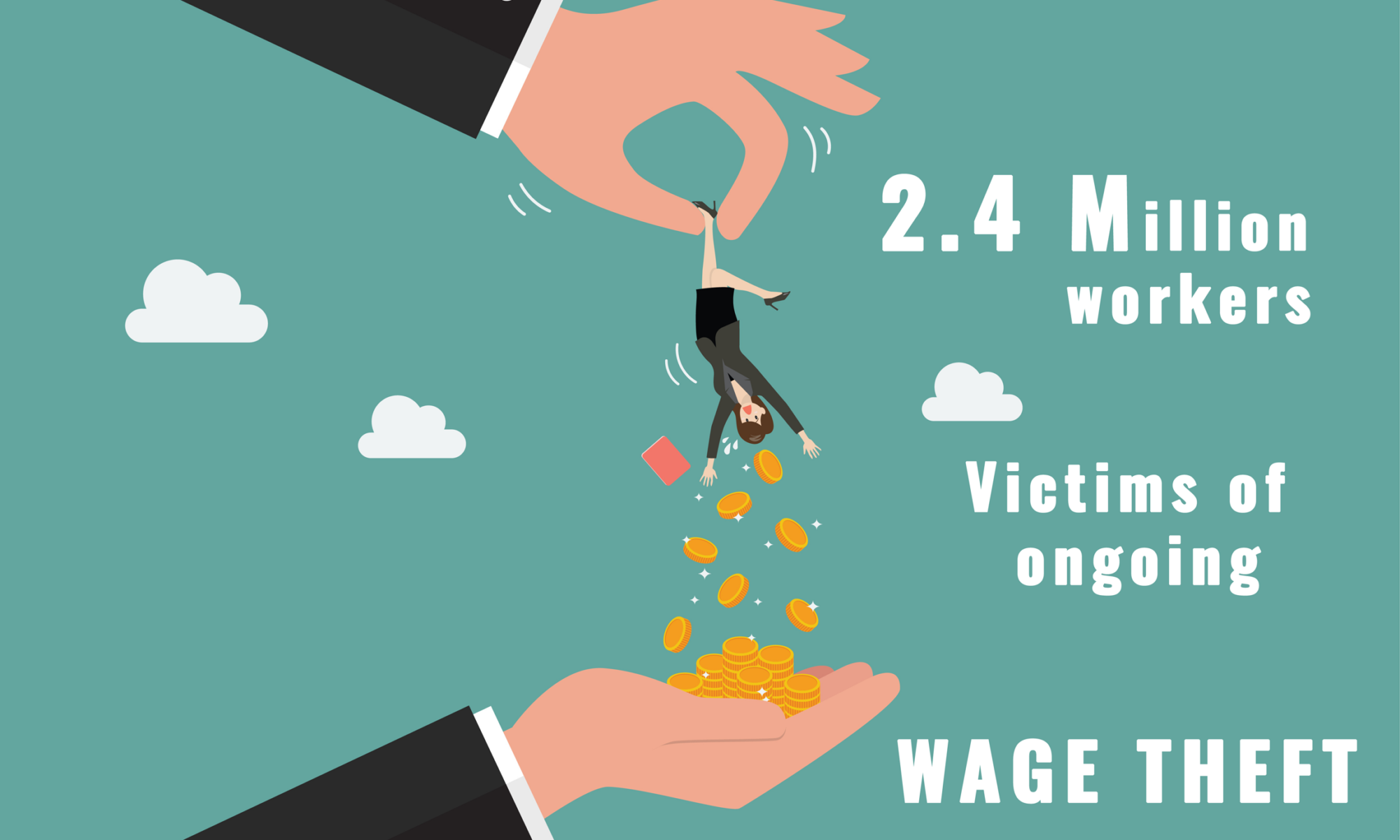
2.4 Million workers victims of ongoing WAGE THEFT. Helmer Friedman LLP employment law attorneys.

The High Cost of Speaking Up: Pay Discrimination in America

The global fashion industry projects an image of pristine elegance and innovation. Behind closed corporate doors, however, a very different reality often unfolds for the workers driving the profits. The recent lawsuit filed by an American executive against luxury giant Louis Vuitton Moët Hennessy (LVMH) and its brand Stella McCartney exposes serious allegations of unequal compensation, corporate retaliation, and wage theft.

For decades, employees across various industries have faced systemic wage disparities based on gender, race, and nationality. When brave individuals step forward to report these illegal practices, they often face aggressive corporate backlash rather than a fair resolution. The fight for workplace equity requires understanding both the hidden mechanisms of pay discrimination and the legal frameworks designed to protect workers.

This article explores the realities of pay discrimination against American employees, examining the Andrew Dershaw case as a prime example of corporate misconduct. By understanding the available legal protections and the severe consequences of whistleblower retaliation, employees can more effectively identify unlawful behavior and take steps to protect their careers and livelihoods.

The Andrew Dershaw Case: A Deep Dive into Allegations

Andrew Dershaw spent fourteen years building and leading the United States wholesale business for Stella McCartney. During his extensive tenure, he successfully oversaw more than $40 million in annual revenue across a network of over 200 retail accounts. Despite this proven track record of success, Dershaw’s lawsuit claims that his loyalty and high performance were met with systematic pay discrimination and severe retaliation.

“LVMH and Stella McCartney built a system designed to extract maximum value from an American executive who gave them fourteen years of loyalty and successfully grew their U.S. business into what it is today, while ensuring he would never be treated as an equal,” said Bennitta L. Joseph, Founding Partner at Joseph & Norinsberg. “When Mr. Dershaw objected to conduct that their own executives described in writing as illegal, they punished him for it. That is not a misunderstanding. That is a choice. And it is exactly what this lawsuit is about.”

Compensation Disparities and the Pandemic Pay Cut

According to the federal complaint, Dershaw was the only American male serving on the company’s senior leadership team, which consisted almost entirely of European executives. The lawsuit outlines stark disparities in how he was treated compared to his European counterparts.

When a European executive was terminated in 2024, Dershaw assumed her full responsibilities. However, the company allegedly refused to grant him her official title and paid him roughly half of her compensation. The situation worsened during the COVID-19 pandemic. Dershaw alleges that his salary was drastically reduced by approximately 30%, while the compensation of European executives remained entirely untouched. Public filings cited in the lawsuit even indicate that Stella McCartney increased her own compensation by approximately £221,000 during this exact same period of supposed financial strain.

Whistleblower Retaliation and Corporate Hostility

The mistreatment escalated when Dershaw discovered and objected to a coordinated pricing strategy imposed on U.S. retailers. Internal communications allegedly described this strategy as “anti-competitive (and illegal).” After refusing to participate in this scheme, Dershaw faced immediate financial consequences, including a significant reduction in his bonus. The company continued to advance the pricing strategy, a decision that mirrors similar controversies in Europe. Months later, the European Commission fined Loewe, another LVMH-owned brand, €18 million for anti-competitive practices.

Dershaw also claims the company withheld approximately $20,000 in approved business expenses. After he filed internal complaints regarding his compensation and wage issues, leadership allegedly used those complaints as the basis for his first negative performance review in fourteen years.

The Human Cost of Discrimination

Corporate retaliation exacts a devastating toll on an individual’s mental and physical well-being. The cumulative impact of the company’s hostile actions caused significant personal and professional harm to Dershaw. In October 2025, he was diagnosed with Major Depressive Disorder and Generalized Anxiety Disorder, forcing him to take medically prescribed leave. His story demonstrates how unchecked discrimination destroys not just careers, but lives.

Understanding Pay Discrimination: Legal Frameworks and Statistics

American workers possess robust legal protections against unfair compensation and retaliation. Understanding these laws is the first step toward achieving justice in the workplace.

Federal Protections: The Equal Pay Act and Title VII

The United States’ Equal Pay Act of 1963 established a fundamental rule: employers must pay equal wages for equal work, regardless of sex. This federal law requires that men and women working in the same location receive equal pay for jobs that require substantially equal skill, effort, and responsibility.

Furthermore, Title VII of the Civil Rights Act offers comprehensive protection against discrimination in employment. This landmark legislation prohibits employers from discriminating against employees based on sex, race, color, national origin, and religion. This covers all terms and conditions of employment, including hiring, firing, promotions, and compensation.

State and City Protections: California’s Equal Pay Act

Many states have implemented even stricter laws to protect workers. California’s Equal Pay Act prohibits employers from paying an employee less than employees of the opposite sex, or of a different race or ethnicity, for “substantially similar work.”

Under this law, work is substantially similar if it requires comparable skill, effort, and responsibility, and is performed under similar working conditions. Employers can only defend pay differences if they can prove the disparity relies entirely on:

  • A seniority system
  • A merit system
  • A system that measures earnings by quantity or quality of production
  • A bona fide factor other than sex, race, or ethnicity (such as education, training, or experience)

Additionally, California Labor Code § 232 explicitly protects an employee’s right to discuss wages. Employers cannot prohibit workers from disclosing their own wages, discussing the wages of others, or asking about compensation structures.

The Stark Reality of the Pay Gap

Despite these legal frameworks, statistics show that profound inequalities remain embedded in the American workforce. In 2023, the Institute for Women’s Policy Research reported alarming figures regarding the racial and gender pay gap. For every dollar earned by a White man, a typical Latina woman working full-time earned just 57.8 cents. A Black woman earned 66.5 cents, a White woman earned 79.6 cents, and an Asian woman earned 94.2 cents.

Legal intervention remains one of the most effective ways to correct these systemic failures. For example, a jury recently awarded $6 million to Dr. Anissa Rogers in a gender discrimination and harassment lawsuit against California State University. This precedent-setting victory, secured by the attorneys at Helmer Friedman LLP, highlights the massive financial consequences organizations face when they fail to protect their employees from discrimination and retaliation.

The Broader Implications of Whistleblower Retaliation and Workplace Fairness

Standing up to corporate misconduct requires immense bravery. Whistleblowers like Andrew Dershaw risk their reputations, financial stability, and health to expose illegal practices. They act as a crucial line of defense against corporate greed and systemic discrimination.

Workplaces thrive when every employee feels valued and heard. Pay discrimination and retaliation represent more than just legal violations; they are direct assaults on human dignity. Fostering environments rooted in integrity, openness, and compassion is essential for the future of American business. Companies must realize that fair compensation and ethical practices are not optional luxuries, but strict legal requirements.

Fostering Equitable Workplaces for Everyone

The allegations against Stella McCartney and LVMH serve as a powerful reminder that prestige and wealth do not guarantee ethical corporate behavior. Pay discrimination and whistleblower retaliation continue to harm American employees across virtually all industries.

Preventing these abuses requires constant vigilance and strong legal advocacy. Employees must know their rights and understand that the law shields them when they speak the truth. If you suspect you are being denied equal pay or facing retaliation for reporting illegal behavior, taking prompt legal action is vital.

Helmer Friedman LLP stands as a dedicated advocate for justice, offering expert, personalized representation for victims of discrimination, harassment, and retaliation. With over 20 years of legal experience and a proven track record of securing major settlements, our team provides confidential consultations to help you understand your legal options. Contact us today to ensure your rights are protected and your voice is heard.

Citizenship-Status Discrimination in Tech: The Hidden Injustice

Girl in flag scarf representing Citizenship-status discrimination lawyers Los Angeles.

Wage Suppression in the Tech Industry: A Hidden Injustice

In the heart of Silicon Valley, a narrative of innovation and meritocracy often masks a more complex reality. For years, whispers of wage suppression and citizenship-status discrimination have circulated, but a recent lawsuit against Tesla has cast a harsh spotlight on these allegations. This isn’t just about one company; it’s about a systemic issue that impacts thousands of U.S. workers and exploits foreign talent. The practice of favoring H-1B visa holders to cut labor costs raises serious questions about fairness, legality, and the very integrity of the tech industry’s hiring practices.

This article examines the growing problem of wage suppression and wage theft in the tech sector. We will explore the mechanisms behind it, using the Tesla lawsuit and other corporate examples as case studies. By understanding the legal and economic implications, we can see the full picture of how these practices harm both American and immigrant workers and what can be done to fight back.

The H-1B Visa Program: Intent vs. Reality

The H-1B visa program was designed to allow U.S. companies to temporarily employ foreign workers in specialty occupations. Supporters argue it is essential for accessing a global pool of skilled talent, filling critical shortages, and driving innovation that fuels economic growth. The intention was to supplement the domestic workforce, not replace it.

However, critics argue that the system is being manipulated. Some firms allegedly exploit the program to drive down labor costs. They achieve this by heavily recruiting from visa-dependent channels and sidelining qualified U.S. applicants, particularly mid-career professionals who command higher salaries. This creates an environment where H-1B workers, often tied to their employer for their immigration status, may be paid less than their American counterparts for the same job. This practice, a form of wage suppression, not only harms the visa holders but also depresses salary standards for all employees in a team or company, amounting to what some plaintiffs call wage theft.

A Pattern of Discrimination: Tesla, Disney, and Beyond

The allegations against major corporations reveal a disturbing trend of using the H-1B visa system to undercut American workers and exploit foreign ones.

Case Study: The Tesla Lawsuit

A lawsuit filed against Tesla alleges the company engages in a systematic pattern of discrimination based on citizenship status. The complaint claims Tesla favors H-1B visa holders over U.S. citizens in hiring, promotions, and even during layoffs, all in an effort to reduce labor costs.

According to the lawsuit, Tesla hired approximately 1,355 H-1B workers in 2024 while simultaneously laying off over 6,000 employees, the majority of whom are believed to be U.S. citizens. Plaintiffs argue this demonstrates a clear hiring bias and a pattern of protecting lower-paid visa holders during workforce reductions. The case, which seeks class-action status, alleges violations of federal civil rights laws that protect against national origin discrimination and citizenship-status discrimination. While Tesla has yet to respond in court, the case could have significant ripple effects across the industry.

Other Notable Examples

The problem extends far beyond Tesla. Companies like Disney, FedEx, and Google have also been implicated in practices that degrade labor standards through the use of subcontracted H-1B visa holders. IT staffing firms, such as HCL Technologies, have been accused of exploiting visa holders by paying them less than their U.S. counterparts, a direct violation of H-1B statutes. One report suggests this illegal practice has led to underpayments of at least $95 million, affecting thousands of migrant workers.

This exploitation creates a two-tiered system. U.S. workers face depressed wages and are often replaced by lower-paid H-1B employees, while the visa holders themselves are trapped in a cycle of underpayment and dependency.

The Legal and Economic Fallout

Proving systemic discrimination is a difficult legal battle. According to legal experts, plaintiffs will need to produce extensive evidence, including detailed hiring and pay records, internal communications, and statistical analyses showing a clear pattern of bias. If successful, the consequences for companies like Tesla could be severe, including financial penalties, back pay orders, and court-mandated changes to hiring and recruitment processes. This could force a broad re-evaluation of how tech companies use “sponsorship-preferred” filters and recruit talent.

The economic impact on U.S. workers is significant. When companies systematically hire lower-paid visa holders, it artificially lowers the market rate for skilled labor. This wage suppression makes it harder for American workers to negotiate fair salaries and can lead to long-term career stagnation and financial hardship.

Holding Power Accountable

The exploitation of the H-1B system has been enabled, in part, by a lack of vigorous enforcement. Government agencies like the Department of Labor (DOL) have been criticized for failing to adequately enforce wage rules and close loopholes that allow for outsourcing and underpayment.

Workers who believe they have been victims of citizenship-status discrimination can file complaints with the Department of Justice’s Immigrant and Employee Rights Section (IER). This agency is responsible for enforcing laws against unfair hiring and firing based on citizenship or immigration status. It is crucial for agencies like the DOL, the Department of Homeland Security (DHS), and the Department of Justice (DOJ) to take decisive action. This includes launching investigations, imposing significant penalties on offending companies, and closing the legal gaps that allow this exploitation to continue.

It’s Time to Fight for Fair Labor Practices

The allegations of wage suppression and pay discrimination in the tech industry are not just isolated incidents; they are symptoms of a systemic problem that undermines fair labor practices for everyone. Companies that exploit visa programs to cut costs are not only breaking the law but are also betraying the trust of their employees and the public. It is a form of wage theft that harms both the immigrant workers who are underpaid and the U.S. workers who are sidelined.

If you are a worker who has been denied a job, paid unfairly, or laid off due to what you believe is national origin discrimination or citizenship-status discrimination, you have rights. Speaking with an experienced employment law attorney can help you understand your options and hold these companies accountable. You are not alone, and help is available.

At Helmer Friedman LLP, we are committed to fighting for justice for workers who have been wronged. If you have faced wage theft or citizenship-status discrimination, or if you have information about the misuse of visa programs, contact us for a free, confidential case evaluation.

Immigration Threats Used to Hide Wage Theft | Worker Rights

2.4 Million workers victims of ongoing WAGE THEFT. Helmer Friedman LLP employment law attorneys.

When Employers Use Immigration Threats to Hide Wage Theft

Immigrant workers face a dangerous new form of workplace retaliation that threatens both their livelihoods and their legal status. Employers increasingly use immigration threats as weapons to silence workers who report wage theft, creating a climate of fear that allows workplace violations to flourish unchecked.

Recent cases expose the severity of this growing problem. In Colorado, an employer followed through on deportation threats after a worker filed a wage theft claim, resulting in the worker’s removal from the country. This extreme retaliation represents a troubling escalation in employer tactics designed to suppress worker complaints.

“Unfortunately, this employer took action against him in retaliation where he called ICE and was able to send them back to his home in Latin America,” said Mayra Juárez-Denis, executive director of Centro de Los Trabajadores, a North Denver organization that protects worker rights.

Immigration Threats Create Widespread Fear

The current political climate has amplified the effectiveness of immigration-related threats as a form of worker retaliation. Colorado Attorney General Phil Weiser notes that threats to report workers to Immigration and Customs Enforcement “hold a lot more weight” due to heightened immigration enforcement concerns.

Worker advocacy groups report hearing about such threats with increasing frequency. These intimidation tactics extend beyond undocumented workers, targeting employees with legal status or documentation who speak up about workplace violations.

“Now we are hearing about this new retaliation tool from unscrupulous employers who want to instill fear in their workers,” Juárez-Denis explained. She described “a new atmosphere where there is fear to speak up if they take your wages away, if they don’t pay you because people are scared to speak.”

This fear-based approach allows employers to exploit vulnerable workers while avoiding accountability for wage theft and other workplace violations.

Legal Protections Shield Workers from Retaliation

Despite employer intimidation tactics, strong legal protections exist for workers who report wage theft. Under California and Colorado law, employers cannot threaten to report workers to any law enforcement organization, including ICE, in response to workers asserting their legal rights.

Anti-retaliation laws protect workers who engage in “protected activity,” which includes filing both formal and informal complaints about wage theft. These protections apply even when complaints are ultimately found to be incorrect.

The Department of Labor’s Wage and Hour Division provides additional safeguards for workers in specific visa programs. Under H-1B whistleblower protections, employers face penalties up to $5,000 per violation and potential two-year debarment for retaliating against workers who report violations.

Using a person’s immigration status to avoid payment of wages or prevent the exercise of labor rights violates state law in multiple jurisdictions. These violations carry serious consequences for employers who engage in such practices.

Taking Action Against Workplace Retaliation

Workers experiencing immigration threats or other forms of whistleblower retaliation should understand that help is available. Legal remedies for illegal retaliation can include reinstatement, back wages, and other appropriate relief determined by labor authorities.

If you have experienced retaliation, harassment, discrimination, or threats in the workplace, it is crucial to seek guidance from highly experienced employment law attorneys like those at Helmer Friedman LLP. With over 20 years of proven expertise and a strong track record of successful case outcomes, their team is dedicated to advocating for workers’ rights. They offer confidential consultations to evaluate the specifics of your situation and provide personalized legal strategies to help you achieve justice.

“We’re prepared to take action, and we want people to let us know if they’re hearing about these threats or these actual retaliatory steps because they’re illegal and they’re wrong,” Attorney General Weiser emphasized.

Workers should not allow fear of immigration consequences to prevent them from seeking justice for workplace violations. Legal protections exist specifically to shield workers from such retaliation, and enforcement agencies stand ready to hold employers accountable for illegal intimidation tactics.

Wage Theft Crisis

2.4 Million workers victims of ongoing WAGE THEFT. Helmer Friedman LLP employment law attorneys.

The Hidden Theft: Billions Lost in Unpaid Wages

Injustice is not always visible – especially when companies subtly dip into their employees’ hard-earned wages. A recent study from EPI unraveled how employers are unlawfully paying less than the minimum wage to their employees – a subtle form of theft that is costing workers billions of dollars every year.

The Impact of Wage Theft: By Numbers

According to the survey data, around 2.4 million workers from the top ten most populous U.S. states are victims of this ongoing wage theft, losing roughly $8 billion annually. On an individual level, affected workers lose an average of $64 per week, accounting for almost a quarter of their weekly earnings. If these workers were paid correctly, 31% of those struggling with poverty would be lifted above the poverty line.

The Crime Wage Theft Hotspots

Minimum wage violations are more prevalent in some states than others. Florida leads the pack with a violation rate of 7.3%, followed by Ohio (5.5%) and New York (5.0%). However, when it comes to the highest amount of lost wages due to these practices, Texas, Pennsylvania, and North Carolina top the chart.

The Most Affected Demographics

Unfortunately, this unscrupulous practice is more likely to affect certain groups. Our young workforce (ages 16 to 24), women, people of color, and immigrant workers often report being paid less than the minimum wage. Part-time employees, service industry workers, and unmarried workers, especially single parents, also fall victim to these violations at a higher rate.

The Bigger Picture

When looking at the grand scale of things, the financial exploitation of workers is staggering. Bad employers are stealing around $15 billion annually from their employees, purely from minimum wage violations alone. This amount surpasses the total value of property crimes committed in the U.S. each year. Yet, there is a stark difference in the resources allocated to combat wage theft compared to property crime.

This substantial wage theft affects workers and puts undue pressure on taxpayers and state economies. Around one-third of workers experiencing these violations rely on publicly funded assistance programs like SNAP and housing subsidies. Moreover, wage theft artificially lowers labor costs for the “thieving” companies, creating an unfair competitive advantage and putting downward pressure on wages industry-wide.

The Solution

Enforcing tougher wage and hour laws and strengthening enforcement against wage theft should be a priority to deter higher rates of violations. Furthermore, raising wages for low-wage workers could lead to significant public savings and improvements in our collective health, education, and social mobility.

Nobody should be robbed of their hard-earned money, especially under the guise of employment. Let’s join hands to bring this hidden theft to light and take appropriate action.

One notable example of combating wage theft is the recent victory of Disneyland employees, who filed a class action lawsuit that resulted in a $233 million award for their lost wages. This case highlights how employees can unite to challenge unfair labor practices by collectively filing a class action lawsuit. Such lawsuits allow workers to pool their resources, share their grievances, and present a united front against powerful employers. To effectively pursue this legal avenue, employees should consider hiring an experienced employment law attorney who handles class action cases. These attorneys can guide employees through the legal process, ensuring their voices are heard and their rights are upheld while potentially securing significant restitution for lost wages.

Disneyland Workers Recover $233 Million in Wage Theft Class Action Lawsuit

Unions - collective bargaining, class actions.

The Dire Plight of Disneyland Workers and the Importance of Labor Law Enforcement

In 2018, a disturbing report from Occidental College indicated a grim reality concerning Disneyland employees. Findings pointed out a 15% plummet in real hourly wages from 2000 to 2017. Consequently, three-quarters of the employees did not earn enough to cover basic necessities, and over half the workforce lived under continuous eviction concerns. Even more startling, one in ten employees had experienced homelessness within the previous two years.

Meanwhile, the Disney CEO enjoyed an enormous paycheck of $65.6 million in 2018, highlighting the stark wage disparity in the company. Fortunately, this injustice spurred the Anaheim voters into action by approving Measure L, or the Living Wage Ordinance, which pushes for a progressive increase in the minimum wage of hospitality employees benefiting from city subsidies.

However, despite the popular support for Measure L, Disney fiercely debated and resisted its efficient application at Disneyland. This defiance eventually led to a class action lawsuit against Disneyland, which put forth a robust argument that the company still benefited from city subsidies and, hence, should comply with Measure L.

After an initial setback, the Disneyland employees finally triumphed when a California appeal court overturned the initial ruling in 2023, deeming the bond agreement a “city subsidy.” This victory was cemented when the California Supreme Court declined to review the case, leading to a landmark settlement of $233 million for wage theft—the largest in California history.

Such cases of wage theft are far more common than one might think. American workers lose approximately $15 billion annually to minimum wage violations alone, with other forms of wage theft costing an estimated $50 billion annually. However, a dismally small fraction of these stolen wages are ever recovered, which comes down to a lack of resources and scant attention given to wage theft investigations.

Nationally, the Department of Labor recovered only about $3.24 billion in stolen wages from 2017 to 2020. This lack of recovery potential is due in part to the complex nature of class-action lawsuits and the minimal resources available to state and federal agencies responsible for investigating wage theft cases. To further complicate the issue, policies like the Payroll Audit Independent Determination (PAID) program, if reinstated, could enable companies to avoid penalties for wage theft if they self-reported and paid back the stolen wages.

A key driving force behind successful wage theft recovery is the support of experienced employment law attorneys with expertise in class action cases. The Disneyland case exemplifies how these professionals can help employees navigate complex legal avenues to claim their rightful wages. They understand the intricacies of employment law, have the resources to build a compelling case, and have the will to fight for justice.

In conclusion, the Disneyland class action case poignantly reminds us of the wage theft issue plaguing many American workers. There is an urgent need for more robust labor law enforcement, better funding for relevant state agencies, and the crucial role of experienced employment law attorneys in the battle against wage theft.

This article focuses on the amazing reporting of Judd Legum at Popular Information.

Wage Theft $912,594 Recovered: Understanding Your Rights and Protections

Race discrimination, retaliation, workplace violation lawyers of Los Angeles Helmer Friedman LLP.

As we navigate the complex world of labor laws, it is essential to understand the rights and protections that safeguard workers against wage theft. Whether it be through crafty tip pools or employers illegally retaining tips from credit card purchases, workers must be aware of their rights to receive the overtime pay to which they are entitled.

The Fair Labor Standards Act (FLSA) is one such piece of legislation that works to uphold these rights. A recent case involving a Londonderry brewery and restaurant, Pipe Dream Brewing LLC, highlights the need for workers to be aware of these protections. The establishment was found to have violated the FLSA by retaining tips paid via credit card transactions and denying overtime wages to exempt employees.

These infractions resulted in the recovery of $912,594 for 44 employees. This sum included back wages, withheld tips, and liquidated damages. The U.S. Department of Labor’s Wage and Hour Division, which facilitated the recovery, also assessed $5,148 in civil money penalties for the tip-related violations.

“No employer or agent shall collect, take, or receive any gratuity or a part thereof that is paid, given to, or left for an employee by a patron or deduct any amount from wages due an employee on account of a gratuity, or require an employee to credit the amount, or any part thereof, of a gratuity against and as a part of the wages due the employee from the employer. Every gratuity is hereby declared to be the sole property of the employee or employees to whom it was paid, given, or left.”

The law is explicit—managers, supervisors, and employers are strictly forbidden from participating in tip pools or pocketing any portion of employees’ tips for any reason. These protections ensure that workers can fully realize the wages they have lawfully earned.

Federal and State laws, such as California Labor Code Section 351, offer robust protection against wage theft. This code explicitly prohibits employers and their agents, including supervisors and managerial personnel, from sharing in or retaining any portion of a gratuity intended for employees. The law clearly states that gratuities are the sole property of the employees to whom they are given:
“No employer or agent shall collect, take, or receive any gratuity or a part thereof that is paid, given to, or left for an employee by a patron or deduct any amount from wages due an employee on account of a gratuity, or require an employee to credit the amount, or any part thereof, of a gratuity against and as a part of the wages due the employee from the employer. Every gratuity is hereby declared to be the sole property of the employee or employees to whom it was paid, given, or left.”

This case clearly illustrates the costly consequences for employers who attempt to circumvent these laws. It emphasizes the importance of employees understanding their rights and the mechanisms in place to protect them. The Wage and Hour Division offers resources like the Workers Owed Wages online search tool to assist those in claiming back wages, should they believe they are owed.

As employees, it is crucial to stay informed about the specific laws that protect us from wage theft, tip pooling, and other unscrupulous practices. The Fair Labor Standards Act safeguards serve as a robust shield, ensuring that workers get the pay they have worked hard for and duly deserve.