
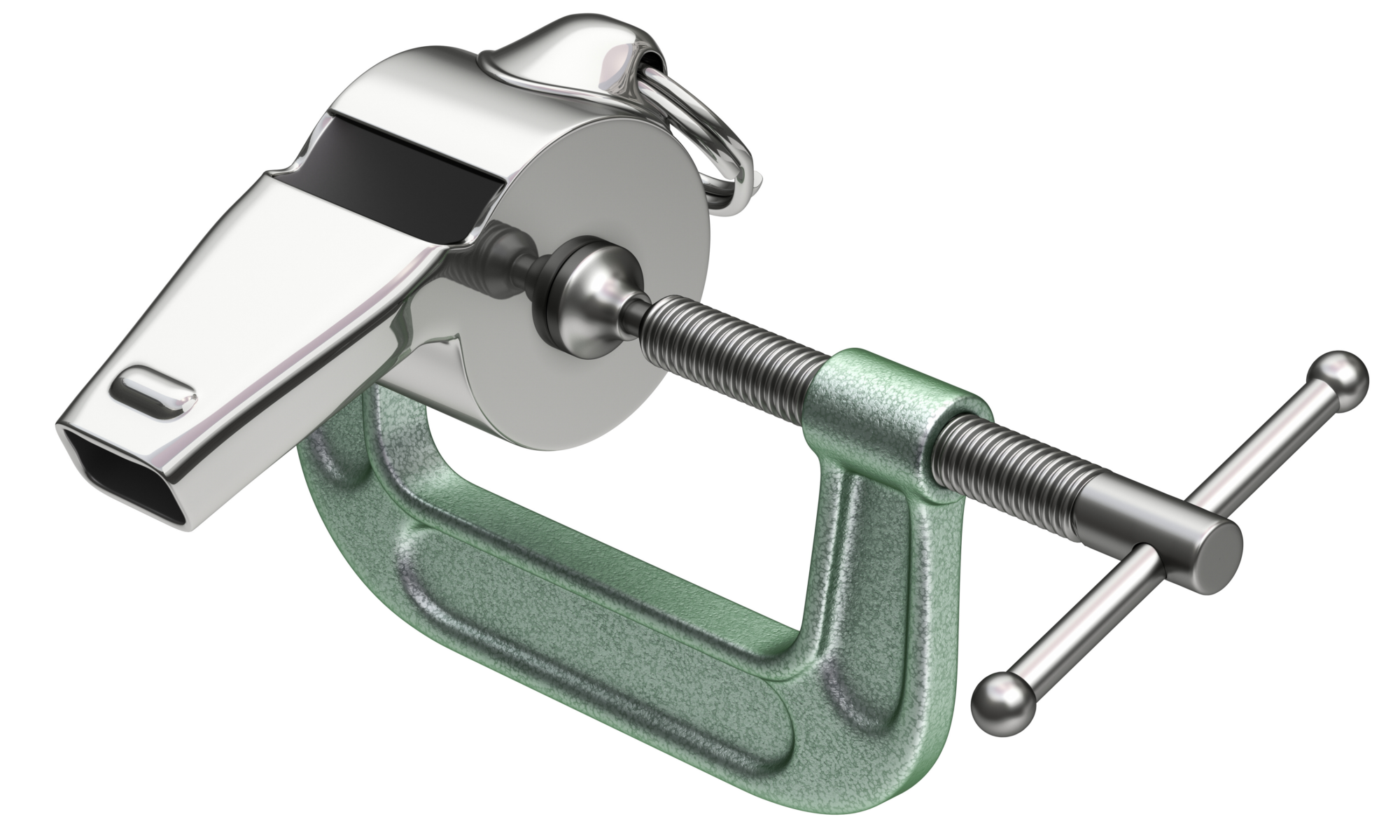
Workplace Retaliation in California: Know Your Legal Rights
It’s truly disheartening that speaking out against discrimination, fraud, or illegal activities at work can sometimes lead to negative consequences for employees. No one should have to fear losing their job, reputation, or peace of mind for doing what they believe is right. Unfortunately, many individuals find themselves facing retaliation as a result of their brave actions, often in subtle ways that can be difficult to identify as unfair treatment.
In California, the law is designed to protect those who report misconduct in good faith, standing firmly in support of employees. In this post, we’ll explore what workplace retaliation looks like, which actions are protected by law, and how a real jury verdict highlights the serious repercussions employers may face for such injustice. We will also outline practical steps you can take if you think you may be experiencing retaliation. Remember, you’re not alone in this, and there are paths to seek justice and support.
What Is Workplace Retaliation?
“He was universally loved and respected — until, that is, his role as a witness in the sexual harassment, discrimination and retaliation claims brought by his former female colleague in the Athletics Division, Sheila Hudson,” Krug’s lawyer Beth Gunn stated in their court filings.
Workplace retaliation is a serious issue that can occur when an employer takes harmful action against an employee for engaging in protected activities, such as reporting discrimination or supporting a colleague. It’s important to understand what “materially adverse” means in this context. For actions to be considered retaliatory, they must be significant enough that they could discourage a reasonable person from speaking up again. A single awkward conversation or minor scheduling conflict usually doesn’t rise to this level; however, a consistent pattern of punitive treatment definitely does.
It’s also crucial to know that you don’t have to prove that your original complaint was correct in order to be protected from retaliation. What matters is that you made your complaint in good faith. Think of this protected activity as a shield for employees. While it doesn’t cover every workplace disagreement, it does provide protection for those who genuinely believe they are reporting something wrong, even if the outcome of an investigation doesn’t confirm their concerns. Remember, speaking up is important, and you deserve support and protection in doing so.
Protected Activities Under California Law
California recognizes a range of actions as legally protected, including:
- Whistleblowing on corporate fraud or wrongdoing
- Reporting discrimination or harassment
- Refusing to participate in illegal conduct
- Complaining about wage or overtime violations
- Taking legally protected medical leave
Whistleblower Protections
California Labor Code Section 1102.5 is an important safeguard designed to protect employees who bravely step forward to report suspected violations. It provides a safe haven for those who choose to voice their concerns, whether to a government agency, law enforcement, or someone within the company who has the authority to take action.
What’s particularly reassuring is the statute’s “reasonable belief” standard. This means that even if an investigation ultimately finds no wrongdoing, employees are still protected as long as they had a reasonable belief at the time of their report. This protection is crucial because retaliation can create an atmosphere of fear, impacting not only the individual who spoke out but also their colleagues who may hesitate to come forward in the future.
For those reading this outside of California, it’s essential to recognize that whistleblower protections can differ from state to state, making it wise to consult with an attorney familiar with your local laws. Your voice matters, and it’s important to know that there are protections in place to support those who stand up for what’s right.
Case Study: A $1 Million Verdict for Standing by the Truth
The legal repercussions of retaliatory behavior are very real and can have profound impacts on individuals’ lives. The case involving Dr. Sheila Hudson and Cal State LA is a poignant example of this. Dr. Hudson’s courageous decision to stand up against sexual harassment led to a settlement of $2.75 million, as reported by University Times and MyNewsLA. Additionally, biology professor Patrick Krug, who bravely testified on her behalf, was awarded $1 million by a jury after they recognized he had been unjustly sidelined for his integrity.
This situation highlights a critical truth: retaliation can manifest in many forms, not just through job termination. It may also appear as being quietly pushed aside for standing up for what is right. Each case unfolds based on its unique circumstances, and while this example shows how courts can address retaliatory actions, it’s important to remember that outcomes can vary in different situations.
Common Forms of Illegal Retaliation
Retaliation rarely announces itself. It frequently masquerades as routine management decisions, which is precisely what makes it so difficult for employees to recognize and challenge. Recognizable forms include:
- Termination or wrongful termination
- Demotion
- Exclusion from meetings, training, or opportunities
- Reduced hours or unexplained shift changes
- Unwarranted discipline or sudden negative performance reviews
- A hostile work environment
Because illegal retaliation often develops gradually, documentation becomes essential to building a credible claim under employment law.
How to Protect Yourself: Documentation and Next Steps
Documenting Incidents
Keep detailed records as events unfold. Note dates, times, locations, and witnesses, and preserve copies of relevant emails or memos. If your treatment changed noticeably after you engaged in a protected activity, that timeline matters. Prior positive performance reviews can be particularly valuable, since they help demonstrate a shift in treatment that coincided with your protected activity rather than any legitimate performance issue.
Reporting and Seeking Counsel
Where an internal reporting policy exists, use it. Doing so creates a documented record establishing that your employer was on notice. If internal reporting doesn’t resolve the issue, or if retaliatory conduct escalates, consult an experienced retaliation attorney early, ideally before responding to pressure from HR or management and before signing anything presented to you.
The core legal principle to remember: reasonable, good-faith reporting is protected regardless of how the underlying complaint is ultimately resolved. Acting early preserves evidence and strengthens your position, though no specific outcome can ever be promised.
Why Experienced Representation Matters
Retaliation claims are fact-intensive. They often hinge on subtle patterns of behavior, scheduling changes, exclusion from meetings, a sudden string of negative reviews, that require an attorney who knows how to identify, document, and argue them effectively.
Helmer Friedman LLP brings more than 20 years of experience to cases like these, including a $6 million jury verdict in a CSU gender discrimination and retaliation matter, and a broader record exceeding $50 million in settlements across discrimination and related claims.
If you’re thinking, “I’m not sure if what happened to me qualifies as retaliation,” you’re not alone, and that uncertainty is exactly what a free, confidential consultation is designed to address. No case is too uncertain to discuss, and no outcome is ever guaranteed, but clarity about your situation is always available.
You Don’t Have to Face Retaliation Alone
Workplace retaliation is illegal, often more subtle than people expect, and taken seriously by California courts, as the Hudson and Krug matters demonstrate. The law protects employees even when an underlying complaint ultimately proves unfounded, provided the report was made in good faith.
If you believe you’ve experienced retaliation, document everything, report through internal channels when available, preserve your evidence, and consult an attorney before making any major decisions. You don’t have to navigate this alone. Helmer Friedman LLP, your advocate in justice, offers a free, confidential consultation to discuss your specific situation. Visit the firm’s Retaliation Lawyers Los Angeles page or reach out through the contact and questionnaire page to take the next step.
Frequently Asked Questions
What qualifies as workplace retaliation?
Workplace retaliation occurs when an employer takes a materially adverse action, such as termination, demotion, or exclusion, against an employee because that employee engaged in a legally protected activity, like reporting discrimination or refusing to participate in illegal conduct.
How do I prove retaliation at work?
Proving retaliation typically involves documenting a timeline that connects your protected activity to a subsequent adverse action: dates, witnesses, relevant communications, and records showing a shift in treatment, such as a sudden decline in performance reviews after years of positive feedback.
What should I do if I’m fired for reporting harassment?
Document the circumstances surrounding your termination, preserve any evidence of your original report and prior standing at the company, and consult an experienced employment attorney as soon as possible, ideally before signing any documents from your employer.
Attorney Disclaimer
This blog post is provided for general informational purposes only and does not constitute legal advice. Reading this post does not create an attorney-client relationship between you and Helmer Friedman LLP. Workplace retaliation laws and their application vary based on individual circumstances and jurisdiction. You should consult a qualified attorney regarding your specific situation. No outcome, settlement, or result is guaranteed.