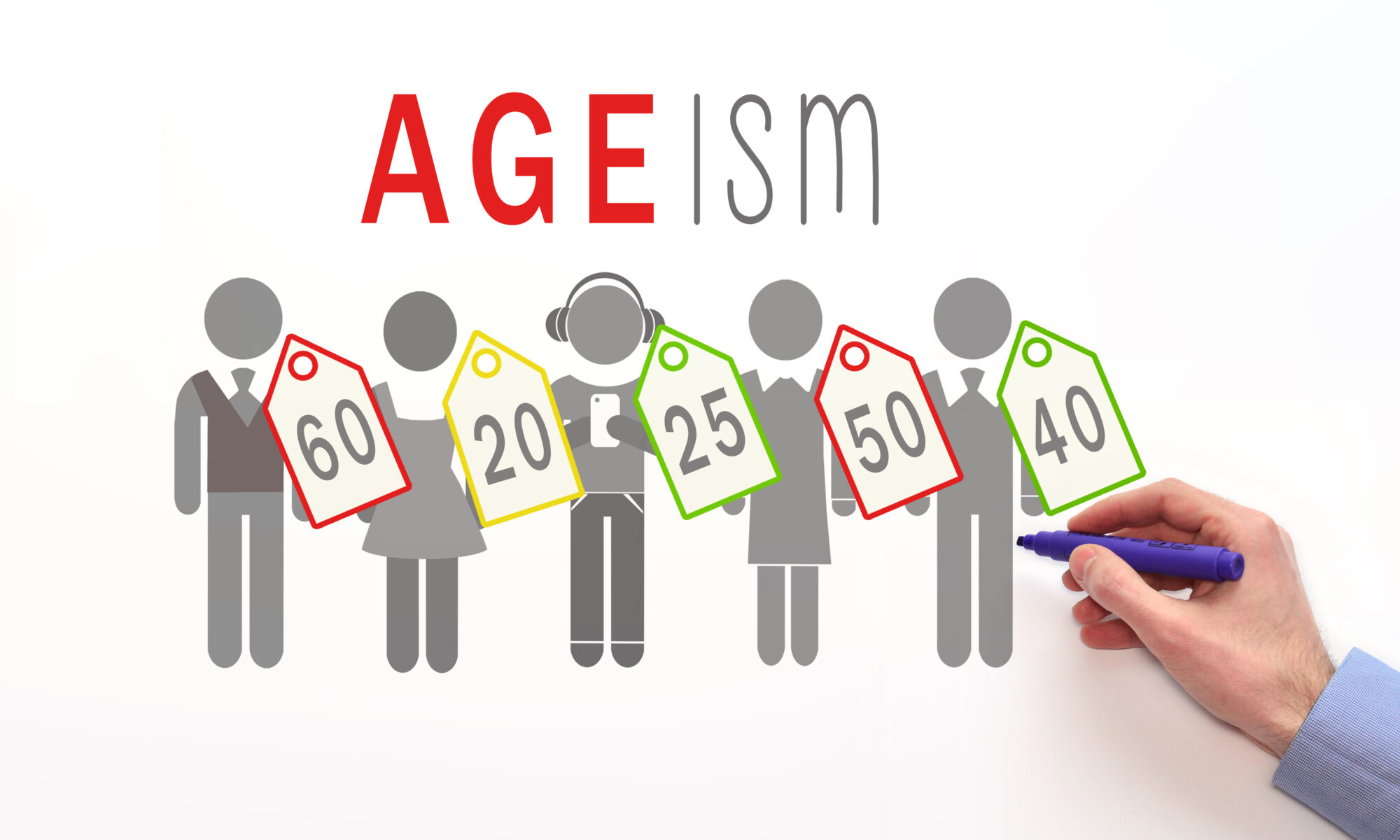

Age Discrimination in the House: Impact on Employees

Workplace discrimination lawyers Helmer Friedman LLP.

Ageism at Work: The Hidden Cost to Employee Well-being

Ageism is one of the most underreported forms of workplace discrimination—and one of the most damaging. Older employees face a unique kind of professional erosion: the gradual stripping of responsibilities, the sting of dismissive comments, and the creeping fear that their careers are ending not on their own terms, but on someone else’s. The consequences extend far beyond the office.

This post examines how age discrimination harms employee well-being at every level—psychologically, professionally, and legally—and what workers can do when it happens to them.

What Is Ageism in the Workplace—and How Common Is It?

Workplace ageism refers to prejudice or discrimination against employees based on their age. It most commonly affects workers 40 years and older, manifesting through hiring bias, exclusion from training opportunities, reassignment of duties to younger colleagues, or outright dismissal.

The problem is widespread. According to the AARP, approximately two out of three workers between 45 and 74 say they have seen or experienced age discrimination on the job. Despite being illegal under federal law, it remains one of the most difficult forms of discrimination to prove—and one of the least reported.

“The treatment I endured in Congressman Troy Nehls’s office left me feeling depressed, humiliated, and insulted,” Countie wrote in his ethics complaint—”feelings I had never experienced during my years at the Drug Enforcement Administration and in association with the Army.”

The Psychological Toll of Age Discrimination

What makes ageism particularly insidious is the way it compounds over time. Unlike a single discriminatory incident, age-based prejudice often unfolds gradually—a dismissive remark here, a skipped invitation there—until the cumulative effect becomes undeniable.

For many workers, the psychological damage is severe. Studies have linked workplace age discrimination to decreased self-esteem, heightened anxiety, clinical depression, and reduced overall life satisfaction. Employees subjected to ageist treatment frequently describe feelings of humiliation and isolation that follow them outside of work—disrupting sleep, straining personal relationships, and diminishing their sense of professional identity.

Kevin Countie’s experience offers a compelling illustration. Countie, a retired Army colonel and former senior intelligence analyst with the U.S. Drug Enforcement Administration, was hired at age 63 as deputy chief of staff for Rep. Troy Nehls (R-TX). In a 2023 ethics complaint filed with the House Ethics Committee, Countie alleged that Nehls and his chief of staff, Robert Schroeder, created a hostile work environment for older employees.

According to Countie’s complaint, Nehls regularly referred to him as “the old colonel”—a nickname that spread to colleagues and office visitors alike. Younger staffers called him “old man,” a pattern Countie alleged Schroeder observed but never corrected. After a staff golf event, Countie wrote that Schroeder patted him on the back and called him “old timer.”

“The treatment I endured in Congressman Troy Nehls’s office left me feeling depressed, humiliated, and insulted,” Countie wrote in his ethics complaint—”feelings I had never experienced during my years at the Drug Enforcement Administration and in association with the Army.”

Nehls’ office dismissed the complaint as “baseless lies,” but the Ethics Committee appeared to be reviewing the allegation, with Countie interviewed by the committee in June 2025.

Professional Ramifications: More Than Just Hurt Feelings

Age discrimination rarely stops at words. In Countie’s case, the psychological harm was compounded by a systematic dismantling of his professional role.

By early 2022, he returned from vacation to find his business cards removed and his desk relocated to a less central position. His legislative portfolio—built on decades of military and intelligence experience—was progressively transferred to younger colleagues. Schroeder denied his requests to attend specialized training programs, instead prioritizing younger employees. Eventually, Countie was told he would not be needed in the next Congress.

This pattern—diminished roles, reassigned duties, stifled development, and eventual forced exit—is a hallmark of constructive dismissal driven by age bias. Another former Nehls staffer described a similar strategy in a 2022 letter: Schroeder had allegedly advised a colleague to “overwhelm” an older employee during training, with the explicit goal of compelling them to quit or retire.

The professional ramifications of such treatment extend beyond any single job. Older workers who are pushed out often face longer unemployment periods, reduced earning potential, and difficulty re-entering their industries—consequences that can reshape the trajectory of an entire career.

Legal Protections Against Age Discrimination

Workers facing age discrimination are not without recourse. Several layers of legal protection exist at both the federal and state levels.

The Age Discrimination in Employment Act (ADEA) of 1967

The ADEA is the primary federal law protecting workers from age discrimination. It covers individuals 40 years of age or older and applies to employers with 20 or more employees, including state and local governments, employment agencies, and labor organizations.

Under the ADEA, it is unlawful to discriminate against an employee because of age in any aspect of employment, including:

  • Hiring and firing
  • Compensation and benefits
  • Job assignments and promotions
  • Training opportunities
  • Layoffs

Importantly, the ADEA also prohibits retaliation against employees who oppose discriminatory practices, file a complaint, or participate in an investigation or legal proceeding.

The Older Workers Benefit Protection Act (OWBPA) of 1990

The OWBPA amended the ADEA to specifically prohibit employers from denying benefits to older employees. It also introduced strict requirements for valid ADEA waivers—ensuring that workers cannot be pressured into unknowingly signing away their rights. Among other standards, a valid waiver must be written in understandable language, allow at least 21 days for consideration, and provide seven days for revocation after signing.

State Protections

Many states provide even broader protections than federal law. California, for example, extends age discrimination protections to employers with five or more employees—a significantly lower threshold than the federal standard—and allows for greater damages in certain cases.

Strategies for Addressing Ageism

For Employees

Recognizing age discrimination is the first step—but acting on it requires documentation. If you believe you are experiencing age-based discrimination, start keeping a detailed record of incidents: dates, times, witnesses, and the specific conduct or remarks involved. Save relevant emails and communications.

From there:

  • Report concerns internally through your HR department or a formal complaint process, and document those reports as well.
  • File a charge with the EEOC. Before pursuing a federal lawsuit under the ADEA, employees must first file a charge with the Equal Employment Opportunity Commission (EEOC) within 180 days of the discriminatory act (or 300 days if state law also applies).
  • Seek legal counsel early. An experienced employment attorney can assess the strength of your claim, guide you through the filing process, and help you avoid procedural missteps that could jeopardize your case.

For Employers

Organizations that want to address ageism proactively should conduct regular audits of promotion, training, and layoff decisions to identify patterns of age bias. Anti-discrimination training should explicitly address ageism—not just race and gender. Mentorship and professional development programs should be accessible to employees across all age groups. And when complaints arise, they must be taken seriously and investigated promptly.


$1,643,000.00 Arbitration Award in Age Discrimination Case

Mr. Greg Helmer of Helmer Friedman LLP obtained an award on behalf of an employee who was discriminated against and harassed because of his age. At the time, the landmark arbitration award was reputed to be one of the largest ever received by an individual in a discrimination case.


Take Action Before It’s Too Late

Age discrimination is not a minor workplace inconvenience. For the workers who experience it, the damage is real—professionally, financially, and psychologically. And as Kevin Countie’s case demonstrates, even decades of distinguished service offer no immunity.

If you believe you have been discriminated against because of your age, the attorneys at Helmer Friedman LLP are here to help. With over 20 years of experience in employment discrimination law and a proven track record of significant settlements and court victories, our team provides the personalized, expert advocacy you deserve.

Contact us today for a confidential consultation and let us evaluate your case—because no worker should be forced out of their career simply for growing older.


Frequently Asked Questions About Age Discrimination

What qualifies as age discrimination under federal law?

Under the Age Discrimination in Employment Act (ADEA) of 1967, age discrimination occurs when an employer treats an employee or job applicant unfavorably because of their age. This applies to workers 40 and older and covers hiring, firing, pay, promotions, job assignments, training, and benefits. The ADEA applies to employers with 20 or more employees.

How do I prove age discrimination at work?

Proving age discrimination typically requires demonstrating a pattern of adverse treatment connected to your age. Evidence may include discriminatory comments, performance reviews that changed without cause, documentation showing younger employees were treated more favorably, or records of responsibilities being reassigned to younger colleagues. An employment attorney can help you build a compelling case.

Can I sue my employer for age discrimination if I was forced to retire early?

Yes. Forced early retirement or constructive dismissal driven by age bias may constitute a violation of the ADEA. If the circumstances of your departure were made intolerable due to age-related mistreatment, you may have a viable claim. Consulting an employment attorney is the best way to assess your specific situation.

How long do I have to file an age discrimination claim?

Under federal law, you generally have 180 days from the date of the discriminatory act to file a charge with the EEOC—or 300 days if your state has its own anti-discrimination law. Filing deadlines are strict, so it is important to seek legal counsel as soon as possible.

Does age discrimination law protect workers under 40?

The ADEA specifically protects workers 40 years of age and older. However, some state laws may offer broader protections. In California, for example, the Fair Employment and Housing Act (FEHA) provides protections that go beyond the federal standard in several key areas.

Hostile Work Environment Lawsuit: Sac State DEI Case

Women of Color in leadership face discrimination at alarming rates.

When DEI Leaders Face Discrimination: The Sac State Lawsuit

She was hired to champion equity. Now she’s suing the institution that hired her for the very discrimination she was brought in to fight.

Mia Settles-Tidwell spent 32 years building a career around inclusion and fairness. In November 2021, Sacramento State recruited her as Chief Diversity Officer and Vice President for Inclusive Excellence. She arrived with a clear mandate: lead the campus’s diversity efforts, implement an antiracism plan, and strengthen the school’s response to sexual harassment cases. By most measures, she delivered.

Yet today, Settles-Tidwell has filed a lawsuit against Sacramento State, naming President Luke Wood and the California State University Board of Trustees as defendants. Her claims? Age, race, and gender discrimination, along with allegations of a hostile work environment that ultimately forced her out.

This post breaks down what happened: the details of the lawsuit, the alleged discriminatory treatment, how it fits into a troubling pattern of discrimination claims across the CSU system, the protections California’s Fair Employment and Housing Act (FEHA) offers employees, and what you can do if you find yourself facing something similar.

A Promising Start That Took a Dark Turn

Settles-Tidwell’s early record at Sac State speaks for itself. She hired the school’s first Universal Access and Inclusion director. She led the CSU-wide Juneteenth Symposium in 2024. She created taskforces to confront both antisemitism and Islamophobia on campus. By any reasonable standard, she was doing the job she was hired to do—and doing it well.

“It was a campaign of harassment and retaliation against my client and we’re hoping to be vindicated in court.” Mainak D’Attaray

Her working relationship with President Luke Wood, who stepped into his role in July 2023, started on solid ground. In fact, in November 2023, Wood wrote her an unsolicited letter of recommendation. That detail matters. It paints a picture of a leader who, at least on paper, valued her contributions.

Then things changed. By early 2024, that relationship had soured dramatically. What had looked like mutual respect gave way to a series of actions that, according to the lawsuit, created an increasingly hostile work environment. The speed of that shift forms the backbone of her case.

The Alleged Discriminatory Treatment

The lawsuit lays out specific allegations that, taken together, describe a pattern of mistreatment:

  • Exclusion. Settles-Tidwell was removed from the Black Honors College leadership team—despite having written the original proposal herself. She was also shut out of budget planning processes central to her role.
  • Pay discrimination. She received a 1.5% merit pay raise. Her peers received a minimum of 2.5%. That gap, the lawsuit argues, reflects pay discrimination tied to her protected characteristics.
  • Public humiliation. In a March 2024 email, President Wood told her that her leadership was “perceived as not effective.” According to the complaint, he berated her in front of cabinet-level colleagues.
  • Stripping of responsibilities. Her authority to hire staff and direct divisional programming was restricted, undercutting her ability to do the job she was recruited to lead.

Her attorney, Mainak D’Attaray, put it plainly: “It was a campaign of harassment and retaliation against my client and we’re hoping to be vindicated in court.”

When Settles-Tidwell raised concerns, the situation reportedly worsened. She requested a meeting with Wood to discuss his March email. She received no response.

Constructive Dismissal: When Resignation Is Not Really a Choice

Sometimes an employee resigns—but the resignation isn’t truly voluntary. The law calls this constructive dismissal. It happens when an employer makes working conditions so intolerable that a reasonable person would feel they have no choice but to quit. In the eyes of the law, that kind of forced resignation can be treated much like a wrongful termination.

On April 11, 2024, Settles-Tidwell resigned. She cited “continuous, disparate and adverse actions that created a hostile working environment.”

What followed was striking. The same day she resigned, Wood publicly announced her departure. He asked her, via a group text, not to attend cabinet meetings. And yet, in public, he praised her as a “strategic thinker.” That contradiction—private exclusion paired with public praise—is exactly the kind of mixed signal that often surfaces in constructive dismissal claims.

Settles-Tidwell didn’t stay silent. She wrote a farewell letter to the student newspaper, The State Hornet. She later published a book, Unscathed: A Harm Reduction Strategy for Women of Color in the Workplace, framing her experience as part of a broader pattern of institutional harm.

A Pattern of Discrimination at CSU

Settles-Tidwell’s case does not stand alone. It fits into a wider series of discrimination claims against the California State University system—the largest public university system in the country.

Earlier this year, CSU paid a $12 million settlement to former Cal State San Bernardino administrators Clare Weber and Anissa Rogers. Both alleged they were fired or pushed out after reporting gender inequities, harassment, and discrimination. Dr. Rogers alone received a $6 million jury award for non-economic damages tied to gender-based hostile work environment claims—believed to be among the largest employment discrimination settlements ever against the system.

The irony is hard to ignore. These cases are unfolding inside an institution that publicly markets itself as a leader in diversity, equity, and inclusion. The gap between that public message and these private allegations is precisely what makes the pattern so concerning.

Understanding Your Rights: FEHA and Hostile Work Environments

If you work in California, you have powerful legal protection through the Fair Employment and Housing Act (FEHA). In several key ways, FEHA goes further than federal law—making it especially important for employees facing a hostile work environment, sexual discrimination, or pay discrimination.

Here’s what sets FEHA apart:

  • Severe or pervasive. Under FEHA, a hostile work environment can be established if the conduct is either severe or pervasive. Federal law typically requires both. This lower threshold makes it easier for employees to bring valid claims.
  • Personal liability for supervisors. Individual supervisors—not just the employer—can be held personally liable for harassment.
  • Broad coverage. FEHA applies to employers with as few as five employees.
  • Prevention requirements. Employers must provide regular anti-harassment training and maintain clear, written anti-harassment policies.

So what actually counts as a hostile work environment? Not every difficult or unpleasant job qualifies. The law draws a line: conduct becomes legally actionable when it targets you because of a protected class—such as race, gender, or age—and is either severe or pervasive enough to alter your working conditions.

Pay discrimination follows similar logic. When pay disparities are tied to protected characteristics like race and gender, they can violate both FEHA and federal law. And the gap doesn’t have to be dramatic. Even a difference as small as the roughly 1% alleged in Settles-Tidwell’s case—1.5% versus 2.5%—can be the basis for a valid claim.

The Broader Implications for Women of Color in Leadership

Settles-Tidwell’s experience reflects a systemic challenge facing women of color in leadership roles, particularly within academic institutions. They are often hired to drive institutional change—then subjected to the very discrimination they were brought in to address. It’s a position that demands enormous resilience while offering little protection.

Women of color experience race discrimination and harassment.

The stakes can be devastating. Settles-Tidwell herself pointed to the tragic story of Antoinette Candia-Bailey, a Black vice president at Lincoln University who died by suicide in January 2024. Settles-Tidwell cited that loss as a catalyst for writing her book and speaking publicly about what she endured.

Women of color in DEI leadership face a particular kind of vulnerability. They carry the responsibility of reshaping institutions, yet they frequently lack the support, authority, and protection that role requires. When the same institutions that recruited them turn hostile, the consequences—professional, financial, and personal—can be profound.

Where the Case Stands Now

Settles-Tidwell filed her lawsuit on May 5, 2025, in Los Angeles County Superior Court at the Stanley Mosk Courthouse. The case has been assigned to Hon. Gail Killefer in Department 37.

Several legal milestones lie ahead. The court has scheduled a Case Management Conference, along with a September 8 hearing on CSU’s motion to transfer the case to Sacramento County Superior Court. Settles-Tidwell opposes the transfer, citing concerns about potential jury pool bias in Sacramento.

For its part, CSU denies all of the allegations. The university has stated it is “prepared to vigorously defend against these claims.” As with any lawsuit, these remain allegations until proven in court.

If This Sounds Familiar, You May Have Legal Options

Settles-Tidwell’s case carries a clear lesson: discrimination can happen at any level, in any organization—even one that publicly champions equity. Hostile work environments, pay discrimination, and sexual discrimination don’t disappear simply because an institution says the right things about inclusion.

If you work in California, FEHA gives you real, enforceable protections. You do not have to endure discriminatory treatment in silence, and you do not have to navigate it alone.

If any part of this story resonates with your own experience, the most important step you can take is to speak with an experienced employment attorney—ideally before taking any other action, including resigning. Early legal guidance can protect your rights and strengthen your position.

At Helmer Friedman LLP, we’ve spent more than 20 years advocating for employees facing discrimination, harassment, retaliation, and wrongful termination. We offer personalized attention, a proven track record of results, and complete confidentiality.

Contact Helmer Friedman LLP today for a free, confidential consultation to discuss your case. Your advocate in justice is just one conversation away.


Frequently Asked Questions

What qualifies as a hostile work environment in California?
Under California’s FEHA, a hostile work environment exists when you face conduct that targets you because of a protected characteristic—such as race, gender, age, or sexual orientation—and that conduct is either severe or pervasive enough to affect your working conditions. Unlike federal law, FEHA only requires one of those two factors, not both. A genuinely difficult boss isn’t automatically illegal; the conduct must be tied to a protected class to be actionable.

Can I sue for pay discrimination in California?
Yes. If you’re paid less than colleagues doing similar work, and that difference is connected to a protected characteristic like race or gender, you may have a valid pay discrimination claim under both FEHA and federal law. Importantly, even small gaps can be actionable. A consultation with an employment attorney can help you determine whether your situation qualifies.

This article includes information from the reporting of Tarini Mehta.

Discrimination at Work – Know Your Rights

Laws protect against age, gender, race discrimination. Helmer Friedman LLP represents discrimination victims.

Know Your Rights Against Discrimination at Work

Discrimination at work rarely announces itself. It doesn’t usually arrive as a slur shouted across an office or a memo that says, in plain terms, “we don’t want people like you here.” Instead, it hides. It wears the language of policy. It comes dressed as a “reorganization,” a “fit issue,” or a sudden concern about your performance that nobody mentioned until you asked for time off or filed a complaint. By the time many employees realize what has happened, they’ve already been pushed out the door.

That quiet, procedural quality is exactly what makes workplace discrimination so dangerous—and so hard to challenge. Every year, thousands of workers are denied accommodations, demoted, or fired after asserting their rights, often without ever knowing that the law was firmly on their side.

This guide is here to change that. Below, you’ll learn the forms discrimination can take, the federal and state laws that protect you, what your employer can and cannot legally do, your protections against retaliation, and the practical steps for taking legal action—backed by real cases with real outcomes. Understanding your rights is the first step toward justice. And you don’t have to take that step alone.

What Counts as Discrimination at Work?

At its core, workplace discrimination means being treated unfairly because of a protected characteristic—something about who you are that the law says cannot be held against you. That includes race, color, religion, sex, national origin, age, disability, and more.

Discrimination can be overt, but more often it’s subtle. It shows up as heightened scrutiny aimed at one employee while others get a pass. It appears when a policy is suddenly enforced against you and no one else. It surfaces in a “pretextual” reason for termination—an excuse that sounds legitimate but conceals an unlawful motive.

Consider the lawsuit filed against Kate Spade and its parent company, Tapestry, involving a 58-year-old African American woman who alleged she faced bias based on race, age, and disability. Cases like hers illustrate a hard truth: discrimination frequently targets people at the intersection of more than one protected trait, and it rarely leaves a tidy paper trail confessing its true reasons.

A simple example makes it concrete. Imagine two employees arrive late on the same morning. One receives a written warning that later justifies her firing. The other—who differs only in age or race—gets a shrug. That uneven treatment, applied to a protected group, is what the law is built to catch.

The Laws That Protect You

Several powerful laws stand between you and unlawful treatment. Here are the ones that matter most.

  • Title VII of the Civil Rights Act prohibits discrimination based on race, color, religion, sex, and national origin. It is the backbone of American workplace civil rights.
  • The Americans with Disabilities Act (ADA) protects qualified individuals with disabilities and applies to employers with 15 or more employees.
  • The Family and Medical Leave Act (FMLA) provides eligible workers up to 12 weeks of unpaid, job-protected leave for serious health conditions, including their own or a family member’s.
  • The Age Discrimination in Employment Act (ADEA) protects workers 40 and older, while Section 1981 offers an additional path for challenging race discrimination.

Many states go further. California’s Fair Employment and Housing Act (FEHA), for example, covers employers with just five or more employees—far broader than federal law.

One term worth understanding under the ADA is “qualified individual.” That means someone who can perform a job’s essential functions, with or without a reasonable accommodation. You don’t lose protection simply because you need an adjustment to do your work well.

Your Right to Reasonable Accommodations

A “reasonable accommodation” is simply a change that allows a qualified employee to do their job. It isn’t a favor. It’s a legal right.

Common examples include:

  • Medical leave
  • Modified or flexible schedules
  • Job restructuring
  • Reassignment to a vacant position
  • Modified equipment or assistive technology
  • Relocating a workstation

Employers sometimes refuse, claiming “undue hardship.” But that bar is much higher than many companies pretend. Undue hardship requires proof of significant difficulty or expense, measured against the size and resources of the business. A large, well-funded employer will struggle to justify denying a modest schedule change.

Just as important is the interactive process—the employer’s legal duty to engage in a good-faith, back-and-forth conversation to find a workable accommodation. Ignoring that obligation, or going through the motions while planning to say no, is itself a violation. Silence is not a defense.

What Employers Cannot Do

The law draws firm lines. Among the actions employers cannot take:

  • Illegal medical inquiries. Before extending a job offer, an employer cannot ask about the existence, nature, or severity of a disability.
  • The “future harm” excuse. A mere possibility that something might go wrong someday is not a lawful basis for denying you a job or accommodation. Speculation is not evidence.
  • Blanket exclusion policies. Automatically shutting out an entire group based on a diagnosis is generally unlawful. Each person must be assessed individually, on their actual abilities.

And here’s a point worth repeating: “We just followed policy” is not a shield. When a policy is applied to you but quietly ignored for everyone else, the policy itself becomes evidence of discrimination.

Retaliation Is Illegal

Asserting your rights is protected activity. Requesting an accommodation, reporting discrimination, or participating in an investigation are all actions the law shields from punishment.

Watch for the warning signs of retaliation:

  • Sudden discipline after a complaint
  • A demotion that follows a request for leave
  • Termination shortly after you return from medical leave

Timing tells a story. In the Kate Spade/Tapestry case, the sequence is striking: a discrimination complaint in May, approved leave running into July, and termination in August. When adverse action follows so closely on the heels of protected activity, courts take notice—and so should you.

Real Cases, Real Outcomes

These rights aren’t theoretical. Workers who understood and pursued them have won meaningful results.

  • EEOC v. Geisinger Health. A nurse with 30 years of service was forced to compete for her own job after taking medical leave. The employer’s “most qualified applicant” policy was found to interfere with her ADA rights. The settlement: $450,000.
  • Western Distributing. A driver who had been medically cleared to return to work was buried under repeated demands for additional evaluations. The company ultimately paid $919,000 to resolve ADA and FMLA claims.
  • Needles v. 1928 Jewelry, Ltd. An age discrimination arbitration produced an award of $1,643,000—at the time, reported to be among the largest individual discrimination awards of its kind.

Each of these outcomes carries the same lesson: employees who know their rights, document their experiences, and pursue justice can hold even powerful employers accountable.

Do NOT Consult AI ChatBots

While exploring options for addressing potential discrimination cases, employees should NOT consult AI chatbots or other automated tools for legal advice. These tools can provide general information, but they do not offer attorney-client privilege, leaving sensitive information unprotected and potentially exposed. Sharing case specifics with AI platforms may risk the confidentiality of your case or even jeopardize its outcome. It is always advisable to seek guidance from a qualified attorney who can ensure your rights are safeguarded and provide tailored advice in the context of legal protections and privileges.

How to Take Legal Action

If you believe you’ve faced discrimination at work, here are the practical steps that protect your case.

  1. Document everything. Keep records of dates, conversations, emails, and any inconsistencies in how policies are applied to you versus others. Details matter, and memories fade.
  2. File a charge with the right agency. This often means the Equal Employment Opportunity Commission (EEOC) or a state agency such as the California Civil Rights Department. Many lawsuits cannot proceed until you’ve filed here first.
  3. Understand your “Notice of Right to Sue.” This document from the agency opens the door to filing a lawsuit in court.
  4. Mind the deadlines. Filing windows are strict and often short. Missing one can permanently bar your claim.

Act early. The sooner you involve experienced legal counsel, the more options you’ll have to protect your rights and preserve crucial evidence.

One more word of caution: do not rely on AI chatbots for legal advice about your situation. Your circumstances are specific, the stakes are high, and only a qualified attorney can properly evaluate your case.

Protect Your Rights Before It’s Too Late

Discrimination at work is often disguised as routine HR practice—a neutral policy, a sudden performance concern, a quiet reorganization. But beneath that surface, federal and state laws give you real, enforceable protections. You have the right to fair treatment, to reasonable accommodations, to a good-faith interactive process, and to speak up without fear of retaliation.

The cases above prove that even large employers with deep legal resources are held accountable. Workers who understand their rights and act on them can—and do—prevail.

If something at your workplace doesn’t feel right, trust that instinct and get answers. Contact Helmer Friedman LLP for a free, confidential consultation. With more than 20 years of experience and a proven track record in discrimination and wrongful termination cases, our team is ready to listen, explain your options, and stand with you. You don’t have to face this alone—and the sooner you reach out, the better we can protect what matters most.

Uncovering the Reality of Wrongful Termination | Legal Insights

Fired after complaining about safety violations is wrongful termination.

The Silenced Workforce: Uncovering the Reality of Wrongful Termination

The meeting invitation arrives with no subject line, just a fifteen-minute block on your calendar. By the time you sit down, the decision has already been made. Your access to email is cut, your laptop is locked, and security is waiting. For thousands of workers, this isn’t a scene from a movie—it is the abrupt, jarring end to their livelihood.

While many terminations are legal business decisions, a significant number cross the line into illegality. Wrongful termination is not just a buzzword; it is a violation of civil rights that leaves devastating emotional and financial wreckage in its wake.

The Human Cost of “At-Will” Employment

In the United States, the concept of “at-will” employment is often misunderstood by employers as a blank check to fire anyone, for any reason. However, this legal doctrine has crucial exceptions. You cannot be fired for your race, your gender, your age, or for blowing the whistle on illegal activity.

Yet, it happens every day.

Consider “Michael,” a senior software developer at a major tech firm in Silicon Valley. (Names have been changed to protect privacy). After five years of stellar performance reviews, Michael raised concerns about his team’s exclusion of older engineers during a restructuring phase. Two weeks later, he was placed on a “Performance Improvement Plan” (PIP) for vague communication issues. A month later, he was gone.

“It wasn’t just the loss of income,” Michael says, reflecting on the six months he spent unemployed. “It was the gaslighting. They made me feel like I had lost my skills overnight. I questioned my sanity before I questioned their motives.”

This psychological toll is a common thread among victims. The sudden loss of identity, coupled with the immediate panic of losing health insurance and income, creates a crisis that extends far beyond the workplace.

Industry Spotlight: The Volatility of Big Tech

The technology sector, often lauded for its innovation, has become a hotbed for complex wrongful termination cases. High salaries and stock options often obscure a culture where ageism and retaliation can fester.

In the rush to streamline operations, developers and engineers are frequently swept up in mass layoffs. However, legal experts warn that these reductions in force (RIFs) can sometimes serve as cover for discriminatory practices. If a layoff list is disproportionately composed of workers over 40, or those who have recently taken medical leave, the termination may be actionable.

“Tech moves fast, and sometimes HR departments cut corners,” explains a seasoned employment attorney. “We see developers fired shortly before their stock vests, or senior staff pushed out for ‘culture fit’ when the reality is they were simply older than their managers. That is not just unfair; often, it is illegal.”

Diverse Situations, Same Injustice

Wrongful termination is not limited to corporate boardrooms or coding bullpens. It strikes across all industries:

  • The Pregnant Sales Executive: Fired days after announcing her pregnancy, under the guise of “restructuring” her territory.
  • The Injured Construction Worker: Terminated for “safety violations” immediately after filing a workers’ compensation claim for an on-the-job injury.
  • The Whistleblower: An accountant who pointed out irregularities in a quarterly report and was summarily dismissed for “insubordination.”

In each scenario, the employer attempts to create a paper trail to justify the firing. This is where the legal battleground lies—proving the stated reason is merely a pretext for the illegal one.

Understanding the Legal Framework

To fight back, you must understand the protections afforded to you. Federal laws like Title VII of the Civil Rights Act, the Americans with Disabilities Act (ADA), and the Age Discrimination in Employment Act (ADEA) form the bedrock of worker protection.

Furthermore, state laws often provide even stronger shields. For instance, California’s Fair Employment and Housing Act (FEHA) offers robust protections against discrimination and retaliation that exceed federal standards.

Recourse for Victims

If you have been wrongfully terminated, the law provides several avenues for recourse. The goal of civil litigation in these matters is generally to make the victim “whole.” This can include:

  • Lost Wages: Back pay from the date of termination and potentially front pay for future lost earnings.
  • Emotional Distress: Compensation for the anxiety, depression, and reputational harm caused by the firing.
  • Punitive Damages: In cases of egregious conduct, courts may award damages specifically designed to punish the employer and deter future bad behavior.
  • Reinstatement: While rare, courts can order an employer to give you your job back.

Advice from the Front Lines

If you suspect your termination was illegal, the actions you take in the immediate aftermath are critical. Legal experts advise a strategy of documentation and caution.

1. Don’t Sign Immediately
Employers often present a severance agreement during the termination meeting, offering a payout in exchange for waiving your right to sue. “The pressure to sign is immense,” notes a legal advocate. “But once you sign that release, your case is likely over. Take the document home. You have the right to have an attorney review it.”

2. Document Everything
Write down a timeline of events leading up to the firing. Who said what? Were there witnesses? Did you send emails complaining about treatment? If you still have legal access to non-proprietary personal records, secure them.

3. Seek Counsel Early
Employment law is governed by strict statutes of limitations. Waiting too long to file a claim with the Equal Employment Opportunity Commission (EEOC) or a state agency can bar you from seeking justice.

Reclaiming Your Narrative

Losing a job is traumatic, but accepting an illegal termination is not mandatory.

“I was terrified to speak up,” admits a former wrongful termination victim who successfully settled a retaliation suit. “I thought I would be blacklisted. But standing up for myself gave me my dignity back. It reminded them that I have rights they can’t just write off.”

Wrongful termination cases are complex battles of fact and law. They require digging beneath the surface of performance reviews and official statements to find the truth. Whether you are a developer in a high-rise or a shift manager in a warehouse, your rights remain the same. If you believe your firing was unlawful, you do not have to navigate the aftermath alone. Justice is available for those willing to fight for it.

If you or someone you know has experienced wrongful termination, contact the highly experienced wrongful termination lawyers at Helmer Friedman LLP now. Our attorneys are committed to advocating for your rights and guiding you toward justice.

The $103 Million Verdict: Age Discrimination in the Workplace

Laws protect against age, gender, race discrimination. Helmer Friedman LLP represents discrimination victims.

The $103 Million Wake-Up Call: Age Discrimination in the Workplace

For thirty-one years, Joy Slagel was a loyal employee. She built a career, managed cases, and even won awards for her customer service. But in the corporate world, three decades of experience doesn’t always guarantee respect—sometimes, it paints a target on your back. After a leadership change in 2012, the atmosphere at her workplace shifted. Older colleagues began disappearing, forced into resignation or fired outright. Slagel found herself isolated, criticized for “setting the bar too high,” and eventually terminated without explanation after returning from medical leave.

Her story isn’t an anomaly, but the outcome was historic. A Los Angeles jury recently ordered her former employer, Liberty Mutual Insurance Co., to pay $103 million in damages. The verdict sends a thunderous message to boardrooms across America: discriminating against older workers is not just unethical; it is a massive financial liability.

Age discrimination remains a pervasive, often silent issue in the modern workforce. While we frequently discuss diversity in terms of race and gender, age bias often flies under the radar until it causes irreparable harm to careers and health. Whether it manifests as a subtle comment about “fresh energy” or a blatant firing of senior staff, ageism is illegal, harmful, and costly.

Federal Age Discrimination Laws

Understanding the Age Discrimination in Employment Act (ADEA)

At the federal level, the primary shield against this bias is the Age Discrimination in Employment Act of 1967 (ADEA). This law explicitly protects individuals who are 40 years of age or older from employment discrimination based on age. It applies to both employees and job applicants.

Under the ADEA, it is unlawful to discriminate against a person because of their age with respect to any term, condition, or privilege of employment. This is a broad umbrella that covers nearly every aspect of the working relationship, including:

  • Hiring: Employers cannot refuse to hire a candidate simply because they are over 40.
  • Firing and Layoffs: Targeting older workers for redundancy during restructuring is prohibited.
  • Compensation and Benefits: Older workers cannot be paid less or denied benefits offered to younger counterparts.
  • Promotions and Training: denying career advancement or upskilling opportunities based on age is illegal.

The law applies to employers with 20 or more employees, including employment agencies, labor organizations, and federal, state, and local governments. Additionally, the Older Workers Benefit Protection Act (OWBPA) amended the ADEA to prohibit employers from denying benefits to older employees, recognizing that the cost of providing benefits should not be used to discourage hiring experienced talent.

California Age Discrimination Laws

Fair Employment and Housing Act (FEHA)

The Fair Employment and Housing Act (FEHA) is a California law that offers strong protections against age discrimination for individuals aged 40 and older. Under FEHA, age discrimination occurs when an employer treats a job applicant or employee less favorably because of age. This can include actions such as denying promotions, terminating employment, or refusing to hire someone solely based on their age. FEHA applies to employers with five or more employees and requires that all workplace decisions be based on merit and qualifications rather than age. Additionally, FEHA prohibits practices like including age preferences in job advertisements or enforcing seemingly neutral policies that disproportionately affect older workers without legitimate, non-discriminatory reasons. This law serves as a crucial safeguard, ensuring that older employees are treated fairly and have equal opportunities in the workplace.

While the Fair Employment and Housing Act (FEHA) and the Age Discrimination in Employment Act (ADEA) offer similar federal safeguards, they aim to prevent age discrimination but differ in scope and application. FEHA applies to employers with five or more employees and includes broader protections against various types of discrimination beyond age discrimination. In contrast, the ADEA specifically addresses age discrimination and applies to employers with 20 or more employees, making its coverage threshold stricter.

Another key distinction between the two laws is the age group protected. Under the ADEA, the law specifically protects individuals aged 40 and older from discrimination. FEHA, however, doesn’t explicitly set a minimum age but prohibits age-based discrimination more generally, which may allow for a broader interpretation within California. Additionally, claims under the ADEA are typically filed with the Equal Employment Opportunity Commission (EEOC), while FEHA claims are processed through the California Civil Rights Department (CRD). This emphasizes the overlap yet distinct processes these laws provide. Together, FEHA and ADEA establish a comprehensive framework to protect workers from age discrimination, especially in jurisdictions like California, where state and federal regulations intersect.

How Age Discrimination Manifests in Real Life

Bias rarely announces itself with a megaphone. Instead, it often creeps into the workplace through coded language and subtle exclusions. While the law is clear, the application of discrimination can be murky.

In hiring, it might look like job postings that seek “digital natives” or caps on years of experience, effectively filtering out older applicants before they even apply. In the office, it can be social exclusion—being left out of meetings, overlooked for challenging assignments, or subjected to “jokes” about retirement or adaptability to technology.

The most damaging forms often occur during restructuring. Companies looking to cut costs often target higher-salaried employees, who tend to be older workers with long tenure. If a layoff disproportionately affects those over 40, it may violate the ADEA.

Similarly, promotions may be withheld under the guise that an older employee “lacks long-term potential” or “isn’t a cultural fit,” phrases that often serve as smokescreens for bias.

Anatomy of a Verdict: The Liberty Mutual Case

To understand the severity of age discrimination, one need look no further than the recent case against Liberty Mutual. The details, as presented in court, paint a disturbing picture of a systematic effort to push out older workers.

According to court filings, the environment at Liberty Mutual shifted dramatically around 2012 following the promotion of a new regional claims manager, Ariam Alemseghed. The complaint alleged that a pattern emerged where employees in their 50s and 60s were forced to resign. Eventually, of the approximately 120 employees in the department, only two were over 40. Joy Slagel was one of them.

The harassment Slagel endured was calculated. Despite a spotless 30-year record, she was suddenly criticized for being a bad team player. The complaint detailed how she was ignored during morning greetings and singled out during meetings. When she won a customer service award and a $1,000 gift for her exemplary work, the regional manager allegedly undercut the achievement by telling her she “got lucky” and that it “would never happen again.”

The stress of this hostile environment took a physical toll. Slagel’s blood pressure worsened, forcing her to take a short-term disability leave. While she was away, the company sent a courier to retrieve her laptop—an unusual move that foreshadowed her fate. Upon her return, her access badge had been deactivated. She was called into a conference room and fired, effective immediately. She was replaced by a white male in his late 20s.

The jury’s verdict—$20 million in compensatory damages and $83 million in punitive damages—was a direct rejection of these tactics. Justin Shegerian, the lead trial attorney, stated that the verdict is a “resounding message” that juries will hold employers accountable for such harm.

Strategies for Employees Facing Discrimination

If you suspect you are being targeted because of your age, it can feel isolating. However, there are steps you can take to protect yourself and build a potential case.

Document Everything

Paper trails are essential. Keep a detailed record of discriminatory comments, exclusion from meetings, or sudden negative shifts in performance reviews that contradict your actual output. In the Liberty Mutual case, the timeline of events—from the leadership change to the specific comments made during the award ceremony—helped establish a pattern of behavior.

Know Your Rights Regarding Waivers

Employers sometimes ask departing employees to sign waivers releasing the company from ADEA claims, often in exchange for a severance package. Under the OWBPA, these waivers must meet strict standards to be valid. You must be given at least 21 days to consider the agreement and seven days to revoke it after signing. Most importantly, you should be advised in writing to consult an attorney. Do not sign away your rights without legal counsel.

Oppose the Behavior

Retaliation for opposing discriminatory practices is illegal. If you report age discrimination to HR or file a charge, and your employer punishes you for it, that retaliation is a separate legal violation.

For employers, the $103 million verdict against Liberty Mutual should serve as a stark warning. The costs of age bias extend far beyond legal fees; they damage reputation, morale, and institutional knowledge.

“This verdict is a resounding message to corporations nationwide: age discrimination is illegal, it is harmful and juries will hold employers accountable,” Justin Shegerian, lead trial attorney and founder of Shegerian & Associates, said in a statement.

Preventing discrimination starts with culture. Employers must ensure that performance reviews are based on objective metrics, not subjective feelings that can mask bias. Leadership training is crucial—managers need to understand that comments about “fresh blood” or “digital natives” can be evidence of discriminatory intent.

Furthermore, audits of hiring and firing practices can reveal statistical anomalies before they become lawsuits. If a reduction in force impacts 80% of your workforce over 50, you have a problem. Building an inclusive workplace means valuing experience as an asset, not a liability.

Upholding Dignity in the Workforce

Joy Slagel gave 31 years to a company that ultimately treated her as disposable. The jury’s decision to award her over $100 million restores a measure of justice, but it cannot undo the stress and indignity she suffered.

Age discrimination is not merely a legal issue; it is a human one. We will all age. Creating a workplace that respects tenure and experience protects everyone’s future. Whether you are an employee facing bias or an employer seeking to avoid liability, understanding the high stakes of age discrimination is the only way forward.

Engineer’s Age Discrimination Case vs. Mott MacDonald

The history of employment laws and the labor movement.

From Asset to Outcast: An Engineer’s Age Discrimination Story

Abbas Sizar, a highly accomplished engineer with over 35 years of experience, built a distinguished career managing complex rail and transit system projects. Armed with both MS and BE degrees in electrical engineering and registered as a Professional Engineer in nine states, he was a recognized expert in his field. Yet, after years of stellar performance and multiple promotions at the global engineering firm Mott MacDonald, Mr. Sizar found his career derailed, not by a professional misstep, but allegedly by discriminatory practices that favored a younger, less qualified colleague. This is the story of how a celebrated “asset” was systematically pushed aside and ultimately terminated.

A Record of Excellence

In October 2013, Mott MacDonald hired Mr. Sizar as a Senior Project Manager, relocating him from Philadelphia to Seattle for a key assignment. His impact was immediate and profound. Performance reviews from early 2014 lauded him for successfully taking the lead on a high-stakes project. His supervisors, Paul Heydenrych and Steve Mauss, noted, “The client is satisfied with Abbas, and he has done an excellent job… Abbas is certainly an asset to our team.”

This praise continued throughout his tenure. By late 2014, he was managing several additional contracts for one of the company’s “most difficult clients,” Sound Transit. His dedication was so apparent that Mr. Heydenrych wrote, “expectations seem to require more than 40 hours a week from our staff, especially Abbas.” In recognition of his success, the company transferred him to Los Angeles with a nearly 12% raise.

Under his new supervisor, Daniel Tempelis, Mr. Sizar’s star continued to rise. His 2015 review described him as “a great asset” and a “go-to person for quick turnarounds.” Mr. Tempelis himself supported Mr. Sizar’s ambition to become an associate, promising to “work with him toward this goal.” By 2016, Mr. Tempelis was championing his promotion, stating, “I will do what I can to support Abbas’ promotion.” These weren’t empty words; Mr. Tempelis regularly praised his performance, granted him an extra week of paid vacation for his hard work, and moved him from a cubicle to an office.

Following these consistent accolades, Mr. Sizar was promoted to Principal Project Manager in 2017, later appointed as an Associate in 2018, and then a Senior Associate in 2019. His career trajectory was a textbook example of success built on merit, dedication, and expertise.

A Disturbing Shift in Treatment

The professional climate for Mr. Sizar changed dramatically in the spring of 2018. After a brief medical leave for a serious health condition, he returned to work and noticed a chilling shift in his supervisor’s behavior. Mr. Tempelis, who had once been his biggest advocate, allegedly began treating him less favorably.

More troublingly, Mr. Tempelis started making inappropriate and persistent inquiries about Mr. Sizar’s age, health, and retirement plans—questions prohibited by state and federal employment laws. When Mr. Sizar asserted that he had no intention of retiring and planned to work until at least age 75, Mr. Tempelis reportedly expressed skepticism, suggesting he should reconsider.

This line of questioning continued into his annual performance review in September 2018, which veered from a discussion of his work to a renewed pressure campaign about retirement. It was during this period that a younger man, Glenn Breindel, was hired for a position on Mr. Sizar’s team. Though Mr. Sizar interviewed and approved Mr. Breindel, who was roughly 50 years old and less experienced, Mr. Breindel was subsequently shut out of the hiring process.

In a surprising move, Mr. Tempelis hired Mr. Breindel not for the role he applied for, but as a Principal Project Manager—the same title as Mr. Sizar—and made him a direct report. When questioned, Mr. Tempelis simply stated, “I have big plans for Glenn.”

Sidelined for a Younger Successor

What followed was a systematic erosion of Mr. Sizar’s role. He was instructed to train Mr. Breindel and ensure that Mr. Breindel had enough billable work. Projects that would have naturally fallen to Mr. Sizar were instead assigned to the less experienced Mr. Breindel. It became clear that the younger colleague was being groomed to replace him.

By December 2019, Mr. Tempelis informed Mr. Sizar that he would now report directly to Mr. Breindel. During this meeting, Mr. Tempelis again raised retirement, noting that they were “both getting too old to work” and that it was time to pass the duties to “younger individuals.” When Mr. Sizar voiced his concerns that age discrimination was at play, Mr. Tempelis offered no denial, only remarking that Mr. Breindel was the “future of the company.” The marginalization culminated in February 2020, when Mr. Sizar was forced to vacate his office for Mr. Breindel.

Mr. Sizar escalated his complaints to Mr. Tempelis’s supervisor, Tony Purdon, who acknowledged his value to the company but failed to follow up. The message was clear: his years of service and stellar performance were being disregarded.

Termination Under the Cover of Crisis

On March 19, 2020, Mott MacDonald transitioned to remote work due to the COVID-19 pandemic. The company’s leadership assured employees that there were no imminent layoffs. In fact, policies were announced to protect jobs through measures like pay cuts and deferred bonuses.

Yet, on April 2, 2020, Mr. Sizar was locked out of the company’s system. In a brief call with Human Resources and Mr. Breindel, he was informed his employment was terminated, effective immediately, with COVID-19 cited as the reason. He was one of only two employees in his division, out of nearly 85, to be let go.

The company allegedly used the global pandemic as a pretext to carry out a plan that had been in motion for nearly 2 years: replacing an older, experienced engineer with a younger, less qualified one. This action deprived Mr. Sizar of the job protection measures the company had just announced, leaving him unemployed during an unprecedented global crisis.

Seeking Justice for Unlawful Discrimination

The story of Abbas Sizar is a stark reminder that even the most accomplished professionals can become victims of age discrimination. After years of being hailed as an invaluable asset, he was systematically undermined and ultimately discarded. His experience highlights a pattern of behavior where loyalty and expertise are overshadowed by a discriminatory preference for youth.

If you believe you have been treated unfairly, demoted, or terminated because of your age, you are not alone, and you have rights. Federal and state laws protect employees from such discriminatory practices. Seeking legal counsel can help you understand your options and hold employers accountable for their unlawful actions.

Nike’s Age & Gender Discrimination Allegations Explained

Laws protect against age, gender, race discrimination. Helmer Friedman LLP represents discrimination victims.

Nike’s Pattern of Age and Gender Discrimination

Nike is a global titan, a brand synonymous with athletic achievement and inspirational slogans. Its “Just Do It” mantra has motivated millions. Yet, beneath this polished public image, a troubling pattern of alleged age and gender discrimination has emerged, raising serious questions about the company’s internal culture. Recent lawsuits paint a picture of a workplace where female and older employees are systematically devalued, creating a hostile work environment that stands in stark contrast to the brand’s progressive marketing.

This post will examine the serious allegations of age discrimination, gender bias, and wrongful termination that have been leveled against Nike. By exploring the details of these legal actions, we will shed light on the experiences of employees who claim they were pushed out, sidelined, and denied opportunities due to their age and gender. These cases serve as a critical reminder that even the most powerful corporations are not above the law and must be held accountable for fostering fair and equitable workplaces.

Legal Disclaimer: While Helmer Friedman LLP did not represent the parties in these cases, it offers crucial insights for both employers and workers facing similar situations.

A Culture in Question

For decades, Nike has cultivated an image as a champion of diversity and inclusion. Its advertising campaigns frequently feature a diverse array of athletes, and the company has publicly committed to creating a more equitable workforce. However, a series of high-profile legal battles suggests a significant disconnect between Nike’s public-facing values and its internal practices.

This isn’t the first time the sportswear giant has faced scrutiny over its workplace culture. In 2018, a class-action lawsuit was filed by four women alleging systemic issues of unequal pay and sexual harassment. Unsealed court documents from that case detailed numerous complaints of misconduct by executives, revealing a workplace culture that some described as toxic for women. These past controversies provide a troubling backdrop to the more recent allegations, suggesting that problems of discrimination may be more deeply entrenched than the company has acknowledged.

A 25-Year Career Ends in Wrongful Termination

The most recent lawsuit, filed in the District of Oregon, stems from a woman who spent 25 years of her career at Nike. Starting as a store manager in 1998, she steadily climbed the corporate ladder, earning nine promotions before becoming a senior director of stores. Her long tenure is a testament to her commitment and capability.

However, her career trajectory took a sharp downturn in 2021 after she began reporting to a new supervisor. According to the lawsuit, as the sole woman on the leadership team, she was treated differently from her younger, male colleagues. The complaint details a pattern of exclusionary behavior, alleging she was frequently left out of important meetings and that critical information was withheld from her. This created a challenging and isolating work environment.

The alleged harassment intensified over the next two years. The lawsuit claims she was subjected to intense micromanagement and was required to provide written summaries of conversations, a demand not made of her male peers. In one particularly demeaning incident, she was publicly reprimanded for organizing a celebration for a long-serving employee, even though she had received prior approval and paid for it herself. When she reported this hostile work environment to Human Resources, her complaints were allegedly ignored.

Her situation worsened after she was diagnosed with degenerative disc disease, a condition related to aging. After informing her supervisor and requesting minor accommodations—one day off and one day of remote work—she was fired a month later over a video call. The reason given was a vague “failure to demonstrate leadership capability.” To add insult to injury, she was denied severance pay. The complaint notes that other women terminated around the same time were also denied severance. At the same time, their male counterparts who were let go did receive it, highlighting a clear instance of potential gender-based discrimination.

The Legal and Ethical Framework

The allegations against Nike touch upon fundamental legal protections designed to prevent workplace discrimination. Federal law, specifically the Age Discrimination in Employment Act (ADEA) of 1967, protects individuals aged 40 and older from discrimination in any aspect of employment, including hiring, firing, promotion, and compensation. It is unlawful for an employer to make decisions based on age-related stereotypes or biases. The lawsuit filed by the former senior director clearly invokes these protections, citing her age as a factor in the discriminatory treatment and her eventual wrongful termination.

Similarly, Title VII of the Civil Rights Act of 1964 prohibits employment discrimination based on gender. The claims that she was excluded from meetings, micromanaged differently from her male peers, and denied severance that was offered to men all point to potential violations of this crucial law.

Beyond the legal violations, the ethical implications are profound. A company that builds its brand on empowerment and equality has a moral obligation to uphold those values within its own walls. Creating a hostile work environment not only harms the individuals targeted but also erodes overall employee morale, stifles productivity, and damages the company’s integrity. When an employee’s loyalty and decades of service are met with discrimination and disrespect, it sends a chilling message to the entire workforce.

Nike’s Response and the Broader Impact

In response to these serious allegations, Nike has remained largely silent, a common corporate strategy in the face of litigation. This lack of a public response leaves customers, investors, and employees to draw their own conclusions.

This case is not an isolated incident. In 2024, another former Nike senior director sued the company for gender discrimination, claiming she was repeatedly passed over for promotions in favor of less qualified men. These recurring lawsuits suggest a systemic problem that cannot be dismissed as the actions of a few individuals.

The implications of these cases extend far beyond Nike’s corporate headquarters. They highlight a persistent challenge within the corporate world, where stated commitments to diversity and inclusion often fail to translate into meaningful change. For the sportswear industry and beyond, these lawsuits serve as a powerful call for greater accountability. They underscore the importance of transparent internal investigations, robust anti-discrimination policies, and a corporate culture where all employees feel safe, respected, and valued.

Upholding Workplace Justice

The allegations of age and gender discrimination at Nike are a stark reminder that no company is immune to legal and ethical scrutiny. The stories of dedicated employees facing harassment, exclusion, and wrongful termination are not just legal complaints; they are powerful accounts of personal and professional betrayal. They reveal the human cost of a hostile work environment and the critical importance of holding powerful corporations accountable for their actions.

As consumers and citizens, we have a role to play in demanding better. Supporting fair employment practices and advocating for transparency can help create a world where a company’s actions align with its proclaimed values. If you have experienced or witnessed discrimination in your workplace, know that you have rights and that resources are available to help you.

Have you faced age discrimination, harassment, or wrongful termination? Report your experience confidentially to our team of experienced employment lawyers. Your voice matters, and together, we can work towards a more just and equitable workplace for everyone.

Some information for this article is based on reporting by Matthew Kish


Case Info:  Coleman v. Nike Retail Services, Inc. # 3:25-cv-02059  Reps: Jackson Spencer Law and Buchanan Angeli Altschul & Sullivan

Enterprise Pays $1.8M in Age Discrimination Lawsuit Settlement

Age discrimination illustration- Age discrimination lawyers of Helmer Friedman LLP have your back.

Enterprise Settles $1.8M Age Discrimination Lawsuit

Enterprise Leasing Company has agreed to pay $1.8 million to settle charges that it systematically refused to hire job applicants aged 40 and older for management trainee positions. The settlement reveals troubling patterns of age discrimination that affected hundreds of qualified candidates across the rental car giant’s hiring practices.

The case exposes a stark disparity in Enterprise’s hiring decisions. While approximately 15% of applications for management trainee positions came from candidates aged 40 or above, these workers represented less than 3% of actual hires. The EEOC investigation uncovered over 125 witnesses who could testify to age-related discrimination during the interview process, including inappropriate questions about age or graduation year and discouraging comments about the company’s preference for recent college graduates.

This settlement serves as a critical reminder that age discrimination remains a significant issue in American workplaces, affecting millions of workers and costing companies substantial financial and reputational damage when left unchecked.

Details of the Lawsuit

“Employers cannot overlook qualified applicants simply because of their age,” stated Kristen Foslid

The EEOC’s investigation into Enterprise revealed a pattern of discriminatory hiring practices spanning from at least 2019 to the present. The evidence painted a clear picture of systematic bias against older job applicants seeking management trainee positions across Enterprise’s operations, which include National, Enterprise, and Alamo car rental services.

Statistical evidence formed the backbone of the case. The dramatic underrepresentation of workers aged 40 and older in actual hires compared to their application rates provided compelling proof of discriminatory practices. This 15% to 3% disparity represented hundreds of potentially qualified candidates who were passed over because of their age rather than their qualifications or experience.

The human element of the case proved equally damaging. Over 125 witnesses came forward with firsthand accounts of age discrimination during the hiring process. These witnesses reported being subjected to inappropriate questions about their age or graduation year during interviews—inquiries that, while not explicitly prohibited, often signal discriminatory intent. Many witnesses also testified that company hiring officials told them most successful candidates were recent college graduates, effectively discouraging older applicants from pursuing positions they were qualified to fill.

Legal Framework: The Age Discrimination in Employment Act

The Age Discrimination in Employment Act (ADEA) of 1967 provides crucial protections for American workers aged 40 and older. This federal law recognizes that age discrimination represents a significant barrier to employment opportunities and economic security for millions of workers.

Under the ADEA, employers cannot discriminate against individuals aged 40 or older in any aspect of employment. This comprehensive protection covers hiring decisions, firing, layoffs, compensation, promotions, benefits, job assignments, and training opportunities. The law applies to employers with 20 or more employees, including private companies, state and local governments, employment agencies, labor organizations, and the federal government.

The ADEA also prohibits specific practices that Enterprise allegedly engaged in during its hiring process. Job notices and advertisements cannot include age preferences, limitations, or specifications except in rare circumstances where age constitutes a bona fide occupational qualification. While employers can ask for an applicant’s age or date of birth, such inquiries are subject to intense scrutiny to ensure they serve lawful purposes rather than facilitating discrimination.

Retaliation protection represents another crucial component of the ADEA. Employees cannot face adverse consequences for opposing age discrimination, filing complaints, or participating in investigations or legal proceedings related to age discrimination claims.

Terms of the Settlement

Enterprise’s settlement extends far beyond monetary compensation, establishing a comprehensive three-year consent decree designed to prevent future age discrimination. The agreement requires Enterprise to implement sweeping changes to its hiring practices and organizational culture.

The company must develop and implement new ADEA policies that clearly prohibit age discrimination in all employment decisions. These policies must receive regular updates and distribution to all relevant employees involved in hiring decisions. Additionally, Enterprise must conduct yearly ADEA training programs to educate employees about age discrimination laws and proper hiring practices.

A crucial component of the settlement involves establishing robust reporting and tracking mechanisms. Enterprise agreed to implement an applicant tracking system that will provide the EEOC with accurate data on its hiring decisions. This system will enable ongoing monitoring of hiring patterns to ensure compliance with anti-discrimination laws and regulations.

The company must also maintain an Ethics Hotline, accessible through its website’s Code of Conduct, where applicants and employees can report complaints of discrimination. This reporting mechanism provides a direct channel for identifying and addressing potential discrimination issues before they escalate.

Extensive bi-annual reporting provisions require Enterprise to provide detailed information about its hiring practices to the EEOC. The company must also post notices about the lawsuit and conduct mandatory investigations of all age discrimination complaints received during the consent decree period.

EEOC’s Perspective on Age Discrimination

The EEOC’s statements regarding the Enterprise settlement reflect broader concerns about age discrimination in American workplaces. Regional Attorney Kristen Foslid emphasized that over one-third of the adult workforce is aged 50 or older, highlighting the substantial population of workers protected by age discrimination laws.

“Employers cannot overlook qualified applicants simply because of their age,” Foslid stated, underscoring the fundamental principle that hiring decisions must be based on qualifications and merit rather than age-related assumptions or biases.

Miami District Director Evangeline Hawthorne reinforced the value that older workers bring to organizations. “Workers in this protected age group bring a wealth of knowledge and experience to the workforce and can contribute to organizational success,” she noted. This perspective challenges common misconceptions about older workers and emphasizes their potential contributions to business success.

The EEOC’s commitment to enforcing age discrimination laws reflects recognition that this form of discrimination continues to affect significant numbers of American workers. The settlement demonstrates the agency’s willingness to pursue comprehensive remedies that address not only financial compensation but also systemic changes to prevent future discrimination.

Implications for Employers

The Enterprise settlement carries significant implications for employers across all industries. The case demonstrates that statistical disparities in hiring patterns can provide compelling evidence of discrimination, even without explicit discriminatory policies or statements.

Companies should conduct regular audits of their hiring practices to identify potential age discrimination issues before they result in legal action. These audits should examine application and hiring data across different age groups, review interview questions and procedures, and assess whether hiring criteria inadvertently disadvantage older applicants.

Training programs represent a critical prevention strategy. All employees involved in hiring decisions should receive comprehensive training on age discrimination laws, appropriate interview techniques, and recognizing unconscious bias. This training should be conducted regularly and include updates on relevant legal developments and best practices.

Organizations should also review their job advertisements, application processes, and hiring criteria to ensure they do not contain age-related preferences or requirements that could discourage older applicants. Language emphasizing “recent graduates” or “digital natives” may signal age discrimination intent, even if not explicitly stated.

Establishing clear policies prohibiting age discrimination and providing multiple reporting channels for complaints can help companies identify and address issues early. Regular monitoring of hiring patterns and complaint trends can reveal potential problems before they escalate into legal action.

Moving Forward: Creating Age-Inclusive Workplaces

The Enterprise settlement represents more than a legal resolution—it provides a roadmap for creating truly age-inclusive workplaces that value experience and diversity. Companies that proactively address age discrimination can tap into the substantial talents and experience that older workers bring to organizations.

Research consistently demonstrates that age-diverse workplaces benefit from improved problem-solving capabilities, institutional knowledge retention, and enhanced customer service. Older workers often possess valuable skills, strong work ethics, and in-depth industry knowledge that can significantly contribute to an organization’s success.

For employers, the message is clear: age discrimination represents both a legal risk and a missed business opportunity. Companies that embrace age diversity and implement robust anti-discrimination measures will be better positioned to attract top talent across all age groups while avoiding costly legal settlements.

If you believe you have experienced age discrimination in hiring, promotion, or other employment decisions, understanding your rights under the ADEA is crucial. Contact our firm to discuss your situation and explore your legal options. Our experienced employment attorneys can help you navigate the complexities of age discrimination law and pursue the justice you deserve.

Understanding Age Discrimination in the Workplace

Age Discrimination lawyers in Los Angeles safeguard your rights to a workplace free from age discrimination.

Tackling Age Discrimination in the Workplace: Challenges, Impacts, and Opportunities for Change

Age discrimination in the workplace is an important issue that affects many talented professionals across diverse industries. Specifically, it occurs when employees or job applicants receive less favorable treatment due to their age, often impacting those over 40. While age discrimination can have serious consequences for both individuals and organizations, raising awareness and taking proactive steps can help foster more inclusive, equitable workplaces.

In this post, we’ll delve into the challenges posed by age discrimination, discuss its implications for both employees and businesses, and explore effective strategies to combat it. Whether you’re an employer eager to create a fair environment or an employee looking for support resources, this guide provides valuable insights into addressing ageism head-on.

Understanding Age Discrimination and the Legal Framework

What Is Age Discrimination?

Age discrimination happens when decisions about hiring, promotions, benefits, or job assignments are made based on an individual’s age rather than their qualifications or performance. This unfair practice can lead to older workers facing significant barriers in job security, career advancement, and treatment in the workplace. According to an AARP survey, a staggering 9 out of 10 individuals aged 50 and older perceive age discrimination as prevalent, with nearly two-thirds having experienced or witnessed it firsthand.

Legal Protections Against Age Discrimination

Fortunately, various laws protect individuals from age-related unfair treatment:

  • Age Discrimination in Employment Act (ADEA): This crucial U.S. law prohibits discrimination against applicants and employees aged 40 and older, covering areas such as hiring, firing, compensation, and promotions.
  • Fair Employment and Housing Act (FEHA) (California): A robust state law that provides comprehensive protection against discrimination in employment, housing, and public accommodations, with specific regard for older workers.
  • Older Workers Benefit Protection Act (OWBPA): An amendment to the ADEA that ensures older employees are not unfairly denied benefits based on their age.

While these laws offer essential safeguards, it’s vital to enforce them through vigilance, thorough documentation, and often, legal support.

Other Subtle Examples of Age Discrimination

  • Job Listings: Job advertisements that favor “digital natives” over seasoned candidates with valuable experience.
  • Opportunities for Training: Exclusions of older employees from upskilling initiatives, based on the assumption that they may struggle with new technologies.
  • Bias in Promotions: Preference shown towards younger employees for leadership roles, often justified by misleading notions of “energy” or “long-term potential.”

The Impact of Age Discrimination on Employees

Psychological Toll

The psychological effects of age discrimination can be profound. It can undermine self-esteem and confidence, leaving affected individuals feeling undervalued in their roles. This can lead to a sense of isolation and increased stress, often resulting in mental health challenges such as anxiety and depression.

Financial Consequences

Older workers tend to experience longer spells of unemployment compared to younger peers after job loss, as finding new positions can be more challenging. Experiencing layoffs later in one’s career can jeopardize retirement savings and long-term financial security.

Examples That Highlight the Stakes

  1. CrossCountry Mortgage Case: In a landmark ruling, 65-year-old senior accountant Cheryl Shephard was wrongfully dismissed. The court, finding violations under the OWBPA, awarded her over $2.1 million, underscoring both the financial and emotional repercussions of age discrimination.
  2. Allen Theatres Case: Employees over 65 at Allen Theatres faced forced retirement, with individuals like theater manager Abby Parrish being pushed out at 73. Denied health benefits, these long-serving employees ultimately led to a $250,000 settlement under the ADEA, revealing a troubling disregard for their contributions.
  3. Needles v. 1928 Jewelry, Ltd.: This significant case involved the wrongful termination of a former employee due to age. An arbitration award of $1.643 million was granted, highlighting the severe financial risks for companies engaging in discriminatory practices.

Why Age Discrimination Is a Concern for Companies

The ramifications of age discrimination extend beyond individual employees. Here’s how it impacts businesses as well:

  • Negative Reputation: Lawsuits result in negative publicity, damaging the trust and credibility of brands.
  • Skill Gaps: Older employees bring invaluable institutional knowledge and experience that is irreplaceable and necessary for organizational stability and growth.
  • High Costs: Legal settlements, such as the $250,000 awarded to Allen Theatres or the $2.1 million to CrossCountry Mortgage, demonstrate the financial risks associated with lax compliance and discriminatory practices.

Employee Resources for Addressing Age Discrimination

If you suspect you’ve been subjected to age discrimination, here are steps you can take:

  • File a Complaint – Report to the U.S. Equal Employment Opportunity Commission (EEOC) or your state agency such as California’s Department of Fair Employment and Housing.
  • Seek Legal Counsel – Professional employment lawyers can guide you through filing a lawsuit if necessary. Firms like Helmer Friedman LLP with proven experience in age discrimination cases.
  • Document Everything – Keep records of incidents, including emails, performance reviews, and meeting notes.
  • Utilize Support Networks – Organizations like AARP offer resources and support for older workers.

Prioritizing Age Diversity Benefits Everyone

Creating an age-diverse workplace isn’t just about compliance with the law. It’s about valuing every employee for their unique contributions. Diversity in age brings diversity of thought, experience, and problem-solving. It strengthens a company’s culture while unlocking untapped potential.

In summary, addressing age discrimination is not just a moral imperative but a strategic advantage for organizations looking to thrive in today’s diverse and competitive environments. Together, let’s build workplaces that value all employees, regardless of age, and harness the full potential of our workforce!

If you’d like expert legal guidance on an age discrimination case, contact Helmer Friedman LLP today for a confidential consultation. Together, we can ensure justice and fairness prevail.

Workday Age Bias Lawsuit Challenges AI in Hiring

Artificial intelligence age discrimination in hiring practices.

Workday Age Discrimination Claim and Its Implications for AI in Hiring

Decoding Age Discrimination in AI Hiring Technology

Artificial intelligence is becoming a staple in hiring, promising efficiency and objectivity. But what happens when that promise is questioned? A significant lawsuit against Workday has thrust AI hiring technology into the spotlight, alleging age discrimination embedded within its algorithms. This legal battle could reshape how companies deploy AI in recruitment. If you’re navigating a workplace impacted by AI decisions or concerned about discrimination, this case is one to watch closely.

We’ll unravel Derek Mobley’s case, the allegations made against Workday, and the broader conversation on AI bias. By the end, you’ll have actionable insights into what this could mean for individuals and employers.

The Roots of the Lawsuit Derek Mobley’s Claims

Derek Mobley, over 40 years old, submitted more than 100 job applications through Workday-powered platforms. Mobley claims that despite his qualifications—including graduating cum laude and having nearly a decade of relevant experience—not a single employer responded positively. Allegedly, Workday’s applicant screening technology disproportionately disqualified older applicants, including Mobley, by the way it scores and ranks candidates.

Initially dismissed by the court, Mobley was permitted to amend his complaint, which led to the current lawsuit. On May 16, 2025, Judge Rita Lin granted preliminary certification under the Age Discrimination in Employment Act (ADEA), allowing a nationwide case to move forward. This paved the way for other plaintiffs over the age of 40 to join the case if they were also denied employment recommendations through Workday’s tools.

Central to the case is whether AI, as implemented by Workday, inherently creates a disparate impact on applicants aged 40 and above. This brings us to the legal backbone supporting Mobley’s claims.

Understanding the Legal Framework

Age Discrimination in Employment Act (ADEA)

The ADEA, enacted in 1967, protects individuals aged 40 and older from discrimination in hiring, promotion, discharge, and other employment-related situations. It establishes that hiring practices resulting in a “disparate impact” on a protected group can be grounds for legal action, even if no explicit discriminatory intent exists. This means that if a company’s hiring practices disproportionately affect older workers, they can be held liable for age discrimination.

Disparate Impact Theory

Disparate impact occurs when a policy or practice that appears neutral disproportionately affects a specific protected class. Courts recognize that bias embedded in algorithms—even unintended bias—is actionable under anti-discrimination laws like the ADEA.

Mobley’s lawsuit argues that Workday’s AI screening system fits this category, using automated processes that negatively affect older candidates at higher rates.

The Court’s Decision: A Turning Point for AI in Hiring

Judge Lin’s ruling to allow this case as a nationwide collective action signifies a critical moment in AI-focused employment litigation. Unlike traditional class actions, a collective action requires affected individuals to “opt in.” This framework underscores the case’s importance, as it could establish a legal precedent for how AI systems are scrutinized under employment law.

The court acknowledged that determining whether Workday’s AI tools disfavor individuals over 40 can be treated as a collective issue. However, identifying all potential claimants remains a logistical hurdle.

For now, the spotlight is on whether Workday’s algorithms indeed create the alleged discriminatory outcomes, and what this means for the future of AI technology in hiring.

Workday’s Response

Unsurprisingly, Workday denies the lawsuit’s merit. According to a company spokesperson, the legal decision is merely a procedural step, not an indication of wrongdoing. Workday maintains that its AI operates with fairness and does not make hiring decisions on behalf of employers.

“We’re confident that once Workday is permitted to defend itself with the facts, the plaintiff’s claims will be dismissed,” said a Workday representative. They also emphasize that the platform is a tool provided to employers, not a decision-maker in hiring.

Industry and Employer Implications for AI in Recruitment

This lawsuit is one of several growing legal challenges to AI in hiring. Employers relying on algorithmic tools must recognize that even advanced systems are not immune to bias. Here are the key takeaways for businesses and industry stakeholders:

  • Proactive Review of Algorithms: Companies using AI in hiring must audit these systems for potential biases. Regular testing and validation can identify and rectify unintended discriminatory patterns.
  • Adherence to Evolving Standards: The case reinforces the need to comply with legal standards regarding algorithmic fairness, transparency, and accountability.
  • Legal Exposure: Employers who rely heavily on third-party AI platforms may face liability if those systems result in discriminatory hiring practices.

The societal conversation around fairness in AI is expanding, emphasizing the need for balance between innovation and ethical considerations in technology.

What Lies Ahead for AI Discrimination Cases

Judge Lin’s decision marks the beginning of what could become a major legal benchmark. If Mobley and his co-plaintiffs succeed, the case could challenge how AI and machine learning tools are designed, deployed, and regulated in the workplace.

We may see:

  • Heightened litigation surrounding AI-related discrimination.
  • Increased demand for explainability in AI decision-making.
  • Regulatory frameworks forcing technology companies to take a more active role in preventing bias.

This case reminds job seekers to be vigilant about how AI might impact hiring practices. For employers, it underscores the risks of over-relying on third-party tools without rigorous oversight.

Justice Meets Technology

The lawsuit against Workday brings attention to a crucial gap in how technology interacts with employment laws. It challenges the balance between efficiency in hiring and equitable treatment of job applicants. Employers must tread carefully when integrating AI, ensuring that innovation does not come at the expense of fairness.

If you believe you’ve been affected by discriminatory hiring practices or suspect AI tools have unfairly impacted your job prospects, the legal implications of this case cannot be ignored. Seeking guidance from experienced employment law professionals is the first step toward understanding your rights.

Want to know if your workplace may be liable for similar AI-related issues? Contact us for a confidential legal consultation to evaluate your options.