

$2.49M Judgment in “Sex for Rent” Harassment Case

Gender-based discrimination, sex harassment lawyers Los Angeles Helmer Friedman LLP.

Landlord Pays $2.49M for Gender Discrimination Case

In a landmark decision, a Maryland court has delivered a staggering $2.495 million judgment against an Eastern Shore landlord found guilty of sexually harassing and assaulting tenants. This case, one of the largest housing-discrimination rulings in the state’s history, sends an unequivocal message to predatory landlords: the exploitation of vulnerable tenants will not be tolerated.

The judgment against Eric Sessoms and his company, Mt. Vernon Group LLC, represents a major victory for fair housing and tenant rights. It brings a degree of justice to the seventeen women who bravely came forward to share their stories of abuse and intimidation. For years, these women were subjected to a horrifying pattern of behavior, a reality where keeping a roof over their heads meant enduring unwanted sexual advances, coercion, and assault. This ruling not only provides them with significant financial compensation but also affirms that their experiences were real, their suffering was acknowledged, and their courage has paved the way for a safer housing environment for others.

This blog post will examine the details of this significant case, from the initial accusations to the final court order. We will explore the legal proceedings, the specifics of the judgment, and the broader implications for housing laws and tenant protection.

Background: Gender-based Discrimination and Harassment Accusations

The case against Eric Sessoms and Mt. Vernon Group LLC paints a disturbing picture of a landlord who systematically preyed on women in precarious financial situations. Sessoms, who managed numerous rental properties across Maryland’s Eastern Shore, was accused of creating a hostile and dangerous living environment for his female tenants and applicants.

According to the lawsuit filed by the Maryland Attorney General’s Civil Rights Division, Sessoms engaged in a consistent pattern of “sex for rent” schemes. The investigation revealed that he frequently offered to reduce rent or waive housing-related fees in exchange for sexual favors. When his advances were rejected, the consequences were severe. In one instance, a woman who refused his sexual demands was illegally evicted from her home, left without shelter simply for asserting her right to bodily autonomy.

The allegations extended beyond coercive propositions. Sessoms was accused of subjecting tenants to voyeurism, constant unwanted sexual advances, and even sexual assault. One particularly harrowing account detailed how Sessoms exposed himself to a homeless woman seeking housing and forced her hand onto his genitals. This conduct highlights a profound abuse of power, where Sessoms leveraged his control over housing to exploit the desperation of women facing instability. At least seventeen women ultimately came forward, their collective testimonies building an irrefutable case of gender-based discrimination and harassment.

The Legal Battle and Court Findings

The legal action was initiated by the Maryland Attorney General’s Civil Rights Division, marking a significant move to combat gender-based housing discrimination. The lawsuit, filed in the Wicomico County Circuit Court, detailed the extensive pattern of abuse perpetrated by Sessoms. It was a clear-cut case of violating both the federal Fair Housing Act and Maryland’s anti-discrimination laws, which explicitly prohibit housing discrimination based on sex.

The court proceedings revealed the depth of Sessoms’ misconduct. The evidence presented showed a clear pattern of:

  • Making housing unavailable to women who rejected his sexual advances.
  • Discriminating in the terms and conditions of rental agreements based on sex.
  • Making statements that indicated a preference for tenants willing to engage in sexual acts.
  • Coercing, intimidating, and threatening tenants who resisted his demands.

After reviewing the evidence, the court granted a Motion for Default Judgment against Sessoms and Mt. Vernon Group, LLC. The findings were decisive: the defendants had violated state and federal laws by engaging in a pattern of gender-based discrimination. The ruling affirmed the State’s allegations, officially validating the experiences of the women who had suffered under Sessoms’ control. Attorney General Anthony G. Brown called the ruling a victory for the courageous survivors, stating, “No one should have to endure sexual harassment to keep a roof over their head.”

Details of the Landmark Judgment

The Wicomico County Circuit Court’s final order was comprehensive, designed not only to compensate the victims but also to prevent Eric Sessoms from ever harming tenants again. The $2.495 million judgment is broken down into several key components.

Financial Compensation and Penalties

  • Compensation for Victims: The largest portion of the judgment, $2.325 million, is allocated for the seventeen women harmed by Sessoms’ actions. The compensation amounts vary based on the severity of the abuse each woman endured, covering emotional distress, economic damages, and restitution. Payments range from $85,000 for enduring a hostile housing environment to $305,000 for a victim who faced illegal eviction and coerced sexual intercourse.
  • Civil Penalties: The defendants were ordered to pay $170,000 in civil penalties to the state of Maryland. This fine is intended to punish the defendants for their illegal conduct and deter others from similar actions.
  • Litigation Costs: Sessoms and Mt. Vernon Group LLC must also reimburse the state for $111,711.25 to cover the costs of the investigation and litigation.

Restrictions on Future Activities

The court imposed strict, permanent restrictions on Sessoms to ensure he can no longer operate in the housing industry.

  • Lifetime Ban: Eric Sessoms is permanently barred from working in the residential rental industry in any capacity. This includes roles as a landlord, manager, agent, or any other position involving rental properties.
  • No Contact Order: Sessoms is prohibited from having any contact—in-person, electronic, or verbal—with any current or former tenants.
  • Corporate Changes: Mt. Vernon Group LLC is required to remove Sessoms as its registered agent and appoint a new one. The company must also implement annual training on gender-based discrimination and sexual harassment for all owners, agents, and employees, conducted by an approved fair housing organization.

The Broader Implications for Tenant Rights

This case is more than just a victory for the seventeen women involved; it sets a powerful precedent for tenant rights and fair housing enforcement across the country. It sends a clear signal that “sex for rent” harassment is a severe form of housing discrimination that will be met with serious legal and financial consequences.

The judgment reinforces the protections afforded under the Fair Housing Act, reminding landlords that their power does not give them license to exploit or abuse. For tenants, this ruling can serve as an assurance that the law is on their side and that reporting such violations can lead to tangible justice. It empowers victims who may have previously felt isolated or helpless, showing them that their voices can lead to significant change.

This case also highlights the critical role of state and federal agencies in protecting vulnerable populations. The assertive action taken by the Maryland Attorney General’s Civil Rights Division demonstrates a commitment to holding predatory landlords accountable.

Know Your Rights and How to Report Violations

Housing is a fundamental human right, and no one should have to sacrifice their safety or dignity to secure it. If you or someone you know is facing sexual harassment or any other form of discrimination from a landlord, it is crucial to know that you are not alone and that help is available.

Tenants can report suspected civil rights violations to their state Office of the Attorney General.  Federal complaints can also be filed with the U.S. Department of Housing and Urban Development (HUD).

Seeking Justice and Holding Abusers Accountable

The judgment against Eric Sessoms is a stark reminder of the injustices that can occur when power is abused. It also stands as a testament to the strength of the survivors and the power of the legal system to effect change. While this ruling provides a measure of justice, the fight against housing discrimination is far from over.

Victims of such egregious conduct deserve fierce legal representation to ensure their rights are protected. Firms like Helmer Friedman LLP offer skilled legal advocacy to help address these injustices. With over 20 years of experience, a strong history of case victories, and a commitment to personalized client support, Helmer Friedman LLP can guide you through the legal process and work to secure the justice and compensation you deserve. Don’t hesitate to reach out for a confidential consultation to discuss your situation.

Disclaimer: While the parties in this case were not represented by Helmer Friedman LLP, the settlement offers crucial insights for tenants facing similar situations.

The State of Maryland v. Eric Sessoms, Mt. Vernon Group LLC Case: C-22-CV-24-000260

This article includes some information from the reporting of Sean Curtis.
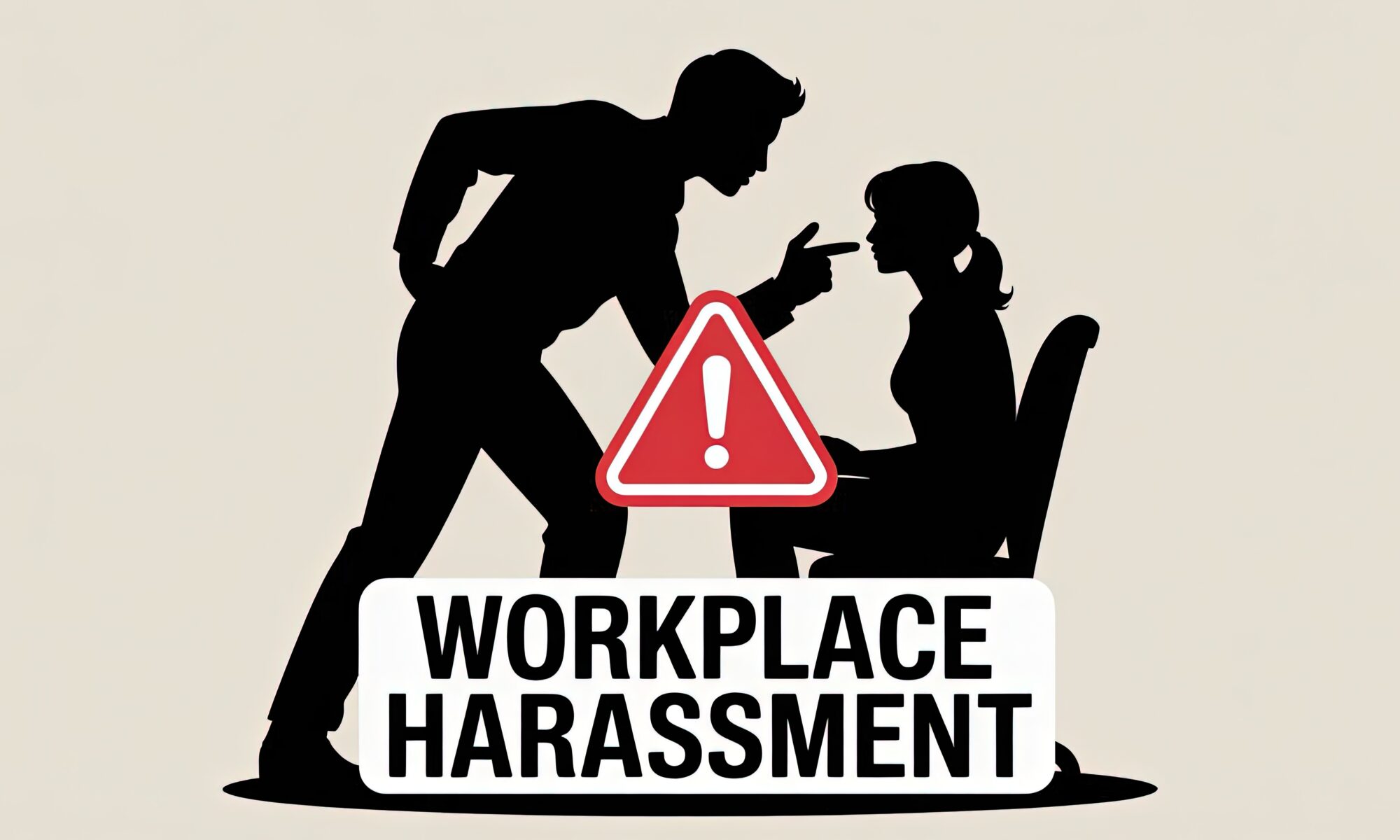
Hostile Work Environment Laws: A Guide for Employees

Workplace harassment creates an illegal hostile work environment. Consult Helmer Friedman LLP for more info.

Hostile Work Environment Laws: What You Need to Know

A workplace should be a space for professional growth and collaboration, not a source of fear and discomfort. Yet, for many employees, the daily reality is far from this ideal. When unwelcome conduct based on protected characteristics like race, sex, or religion becomes so severe that it creates an intimidating or abusive atmosphere, it crosses a legal line, becoming a hostile work environment. Such an environment not only corrodes morale and productivity but also has significant legal implications for employers who fail to prevent it.

Understanding the legal framework that defines and governs a hostile work environment is the first step toward safeguarding employee rights and ensuring corporate accountability. This guide will walk you through the essential laws, what constitutes illegal harassment, and the steps both employees and employers can take to address and prevent it.

The Legal Framework Defining Workplace Hostility

Both federal and state laws establish the legal basis for what constitutes a hostile work environment. These statutes are designed to protect employees from discrimination and harassment based on specific, protected characteristics.

Federal Law: Title VII of the Civil Rights Act

At the federal level, the primary law is Title VII of the Civil Rights Act of 1964. This landmark legislation prohibits employment discrimination based on race, color, religion, gender, and national origin. It applies to employers with 15 or more employees. Over the years, its protections have been expanded through court rulings and other laws, such as the Americans with Disabilities Act (ADA) and the Age Discrimination in Employment Act (ADEA), to include disability and age (40 and over).

State Law: California’s Fair Employment and Housing Act (FEHA)

Many states have their own anti-discrimination laws that often provide broader protections than federal law. In California, the Fair Employment and Housing Act (FEHA) is a powerful tool for employees. FEHA prohibits harassment based on a wide range of protected categories and applies to all employers, regardless of size. Crucially, FEHA mandates that employers “take reasonable steps to prevent and correct wrongful (harassing, discriminatory, retaliatory) behavior in the workplace.”

The EEOC’s Definition of Harassment

The U.S. Equal Employment Opportunity Commission (EEOC) is the federal agency responsible for enforcing anti-discrimination laws. The EEOC defines harassment as unwelcome conduct that is based on a protected characteristic. This conduct becomes unlawful where:

  1. Enduring the offensive conduct becomes a condition of continued employment, or
  2. The conduct is severe or pervasive enough to create a work environment that a reasonable person would consider intimidating, hostile, or abusive.

This “severe or pervasive” standard is critical. It means that a single, minor incident or an offhand comment is typically not enough to be illegal. Instead, the behavior must be persistent or so egregious that it fundamentally alters the employee’s work environment.

What Constitutes a Hostile Work Environment?

Not all unpleasant workplace behavior is illegal. For conduct to be considered legally hostile, it must be both unwelcome and pervasive or severe. The behavior must be subjectively abusive to the person affected and objectively hostile to a reasonable person in the same situation.

Examples of prohibited behaviors that can contribute to a hostile work environment include:

  • Verbal Conduct: This includes telling racist or sexist jokes, using derogatory slurs or epithets, making degrading comments about an individual’s body, or issuing verbal threats. It also covers verbal abuse, mockery, and unwelcome sexual advances.
  • Physical Conduct: Unwelcome touching, physical assault, and impeding or blocking an employee’s movement are clear examples of prohibited physical conduct.
  • Visual Displays: Displaying sexually suggestive or racially insensitive objects, pictures, cartoons, or posters can create a hostile environment. This includes imagery with a sordid history, such as swastikas or nooses.

Courts consider several factors when determining if conduct is severe or pervasive, including the frequency and severity of the conduct, whether it was physically threatening or humiliating, and whether it unreasonably interfered with an employee’s work performance.

Common Types of Workplace Harassment

Harassment that creates a hostile work environment can manifest in several forms, often tied to a specific protected category.

  • Sexual Harassment: This includes unwanted sexual advances, requests for sexual favors, and other verbal or physical conduct of a sexual nature. It can take the form of quid pro quo harassment, where an employment decision is based on an employee’s submission to or rejection of sexual advances, or it can create an offensive environment through pervasive, unwelcome sexual comments or actions.
  • Racial Harassment: This involves discriminatory conduct based on a person’s race or ethnicity. It can range from racial slurs and offensive remarks to displaying symbols associated with racial hatred.
  • Religious Harassment: Treating an employee unfavorably because of their religious beliefs, or making offensive remarks about their religion, constitutes religious harassment. This also includes an employer’s failure to provide reasonable accommodations for an employee’s religious practices.
  • Other Protected Categories: Harassment based on age, disability, national origin, sexual orientation, or gender identity is also prohibited and can form the basis of a hostile work environment claim.

Employer Responsibilities to Prevent Harassment

Under laws like the Fair Employment and Housing Act (FEHA), employers have an affirmative duty to prevent harassment. This requires proactive measures, not just reactive responses. An effective anti-harassment program includes:

  • A Clear, Written Policy: Employers must have a comprehensive anti-harassment policy that is easy to understand and regularly distributed to all employees.
  • Mandatory Training: California law requires employers to provide regular harassment prevention training for all employees, with specialized training for supervisors.
  • A Fair Complaint Process: There must be a clear and accessible procedure for reporting harassment.
  • Prompt and Thorough Investigations: When a complaint is made, employers must conduct a prompt, impartial, and thorough investigation. This helps stop the behavior and sends a message that the company takes harassment seriously.
  • Appropriate Remedial Action: If an investigation confirms misconduct, the employer must take prompt remedial action that is designed to stop the behavior and prevent its recurrence.

Employee Rights and Legal Recourse

If you are experiencing harassment at work, creating a hostile work environment, you have rights and several options.

  • Report the Harassment: The first step is often to report the conduct internally to your supervisor, a designated HR representative, or anyone in your supervisory chain. Your employer cannot fix a problem it doesn’t know about.
  • Document Everything: Keep a detailed record of every incident of harassment. Note the date, time, location, what was said or done, and who was present. Save any emails, texts, or other physical evidence.
  • Legal Recourse: If your employer fails to take action, you can file a complaint with a government agency like the DFEH in California or the federal EEOC. You also have the right to file a lawsuit against your employer. Remedies for a successful claim can include reinstatement to your job, back pay, and damages for emotional distress.

It is illegal for an employer to retaliate against an employee for reporting harassment or participating in an investigation.

The Damaging Impact of a Hostile Workplace

The consequences of a hostile work environment are severe for both employees and employers. For employees, the emotional and psychological toll can be devastating, leading to anxiety, depression, and other stress-related health issues. For employers, the costs can be immense, including legal fees, settlement payouts, decreased productivity, and damage to the company’s reputation.

Take Action to Protect Your Rights

No one should have to endure a hostile work environment. Understanding your rights is the first step toward holding employers accountable and ensuring workplaces are safe and respectful for everyone. If you believe you are a victim of workplace harassment, it is crucial to seek professional legal guidance.

The attorneys at Helmer Friedman LLP are dedicated to fighting for the rights of employees who have been subjected to discrimination and harassment. We offer confidential consultations to help you understand your options and take the next step. Contact Helmer Friedman LLP today to speak with an experienced employment lawyer.

Kevin Kish Appointed Director of the Department of Fair Employment & Housing

Governor Jerry Brown tapped one of the state’s top young labor lawyers, Kevin Kish, 38, to be director of California’s Department of Fair Employment and Housing (DFEH), the largest civil rights agency in the nation. He replaces Phyllis Cheng, a 2008 Schwarzenegger appointee who resigned in October.

Kish graduated with a Bachelor of Arts degree in sociology/anthropology from Swarthmore College and graduated with a Juris Doctor from Yale Law School in 2004. He was admitted to the State Bar of California later in the year.

After graduating law school, Kish, a Democrat, joined Bet Tzedek Legal Services in Los Angeles, one of the nation’s premier public interest law firms. He left in 2005 to clerk for U.S. District Myron Thompson for the Middle District of Alabama for a year, but returned to the firm in 2006 after receiving a Skadden Fellowship. The Los Angeles Times described the Skadden Foundation as “a legal Peace Corps.”

Two years later, Kish became director of the firm’s Employment Rights Project, leading its employment litigation, policy and outreach initiatives. He focused on illegal retaliation against low-wage workers and cases involving human trafficking. But the firm handles a broad range of cases involving consumer rights, elder law, housing and public benefits.

In 2011, Kish was co-counsel in a class-action lawsuit that won a $1million settlement for Los Angeles carwash workers over wage theft.  Four carwash company owners agreed to compensate around 400 workers for routinely working 10-hour days for less than half the minimum wage. Some of the workers toiled for just tips.

Kish and lawyers from two other firms won a $21 million settlement from Walmart contractor Schneider Logistics Transloading and Distribution Inc. in May over the retailer’s alleged abuse of minimum wage and overtime payments to warehouse workers in Eastvale, California. The National Law Review found the settlement amount “staggering” but said its true significance lay in the “courts’ willingness to untangle multi-level business operations and hold all involved entities liable for wage and hour violations.”

Kish has been an adjunct professor of law at Loyola Law School in L.A. since 2012. He developed and teaches a seminar and clinical course for students to “investigate, mediate and recommend outcomes for employment retaliation claims.”
He speaks Spanish, Italian and French.

 
To Learn More:
Law Professor Chosen to Take over California Department of Fair Employment and Housing (by Jeremy B. White, Sacramento Bee)

http://www.allgov.com/usa/ca/news/appointments-and-resignations/director-of-the-department-of-fair-employment-and-housing-who-is-kevin-kish-141230?news=855224