
Protecting American Workers from Discrimination
When we consider workplace discrimination, our thoughts often gravitate toward the challenges faced by minority groups in terms of race, gender, or religion. However, it’s important to recognize that the legal frameworks in place to ensure fair treatment in the workplace, especially Title VII of the Civil Rights Act of 1964, encompass much broader protections. One significant but frequently overlooked aspect of this law is the protection against national origin discrimination.
For many professionals, the painful realization that they have been overlooked, sidelined, or let go in favor of foreign workers can be devastating. This experience strikes at the very heart of their financial security and professional self-worth. It’s crucial to understand that the protections against national origin discrimination also extend to U.S. citizens. Acknowledging this can empower individuals to stand up against unjust bias and advocate for their rights with confidence.
What is National Origin Discrimination?
National origin discrimination is a pressing issue that affects many individuals in the workplace, often causing significant distress. It occurs when an employer treats an applicant or employee unfavorably solely because of the applicant’s or employee’s country of origin. While discussions around this topic often highlight the importance of protecting immigrants, it’s essential to recognize that the Equal Employment Opportunity Commission (EEOC) makes it clear that these protections extend to all national origin groups, including those from the United States.
Under federal law, no one should face unfair treatment or preferential treatment in the workplace because of their background. This means it’s illegal for employers to favor foreign workers over American workers, including when decisions are made based on visa status. If an employer allows their preferences for workers from specific countries, or those holding certain visas like H-1B, to influence hiring, firing, or pay scales, they may unfortunately be violating Title VII. It’s crucial for everyone to be treated fairly and with respect, regardless of their origins.
Types of Discrimination Against American Workers
Discrimination can be subtle, hiding behind corporate jargon, or it can be brazenly open. For American workers, bias often manifests in specific patterns that disadvantage them compared to their foreign counterparts.
Discriminatory Job Advertisements
One of the most visible forms of discrimination appears before a worker is even hired. Title VII strictly bars discriminatory job advertisements. An employer cannot publish job postings that indicate a preference for or requirement of applicants from a particular country or with a particular visa status.
For example, advertisements that state “H-1B preferred” or “H-1B only” are red flags. These postings suggest that the employer has already decided to exclude U.S. workers from consideration, regardless of their qualifications. By actively discouraging American applicants, companies create an uneven playing field that violates federal law.
Unequal Treatment
Unequal or Disparate treatment refers to intentional discrimination where an employer treats individuals differently based on a protected characteristic. This often happens among American workers during recruitment or termination processes.
- Hiring Barriers: Employers may erect artificial barriers to make it more difficult for American applicants to apply. For instance, during the PERM labor certification process—a step companies take to hire foreign workers permanently—some employers may subject U.S. workers to more burdensome application requirements than H-1B visa holders, effectively discouraging them from pursuing the role.
- Termination and “The Bench”: Disparate treatment also occurs in firing decisions. In the IT and staffing sectors, workers often face time on “the bench” between assignments. Evidence of discrimination exists if a company terminates American workers on the bench at a much higher rate than it terminates visa guest workers in the same situation.
Harassment
Workplace harassment based on national origin is strictly prohibited. This goes beyond simple teasing; it becomes illegal when it is so frequent or severe that it creates a hostile or abusive work environment, or when it results in an adverse employment decision (such as being fired or demoted).
American workers might face unwelcome remarks about their work ethic compared to foreign nationals, or be subjected to derogatory comments about their “American” communication style or cultural background. When this conduct permeates the workplace, it creates an atmosphere of intimidation that the law does not tolerate.
Retaliation
Perhaps the most insidious form of misconduct is retaliation. Title VII prohibits employers from punishing an individual for engaging in a “protected activity.” Protected activities include:
- Objecting to national origin discrimination.
- Filing a charge with the EEOC.
- Participating in an investigation.
If an American worker speaks up about a policy they believe favors foreign workers and is subsequently fired, demoted, or ostracized, the employer may be liable for retaliation. This charge can sometimes be easier to prove than the underlying discrimination itself.
What Doesn’t Excuse Discrimination?
Employers often attempt to justify discriminatory practices using business rationale. However, the law is clear that specific “business reasons” do not excuse hiring foreign workers over American citizens.
Customer Preference: An employer cannot claim that their clients prefer working with individuals from a specific country or those with specific visas. Customer bias is not a legal defense for discrimination.
Cost of Labor: The desire to save money does not override civil rights. Employers cannot justify displacing American workers simply because foreign labor is cheaper, whether that is due to abuse of visa-holder wage rules or “under the table” payments.
Stereotypes about Work Ethic: Beliefs that workers from a specific national origin are “more productive,” “harder working,” or possess a “better work ethic” than Americans are based on stereotypes. Using these generalized beliefs to make employment decisions is unlawful.
Real-World Examples: The Chivas USA Case
These protections are not theoretical; they are enforced in courts of law. A prominent example involving allegations of anti-American and anti-non-Latino discrimination is the lawsuit filed against the Major League Soccer organization, Chivas USA.
Two former youth academy coaches, Daniel Calichman and Theothoros Chronopoulos, filed a lawsuit alleging they were fired because they were “neither Mexican nor Latino.” The coaches, described in the complaint as “Caucasian, non-Latino Americans,” were former members of the U.S. National Team.
According to the complaint, after Jorge Vergara Madrigal acquired full ownership of Chivas USA, the organization began implementing an ethnocentric policy similar to the “Mexican-only” policy of its counterpart team, Chivas de Guadalajara. The lawsuit alleged that Vergara stated at a staff meeting, “If you don’t speak Spanish, you can go work for the Galaxy, unless you speak Chinese, which is not even a language.”
The plaintiffs claimed they were asked to provide ethnic data on youth players, and when they complained about the discriminatory environment to HR, no investigation was conducted. Instead, they were fired shortly after. This case highlights how leadership changes can lead to discriminatory shifts in culture and policy, and how American workers can find themselves targeted based on their national origin and race.
Filing a Charge with the EEOC
If you believe you have been a victim of national origin discrimination, you cannot immediately sue in federal court. You must first file a charge of discrimination with the U.S. Equal Employment Opportunity Commission (EEOC).
The attorneys at Helmer Friedman LLP can guide you through this complex process, ensuring your claim is filed correctly and on time. The EEOC investigates these charges and, in some instances, may file a lawsuit on your behalf. However, it is crucial to act quickly. There are strict time limits—generally 180 calendar days from the day the discrimination took place (extended to 300 days in some cases)—and missing these deadlines can result in a permanent loss of your legal rights. Contacting our firm can help you navigate these critical first steps.
Protecting Your Rights
Discrimination against American workers is a serious violation of federal law. Whether it manifests as a job ad that excludes you, a layoff that targets you while retaining visa holders, or a hostile work environment, you have the right to work in an environment free from bias.
Navigating the complexities of Title VII and EEOC procedures requires experience and tenacity. If you suspect you have been discriminated against based on your national origin, do not face it alone. Contact Helmer Friedman LLP today for a confidential consultation to discuss your situation and explore your legal options.

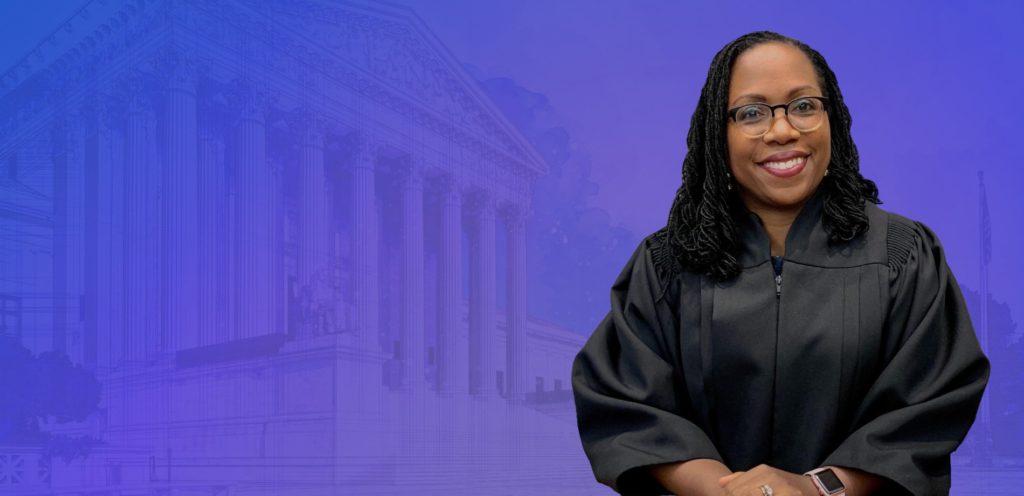 Justice Ketanji Brown-Jackson eloquently articulated the Court’s position, pointing out that the previous rule placed an unwarranted evidentiary burden on majority-group plaintiffs and strayed from the foundational texts and historical applications of Title VII. This decision highlights that claims of discrimination should be assessed on a level playing field, emphasizing the importance of protecting all individuals, as reinforced by the Court’s earlier ruling in Bostock v. Clayton County (2020).