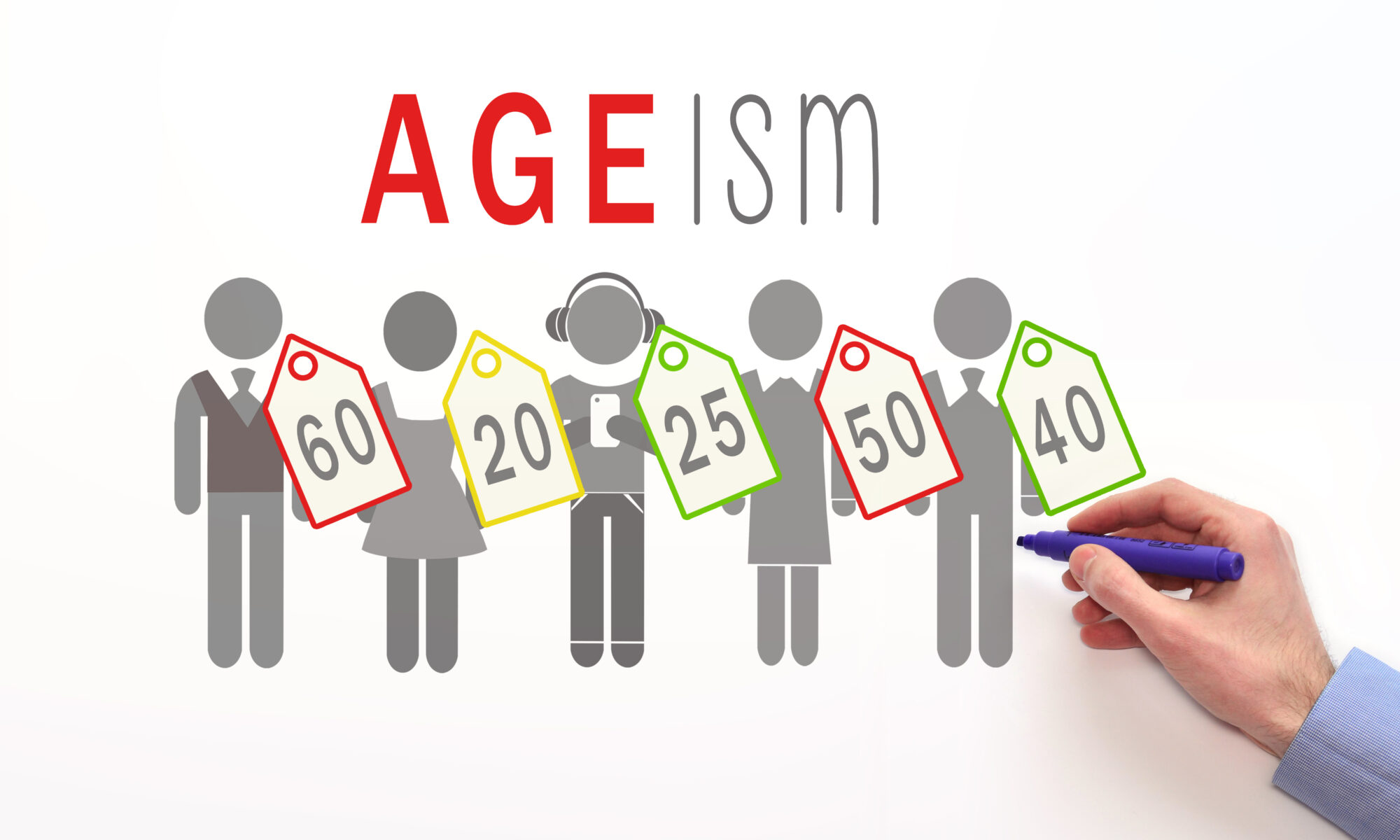

The $103 Million Verdict: Age Discrimination in the Workplace

Laws protect against age, gender, race discrimination. Helmer Friedman LLP represents discrimination victims.

The $103 Million Wake-Up Call: Age Discrimination in the Workplace

For thirty-one years, Joy Slagel was a loyal employee. She built a career, managed cases, and even won awards for her customer service. But in the corporate world, three decades of experience doesn’t always guarantee respect—sometimes, it paints a target on your back. After a leadership change in 2012, the atmosphere at her workplace shifted. Older colleagues began disappearing, forced into resignation or fired outright. Slagel found herself isolated, criticized for “setting the bar too high,” and eventually terminated without explanation after returning from medical leave.

Her story isn’t an anomaly, but the outcome was historic. A Los Angeles jury recently ordered her former employer, Liberty Mutual Insurance Co., to pay $103 million in damages. The verdict sends a thunderous message to boardrooms across America: discriminating against older workers is not just unethical; it is a massive financial liability.

Age discrimination remains a pervasive, often silent issue in the modern workforce. While we frequently discuss diversity in terms of race and gender, age bias often flies under the radar until it causes irreparable harm to careers and health. Whether it manifests as a subtle comment about “fresh energy” or a blatant firing of senior staff, ageism is illegal, harmful, and costly.

Federal Age Discrimination Laws

Understanding the Age Discrimination in Employment Act (ADEA)

At the federal level, the primary shield against this bias is the Age Discrimination in Employment Act of 1967 (ADEA). This law explicitly protects individuals who are 40 years of age or older from employment discrimination based on age. It applies to both employees and job applicants.

Under the ADEA, it is unlawful to discriminate against a person because of their age with respect to any term, condition, or privilege of employment. This is a broad umbrella that covers nearly every aspect of the working relationship, including:

  • Hiring: Employers cannot refuse to hire a candidate simply because they are over 40.
  • Firing and Layoffs: Targeting older workers for redundancy during restructuring is prohibited.
  • Compensation and Benefits: Older workers cannot be paid less or denied benefits offered to younger counterparts.
  • Promotions and Training: denying career advancement or upskilling opportunities based on age is illegal.

The law applies to employers with 20 or more employees, including employment agencies, labor organizations, and federal, state, and local governments. Additionally, the Older Workers Benefit Protection Act (OWBPA) amended the ADEA to prohibit employers from denying benefits to older employees, recognizing that the cost of providing benefits should not be used to discourage hiring experienced talent.

California Age Discrimination Laws

Fair Employment and Housing Act (FEHA)

The Fair Employment and Housing Act (FEHA) is a California law that offers strong protections against age discrimination for individuals aged 40 and older. Under FEHA, age discrimination occurs when an employer treats a job applicant or employee less favorably because of age. This can include actions such as denying promotions, terminating employment, or refusing to hire someone solely based on their age. FEHA applies to employers with five or more employees and requires that all workplace decisions be based on merit and qualifications rather than age. Additionally, FEHA prohibits practices like including age preferences in job advertisements or enforcing seemingly neutral policies that disproportionately affect older workers without legitimate, non-discriminatory reasons. This law serves as a crucial safeguard, ensuring that older employees are treated fairly and have equal opportunities in the workplace.

While the Fair Employment and Housing Act (FEHA) and the Age Discrimination in Employment Act (ADEA) offer similar federal safeguards, they aim to prevent age discrimination but differ in scope and application. FEHA applies to employers with five or more employees and includes broader protections against various types of discrimination beyond age discrimination. In contrast, the ADEA specifically addresses age discrimination and applies to employers with 20 or more employees, making its coverage threshold stricter.

Another key distinction between the two laws is the age group protected. Under the ADEA, the law specifically protects individuals aged 40 and older from discrimination. FEHA, however, doesn’t explicitly set a minimum age but prohibits age-based discrimination more generally, which may allow for a broader interpretation within California. Additionally, claims under the ADEA are typically filed with the Equal Employment Opportunity Commission (EEOC), while FEHA claims are processed through the California Civil Rights Department (CRD). This emphasizes the overlap yet distinct processes these laws provide. Together, FEHA and ADEA establish a comprehensive framework to protect workers from age discrimination, especially in jurisdictions like California, where state and federal regulations intersect.

How Age Discrimination Manifests in Real Life

Bias rarely announces itself with a megaphone. Instead, it often creeps into the workplace through coded language and subtle exclusions. While the law is clear, the application of discrimination can be murky.

In hiring, it might look like job postings that seek “digital natives” or caps on years of experience, effectively filtering out older applicants before they even apply. In the office, it can be social exclusion—being left out of meetings, overlooked for challenging assignments, or subjected to “jokes” about retirement or adaptability to technology.

The most damaging forms often occur during restructuring. Companies looking to cut costs often target higher-salaried employees, who tend to be older workers with long tenure. If a layoff disproportionately affects those over 40, it may violate the ADEA.

Similarly, promotions may be withheld under the guise that an older employee “lacks long-term potential” or “isn’t a cultural fit,” phrases that often serve as smokescreens for bias.

Anatomy of a Verdict: The Liberty Mutual Case

To understand the severity of age discrimination, one need look no further than the recent case against Liberty Mutual. The details, as presented in court, paint a disturbing picture of a systematic effort to push out older workers.

According to court filings, the environment at Liberty Mutual shifted dramatically around 2012 following the promotion of a new regional claims manager, Ariam Alemseghed. The complaint alleged that a pattern emerged where employees in their 50s and 60s were forced to resign. Eventually, of the approximately 120 employees in the department, only two were over 40. Joy Slagel was one of them.

The harassment Slagel endured was calculated. Despite a spotless 30-year record, she was suddenly criticized for being a bad team player. The complaint detailed how she was ignored during morning greetings and singled out during meetings. When she won a customer service award and a $1,000 gift for her exemplary work, the regional manager allegedly undercut the achievement by telling her she “got lucky” and that it “would never happen again.”

The stress of this hostile environment took a physical toll. Slagel’s blood pressure worsened, forcing her to take a short-term disability leave. While she was away, the company sent a courier to retrieve her laptop—an unusual move that foreshadowed her fate. Upon her return, her access badge had been deactivated. She was called into a conference room and fired, effective immediately. She was replaced by a white male in his late 20s.

The jury’s verdict—$20 million in compensatory damages and $83 million in punitive damages—was a direct rejection of these tactics. Justin Shegerian, the lead trial attorney, stated that the verdict is a “resounding message” that juries will hold employers accountable for such harm.

Strategies for Employees Facing Discrimination

If you suspect you are being targeted because of your age, it can feel isolating. However, there are steps you can take to protect yourself and build a potential case.

Document Everything

Paper trails are essential. Keep a detailed record of discriminatory comments, exclusion from meetings, or sudden negative shifts in performance reviews that contradict your actual output. In the Liberty Mutual case, the timeline of events—from the leadership change to the specific comments made during the award ceremony—helped establish a pattern of behavior.

Know Your Rights Regarding Waivers

Employers sometimes ask departing employees to sign waivers releasing the company from ADEA claims, often in exchange for a severance package. Under the OWBPA, these waivers must meet strict standards to be valid. You must be given at least 21 days to consider the agreement and seven days to revoke it after signing. Most importantly, you should be advised in writing to consult an attorney. Do not sign away your rights without legal counsel.

Oppose the Behavior

Retaliation for opposing discriminatory practices is illegal. If you report age discrimination to HR or file a charge, and your employer punishes you for it, that retaliation is a separate legal violation.

For employers, the $103 million verdict against Liberty Mutual should serve as a stark warning. The costs of age bias extend far beyond legal fees; they damage reputation, morale, and institutional knowledge.

“This verdict is a resounding message to corporations nationwide: age discrimination is illegal, it is harmful and juries will hold employers accountable,” Justin Shegerian, lead trial attorney and founder of Shegerian & Associates, said in a statement.

Preventing discrimination starts with culture. Employers must ensure that performance reviews are based on objective metrics, not subjective feelings that can mask bias. Leadership training is crucial—managers need to understand that comments about “fresh blood” or “digital natives” can be evidence of discriminatory intent.

Furthermore, audits of hiring and firing practices can reveal statistical anomalies before they become lawsuits. If a reduction in force impacts 80% of your workforce over 50, you have a problem. Building an inclusive workplace means valuing experience as an asset, not a liability.

Upholding Dignity in the Workforce

Joy Slagel gave 31 years to a company that ultimately treated her as disposable. The jury’s decision to award her over $100 million restores a measure of justice, but it cannot undo the stress and indignity she suffered.

Age discrimination is not merely a legal issue; it is a human one. We will all age. Creating a workplace that respects tenure and experience protects everyone’s future. Whether you are an employee facing bias or an employer seeking to avoid liability, understanding the high stakes of age discrimination is the only way forward.

Widespread Age Discrimination

Disability discrimination, age discrimination lawyers in Los Angeles, Helmer Friedman LLP.

It’s vital to engage in open and heartfelt discussions about an issue that truly impacts many in our workforce: age discrimination. It’s particularly significant that workers aged 65 and older are now the fastest-growing segment of the U.S. workforce, with those over 75 not far behind. Acknowledging and addressing the unique challenges they face is essential. The U.S. Bureau of Labor Statistics projects a staggering 78% increase in workers aged 75 and above, and a 25% rise in those aged 65 to 74 by 2030. Yet, despite these encouraging trends, ageism continues to be a pervasive issue. A recent AARP survey found that 9 out of 10 individuals aged 50 and older feel that age discrimination is widespread, with nearly two-thirds having either experienced it personally or witnessed it firsthand.

9 out of 10 individuals aged 50 and older feel that age discrimination is widespread, with nearly two-thirds having either experienced it personally or witnessed it firsthand.

The California Civil Rights Department (CRD) highlights the importance of legal protection for workers aged 40 and above under the Fair Employment and Housing Act (FEHA). This important legislation aims to shield experienced candidates from being overlooked, to discourage biased language in job postings, and to promote a nurturing workplace culture that values age diversity.

The experience and reliability that come with age are irreplaceable assets any organization can cherish. Workers over 40 bring a wealth of knowledge and insights gained through years of navigating complex business landscapes and adapting to the ever-changing economic and technological tides. Contrary to common stereotypes, these individuals are often incredibly dependable, deeply committed, and remarkably adaptable. However, despite their valuable contributions, many face various forms of age discrimination, including unequal pay, limited promotional opportunities, biased hiring practices, and unfair terminations.

A recent court ruling serves as a poignant reminder of the real-world impacts of age discrimination. CrossCountry Mortgage was ordered to pay over $2.1 million in damages following a jury and appeals court decision favoring Cheryl Shephard, a dedicated senior accountant who was let go at age 65 in June 2022. Cheryl believed her dismissal was rooted in her age rather than her work performance. The court found inconsistencies in CrossCountry’s reasoning and acknowledged violations of the Older Workers Benefit Protection Act. This case underscores the urgent need for compassion and fairness in our workplaces.

Creating change to eliminate age discrimination calls for awareness and decisive action from organizational leadership. Companies need to embrace unbiased recruitment practices, remove ageist language from job descriptions, and cultivate inclusive environments that genuinely appreciate the strength that diversity, including age diversity, brings. Providing training for managers to recognize and challenge age biases, along with fostering mentorship and skill development opportunities, can create more equitable workplaces where everyone feels valued.

If you or someone you know has faced age discrimination, it’s important not to stay silent. Reach out to the appropriate authorities and consider seeking guidance from an experienced employment lawyer who can help you understand your rights. By standing together against age discrimination, we can foster workplaces where talent and experience are embraced and celebrated, regardless of age. It’s time to fully appreciate the immense value that older workers bring to our organizations and honor their important contributions.

Physician Shortage & Age Discrimination in Medicine

Age discrimination lawyers Los Angeles, Helmer Friedman LLP.

The Physician Shortage and Age Discrimination in Medicine: A Crisis in Healthcare

The United States is on the brink of a healthcare crisis, with a projected physician shortage that will only worsen as the population grows and ages. At the same time, another issue that threatens to exacerbate this shortage but receives far less attention is age discrimination in medicine. Senior physicians often possess unparalleled expertise and experience, yet many are being pushed out of the workforce prematurely due to implicit or overt biases. To address the impending physician shortfall, the medical community must also confront the invisible force of ageism.

This blog explores the physician shortage, its root causes, and age discrimination’s destructive role in compounding the problem. We’ll also discuss actionable solutions to ensure the U.S. healthcare system remains resilient now and in the future.

The Physician Shortage in the U.S.

A recent Association of American Medical Colleges (AAMC) report reveals troubling statistics. By 2036, the U.S. could be short up to 86,000 physicians, including both primary care doctors and specialists. The demand for medical professionals is being driven by two primary factors:

  • An Aging Population: By 2036, the population of Americans aged 65+ is expected to grow by 34.1%, leading to increased healthcare needs. Older adults require significantly more medical care, placing immense pressure on an already overburdened system.
  • Unequal Access to Care: Rural and underserved areas face significant disparities. If these populations accessed care at the same rate as others, the U.S. would have required 202,800 additional physicians in 2021 alone, according to the AAMC report.

The shortage impacts more than just wait times for doctor appointments. It threatens the foundation of equitable healthcare, leaving millions without adequate access to critical medical services.

Age Discrimination in Medicine

While the physician shortage dominates headlines, ageism in medicine quietly worsens the crisis. According to an AMA study, nearly two-thirds of physicians aged 65 or older report experiencing ageism in their careers. Another 18.8% of senior physicians report being dismissed or treated as irrelevant solely because of their age.

How Ageism Manifests:

  • Loss of Responsibilities: 4.5% of senior physicians have had their job roles or duties revoked simply because of their age.
  • Pressure to Retire: 4.2% of senior doctors report feeling pressured by employers or patients to retire, even when fully competent and eager to continue practicing.
  • Assumptions of Cognitive Decline: Some teams assume older physicians are cognitively less capable, despite evidence to the contrary.
  • Preference for Younger Physicians: Senior doctors often find opportunities restricted or attributed to younger colleagues, despite their wealth of wisdom and institutional knowledge.

These recurring experiences underscore a systemic issue in the medical field that cannot go unaddressed.

Real Stories from Senior Physicians

One physician in the AMA study noted that younger colleagues ” consistently disregarded” their opinions. Over time, they realized the lack of respect was tied not to their expertise but to their age. Another physician recounted feeling that residents “did not respect their decisions” or value their contributions despite decades of experience.

These stories are far from isolated. Ageism against senior physicians is demoralizing and actively harms the healthcare system.

The Impact of Ageism on the Physician Workforce

Driving senior physicians out of the workforce prematurely has far-reaching consequences. Here’s how age discrimination amplifies the physician shortage:

  1. Loss of Expertise: With decades of accumulated knowledge and experience, senior physicians are invaluable for patient care and mentoring younger doctors. Their early exit leaves a void that is difficult to fill.
  2. Reduced Workforce Numbers: Forcing capable older physicians into retirement further diminishes an already strained workforce. The physician shortage is not merely about recruitment; retention is equally critical.
  3. Undermining Patient Care: Patients can benefit significantly from the expertise and emotional intelligence of senior physicians who’ve spent years perfecting their clinical judgment.

Consequences for Healthcare Delivery

Ageism doesn’t just harm physicians. It also poses a significant public health risk. Research shows that age discrimination correlates with declines in physical and mental health, from stress and anxiety to adverse outcomes caused by staffing shortages. When senior physicians are involuntarily retired or alienated, underserved communities suffer even more, as the remaining workforce struggles to meet demand.

Addressing Ageism in Medicine

There are no quick fixes to this complex issue, but solutions exist. Here’s what the medical field can do to combat ageism:

  1. Acknowledge the Problem: The AMA report emphasizes that the first step is recognizing that ageism is real and pervasive. Without awareness, systemic change isn’t possible.
  2. Policy Reforms: Revisiting policies that favor younger healthcare workers or dismiss competent senior physicians will create equity. For example, standardized evaluations rather than assumptions based on age can more fairly assess a physician’s capabilities.
  3. Inclusive Workplaces: Establishing age-friendly environments and encouraging multigenerational teams fosters collaboration and mutual respect. Organizations must also adopt zero-tolerance policies for age discrimination.
  4. Education and Advocacy: Adding ageism awareness to medical school and residency training can help change long-standing cultural biases.

Legislative Efforts to Combat Shortages

Expanding residency opportunities remains a critical policy challenge. Although the Resident Physician Shortage Reduction Act, which aimed to create 14,000 new residency positions over seven years, received bipartisan support in Congress, it was not passed. Increasing funding for graduate medical education (GME) remains a vital alternative to address physician shortages and ensure equitable opportunities for all physicians, regardless of age.

The Dual Solution: Tackling Both Shortages and Ageism

Addressing the physician shortage without tackling age discrimination is like patching a sinking ship without fixing the holes. Senior physicians aren’t just placeholders in the workforce; they’re indispensable assets. By fostering an inclusive, respectful environment that avoids biases tied to age, healthcare organizations can better retain skilled professionals and improve patient outcomes.

Hospitals, medical institutions, and advocacy groups all have a role in ensuring that physicians of all ages can thrive and provide quality healthcare for future generations.

Facing Ageism? Here’s Your Next Step

If you’re a senior physician or healthcare worker facing ageism or forced retirement, this isn’t an issue you must endure alone. Consulting an experienced discrimination attorney can help you understand your rights and explore your options.

Schedule a free consultation today to reclaim your voice in the workplace and continue making a difference in patients’ lives.

Age Discrimination in the Workplace: Protecting Older Adults

Age discrimination is illegal, intentionally inflicts emotional distress. Contact the Age Discrimination Lawyers Helmer Friedman LLP for help.

In the modern workplace, diversity and inclusion have assumed paramount importance, and rightly so. As an HR professional, a mature employee, or a seasoned job seeker, it’s crucial to understand the laws and protections in place to combat ageism. With the rise in remote work and a concerted effort to create equitable work environments, age discrimination is more relevant than ever. Here, we explore how laws safeguard employees over 40, share significant age discrimination cases, and discuss the impact on mature workers and job seekers. We also provide strategies for HR professionals to prevent ageism and promote a more inclusive workforce.

Age Discrimination Laws: Know Your Rights

The ADEA in Context: An Essential Guide

The Age Discrimination in Employment Act (ADEA) is a civil rights law that protects workers and job applicants 40 or older from employment discrimination based on age. The ADEA applies to employers with 20 or more employees, labor organizations, employment agencies, and the federal government. It explicitly prohibits age discrimination in hiring, promotions, discharge, compensation, terms, conditions, and privileges of employment.

Notable Cases: Justice Prevails

Several high-profile cases have highlighted the prevalence of age discrimination and the legal recourse available. Organizations like J&M Industries and Pete’s Car Smart have been held accountable for wrongful terminations and discriminatory practices. In another instance, Scripps Clinical Medical Group faced the brunt of legal action after imposing a mandatory retirement age, thereby sidelining skilled professionals from the workforce.

$1,643,000.00 Arbitration Award Age Discrimination Case Mr. Greg Helmer of Helmer Friedman LLP obtained an award on behalf of an employee who had been discriminated against and harassed because of his age. At the time, the landmark arbitration award was reputed to be one of the largest ever received by an individual in a discrimination case. Needles v. 1928 Jewelry, Ltd., Mel Bernie & Co., et al.

Enlightening Settlements: A Financial Overview

J&M Industries: A Case Study in Age Discrimination

In a striking example of age discrimination, J&M Industries came under legal scrutiny for terminating an employee based on age, leading to a settlement of $105,000 with the Equal Employment Opportunity Commission (EEOC). As the employee neared her 65th birthday, management began questioning her retirement plans, which the employee declined, expressing her intent to continue working. Despite her clear communication, J&M Industries dismissed her, citing economic reasons and claiming her purchasing agent position was eliminated. However, this assertion was quickly undermined when, less than a month after her dismissal, a much younger male in his thirties was hired for the purportedly eliminated purchasing agent role—clear evidence that prompted the EEOC to take action.

Pete’s Car Smart: A Case of Costly Discrimination

In a definitive ageism case, Pete’s Car Smart faced legal consequences when they terminated an employee who had devoted 18 years to the company following a brief medical leave. The abrupt dismissal occurred despite years of dedicated service and was, as the courts found, a direct result of age discrimination. To resolve the suit filed under the ADEA, Pete’s Car Smart agreed to a settlement of $145,000, a costly reminder of the legal and moral imperative to uphold anti-discrimination practices in the workplace. The case has since been a touchstone in discussions about the rights of older employees and the need for vigilance against such prejudices in employment decisions.

Scripps Clinical Medical Group: An Expensive Lesson in Equality

Scripps Clinical Medical Group agreed to a substantial settlement of $6.875 million in a significant ruling that sent ripples throughout the healthcare industry. The settlement came in response to a charge of age and disability discrimination filed with the U.S. Equal Employment Opportunity Commission (EEOC). The medical group had enforced a mandatory retirement policy that required physicians to retire at a certain age, overlooking their actual capability to perform their duties. This blanket policy disregarded individual qualifications and abilities, effectively discriminating against a class of physicians solely based on age and, in some cases, disability. The hefty settlement marks one of the most notable resolutions in the healthcare sector and emphasizes the costly consequences of disregarding federal non-discrimination laws.

The Impact of Age Discrimination on Mature Employees

Stalled Career Progression and Unemployment

Age discrimination can significantly impede a mature employee’s career path. The lack of promotions and lay-offs due to age can disrupt a lifetime of work and dedication to an organization. Sadly, many employees find themselves unexpectedly unemployed with limited prospects for re-employment.

The Psychological Toll

Job insecurity and the perceived value placed on youth can lead to severe psychological stress, anxiety, and a sense of identity crisis among mature employees. These psychological effects not only impact individual employees but can also decrease workplace morale and job satisfaction.

Challenges Faced by Mature Job Seekers

Overcoming Age-Related Barriers

For job seekers over 40, the path to employment is rife with age-related hurdles. Some employers hold onto the stereotype that older workers are less adaptable to technology, less productive, or more expensive, leading to difficulties securing new employment opportunities.

Dispelling Misconceptions

Educating employers and challenging misconceptions about older workers is vital. Experience, wisdom, and loyalty are just a few of the many assets that older job seekers bring. It is vital to shift the narrative from one of burden to one of value and contribution.

The Role of HR Professionals in Combatting Ageism

Proactive Prevention Strategies

HR professionals are pivotal in creating a workplace culture that celebrates age diversity. By implementing policies that promote equal opportunities and fair treatment, they can set the standard for inclusiveness within the organization.

Training and Initiatives

Regular training on anti-discrimination laws coupled with diversity initiatives can help sensitize the workforce and prevent discriminatory practices. By fostering an environment where every employee feels valued, HR professionals can actively work to eliminate ageism.

Conclusion: A Call for Inclusivity

In conclusion, age discrimination is a serious issue that demands our attention. Employers and employees must advocate for inclusivity, respect, and fairness in the workplace. By understanding the laws, sharing in the victories of significant cases, and being cognizant of mature workers’ challenges, we can collectively work towards a future where age does not dictate professional worth. It is only through these collective efforts that we can create a workplace that is truly equitable and representative of the diverse talent pool available to us.

It is also important to note that age discrimination is a complex issue that may require legal intervention. If you or someone you know has been a victim of age discrimination, consider seeking legal advice from an experienced employment lawyer of Helmer Friedman LLP Age Discrimination Lawyers in Los Angeles. Together, we can help ensure that no one loses their job due to age.