To a Peaceful and Restorative Thanksgiving

Helmer Friedman LLP wishes you a Happy Thanksgiving.

As we approach this Thanksgiving, we take a moment to reflect on the principles that guide our work and the community we are proud to serve. This time of year offers a valuable opportunity to pause, gather with loved ones, and acknowledge the foundations of our collective strength and progress.

The pursuit of justice is a demanding endeavor, one that requires unwavering commitment and a clear-eyed view of the facts. Yet it is the human element—the stories of resilience, the fight for fairness, and the trust our clients and partners place in us—that truly fuels our purpose. We have witnessed firsthand the courage it takes to stand for what is right, and for that, we are profoundly grateful.

This Thanksgiving, we extend our deepest appreciation to you. Your partnership and belief in our mission are the cornerstones of our practice. We are honored to be your advocates and allies.

From all of us at Helmer Friedman LLP, we wish you and your families a peaceful and restorative Thanksgiving filled with warmth and gratitude.

Ephraim McDowell Health Settles Sex Discrimination Lawsuit

Constitutional rights, discrimination lawyers of Helmer Friedman LLP.

A Hospital’s $335K Lesson in Sex Discrimination

In a case that underscores the ongoing fight for workplace equality, a Kentucky-based healthcare system, Ephraim McDowell Health, Inc. (EMH), has agreed to a significant settlement following a lawsuit filed by the U.S. Equal Employment Opportunity Commission (EEOC). The case centered on allegations of blatant sex discrimination and subsequent retaliation against a female employee who was denied a promotion based on her gender. This incident serves as a stark reminder that discriminatory practices, no matter how subtly or overtly expressed, have no place in the modern workplace and carry severe legal and financial consequences.

The resolution of this case, which includes a $335,000 payment and mandatory policy changes, highlights the critical role of federal protections in safeguarding employee rights. For workers who face similar injustices, it demonstrates that there are legal avenues for recourse. It also sends a clear message to employers across all industries: promotion decisions must be based on qualifications and merit, not on outdated and illegal gender stereotypes.

Background of the Case

Ephraim McDowell Health, a healthcare system headquartered in Danville, Kentucky, found itself under scrutiny after a female employee, Shannon Long, was passed over for a promotion. The case was brought to the forefront by the EEOC, the federal agency responsible for enforcing laws against workplace discrimination.

The EEOC’s Indianapolis District Office, which has jurisdiction over Kentucky, initiated legal action after its attempts to resolve the matter through a pre-litigation settlement process, known as conciliation, were unsuccessful. The subsequent lawsuit detailed a clear violation of federal law, bringing the hospital’s hiring practices into the public and legal spotlight.

The Allegations: Sex Discrimination and Retaliation

The core of the EEOC’s lawsuit, filed on March 27, 2024, rested on a series of damning allegations against Ephraim McDowell Health and its leadership.

A Blatant Denial of Opportunity

According to the EEOC’s complaint, Shannon Long, a qualified female employee, sought a promotion to an administrator position at EMH’s Fort Logan Hospital in Stanford, Kentucky. She met all the necessary qualifications, including the educational requirements for the role.

However, she was allegedly told directly by the company’s CEO that she would not be selected for the position because of her sex. The lawsuit stated the CEO held a belief that “men work better with men and that it was best to have a male in that position.” Consequently, the promotion was given to a male employee who, according to the EEOC, did not meet the position’s existing education requirements. Long was instead placed in a lower-paying role that reported directly to the man who had been promoted over her.

Retaliation for Speaking Out

After being denied the promotion, Long filed a discrimination charge with the EEOC, exercising her right to report unlawful employment practices. The lawsuit charged that instead of addressing the issue, EMH retaliated against her. The retaliation culminated in her termination in December 2022, compounding the initial act of discrimination with a punitive and illegal response.

Legal Framework: Title VII of the Civil Rights Act

The actions alleged in the lawsuit are direct violations of Title VII of the Civil Rights Act of 1964. This landmark federal law prohibits employment discrimination based on race, color, religion, sex, and national origin. It specifically outlaws:

  • Sex-Based Discrimination: Making employment decisions, such as hiring, firing, and promotions, based on an individual’s gender. The CEO’s alleged statements are a textbook example of this prohibited practice.
  • Retaliation: Taking adverse action against an employee for engaging in a legally protected activity, such as filing a discrimination charge with the EEOC. Firing an employee after they have reported discrimination is one of the most severe forms of retaliation.

The EEOC’s lawsuit sought to hold Ephraim McDowell Health accountable for these violations and to secure justice for the affected employee.

The Settlement and Its Terms

On November 21, 2025, the EEOC announced that Ephraim McDowell Health had agreed to settle the lawsuit. The settlement demonstrates the gravity of the charges and the strength of the evidence against the healthcare system. Under the terms of the two-year consent decree, EMH agreed to:

  • Pay $335,000: This monetary relief will be paid to Shannon Long to compensate for the discrimination and retaliation she endured.
  • Provide Mandatory Training: The company is required to conduct equal employment opportunity training for its staff to prevent future incidents.
  • Report to the EEOC: EMH must provide annual reports to the EEOC to ensure compliance with the terms of the decree.
  • Post Employee Rights Notices: The hospital must display a notice informing employees of their rights under federal anti-discrimination law.

Kenneth Bird, the EEOC’s Indianapolis Regional Attorney, commented on the resolution, stating, “We appreciate Ephraim McDowell for working with us to resolve this litigation and agreeing to implement changes to prevent future hiring violations. These steps demonstrate a commitment to achieving a workplace free from discrimination and retaliation.”

A Firm Stance Against Workplace Injustice

This case is a powerful example of the EEOC’s unwavering commitment to its mission. When the lawsuit was initially filed, EEOC Indianapolis District Director Michelle Eisele affirmed, “The EEOC is firmly committed to ensuring that all workers have an equal opportunity for advancement.”

The timing of the lawsuit’s filing during Women’s History Month was not lost on the agency. Attorney Kenneth L. Bird noted its significance, stating, “Employers who use an employee’s gender as the basis for promotion decisions are clearly practicing unlawful discrimination… This lawsuit seeks to ensure that qualified female applicants will be judged by their education, experience, and other qualifications, and not passed over because of their gender.”

The settlement reinforces this message, demonstrating that the agency will vigorously pursue justice for victims of discrimination and hold employers accountable for their unlawful actions.

Protecting Your Rights in the Workplace

The Ephraim McDowell Health case is a critical reminder that sex discrimination remains a persistent issue. It also shows that legal protections are in place to fight back against such injustice. If you have experienced sex discrimination or have knowledge of unfair practices in your workplace, it is crucial to consult a reputable attorney with proven expertise in employment law.

Firms like Helmer Friedman LLP offer skilled legal advocacy to help address these injustices. With over 20 years of experience, a strong history of case victories, and a commitment to personalized client support, Helmer Friedman LLP can guide you through the legal process and work to secure the justice and compensation you deserve. Don’t hesitate to reach out for a confidential consultation to discuss your situation.

Wrongful Termination After Medical Leave: Know Your Rights

Suffering a heart attack is frightening. Laws protect from wrongful termination after serious illnesses.

When Medical Leave Ends in Wrongful Termination

An employee suffers a major health crisis, takes legally protected medical leave, and keeps their employer informed. Yet, upon recovery, they find their job has been terminated. This scenario is not just a hypothetical; it is an unfortunate reality for many workers. In the United States, an estimated 150,000 workers are illegally fired or retaliated against each year for taking family or medical leave. This act, known as wrongful termination, violates federal and state laws designed to protect employees during their most vulnerable times.

Wrongful termination occurs when an employer fires an employee for an illegal reason, such as discrimination or in retaliation for exercising a legal right. Laws such as the Family and Medical Leave Act (FMLA) and the Americans with Disabilities Act (ADA) provide crucial protections for employees who need time off for serious health conditions. Understanding these rights is the first line of defense against unlawful employment practices. This article will explore what constitutes wrongful termination after medical leave, examine a real-world case, and outline the steps you can take if you believe your rights have been violated.

Understanding Your Right to Medical Leave

Federal law provides a safety net for employees who need to take time off for significant health issues, either their own or a family member’s. The primary law governing this is the Family and Medical Leave Act (FMLA).

Eligibility and Rights Under the FMLA

The FMLA allows eligible employees of covered employers to take unpaid, job-protected leave for specified family and medical reasons. To be eligible, you must:

  • Work for a covered employer (private-sector employer with 50 or more employees, public agencies, or schools).
  • Have worked for the employer for at least 12 months.
  • Have worked at least 1,250 hours during the 12 months before the start of leave.
  • Work at a location where the employer has at least 50 employees within 75 miles.

Under the FMLA, eligible employees can take up to 12 weeks of leave in 12 months for a serious health condition that prevents them from performing their job. During this leave, your employer is legally obligated to maintain your group health insurance coverage under the same terms as if you had continued to work. Most importantly, upon your return, you must be restored to your original job or an equivalent position with the same pay, benefits, and other terms of employment.

Employer Obligations and Restrictions

Employers cannot interfere with, restrain, or deny the exercise of any FMLA right. They are also prohibited from retaliating against an employee for taking FMLA leave. This means they cannot fire, demote, or otherwise discipline you simply because you took necessary medical leave. They must hold your job open for you and cannot use your absence as a justification for termination.

What Constitutes Wrongful Termination After Medical Leave?

Wrongful termination after medical leave occurs when an employer fires an employee for reasons that violate the FMLA, ADA, or other applicable state laws. It is not about being fired for a reason you disagree with; it is about being fired for a reason that is legally prohibited.

Examples of unlawful actions include:

  • Direct Retaliation: Firing an employee specifically for taking approved medical leave.
  • Pretextual Termination: Firing an employee for a fabricated reason, such as “poor performance” or “job abandonment,” when the real reason is their medical leave.
  • Disability Discrimination: Terminating an employee due to their underlying medical condition, which may be considered a disability under the ADA. The ADA requires employers to provide reasonable accommodations for employees with disabilities, including extended leave, unless doing so would cause an undue hardship.
  • Failure to Reinstate: Refusing to return an employee to their original or an equivalent position after their FMLA leave ends.

These actions not only violate federal law but also undermine the very purpose of medical leave protections: to allow employees to address serious health needs without fear of losing their livelihood.

Case Study: Ortiz v. Elevance

The story of Mr. Ortiz unfolds as a heartbreaking example of alleged wrongful termination, illustrating the profound challenges faced by dedicated employees during times of medical crisis. After undergoing emergency open-heart surgery in February 2022, Mr. Ortiz found himself in a difficult situation, requiring an extended medical leave to recover from painful complications.

For nearly 20 years, Mr. Ortiz had been a loyal and exemplary employee at Elevance/Anthem/Blue Cross, advancing to the Senior Underwriter role with an annual salary of approximately $147,000. Throughout his tenure, he meticulously adhered to company protocols, informing his supervisor about his surgery and consistently submitting the necessary medical authorizations to extend his leave, which was officially sanctioned until February 2, 2023.

However, in a troubling turn of events in October 2022, Mr. Ortiz received an alarming email from his supervisor, accusing him of being on “unapproved leave” and threatening termination for “job abandonment” if he did not respond within three days. The letter contained a chilling warning: “you are not eligible for rehire.”

With a sense of despair but determination, Mr. Ortiz promptly reached out to his supervisor, clarifying that his leave was indeed medically authorized and expressing his unwavering desire to return to work once he received the green light from his doctors. “I have not abandoned nor do I plan on abandoning my job,” he stated poignantly in a follow-up email.

Tragically, on October 10, 2022, Mr. Ortiz was abruptly terminated. At a time when he needed support the most, the company, a well-known healthcare giant, seemed to turn its back on him. The lawsuit alleges that this termination was used as a pretext and raises concerns about discrimination, highlighting how a similarly situated white employee was allowed to take over a year of leave without penalty. Additionally, when Mr. Ortiz applied for another position within the company that matched his qualifications, he was rejected—without explanation.

This case poignantly illustrates the struggles employees face as they try to navigate their health needs while standing up for their rights. It underscores the critical importance of protecting individuals and ensuring compassionate treatment, especially during life’s most challenging moments.

What to Do If You Believe You Were Wrongfully Terminated

If you find yourself in a situation similar to Mr. Ortiz’s, it is crucial to act swiftly to protect your rights.

  1. Gather Documentation: Collect all relevant documents, including your employment contract, performance reviews, emails regarding your leave, medical certifications, and your termination letter.
  2. File a Complaint: You can file a complaint with federal or state agencies. For FMLA violations, you can file a complaint with the U.S. Department of Labor’s Wage and Hour Division (WHD). For disability discrimination, you can file a charge with the Equal Employment Opportunity Commission (EEOC). There are strict deadlines for filing, so do not delay.
  3. Consult an Employment Attorney: An experienced employment lawyer can assess the details of your case, explain your legal options, and help you navigate the complexities of filing a lawsuit. They can advocate on your behalf to seek remedies such as reinstatement, back pay, and other damages.

How Employers Can Prevent Wrongful Termination Claims

Employers can take proactive steps to ensure compliance and foster a supportive workplace culture.

  • Develop Clear Policies: Create and distribute a clear, FMLA-compliant medical leave policy that outlines employee rights and responsibilities.
  • Train Managers: Ensure all supervisors and HR personnel are thoroughly trained on FMLA, ADA, and state leave laws. Managers must understand that they cannot discipline or retaliate against employees for taking protected leave.
  • Maintain Consistent Practices: Apply leave policies fairly and consistently to all employees to avoid claims of discrimination. Document all communications and decisions related to employee leave requests.

Protecting Your Rights and Livelihood

Losing your job is devastating, but losing it illegally while recovering from a serious medical condition is an injustice no one should face. Federal and state laws were established to prevent this very outcome, ensuring that employees can prioritize their health without sacrificing their financial security.

If you believe your employer has violated your rights by terminating you after a medical leave, it is vital to understand that you are not powerless. By documenting your situation and seeking expert legal guidance, you can hold your employer accountable and fight for the justice you deserve. Do not hesitate to contact an experienced employment attorney to discuss your case and explore your options.

Engineer’s Age Discrimination Case vs. Mott MacDonald

The history of employment laws and the labor movement.

From Asset to Outcast: An Engineer’s Age Discrimination Story

Abbas Sizar, a highly accomplished engineer with over 35 years of experience, built a distinguished career managing complex rail and transit system projects. Armed with both MS and BE degrees in electrical engineering and registered as a Professional Engineer in nine states, he was a recognized expert in his field. Yet, after years of stellar performance and multiple promotions at the global engineering firm Mott MacDonald, Mr. Sizar found his career derailed, not by a professional misstep, but allegedly by discriminatory practices that favored a younger, less qualified colleague. This is the story of how a celebrated “asset” was systematically pushed aside and ultimately terminated.

A Record of Excellence

In October 2013, Mott MacDonald hired Mr. Sizar as a Senior Project Manager, relocating him from Philadelphia to Seattle for a key assignment. His impact was immediate and profound. Performance reviews from early 2014 lauded him for successfully taking the lead on a high-stakes project. His supervisors, Paul Heydenrych and Steve Mauss, noted, “The client is satisfied with Abbas, and he has done an excellent job… Abbas is certainly an asset to our team.”

This praise continued throughout his tenure. By late 2014, he was managing several additional contracts for one of the company’s “most difficult clients,” Sound Transit. His dedication was so apparent that Mr. Heydenrych wrote, “expectations seem to require more than 40 hours a week from our staff, especially Abbas.” In recognition of his success, the company transferred him to Los Angeles with a nearly 12% raise.

Under his new supervisor, Daniel Tempelis, Mr. Sizar’s star continued to rise. His 2015 review described him as “a great asset” and a “go-to person for quick turnarounds.” Mr. Tempelis himself supported Mr. Sizar’s ambition to become an associate, promising to “work with him toward this goal.” By 2016, Mr. Tempelis was championing his promotion, stating, “I will do what I can to support Abbas’ promotion.” These weren’t empty words; Mr. Tempelis regularly praised his performance, granted him an extra week of paid vacation for his hard work, and moved him from a cubicle to an office.

Following these consistent accolades, Mr. Sizar was promoted to Principal Project Manager in 2017, later appointed as an Associate in 2018, and then a Senior Associate in 2019. His career trajectory was a textbook example of success built on merit, dedication, and expertise.

A Disturbing Shift in Treatment

The professional climate for Mr. Sizar changed dramatically in the spring of 2018. After a brief medical leave for a serious health condition, he returned to work and noticed a chilling shift in his supervisor’s behavior. Mr. Tempelis, who had once been his biggest advocate, allegedly began treating him less favorably.

More troublingly, Mr. Tempelis started making inappropriate and persistent inquiries about Mr. Sizar’s age, health, and retirement plans—questions prohibited by state and federal employment laws. When Mr. Sizar asserted that he had no intention of retiring and planned to work until at least age 75, Mr. Tempelis reportedly expressed skepticism, suggesting he should reconsider.

This line of questioning continued into his annual performance review in September 2018, which veered from a discussion of his work to a renewed pressure campaign about retirement. It was during this period that a younger man, Glenn Breindel, was hired for a position on Mr. Sizar’s team. Though Mr. Sizar interviewed and approved Mr. Breindel, who was roughly 50 years old and less experienced, Mr. Breindel was subsequently shut out of the hiring process.

In a surprising move, Mr. Tempelis hired Mr. Breindel not for the role he applied for, but as a Principal Project Manager—the same title as Mr. Sizar—and made him a direct report. When questioned, Mr. Tempelis simply stated, “I have big plans for Glenn.”

Sidelined for a Younger Successor

What followed was a systematic erosion of Mr. Sizar’s role. He was instructed to train Mr. Breindel and ensure that Mr. Breindel had enough billable work. Projects that would have naturally fallen to Mr. Sizar were instead assigned to the less experienced Mr. Breindel. It became clear that the younger colleague was being groomed to replace him.

By December 2019, Mr. Tempelis informed Mr. Sizar that he would now report directly to Mr. Breindel. During this meeting, Mr. Tempelis again raised retirement, noting that they were “both getting too old to work” and that it was time to pass the duties to “younger individuals.” When Mr. Sizar voiced his concerns that age discrimination was at play, Mr. Tempelis offered no denial, only remarking that Mr. Breindel was the “future of the company.” The marginalization culminated in February 2020, when Mr. Sizar was forced to vacate his office for Mr. Breindel.

Mr. Sizar escalated his complaints to Mr. Tempelis’s supervisor, Tony Purdon, who acknowledged his value to the company but failed to follow up. The message was clear: his years of service and stellar performance were being disregarded.

Termination Under the Cover of Crisis

On March 19, 2020, Mott MacDonald transitioned to remote work due to the COVID-19 pandemic. The company’s leadership assured employees that there were no imminent layoffs. In fact, policies were announced to protect jobs through measures like pay cuts and deferred bonuses.

Yet, on April 2, 2020, Mr. Sizar was locked out of the company’s system. In a brief call with Human Resources and Mr. Breindel, he was informed his employment was terminated, effective immediately, with COVID-19 cited as the reason. He was one of only two employees in his division, out of nearly 85, to be let go.

The company allegedly used the global pandemic as a pretext to carry out a plan that had been in motion for nearly 2 years: replacing an older, experienced engineer with a younger, less qualified one. This action deprived Mr. Sizar of the job protection measures the company had just announced, leaving him unemployed during an unprecedented global crisis.

Seeking Justice for Unlawful Discrimination

The story of Abbas Sizar is a stark reminder that even the most accomplished professionals can become victims of age discrimination. After years of being hailed as an invaluable asset, he was systematically undermined and ultimately discarded. His experience highlights a pattern of behavior where loyalty and expertise are overshadowed by a discriminatory preference for youth.

If you believe you have been treated unfairly, demoted, or terminated because of your age, you are not alone, and you have rights. Federal and state laws protect employees from such discriminatory practices. Seeking legal counsel can help you understand your options and hold employers accountable for their unlawful actions.

Nike’s Age & Gender Discrimination Allegations Explained

Laws protect against age, gender, race discrimination. Helmer Friedman LLP represents discrimination victims.

Nike’s Pattern of Age and Gender Discrimination

Nike is a global titan, a brand synonymous with athletic achievement and inspirational slogans. Its “Just Do It” mantra has motivated millions. Yet, beneath this polished public image, a troubling pattern of alleged age and gender discrimination has emerged, raising serious questions about the company’s internal culture. Recent lawsuits paint a picture of a workplace where female and older employees are systematically devalued, creating a hostile work environment that stands in stark contrast to the brand’s progressive marketing.

This post will examine the serious allegations of age discrimination, gender bias, and wrongful termination that have been leveled against Nike. By exploring the details of these legal actions, we will shed light on the experiences of employees who claim they were pushed out, sidelined, and denied opportunities due to their age and gender. These cases serve as a critical reminder that even the most powerful corporations are not above the law and must be held accountable for fostering fair and equitable workplaces.

Legal Disclaimer: While Helmer Friedman LLP did not represent the parties in these cases, it offers crucial insights for both employers and workers facing similar situations.

A Culture in Question

For decades, Nike has cultivated an image as a champion of diversity and inclusion. Its advertising campaigns frequently feature a diverse array of athletes, and the company has publicly committed to creating a more equitable workforce. However, a series of high-profile legal battles suggests a significant disconnect between Nike’s public-facing values and its internal practices.

This isn’t the first time the sportswear giant has faced scrutiny over its workplace culture. In 2018, a class-action lawsuit was filed by four women alleging systemic issues of unequal pay and sexual harassment. Unsealed court documents from that case detailed numerous complaints of misconduct by executives, revealing a workplace culture that some described as toxic for women. These past controversies provide a troubling backdrop to the more recent allegations, suggesting that problems of discrimination may be more deeply entrenched than the company has acknowledged.

A 25-Year Career Ends in Wrongful Termination

The most recent lawsuit, filed in the District of Oregon, stems from a woman who spent 25 years of her career at Nike. Starting as a store manager in 1998, she steadily climbed the corporate ladder, earning nine promotions before becoming a senior director of stores. Her long tenure is a testament to her commitment and capability.

However, her career trajectory took a sharp downturn in 2021 after she began reporting to a new supervisor. According to the lawsuit, as the sole woman on the leadership team, she was treated differently from her younger, male colleagues. The complaint details a pattern of exclusionary behavior, alleging she was frequently left out of important meetings and that critical information was withheld from her. This created a challenging and isolating work environment.

The alleged harassment intensified over the next two years. The lawsuit claims she was subjected to intense micromanagement and was required to provide written summaries of conversations, a demand not made of her male peers. In one particularly demeaning incident, she was publicly reprimanded for organizing a celebration for a long-serving employee, even though she had received prior approval and paid for it herself. When she reported this hostile work environment to Human Resources, her complaints were allegedly ignored.

Her situation worsened after she was diagnosed with degenerative disc disease, a condition related to aging. After informing her supervisor and requesting minor accommodations—one day off and one day of remote work—she was fired a month later over a video call. The reason given was a vague “failure to demonstrate leadership capability.” To add insult to injury, she was denied severance pay. The complaint notes that other women terminated around the same time were also denied severance. At the same time, their male counterparts who were let go did receive it, highlighting a clear instance of potential gender-based discrimination.

The Legal and Ethical Framework

The allegations against Nike touch upon fundamental legal protections designed to prevent workplace discrimination. Federal law, specifically the Age Discrimination in Employment Act (ADEA) of 1967, protects individuals aged 40 and older from discrimination in any aspect of employment, including hiring, firing, promotion, and compensation. It is unlawful for an employer to make decisions based on age-related stereotypes or biases. The lawsuit filed by the former senior director clearly invokes these protections, citing her age as a factor in the discriminatory treatment and her eventual wrongful termination.

Similarly, Title VII of the Civil Rights Act of 1964 prohibits employment discrimination based on gender. The claims that she was excluded from meetings, micromanaged differently from her male peers, and denied severance that was offered to men all point to potential violations of this crucial law.

Beyond the legal violations, the ethical implications are profound. A company that builds its brand on empowerment and equality has a moral obligation to uphold those values within its own walls. Creating a hostile work environment not only harms the individuals targeted but also erodes overall employee morale, stifles productivity, and damages the company’s integrity. When an employee’s loyalty and decades of service are met with discrimination and disrespect, it sends a chilling message to the entire workforce.

Nike’s Response and the Broader Impact

In response to these serious allegations, Nike has remained largely silent, a common corporate strategy in the face of litigation. This lack of a public response leaves customers, investors, and employees to draw their own conclusions.

This case is not an isolated incident. In 2024, another former Nike senior director sued the company for gender discrimination, claiming she was repeatedly passed over for promotions in favor of less qualified men. These recurring lawsuits suggest a systemic problem that cannot be dismissed as the actions of a few individuals.

The implications of these cases extend far beyond Nike’s corporate headquarters. They highlight a persistent challenge within the corporate world, where stated commitments to diversity and inclusion often fail to translate into meaningful change. For the sportswear industry and beyond, these lawsuits serve as a powerful call for greater accountability. They underscore the importance of transparent internal investigations, robust anti-discrimination policies, and a corporate culture where all employees feel safe, respected, and valued.

Upholding Workplace Justice

The allegations of age and gender discrimination at Nike are a stark reminder that no company is immune to legal and ethical scrutiny. The stories of dedicated employees facing harassment, exclusion, and wrongful termination are not just legal complaints; they are powerful accounts of personal and professional betrayal. They reveal the human cost of a hostile work environment and the critical importance of holding powerful corporations accountable for their actions.

As consumers and citizens, we have a role to play in demanding better. Supporting fair employment practices and advocating for transparency can help create a world where a company’s actions align with its proclaimed values. If you have experienced or witnessed discrimination in your workplace, know that you have rights and that resources are available to help you.

Have you faced age discrimination, harassment, or wrongful termination? Report your experience confidentially to our team of experienced employment lawyers. Your voice matters, and together, we can work towards a more just and equitable workplace for everyone.

Some information for this article is based on reporting by Matthew Kish


Case Info:  Coleman v. Nike Retail Services, Inc. # 3:25-cv-02059  Reps: Jackson Spencer Law and Buchanan Angeli Altschul & Sullivan

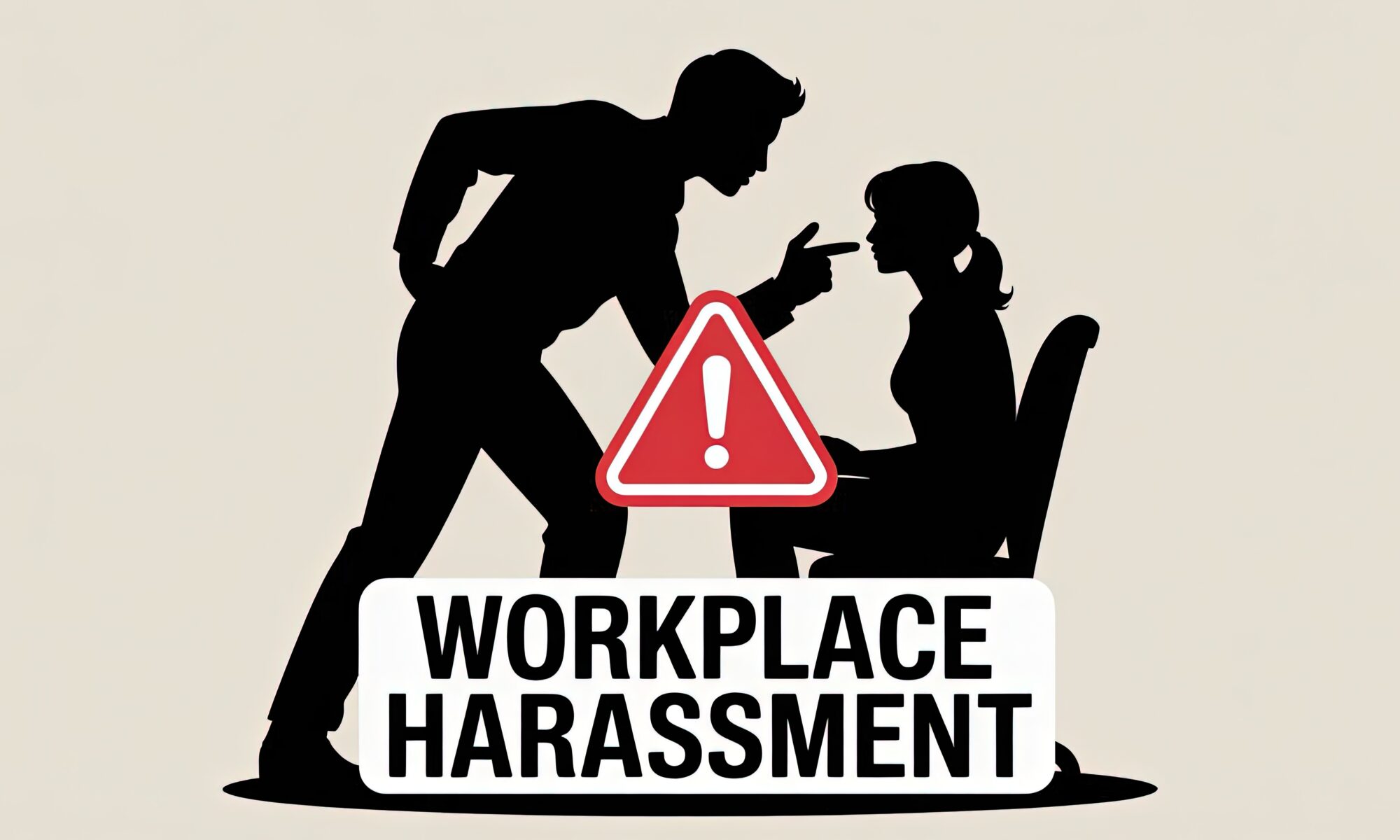
Hostile Work Environment Laws: A Guide for Employees

Workplace harassment creates an illegal hostile work environment. Consult Helmer Friedman LLP for more info.

Hostile Work Environment Laws: What You Need to Know

A workplace should be a space for professional growth and collaboration, not a source of fear and discomfort. Yet, for many employees, the daily reality is far from this ideal. When unwelcome conduct based on protected characteristics like race, sex, or religion becomes so severe that it creates an intimidating or abusive atmosphere, it crosses a legal line, becoming a hostile work environment. Such an environment not only corrodes morale and productivity but also has significant legal implications for employers who fail to prevent it.

Understanding the legal framework that defines and governs a hostile work environment is the first step toward safeguarding employee rights and ensuring corporate accountability. This guide will walk you through the essential laws, what constitutes illegal harassment, and the steps both employees and employers can take to address and prevent it.

The Legal Framework Defining Workplace Hostility

Both federal and state laws establish the legal basis for what constitutes a hostile work environment. These statutes are designed to protect employees from discrimination and harassment based on specific, protected characteristics.

Federal Law: Title VII of the Civil Rights Act

At the federal level, the primary law is Title VII of the Civil Rights Act of 1964. This landmark legislation prohibits employment discrimination based on race, color, religion, gender, and national origin. It applies to employers with 15 or more employees. Over the years, its protections have been expanded through court rulings and other laws, such as the Americans with Disabilities Act (ADA) and the Age Discrimination in Employment Act (ADEA), to include disability and age (40 and over).

State Law: California’s Fair Employment and Housing Act (FEHA)

Many states have their own anti-discrimination laws that often provide broader protections than federal law. In California, the Fair Employment and Housing Act (FEHA) is a powerful tool for employees. FEHA prohibits harassment based on a wide range of protected categories and applies to all employers, regardless of size. Crucially, FEHA mandates that employers “take reasonable steps to prevent and correct wrongful (harassing, discriminatory, retaliatory) behavior in the workplace.”

The EEOC’s Definition of Harassment

The U.S. Equal Employment Opportunity Commission (EEOC) is the federal agency responsible for enforcing anti-discrimination laws. The EEOC defines harassment as unwelcome conduct that is based on a protected characteristic. This conduct becomes unlawful where:

  1. Enduring the offensive conduct becomes a condition of continued employment, or
  2. The conduct is severe or pervasive enough to create a work environment that a reasonable person would consider intimidating, hostile, or abusive.

This “severe or pervasive” standard is critical. It means that a single, minor incident or an offhand comment is typically not enough to be illegal. Instead, the behavior must be persistent or so egregious that it fundamentally alters the employee’s work environment.

What Constitutes a Hostile Work Environment?

Not all unpleasant workplace behavior is illegal. For conduct to be considered legally hostile, it must be both unwelcome and pervasive or severe. The behavior must be subjectively abusive to the person affected and objectively hostile to a reasonable person in the same situation.

Examples of prohibited behaviors that can contribute to a hostile work environment include:

  • Verbal Conduct: This includes telling racist or sexist jokes, using derogatory slurs or epithets, making degrading comments about an individual’s body, or issuing verbal threats. It also covers verbal abuse, mockery, and unwelcome sexual advances.
  • Physical Conduct: Unwelcome touching, physical assault, and impeding or blocking an employee’s movement are clear examples of prohibited physical conduct.
  • Visual Displays: Displaying sexually suggestive or racially insensitive objects, pictures, cartoons, or posters can create a hostile environment. This includes imagery with a sordid history, such as swastikas or nooses.

Courts consider several factors when determining if conduct is severe or pervasive, including the frequency and severity of the conduct, whether it was physically threatening or humiliating, and whether it unreasonably interfered with an employee’s work performance.

Common Types of Workplace Harassment

Harassment that creates a hostile work environment can manifest in several forms, often tied to a specific protected category.

  • Sexual Harassment: This includes unwanted sexual advances, requests for sexual favors, and other verbal or physical conduct of a sexual nature. It can take the form of quid pro quo harassment, where an employment decision is based on an employee’s submission to or rejection of sexual advances, or it can create an offensive environment through pervasive, unwelcome sexual comments or actions.
  • Racial Harassment: This involves discriminatory conduct based on a person’s race or ethnicity. It can range from racial slurs and offensive remarks to displaying symbols associated with racial hatred.
  • Religious Harassment: Treating an employee unfavorably because of their religious beliefs, or making offensive remarks about their religion, constitutes religious harassment. This also includes an employer’s failure to provide reasonable accommodations for an employee’s religious practices.
  • Other Protected Categories: Harassment based on age, disability, national origin, sexual orientation, or gender identity is also prohibited and can form the basis of a hostile work environment claim.

Employer Responsibilities to Prevent Harassment

Under laws like the Fair Employment and Housing Act (FEHA), employers have an affirmative duty to prevent harassment. This requires proactive measures, not just reactive responses. An effective anti-harassment program includes:

  • A Clear, Written Policy: Employers must have a comprehensive anti-harassment policy that is easy to understand and regularly distributed to all employees.
  • Mandatory Training: California law requires employers to provide regular harassment prevention training for all employees, with specialized training for supervisors.
  • A Fair Complaint Process: There must be a clear and accessible procedure for reporting harassment.
  • Prompt and Thorough Investigations: When a complaint is made, employers must conduct a prompt, impartial, and thorough investigation. This helps stop the behavior and sends a message that the company takes harassment seriously.
  • Appropriate Remedial Action: If an investigation confirms misconduct, the employer must take prompt remedial action that is designed to stop the behavior and prevent its recurrence.

Employee Rights and Legal Recourse

If you are experiencing harassment at work, creating a hostile work environment, you have rights and several options.

  • Report the Harassment: The first step is often to report the conduct internally to your supervisor, a designated HR representative, or anyone in your supervisory chain. Your employer cannot fix a problem it doesn’t know about.
  • Document Everything: Keep a detailed record of every incident of harassment. Note the date, time, location, what was said or done, and who was present. Save any emails, texts, or other physical evidence.
  • Legal Recourse: If your employer fails to take action, you can file a complaint with a government agency like the DFEH in California or the federal EEOC. You also have the right to file a lawsuit against your employer. Remedies for a successful claim can include reinstatement to your job, back pay, and damages for emotional distress.

It is illegal for an employer to retaliate against an employee for reporting harassment or participating in an investigation.

The Damaging Impact of a Hostile Workplace

The consequences of a hostile work environment are severe for both employees and employers. For employees, the emotional and psychological toll can be devastating, leading to anxiety, depression, and other stress-related health issues. For employers, the costs can be immense, including legal fees, settlement payouts, decreased productivity, and damage to the company’s reputation.

Take Action to Protect Your Rights

No one should have to endure a hostile work environment. Understanding your rights is the first step toward holding employers accountable and ensuring workplaces are safe and respectful for everyone. If you believe you are a victim of workplace harassment, it is crucial to seek professional legal guidance.

The attorneys at Helmer Friedman LLP are dedicated to fighting for the rights of employees who have been subjected to discrimination and harassment. We offer confidential consultations to help you understand your options and take the next step. Contact Helmer Friedman LLP today to speak with an experienced employment lawyer.