Transgender Athletes, Discrimination Law & Your Rights

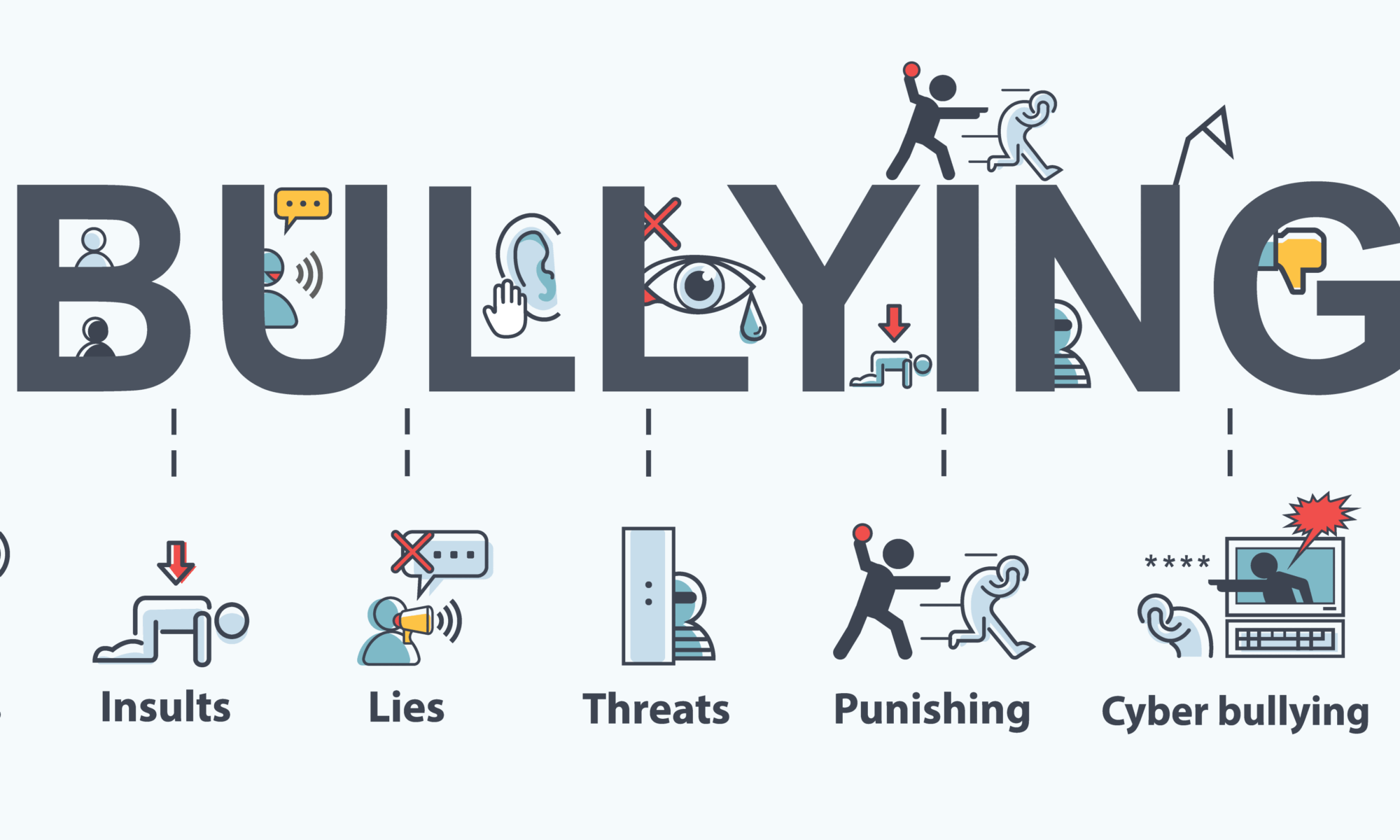
Hostile Work Environment | Workplace bullying attorneys Helmer Friedman LLP.

Transgender Athletes and the Law: Rights, Rulings, and Real Consequences

The legal landscape for transgender individuals in the United States has never been more contested—or more consequential. From the locker room to the courtroom, from the workplace to the rowing dock, transgender people face discrimination that carries real, lasting harm. At the same time, the legal protections designed to shield them are being actively challenged, reinterpreted, and in some cases, dismantled.

This post unpacks that tension. It examines the federal and state laws that govern transgender rights in sports and the workplace, explores how recent Supreme Court decisions are reshaping the legal landscape, and draws on a disturbing real-world case involving a teenage transgender girl in Sacramento to illustrate what’s actually at stake when legal protections fail.

Whether you are a transgender individual who has faced discrimination, an employer trying to understand your legal obligations, or someone seeking to understand your rights after being targeted in a sports program, this guide explains what the law says—and where it still falls short.

The Legal Framework: How Federal Law Protects Transgender Individuals

What does Title VII cover for transgender employees?

Title VII of the Civil Rights Act of 1964 prohibits employment discrimination on the basis of sex. For decades, courts debated whether “sex” encompassed gender identity. That debate ended—at least at the federal level—with the U.S. Supreme Court’s landmark 2020 ruling in Bostock v. Clayton County. The court held that discrimination against transgender employees constitutes sex discrimination under Title VII.

That ruling has broad implications. Employers cannot legally fire, demote, harass, or refuse to hire someone because they are transgender. Deliberately and persistently misgendering a transgender employee, excluding them from meetings, or creating a hostile work environment based on gender identity can all constitute actionable discrimination under federal law.

How does Title IX apply to transgender students and athletes?

Title IX of the Education Amendments of 1972 prohibits sex discrimination in any education program or activity receiving federal funding. Several federal courts have interpreted Title IX to protect transgender students from discrimination and harassment based on gender identity. Schools, under this framework, cannot exclude, harass, or mistreat transgender students and must respect their right to participate in activities consistent with their gender identity.

That interpretation, however, is now under significant legal pressure—particularly when it comes to sports.

The Supreme Court’s 2026 Ruling: A Turning Point for Transgender Athletes

In June 2026, the U.S. Supreme Court’s six-justice conservative majority issued a 6-3 decision upholding state laws that bar transgender girls and women from playing on school sports teams consistent with their gender identity, as reported by Chalkbeat.

The decision arose from two consolidated cases: Little v. Hecox, involving Lindsay Hecox, a transgender student who competed on a women’s club track and field team in Idaho after she didn’t qualify for the Division I team, and West Virginia v. B.P.J., involving Becky Pepper-Jackson, a transgender high school track athlete who had undergone hormone therapy from a young age.

Writing for the majority, Justice Brett Kavanaugh interpreted the term “sex” in Title IX’s sports provisions to refer exclusively to biological sex. He cited unsettled science around whether transgender women who have undergone hormone therapy retain physical advantages, and concluded that allowing transgender girls to compete on girls’ teams could place other competitors at a “serious disadvantage.”

The ruling leaves in place restrictions in 29 states, most of which explicitly bar transgender women and girls from women’s and girls’ school sports teams, according to the Movement Advancement Project. Idaho was the first state to enact such a law, in 2020.

Critically, the decision does not require states to ban transgender athletes—it permits them to do so. States like California, which allows transgender athletes to compete consistent with their gender identity, retain that right for now. But the ruling signals a future in which those inclusive policies face escalating legal and political pressure.

What did the dissenting justices say?

Justice Sonia Sotomayor dissented, questioning the majority’s cavalier treatment of transgender individuals’ rights under the Equal Protection Clause of the Fourteenth Amendment. She acknowledged that bans on transgender women and girls in female sports may not always violate Title IX, but argued that at least one of the cases—Becky Pepper-Jackson’s—warranted further fact-finding, given that Pepper-Jackson never went through male puberty.

Sotomayor also underscored the human cost of the ruling. “Sports can help build resilience, tenacity, leadership, and discipline,” she wrote. “It can lead to life-long friendships, community, and a sense of belonging… Sports, of course, are often zero sum, but the law need not and should not be.”

Workplace Discrimination Against Transgender Individuals: What It Looks Like in Practice

What are the most common forms of workplace discrimination against transgender employees?

Workplace discrimination against transgender people rarely presents as a single, obvious act. It tends to accumulate—a pattern of behavior that, taken together, creates a hostile and intolerable work environment.

Common forms include:

  • Persistent misgendering: Deliberately using incorrect pronouns or names, especially after being corrected, can constitute harassment under Title VII.
  • Exclusion from meetings or opportunities: Systematically leaving a transgender employee out of professional development, team discussions, or advancement opportunities.
  • Hostile work environment: Allowing coworkers or management to make derogatory comments, spread false rumors, or engage in targeted bullying.
  • Wrongful termination: Firing an employee because of their transgender identity or because they reported discrimination.

Employers face potential liability not just for their own conduct, but for the conduct of managers and coworkers if they knew—or should have known—about the harassment and failed to act.

According to the Equal Employment Opportunity Commission (EEOC), harassment complainants filed 35,774 claims in 2024, representing an approximately 32% increase from 2022. That surge reflects growing awareness of legal rights—but also a worsening climate of discrimination.

What legal remedies are available to transgender employees?

Under Title VII, transgender employees who experience discrimination can file a complaint with the EEOC. If the agency finds merit in the claim, it can pursue conciliation or litigation on the employee’s behalf. Employees may also file a private lawsuit seeking compensatory damages, back pay, reinstatement, and attorneys’ fees. California employees have additional protections under the California Fair Employment and Housing Act (FEHA), which explicitly prohibits discrimination based on gender identity and expression and requires employers to provide reasonable accommodations for transitioning employees.

The Capital Crew Case: When Harassment Happens to a Child

Few cases illustrate the lived reality of anti-transgender discrimination more starkly than the lawsuit filed against Capital Crew, a competitive youth rowing program housed at the Sacramento State Aquatic Center.

According to a lawsuit filed in Sacramento County Superior Court, a 12-year-old transgender girl—identified by a pseudonym—endured more than two years of bullying, exclusion, and harassment at the hands of teammates and coaches. The alleged discrimination began after a parent publicly complained that she was “a boy on the girls’ team.” What followed, per the lawsuit, was systematic and relentless.

Teammates allegedly excluded her from team meetings, refused to acknowledge her presence, laughed at her, and threatened her only friend against spending time with her. Coaches, the lawsuit claims, failed to acknowledge her achievements, misgendered her, and omitted her from team selections. In January, she was allegedly separated from the rest of the team and made to practice alone on land while her teammates were on the water.

In April, a false rumor that she had inappropriately touched a teammate spread through the program. The mental health consequences were severe. According to the lawsuit, she experienced self-harm and suicidal ideation before eventually quitting the team.

The lawsuit names the coaches, Capital Crew, the Sacramento State Aquatic Center, Sacramento State, the Associated Students, Inc., and the California State University trustees. It seeks her reinstatement, the termination of the implicated coaches, an end to discrimination against transgender individuals, and compensatory damages.

Attorney Susie Cirilli, who represents the child and her mother, was unequivocal about the case’s significance. “The reason why this case is important, because at issue in this complaint, is the treatment of a child,” Cirilli said. “For over a year, this child was left unprotected while the people in charge—when not actively engaging in the hostility themselves—condoned the unlawful harassment that was being committed by the other girls on the rowing team.”

Cirilli also drew a direct line between the political climate and the harm suffered by the child. “It is important to understand that the rhetoric that is out there in the zeitgeist right now… people need to understand that it has direct effects on children.”

How does harassment in youth sports differ from workplace discrimination—and where do they overlap?

Youth sports programs like Capital Crew occupy a distinct legal space. They are not traditional employers, and participants are not employees. However, programs housed within or affiliated with institutions that receive federal funding—such as a university aquatic center—may be subject to Title IX, which prohibits sex discrimination in federally funded education programs and activities.

The legal remedies available in such cases can include reinstatement, compensatory damages, and institutional accountability measures—such as the lawsuit’s demand to strip Associated Students of its auxiliary status at Sacramento State. Organizations that fail to protect minors in their programs from harassment and discrimination face not only legal liability but significant reputational and institutional consequences.

The Gap Between Legal Protections and Lived Experience

Federal law, as it stands, provides meaningful protections for transgender employees. Bostock v. Clayton County was a watershed moment. California’s FEHA offers some of the strongest protections in the country. Yet as the Capital Crew case and the EEOC’s rising claims data both demonstrate, legal protections on paper do not automatically translate into safety in practice.

Discrimination compounds. A transgender teenager who is bullied out of a rowing program carries that experience into adulthood—into job interviews, performance reviews, and every subsequent environment where they must decide how much of themselves to reveal. The intersection of hostile rhetoric, inadequate institutional responses, and unsettled law creates conditions where discrimination can persist even where it is technically prohibited.

The Supreme Court’s 2026 sports ruling has not resolved these tensions—it has intensified them. Legal experts noted that the decision was deliberately narrow, tailored to sports and leaving many broader transgender rights questions open for future litigation. As Deborah Brake, a University of Pittsburgh law professor who has written extensively about Title IX, observed, nothing in the decision “forecloses challenges to transgender discrimination in other areas.”

Understanding Your Rights and Taking Action

The legal framework around transgender rights is evolving rapidly, and not always in a protective direction. That makes it more important than ever for transgender individuals—and their advocates—to understand what protections currently exist, where enforcement gaps remain, and when to seek legal recourse.

If you or someone you know has experienced workplace discrimination, harassment in a sports or educational program, or retaliation for reporting such conduct, the time to act is now. Legal claims are subject to statutes of limitations, and delays can affect your ability to seek justice.

Helmer Friedman LLP has represented clients in complex discrimination, harassment, and civil rights cases for over 20 years. Our attorneys understand both the legal landscape and the human cost of discrimination. If you believe your rights—or a child’s rights—have been violated, contact us for a confidential consultation. We will listen, evaluate your case honestly, and advocate fully on your behalf.

Protecting Healthcare Workers from Resident Harassment

Medical care, hospital - Family Leave Lawyers Helmer Friedman LLP.

When Residents Become Harassers: Protecting Healthcare Workers

Sexual harassment in healthcare is rarely discussed the way it deserves to be. It doesn’t always come from a supervisor or a colleague. Sometimes, it comes from the very patients and residents that staff are paid to care for. And when facilities fail to act, the consequences—for workers, for organizations, and for justice—can be severe.

A recent federal settlement makes this reality impossible to ignore. Christian Care Management, Inc. (CCMI), which operates six Fellowship Square senior living facilities across Arizona, agreed to pay $250,000 to settle a sexual harassment lawsuit filed by the U.S. Equal Employment Opportunity Commission (EEOC). The case exposed a pattern of abuse, institutional negligence, and preventable harm that no healthcare worker should ever endure.

The Scope of the Problem in Healthcare Settings

Sexual harassment in healthcare is far more common than most people realize. According to the American Nurses Association, more than 1 in 4 nurses—27%—report experiencing sexual harassment on the job, frequently from patients or their family members. Facility-wide, harassment claims have surged significantly: the EEOC recorded 35,774 harassment complaints in 2024, representing an approximately 32% increase from 2022 (EEOC, 2024).

Harassment in healthcare takes many forms:

  • Verbal abuse: Inappropriate comments, sexual jokes, suggestive remarks, or degrading language directed at staff
  • Physical contact: Unwanted touching, grabbing, or assault
  • Non-verbal conduct: Leering, suggestive gestures, or exposure
  • Quid pro quo situations: When employment benefits or job security are tied to sexual compliance
  • Third-party harassment: Misconduct from patients, residents, visitors, or contractors

Each of these forms is illegal. Each causes real harm. And each demands a real response.

What Happened at Fellowship Square: A Case Study in Institutional Failure

The CCMI case is a sobering example of what happens when management looks the other way.

According to the EEOC’s lawsuit, multiple female employees at the Fellowship Square location in Mesa, Arizona, were repeatedly subjected to sexual harassment by male residents. The conduct included requests for sexual favors, directing inappropriate sexual language at staff, and sitting in their underwear while housekeeping employees cleaned their rooms.

The female employees reported the harassment to management. Management did nothing meaningful. No notifications were sent to human resources. No adequate steps were taken to stop the escalation.

Then things got worse.

Despite multiple documented reports about one particular resident’s inappropriate behavior toward female staff, management assigned a female employee to drive that resident to an appointment—placing her alone in a vehicle with him. During the drive, the resident grabbed her breast and private parts while exposing himself.

What followed was a case study in what an employer should never do. According to the EEOC suit, the company denied her request to take the day off after the assault. It then waited four days to initiate a psychological evaluation of the resident and another 13 days before beginning the eviction process.

“Sexual harassment in any workplace, no matter the harasser, is illegal and violates federal civil rights law,” said Mary Jo O’Neill, regional attorney for the EEOC’s Phoenix District. “Employers have a legal duty to prevent, investigate, and eliminate sexual harassment any time it occurs.”

The Legal and Organizational Consequences of Inaction

The CCMI case is not an outlier—it’s a warning.

Title VII of the Civil Rights Act of 1964 prohibits sexual harassment in the workplace and applies to employers with 15 or more employees. Under Title VII, harassment by residents, patients, or any non-employee can still create employer liability when the organization knew about the conduct and failed to act promptly and appropriately.

EEOC Senior Trial Attorney Karl Tetzlaff put it plainly: “There is no acceptable amount of sexual harassment. Companies should investigate and adequately respond to all complaints in order to prevent a continuing escalation of unlawful sexually harassing behavior.”

The cost of inaction extends well beyond a settlement check. Healthcare facilities that fail to protect their workers face:

  • Costly litigation and settlements, as the CCMI case demonstrates
  • Regulatory scrutiny and compliance violations that trigger ongoing oversight
  • Reputational damage that erodes patient trust and drives talent away
  • Diminished patient care quality, as staff distracted by harassment or trauma cannot perform at their best
  • Increased employee turnover, compounding already severe workforce shortages in healthcare

Best Practices for Protecting Healthcare Workers from Resident Harassment

Prevention is both a legal obligation and a moral one. The following measures represent the standard of care for any healthcare or senior living facility serious about worker safety.

Establish and Enforce Zero-Tolerance Policies

A written harassment policy is the starting point, not the finish line. Policies must clearly define what constitutes harassment—including harassment from residents—outline confidential reporting procedures, and specify consequences for violations. These policies should be actively enforced, not filed away.

Critically, resident handbooks should also include anti-harassment expectations. Under the CCMI consent decree, CCMI is required to include an anti-sexual harassment policy in its resident handbook. That should be standard practice across the industry.

Provide Mandatory, Regular Staff Training

Training should go beyond a one-time orientation video. Effective sexual harassment prevention training covers real-world scenarios specific to healthcare settings, teaches bystander intervention strategies, and informs staff of their legal rights. Leadership and management must participate too—the tone at the top matters.

Create Confidential Reporting Channels

Many harassment victims stay silent out of fear of retaliation or disbelief. Facilities must establish anonymous and confidential reporting systems—dedicated hotlines, secure email channels, or access to an independent HR or compliance officer. A clear, fair, and documented complaint process protects both the employee and the organization.

Investigate Every Complaint Promptly

Delayed investigations compound harm. As seen in the CCMI case, days of inaction after a serious assault allowed continued risk and deepened the organization’s liability. Every complaint must trigger an immediate, thorough, and documented response.

Take Swift Corrective Action—Including Removal

When a resident’s conduct crosses a legal or safety threshold, management must act decisively. That may mean restricting a resident’s access to certain staff, issuing formal warnings, requiring behavioral assessments, or initiating eviction proceedings. The safety of employees cannot be subordinated to operational convenience.

Support Affected Employees

Workers who experience harassment or assault deserve more than a return to regular duties. Counseling resources, temporary reassignments, and accommodations can make a critical difference in recovery and retention. Denying a victim’s request for a day off after an assault—as alleged in the CCMI case—is not just callous; it may constitute further legal exposure.

A Culture of Accountability Starts at the Top

Strong policies and good training only work when leadership is genuinely committed. Healthcare executives, administrators, and department heads must allocate resources for training and investigations, hold all employees accountable regardless of rank, and treat every complaint as serious. The alternative—ignoring reports, delaying action, or hoping problems resolve themselves—carries consequences that no facility can afford, legally or ethically.

Healthcare Workers Deserve Better

The $250,000 settlement paid by CCMI represents more than a financial penalty. It represents the real cost of ignoring a problem that was reported, documented, and preventable at every stage.

Healthcare workers—nurses, housekeeping staff, aides, and administrators—perform some of the most demanding and vital work in our society. They deserve workplaces that protect them. Facilities that fail that obligation don’t just risk lawsuits. They risk everything.

If you or someone you know has experienced sexual harassment in a healthcare or senior living facility and management failed to respond appropriately, you may have legal recourse. Contact Helmer Friedman LLP for a confidential consultation to understand your rights.


Frequently Asked Questions

Can a healthcare employer be held liable for harassment by a patient or resident?

Yes. Under Title VII of the Civil Rights Act of 1964, employers can be held legally responsible for harassment perpetrated by non-employees—including patients and residents—if the employer knew or should have known about the conduct and failed to take prompt, appropriate corrective action.

What should I do if I experience harassment from a patient or resident at work?

Report the incident to your supervisor or HR department immediately and document the details in writing. If management does not respond adequately, you have the right to file a complaint with the EEOC. You may also consult an employment attorney to discuss your legal options.

What counts as sexual harassment under federal law?

Title VII defines sexual harassment as unwelcome sexual advances, requests for sexual favors, and other verbal or physical conduct of a sexual nature that affects employment conditions, interferes with work performance, or creates a hostile work environment. This includes harassment from patients, residents, visitors, and co-workers.

What should healthcare facilities include in their anti-harassment policies?

An effective policy should define prohibited conduct, include procedures for reporting complaints, outline investigation steps, specify consequences for violations, and offer support resources for affected employees. Resident-facing policies—such as those in resident handbooks—should also set clear behavioral expectations.

Can I be fired or retaliated against for reporting sexual harassment?

Retaliation against an employee for reporting harassment is illegal under federal and state law. If you face negative employment consequences after filing a complaint, that itself may constitute a separate legal violation. Document any retaliatory actions and consult an attorney promptly.

Title IX & Employees: Does the Law Protect School Workers?

Whistleblower Retaliation laws protect older employees from discriminatory policies - Helmer Friedman LLP.

Does Title IX Protect School Employees From Sex Discrimination?

A landmark U.S. Supreme Court case, Crowther & Joseph v. Board of Regents of the University System of Georgia (Docket No. 25-183), asks whether Title IX of the Education Amendments of 1972 gives school employees the right to sue for sex discrimination. The Eleventh Circuit said no. The National Women’s Law Center, joined by civil rights organizations and members of Congress, filed an amicus brief on July 16, 2026, urging the Supreme Court to reverse that ruling.

A female professor, fully credentialed and clearly qualified, applies for a faculty position. She is turned down. The reason a colleague offers? She “comes on too strong for a woman.”

That was Dr. Bernice “Bunny” Sandler’s experience at the University of Maryland in 1969. Rather than accept it, Dr. Sandler documented discrimination across hundreds of institutions, filed federal charges, and placed the evidence before Congress. Her work became the foundation for Title IX of the Education Amendments of 1972. For that, she earned the title “Godmother of Title IX.”

More than fifty years later, the U.S. Supreme Court is being asked to decide whether Title IX even protects the people it was built to defend—employees working in education. The answer to that question will shape the rights of millions of teachers, coaches, and administrators nationwide.

What Is the Core Legal Question in Crowther & Joseph?

Title IX states plainly: “No person in the United States shall, on the basis of sex, be excluded from participation in, be denied the benefits of, or be subjected to discrimination under any education program or activity receiving Federal financial assistance.” 20 U.S.C. § 1681(a).

The statute says person. Not student. Not applicant. Person.

Yet the Eleventh Circuit ruled in Crowther v. Board of Regents of the University System of Georgia, 121 F.4th 855 (11th Cir. 2024), that school employees lack a private right of action under Title IX—meaning they cannot personally sue in federal court to enforce their rights. Under this interpretation, a teacher facing sexual harassment, a coach passed over for promotion because of her sex, or an administrator paid less than her male counterpart would have no direct judicial remedy under Title IX.

The National Women’s Law Center (NWLC), alongside the American Association of University Women, Equal Rights Advocates, Legal Momentum, Public Justice, Women’s Law Project, and a coalition of U.S. lawmakers—including Senator Mazie K. Hirono, Senator Lisa Blunt Rochester, and Congresswoman Adelita S. Grijalva—filed an amicus brief on July 16, 2026, urging the Supreme Court to reverse the Eleventh Circuit’s decision.

Their argument is grounded in three pillars: the statute’s plain language, its legislative history, and decades of Supreme Court precedent.

What Congress Actually Intended When It Passed Title IX

The legislative record leaves little ambiguity. Senator Birch Bayh, who introduced Title IX’s language on the Senate floor, was explicit. He described the amendment’s impact as “far-reaching” and said it was “designed to root out, as thoroughly as possible at the present time, the social evil of sex discrimination in education.” 118 Cong. Rec. 5111, 5804 (1972).

When asked directly about coverage, Senator Bayh named “employment practices for faculty and administrators” first on his list of areas where discrimination had been documented. He told his colleagues the statute would cover “discrimination in employment within an institution, as a member of faculty or whatever” and added, starkly: “In the area of employment, we permit no exceptions.” 118 Cong. Rec. 5111, 5812 (1972).

Congresswoman Patsy T. Mink—for whom Title IX was later renamed—testified that universities “discriminate against women in hiring faculty” and that “women faculty members are frequently paid less than their male counterparts even though equally competent and equally experienced.” She was unambiguous about the cause: “these differences do not occur by accident. They are the direct result of consciously discriminatory policies.”

The 1970 congressional hearings that preceded Title IX’s passage were not a peripheral discussion about student life. Employment discrimination was their centerpiece. Congress enacted Title IX knowing exactly what it was addressing.

Three Supreme Court Cases That Already Answered This Question

The NWLC amicus brief argues the Supreme Court has already resolved this issue—repeatedly—through three landmark decisions.

Cannon v. University of Chicago, 441 U.S. 677 (1979), established that individuals have an implied private right of action under Title IX. The Court grounded that right in the statute’s focus on “persons” and Congress’s intent to provide “individual citizens effective protection against discriminatory practices.” The Court drew no distinction between students and employees.

North Haven Board of Education v. Bell, 456 U.S. 512 (1982), went further, holding explicitly that school employees are “persons” to whom Title IX applies. The Court noted that Congress “easily could have substituted ‘student’ or ‘beneficiary’ for the word ‘person'” if it had meant to exclude employees. It did not. The legislative history, particularly Senator Bayh’s statements, confirmed what the text said.

Jackson v. Birmingham Board of Education, 544 U.S. 167 (2005), extended Title IX protections to cover retaliation. Critically, the plaintiff—Roderick Jackson—was a coach, not a student. The Supreme Court’s analysis rested entirely on the breadth of the statutory text, not on the identity of the person invoking it. His status as an employee gave the Court no pause whatsoever.

As the NWLC brief summarizes: Cannon recognized a private right of action for any “person.” North Haven confirmed employees are “persons” under Title IX. The logical sum is that employees have already been granted the right to sue—the Eleventh Circuit simply refused to acknowledge it.

Every federal appellate court to consider the question after Jackson—save the Eleventh Circuit—has reached the same conclusion.

The Ongoing Reality of Sex Discrimination in Educational Workplaces

This case is not an abstract legal debate. The discrimination that Title IX was meant to address has not disappeared.

According to the NWLC amicus brief and its supporting sources:

  • Sexual harassment affects up to 58% of faculty and staff in academic settings—a higher rate than virtually any other work environment except the military (Lorens et al., Neuron, 2021).
  • Women who have children before earning tenure are 20% less likely than men to receive it (Skorinko et al., Policy Insights from Behavioral & Brain Sciences, 2020).
  • Women K-12 teachers earn $2,200 less per year than their male colleagues, despite comprising 77% of the profession (Will, Education Week, 2023).
  • Women full-time college faculty earn 84 cents for every dollar earned by male peers (AAUP Data Snapshot, 2025).
  • Women hold only 33% of university presidencies (American Council on Education, 2023) and 26% of school district superintendent roles (AASA Superintendent Salary & Benefits Study, 2025).
  • Women comprise only 37% of full-time professors, are less likely to be tenured or on tenure track, and are less likely to be promoted (AAUP, 2025).

These are not relics of 1972. They are the current landscape—the one Dr. Sandler fought to change, and the one millions of educational workers still navigate.

What Happens If the Eleventh Circuit’s Ruling Stands?

If the Supreme Court affirms the Eleventh Circuit’s decision, the consequences are sweeping. Teachers, coaches, counselors, and administrators at federally funded schools and universities could no longer bring their own Title IX claims in federal court. They would lose direct access to a legal remedy that Congress explicitly intended them to have.

The NWLC brief warns this would “break faith with the statute, with Congress’s unmistakable purpose, with decades of this Court’s precedent, and with the legacy of tireless advocates” who made Title IX possible in the first place.

It would also create an anomaly so stark it defies logic: a student who faces sex discrimination could sue under Title IX, but the professor who taught her could not.

What the Supreme Court Should Do—And What You Can Do Now

The amici in this case—civil rights organizations, lawmakers, and legal scholars—are asking the Supreme Court to reverse the Eleventh Circuit’s judgment and reaffirm what Congress made clear in 1972: Title IX protects every person in a federally funded educational environment, students and employees alike.

The outcome of Crowther & Joseph will determine whether millions of educational workers can hold their institutions accountable in court for sex discrimination. It will define whether the law means what it says.

Frequently Asked Questions About Title IX and Employee Rights

Does Title IX currently protect employees from sex discrimination?

Yes—according to the statute’s plain text, its legislative history, and precedents established by the Supreme Court in Cannon (1979), North Haven (1982), and Jackson (2005). The Eleventh Circuit ruled otherwise in 2024, and the Supreme Court is now reviewing that decision in Crowther & Joseph v. Board of Regents (Docket No. 25-183).

What is a private right of action, and why does it matter?

A private right of action is the ability of an individual to file their own lawsuit in federal court to enforce a legal right. Without it, an employee who faces sex discrimination must rely on a government agency—such as the Department of Education—to act on their behalf. A private right of action gives employees direct access to judicial enforcement.

Can I file a Title IX claim as a school employee today?

The ability to bring a Title IX claim as an employee depends on which federal circuit covers your jurisdiction. Most federal appellate courts have recognized employee claims; the Eleventh Circuit (covering Alabama, Florida, and Georgia) has ruled against them. The Supreme Court’s decision in Crowther & Joseph will resolve this split nationwide.

What other legal options exist for employees facing sex discrimination in education?

Title VII of the Civil Rights Act of 1964 independently prohibits sex discrimination in employment across most workplaces, including educational institutions. State laws may also provide additional protections. The relationship between Title VII and Title IX—and the protections each independently affords—is a key issue in the Crowther & Joseph litigation.

What should I do if I’ve experienced sex discrimination as a school employee?

If you are a teacher, coach, administrator, or other educational worker who has faced sex discrimination, harassment, or retaliation, your legal rights depend on your specific circumstances and jurisdiction. Speaking with an experienced employment attorney as soon as possible is critical—both for preserving evidence and meeting filing deadlines.


Your Rights Deserve a Vigorous Defense

At Helmer Friedman LLP, we have spent more than 20 years advocating for individuals facing sex discrimination, harassment, retaliation, and wrongful termination—including in educational settings. We understand that deciding to take legal action takes courage, and we offer confidential consultations to help you understand your options clearly and without obligation.

Whether your case involves a single institution or requires representation before the nation’s highest courts, we stand as your advocate in justice. Contact our team today to discuss your situation in confidence.

When City Hall Retaliates: What Public Employees Must Know

Whistleblower Attorneys Los Angeles, rewards and protection.

City Manager Retaliation: What Public Employees Must Know

Workplace retaliation doesn’t only happen in corporate boardrooms. It happens inside government institutions—city halls, police departments, and public agencies—where power is concentrated, bureaucratic loyalty runs deep, and the cost of speaking up can be severe.

Travis Martinez, a 30-year veteran of the Redlands Police Department and deputy police chief, found this out firsthand. After reporting alleged sexual misconduct by a senior officer, raising public safety concerns about a fatal Metrolink crash, and advocating for an employee unfairly denied bilingual pay, Martinez alleges he was stripped of responsibilities, passed over for promotion, and publicly undermined. In April 2025, the Redlands City Council voted 3-2 to settle his whistleblower claim for $871,956—a figure that reflects the serious legal and financial consequences of retaliation in public institutions.

His case is not an outlier. It is a warning.

This post explains what workplace retaliation is, which activities the law protects, and what steps you should take if you believe you’re being punished for doing the right thing.

What Is Workplace Retaliation?

Retaliation occurs when an employer takes a “materially adverse” action against an employee for engaging in a protected activity. In plain terms: it is punishment designed to silence you or make your working conditions so unbearable that you quit.

According to the Equal Employment Opportunity Commission (EEOC), retaliation is the most frequently alleged basis of discrimination in the federal sector and the most common finding in federal sector cases. That prevalence is even more troubling in city and municipal environments, where wrongdoers often have the added protection of bureaucratic hierarchy and institutional loyalty.

One important clarification: not every unpleasant workplace experience qualifies. A rude comment or a petty slight typically doesn’t meet the legal standard. To be actionable, the employer’s behavior must be severe enough to deter a reasonable person from reporting discrimination or illegal conduct in the future.

How Retaliation Manifests: Recognizing the Signs

Retaliation is rarely as clean-cut as a termination letter. City managers and public officials often deploy subtler tactics—incremental, deniable, and designed to erode an employee’s standing over time.

Legally recognized forms of adverse action include:

  • Demotion: A reduction in rank, pay, or professional status
  • Exclusion: Being shut out of key meetings, training opportunities, or career advancement pathways
  • Unwarranted Discipline: Negative performance reviews that contradict an employee’s documented history
  • Responsibility Changes: Having duties stripped or being reassigned to less desirable roles
  • Hostility: Verbal abuse or a deliberately hostile work environment intended to force resignation

Martinez’s allegations illustrate this pattern precisely. Despite his qualifications, decades of experience, and national reputation in community policing, he claims he was bypassed for the police chief role in favor of a candidate with less experience—a decision he attributes directly to retaliation for his whistleblowing.

What Activities Does the Law Protect?

Central to any retaliation claim is the concept of a “protected activity.” These are specific actions the law shields from employer punishment. Under California and federal law, you cannot legally be retaliated against for:

  • Reporting corporate wrongdoing, fraud, or illegal conduct (whistleblowing)
  • Reporting workplace harassment or discrimination based on race, gender, age, or disability
  • Refusing to participate in unlawful or unethical conduct
  • Advocating for employees’ rights, such as fair pay practices
  • Filing a workers’ compensation claim
  • Reporting safety hazards to government agencies or law enforcement

The breadth of Martinez’s allegations is instructive. His claim spans multiple protected activities: reporting alleged sexual misconduct to the FBI, raising concerns about a fatal public safety risk, advocating for an officer denied bilingual pay, and supporting the findings of a DEI instructor who was later let go. Each action, on its own, would likely qualify for legal protection.

Your Rights Under California Law: Labor Code Section 1102.5

California Labor Code Section 1102.5 is one of the most powerful whistleblower protection statutes in the country. It prohibits employers—including public agencies—from retaliating against employees who disclose information to a government or law-enforcement agency when the employee has reasonable cause to believe that a legal violation has occurred.

The most critical word in that statute is reasonable. California law protects you even if the reported violation did not ultimately occur or cannot be proven, provided your belief was reasonable at the time you made the report. This standard matters enormously. It prevents employers from using “no violation was found” as a legal shield against retaliation claims, and it substantially lowers the threshold for employee protection.

Beyond California, similar whistleblower protections exist across a range of federal statutes, broadening the scope of potential claims for employees in other states.

Case Spotlight: Martinez v. City of Redlands

In June 2023, Travis Martinez filed a 16-page government claim against the City of Redlands—a required step under California law before suing a public agency.

The claim detailed an alleged pattern of retaliation following his reports of serious misconduct. Martinez alleged that after reviewing security footage of the April 4, 2023 Metrolink crash—which killed 47-year-old Heather Lynn Woolard and her 11-year-old daughter Presley—he raised concerns about dangerous conditions at the rail crossing. According to the claim, city officials sought to suppress that information to protect the city from litigation exposure.

He also alleged that high-ranking city officials had been aware of sexual misconduct allegations against then-Deputy Chief Mike Reiss for months and took no action. When Martinez reported his concerns to the FBI, he claims the city retaliated by denying him the interim police chief position—a role he describes as one he was the most qualified candidate for. The city instead appointed Commander Rachel Tolber, whom the claim characterizes as a less experienced choice made partly to signal reform amid ongoing harassment lawsuits.

Martinez’s case was not isolated. The City of Redlands had already paid $1.7 million to settle a related sexual harassment lawsuit brought by two officers who alleged a “culture of pervasive sexual favoritism.” A separate case, Alvarado-Salcido v. City of Redlands, remains active in San Bernardino Superior Court.

On April 15, 2025, the Redlands City Council voted 3-2 to settle Martinez’s claim for $871,956. Under the terms of the agreement, Martinez retired within 10 days and received additional benefits, including the right to review his personnel file and the designation of an honorably retired officer’s badge.

The Consequences of Retaliation for Employers

Organizations that ignore or facilitate retaliation pay dearly for it—in courtrooms, in public trust, and at the taxpayer’s expense.

In Redlands, the $871,956 settlement with Martinez followed a $1.7 million payout in the Reiss-related lawsuit, with additional litigation still pending. The cumulative cost of mishandling misconduct complaints represents a significant financial burden on the community the city was elected to serve.

The exposure isn’t limited to public agencies. Helmer Friedman LLP recently secured a $6 million verdict against California State University in a gender discrimination and retaliation case—a result that demonstrates the scale of liability employers can face when courts side with employees.

Beyond financial damages, organizations found liable for retaliation face leadership turnover, reputational harm, diminished employee morale, and heightened regulatory scrutiny. The lesson is consistent: the cost of suppressing misconduct reports almost always exceeds the cost of addressing them.

Steps to Take If You Suspect Retaliation

If you recognize the warning signs, swift and deliberate action is essential.

  1. Document Everything: Keep a detailed record of events—dates, times, locations, and the names of any witnesses. Save emails, memos, and any communications that reflect a shift in how you are treated after your protected activity.
  2. Report Internally: If your organization has a retaliation reporting policy, use it and document that you did. Creating a formal paper trail establishes that the agency or employer was on notice.
  3. Preserve Evidence: Collect copies of performance reviews, especially positive ones that predate your protected activity. A clear before-and-after contrast can be critical to your case.
  4. Seek Legal Counsel Immediately: Retaliation cases are complex, fact-specific, and time-sensitive. In California, government employees must file a public claim before suing a public agency—a procedural requirement the Martinez case illustrates clearly. An experienced retaliation attorney can assess the merits of your claim and guide you through each step.

Protecting the People Who Speak Up

Retaliation is pervasive. It takes many forms, operates across every sector, and carries real legal consequences for employers—particularly when employees understand their rights and act on them.

The “reasonable belief” standard is a powerful tool in your corner. You don’t need to prove a law was broken to deserve legal protection. You need only to have reasonably believed one was at the time you came forward.

If you believe you have been retaliated against for reporting wrongdoing, advocating for your rights, or refusing to participate in illegal conduct, you don’t have to face it alone. Helmer Friedman LLP offers confidential consultations to evaluate your situation. With over 20 years of experience and a proven track record of settlements and court victories—including a $6 million verdict in a retaliation case—the firm provides the personalized legal advocacy needed to hold employers accountable, whether they operate in a corporation or a city hall.

No Woman Should Have to Endure Sexual Harassment to Earn a Living

Pay discrimination, Forced arbitration clauses challenge consumers, employees. Helmer Friedman LLP aggressively protect your rights.

No Woman Should Have to Endure Sexual Harassment to Earn a Living: Lessons from the $900,000  Settlement with California Produce Company

In a powerful affirmation of women’s rights in the workplace, the U.S. Equal Employment Opportunity Commission (EEOC) settled a sexual harassment lawsuit against Fresh Venture Foods, LLC, based in California, and agreed to pay $900,000 to women who suffered harassment and to adopt strict measures to prevent such abuse in the future.

A Story Too Common, Yet Too Often Unheard

The lawsuit revealed that female workers experienced repeated sexual advances, inappropriate touching, and lewd comments from male supervisors—treatment no one should ever be forced to tolerate. Even more distressing, some women who spoke out faced retaliation, such as reduced hours or losing their jobs entirely. These actions did not just violate the law—they violated basic human dignity.

For many women in agriculture and other low-wage industries, reporting harassment can mean risking their livelihood and their family’s well-being. Cultural barriers, fear of not being believed, and the threat of retaliation can silence even the most egregious abuses. This reality is unacceptable in any society that values justice and equality.

A Step Toward Justice

The EEOC’s intervention resulted in more than just financial compensation. The settlement requires the companies to implement robust anti-harassment policies, train all employees and managers, and be monitored for compliance for three years. These changes are designed to create a safer, more respectful workplace.

But the real victory is in the message this case sends: No woman should have to choose between keeping her job and preserving her dignity. Sexual harassment is not the price of employment. It is a violation of fundamental rights.

Standing Up and Speaking Out

This case is a call to action for all employers to create environments where everyone—regardless of gender or background—is safe, valued, and heard. It’s also a reminder to those suffering in silence that they are not alone, and that help is available.

Conclusion

As a community, we must support those who come forward, hold offenders accountable, and demand change from those in power. Every worker deserves to earn a living free from fear of harassment or retaliation.

The EEOC’s settlement with Fresh Venture Foods, LLC is a step forward, but the fight for safe workplaces continues. Let us stand together to ensure that no woman—no person—has to endure harassment just to put food on the table. Dignity at work is not negotiable. It is a right.

Workplace Harassment Victims: Legal Recourse & Rights

Sexual harassment, race discrimination and retaliation lawyers of Helmer Friedman LLP.

Facing Workplace Harassment? Know Your Legal Rights

Workplace harassment can leave deep psychological scars and disrupt promising careers. When an employer permits a toxic culture to thrive, employees often feel isolated, intimidated, and powerless. It’s important to recognize that silence only serves to empower those who engage in abusive behaviors. Understanding your legal rights is a vital first step in reclaiming your dignity and livelihood. This guide aims to illuminate the legal options available for victims of workplace harassment, helping you to hold both perpetrators and negligent employers accountable.

Understanding Workplace Harassment

Harassment can take many forms, including physical assault, verbal abuse, visual displays of derogatory images, or explicit threats. Under federal law, such as Title VII of the Civil Rights Act of 1964, as well as state laws like California’s Fair Employment and Housing Act (FEHA), both sex discrimination and sexual harassment are strictly prohibited.

It’s important to know that harassment can occur from anyone— a direct supervisor, a coworker, an agent of the employer, or even a non-employee like a client. For behavior to be deemed illegal, it typically must be unwelcome and severe or pervasive enough to create a truly hostile work environment. Sometimes, it may involve “quid pro quo” situations, where job benefits are unjustly linked to sexual favors.

Initial Steps for Victims

If you’re facing harassment, taking immediate action is essential for your well-being and for any potential legal claims you may wish to pursue. Start by documenting each incident carefully. Record the dates, times, locations, and specific details of what occurred, including the names of any witnesses.

After documenting everything, report the behavior internally in line with your company’s official policy—usually by speaking to Human Resources. Preserving this evidence and demonstrating that your employer was made aware of the situation can significantly strengthen your legal position.

Legal Avenues: EEOC and Lawsuits

Victims have robust legal mechanisms to seek justice. The U.S. Equal Employment Opportunity Commission (EEOC) investigates workplace discrimination and can litigate against negligent companies. For example, the EEOC sued GEM Management, LLC, alleging the property management company ignored a site manager’s reports of severe coworker harassment.

When companies fail to protect their staff, the financial and public consequences are severe. In the related settlement for the GEM Management lawsuit, the company—operating as Fitch Irick Management—was ordered to pay $90,000. Furthermore, the court mandated sweeping policy revisions and management training. In this case, the harasser threatened to shoot and torture the victim, forcing her to resign. This scenario is a textbook example of a constructive discharge claim, where an employee quits because the working conditions become intolerable.

Beyond the EEOC, victims can file private lawsuits in state or federal court. Juries frequently penalize institutions that turn a blind eye to abuse. Recently, a jury awarded $6 million to Dr. Anissa Rogers, a former Associate Dean at California State University, San Bernardino. Despite multiple reports of harassment by a superior, the university failed to intervene, resulting in her constructive dismissal. Successful litigation can yield significant remedies, including compensation for emotional distress, lost wages, and punitive damages.

Why Legal Action Matters

Filing a claim goes beyond securing personal compensation; it promotes accountability within organizations. When brave individuals come forward, they shine a light on systemic failures and urge companies to adopt strict anti-harassment policies. By taking legal action, you’re not just advocating for yourself; you’re helping to prevent others from experiencing similar trauma and ensuring that abusers face real, lasting consequences for their actions. Your courage can make a difference.

Reclaiming Your Future and Seeking Justice

You don’t have to endure an abusive or hostile work environment alone. It’s important to know that the law offers powerful tools to help fight against discrimination. However, navigating the legal system can be challenging, which is why experienced advocacy is crucial. By exploring your legal options, you can move from feeling like a victim of harassment to becoming an empowered agent of change.

If you or someone you care about has faced sexual harassment, retaliation, or a hostile workplace, please know that you deserve compassionate and confidential support. The expert employment attorneys at Helmer Friedman LLP are here to help you. Reach out to them today at (310) 396-7714 to discuss your situation and take the first step towards seeking justice. You are not alone in this journey.

When Workplace Harassment Turns Threatening and Your Employer Ignores You

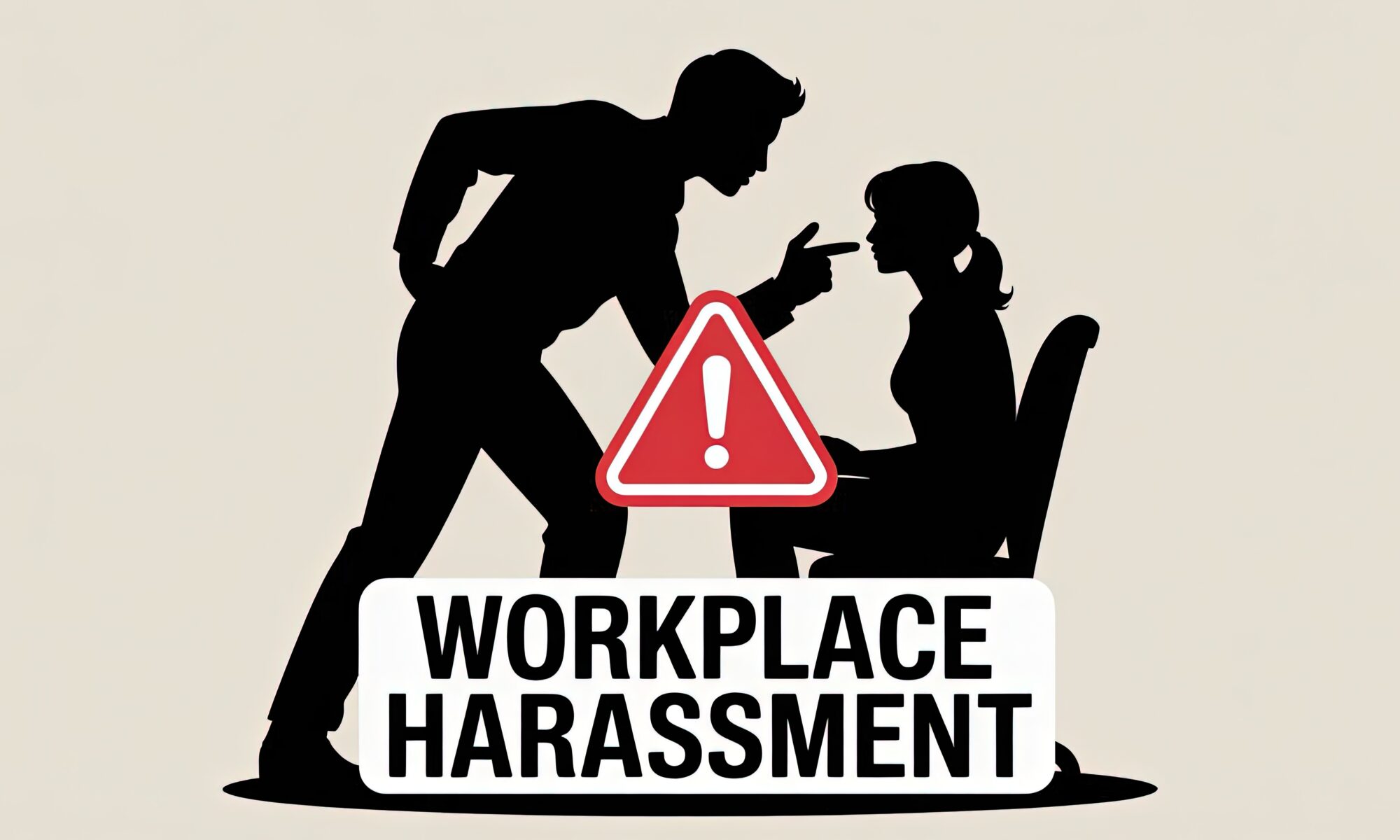
Workplace harassment stark silhouette depicting a scene of hostile work environment.

San Diego Health Alliance Harassment Case: A $105M Verdict

How much is an employee’s safety and dignity worth? When a worker reports a hidden camera in a company restroom, they expect a swift, protective response. They certainly do not expect to be fired for speaking up. Yet, for one substance abuse counselor in California, exposing severe misconduct led to a sudden and retaliatory termination.

This is the reality at the center of the recent Michelle Giaquinta case. As a dedicated counselor entrusted with the care of vulnerable patients, she exposed alarming conditions and blatant safety violations. Instead of taking corrective action, her employer silenced her. Her story serves as a stark, distressing example of workplace harassment and corporate retaliation.

This blog post will delve into the details of the San Diego Health Alliance lawsuit, explore the broader legal landscape of workplace sexual harassment in California, and discuss the critical implications for both employees and employers.

The Michelle Giaquinta v. San Diego Health Alliance Case

Michelle Giaquinta worked as a substance abuse counselor at Fashion Valley Comprehensive Treatment Center, a subsidiary of Acadia Healthcare, Inc. She performed her duties well, receiving praise from direct supervisors for her meticulous documentation skills. But her career took a dramatic turn when she uncovered deeply disturbing behavior by a colleague.

A Courageous Report Met with Silence

“This verdict sends a clear message that no employer, especially one entrusted with the care of vulnerable patients, can silence a courageous employee who speaks up about harassment and safety failures,” said Justin Walker of Walker Law, PC. “Michelle did exactly what the law asks of every employee, and she paid for it with her job. The jury’s verdict restores her name and holds this company accountable.”

Giaquinta reported to management that she was being sexually harassed by a fellow counselor. She believed this individual had placed a hidden camera inside an employee bathroom. The alleged harasser even admitted that his fingerprints would be found on the device. Despite this alarming admission, management failed to report the allegations to state investigators within the legally required 24-hour window. In fact, they never reported the allegations at all.

One day after management dismissed Giaquinta’s serious complaints as “unfounded,” a patient ran through the facility screaming that the very same counselor had sexually harassed her. Instead of notifying state regulators about this severe patient safety incident, the facility took a different route. They terminated both the alleged harasser and Giaquinta on the exact same day.

Retaliation and Pretextual Termination

At trial, the company claimed Giaquinta was fired for failing to properly document a patient interaction. However, her trial counsel presented compelling evidence proving that management never investigated this supposed documentation failure. Through cross-examination, defense witnesses admitted that regulatory auditors arrived on site the day after Giaquinta was suspended without pay. Management fired her to prevent her from disclosing the company’s egregious failure to address her safety and harassment reports.

A Historic $105 Million Verdict

The jury saw through the company’s defense. They found that management had unlawfully retaliated against Giaquinta and that their conduct involved malice, oppression, and fraud. The San Diego Superior Court jury awarded a staggering $105 million in damages. This included $70 million in punitive damages, sending a clear message that employers cannot silence courageous employees who speak up about harassment and safety failures.

Understanding Workplace Sexual Harassment in California

The Giaquinta case highlights the severe consequences of ignoring harassment. In California, sexual harassment is illegal and recognized as a form of sex discrimination. Employees are strongly protected under the California Fair Employment and Housing Act (FEHA), which strictly regulates how employers must handle these incidents.

The Legal Framework and FEHA

Under FEHA, sexual harassment covers a wide range of offensive behaviors. This includes unwanted sexual advances, derogatory comments, visual displays of suggestive objects, and physical conduct like touching or blocking movements. The law protects individuals against harassment based on sex, gender, gender identity, gender expression, sexual orientation, pregnancy, and childbirth.

Employer Liability and Responsibilities

In California, employers face strict liability for any sexual harassment committed by their supervisors. If a supervisor harasses an employee, the employer is automatically responsible for the harm caused. Furthermore, an employer can be held liable for harassment committed by a co-worker or a non-employee (such as a client) if the employer knew or should have known about the conduct and failed to take immediate corrective action. Employers are legally obligated to create robust prevention policies, conduct thorough investigations, and address complaints objectively and completely.

Types of Sexual Harassment Claims

Sexual harassment complaints generally fall into three categories:

  • Denial of job or benefits: An employee is fired, denied a promotion, or penalized for refusing sexual favors or reporting harassment. Retaliation is completely illegal.
  • Constructive discharge: An employee is forced to resign because they can no longer bear a deeply offensive work environment.
  • Offensive work environment: An employee is subjected to unwanted, pervasive sexual advances or inappropriate behavior that alters the conditions of their employment.

The Equal Employment Opportunity Commission (EEOC) recently reported a massive surge in these claims. In 2024, complainants filed 35,774 harassment claims, representing a 32% increase from 2022. This rising trend underscores the ongoing prevalence of workplace hostility.

Implications for Employees Facing Harassment

If you experience or witness harassment, knowing your rights is your strongest defense. You do not have to endure a hostile work environment in silence.

First, follow your employer’s internal procedures for reporting misconduct. Document every incident, including dates, times, and witnesses. Reporting harassment legally protects you against retaliation. If your employer fails to take action or if they retaliate against you by demoting or firing you, you have clear legal avenues to pursue justice.

Victims of unlawful harassment may be entitled to substantial remedies. These can include economic damages for lost wages, emotional distress damages, punitive damages to punish the employer’s malicious behavior, and the recovery of attorney fees. A confidential consultation with an experienced employment lawyer can help you navigate this complex process and empower you to hold wrongdoers accountable.

Implications for Employers and Corporate Responsibility

For business owners and managers, the $105 million verdict in the San Diego Health Alliance case serves as a massive warning. The cost of non-compliance is devastating, both financially and reputationally.

Employers must implement robust sexual harassment prevention policies. They must train all employees and supervisors regularly, ensuring everyone understands what constitutes harassment and how to report it. Most importantly, when a complaint is filed, employers must conduct prompt, impartial, and thorough investigations. Sweeping allegations under the rug or retaliating against whistleblowers will only lead to disastrous legal consequences. Fostering a safe, respectful, and legally compliant workplace culture is not just an ethical duty; it is a strict legal mandate.

Defending Your Right to a Safe Workplace

The Michelle Giaquinta case is a powerful reminder that justice can prevail against corporate negligence. An employer entrusted with vulnerable patients failed to protect its staff and its clients, choosing retaliation over accountability. The jury’s historic verdict restores Giaquinta’s name and reinforces the profound protections afforded to California workers.

Addressing workplace harassment is a critical responsibility. Employees must feel empowered to speak up without fear of losing their livelihoods, and employers must uphold their ethical and legal duties to prevent abuse.

If you or a loved one are facing discrimination, harassment, or wrongful termination, you deserve a proven advocate in justice. Reach out for a confidential consultation to explore your legal options. By standing up against unlawful behavior, you protect yourself and help ensure that workplaces remain safe for everyone.

Wrongful Termination in the Creator Economy: MrBeast Lawsuit

Employment Laws apply to influencers, youtubers, content creators.

Wrongful Termination in the Creator Economy: The MrBeast Lawsuit

The public image of Jimmy Donaldson, universally known as YouTube megastar MrBeast, is built on staggering philanthropy, high-energy challenges, and a seemingly boundless desire to give away money. To his hundreds of millions of subscribers, Donaldson represents a bright, modern iteration of the American Dream. However, a federal lawsuit filed by former executive Lorrayne Mavromatis paints a starkly different picture of the operations at MrBeastYouTube LLC and GameChanger 24/7 LLC. Behind the polished thumbnails and viral videos, the lawsuit alleges a dark, misogynistic workplace rampant with illegal behavior.

As the “creator economy” rapidly expands into a multi-billion-dollar industry, workers must understand that modern entertainment companies are not exempt from strict federal employment laws. The legal boundaries defining a hostile work environment and wrongful termination apply just as forcefully to tech-savvy media startups as they do to traditional corporate offices.

This post unpacks the specific allegations of wrongful termination, sexual harassment, and labor violations brought against MrBeast’s empire. We will examine the company’s aggressive defense strategy and explore the broader implications for employee rights in high-intensity, influencer-driven cultures.

Behind the Camera: Allegations of a Hostile Work Environment

At the core of Mavromatis’s lawsuit is the description of a pervasive “boys’ club” atmosphere at Beast Industries. While Donaldson served as the public face, the internal culture allegedly suffered from a severe lack of basic employment protections. The complaint outlines deeply troubling claims of sexual harassment and gender discrimination directed at female staff members.

According to the federal filing, former CEO James Warren routinely insisted that Mavromatis meet him for one-on-one meetings at his home rather than the corporate office. During these dimly lit encounters, Warren allegedly made inappropriate comments about how she looked in her clothes. The hostility extended beyond isolated incidents. When Mavromatis complained that a billionaire client was making unwanted advances toward her, leadership allegedly dismissed the encounter entirely, telling her she should be “honored” that the client was hitting on her.

The lawsuit also points to a broader culture of gender discrimination. Mavromatis claims she was repeatedly treated differently than her male counterparts. During a staff meeting, a male colleague allegedly told her to “shut up” and “stop talking” in front of the very employees she supervised. Furthermore, male executives allegedly laughed and made demeaning jokes at the office regarding female contestants on the upcoming Beast Games reality show, specifically mocking their complaints about lacking access to feminine hygiene products and clean underwear.

Pregnancy discrimination lawyers - protecting pregnant employees from discrimination.

Retaliation for Speaking Up

A healthy corporate environment encourages employees to report misconduct. At MrBeast’s production companies, speaking up allegedly derailed careers. Mavromatis, who was initially hired as Head of Instagram and promoted twice within her first year, attempted to report the severe workplace toxicity. She took her grievances directly to the head of Human Resources. Notably, this HR director was Susan Parisher, Jimmy Donaldson’s mother.

Instead of a fair investigation and protection from further harassment, Mavromatis faced alleged workplace retaliation. She claims she was promptly transferred and demoted to an obscure division within the company. According to the lawsuit, this division was internally known as the place where “careers go to die.” This aggressive sidelining serves as a textbook example of illegal workplace retaliation, wherein an employer punishes an employee for engaging in legally protected activities, such as reporting sexual harassment.

FMLA Violations and Pregnancy Discrimination

Perhaps the most severe allegations in the complaint surround pregnancy discrimination and blatant violations of the Family and Medical Leave Act (FMLA). Federal law mandates that eligible employees receive protected time off for the birth of a child, free from employer interference.

Mavromatis alleges that the company had no coherent parental leave policy and failed to inform her of her FMLA rights. Worse, she claims she was expected to continue working throughout her parental leave. This allegedly included checking Slack messages and joining team meetings from her hospital bed while in labor. Highlighting the grueling reality of this expectation, Mavromatis provided an emotive, direct quotation regarding her labor experience: “I was still bleeding, and I just had to show up.”

The situation culminated shortly after her leave ended. Less than three weeks after returning to work, Mavromatis was fired. According to the complaint, leadership justified the termination by telling her she was “too high caliber” for the obscure role she had been demoted into just months prior.

The Corporate Defense: “Clout-Chasing” or Deflection?

The response from MrBeast’s corporate spokespeople has been swift and combative. In a public statement, a company representative aggressively denied the allegations, labeling the lawsuit a “clout-chasing complaint” built entirely on “deliberate misrepresentations” and “categorically false statements.”

The company’s defense asserts that Mavromatis did not experience wrongful termination. Instead, they claim that a new manager reorganized the department while she was on leave, resulting in the elimination of several roles held by both men and women. They also deny the claims of retaliation and harassment, stating they possess extensive evidence—including Slack messages and witness testimony—that refutes her narrative.

However, this fierce public defense sits in sharp contrast with the company’s documented internal messaging. The lawsuit references a 36-page company handbook, sometimes referred to as “The Beast Bible,” which reportedly outlines the expectations for success at the production company. The guide allegedly contains highly unprofessional directives, including statements like “It’s okay for the boys to be childish,” and instructs employees that “if talent wants to draw a dick on the white board in the video or do something stupid, let them.” Another section allegedly dictates that “The amount of hours you work is irrelevant,” heavily implying that relentless labor is prioritized over employee welfare and federal labor compliance.

The Broader Impact on Influencer Culture and Worker Protections

This high-profile legal battle carries massive implications for the broader entertainment and influencer industry. Digital media companies frequently operate with a startup mentality, prioritizing rapid growth, viral success, and unconventional management styles. But a casual dress code and a modern office do not override the law.

No matter how unconventional a workplace seems, federal protections against discrimination and retaliation remain absolute. Employers cannot legally demand that staff work from a delivery room, nor can they demote rising stars for reporting harassment. Abusive workplaces thrive when victims remain silent. Taking decisive legal action is a vital step in holding powerful entities—even beloved internet celebrities—accountable for their corporate practices.

Seek Justice: Your Advocate in the Workplace

The lawsuit against MrBeast’s production companies is currently unfolding, and the truth of these severe allegations will ultimately be tested in federal court. What remains clear is that navigating a toxic work environment is a profoundly isolating experience, especially when facing a wealthy and powerful employer.

If you are facing similar workplace abuses, you do not have to fight these battles alone. Helmer Friedman LLP is your trusted legal partner, offering expert, personalized advocacy for victims of discrimination, harassment, and retaliation. With over 20 years of proven legal expertise and a track record of securing over $50 million in settlements, our team knows how to hold corporations accountable.

Take the first step toward justice. Contact Helmer Friedman LLP today for a free, strictly confidential consultation to discuss your specific legal needs and ensure your rights are protected.

Combating Workplace Sexual Harassment: Your Legal Rights

The law ensures a workplace free from sexual harassment -Helmer Friedman LLP.

Breaking the Silence: Combating Sexual Harassment in the Workplace

The statistics are alarming, but the stories behind them are even more harrowing. According to recent data from the Equal Employment Opportunity Commission (EEOC), sexual harassment complaints are surging. In 2024 alone, complainants filed 35,774 claims, representing a staggering 32% increase since 2022. This sharp rise indicates that despite increased awareness, workplaces across the country remain dangerous environments for thousands of employees.

Sexual harassment is not merely an uncomfortable social interaction; it is an unlawful violation of civil rights that can derail careers and shatter mental health. Whether it manifests as subtle, derogatory comments or overt physical assault, the impact on the victim is profound. For those navigating this difficult terrain, understanding the legal landscape is the first step toward justice. It is crucial to recognize what constitutes harassment, how the law protects employees, and the specific recourse available for those forced to endure a hostile work environment.

Understanding the Legal Definitions

To combat harassment, one must first define it. Both federal and state laws provide clear frameworks for what constitutes illegal conduct. Under the California Fair Employment and Housing Act (FEHA), harassment based on sex is broadly defined. It includes not only sexual harassment but also gender harassment, gender expression harassment, and harassment based on pregnancy, childbirth, or related medical conditions.

The EEOC creates a distinction between isolated incidents and a pervasive culture of abuse. While the law doesn’t prohibit simple teasing or offhand comments, conduct becomes illegal when it is so frequent or severe that it creates a hostile work environment. This occurs when a reasonable person would find the workplace intimidating, hostile, or offensive.

Furthermore, the victim does not have to be the person directly harassed; they can be anyone affected by the offensive conduct. The harasser can be a supervisor, a co-worker, or even a non-employee like a client or independent contractor. Crucially, the victim and the harasser can be of any gender, and unlawful sexual harassment may occur without economic injury to the victim.

Case Study: The Midwest Farms Settlement

Legal definitions often feel abstract until they are applied to real-world scenarios. A recent case involving a Colorado agribusiness, Midwest Farms, LLC, illustrates the grim reality of unchecked workplace harassment and the consequences for employers who fail to protect their staff.

In February 2026, the EEOC announced a $334,500 settlement with Midwest Farms after an investigation revealed a pattern of routine sexual abuse. The investigation began when a former employee, hired as a swine production trainee, filed a complaint. Her role involved transporting hogs and cleaning buildings, a job that required her to “shower in” at the start of her shift.

The details of the case paint a disturbing picture of power abuse. On at least three occasions, the woman’s manager barged into the women’s dressing room without knocking while she was undressing. In one instance, he watched her shower. In another humiliating power play, he forced her to work a shift in a man’s jumpsuit without undergarments.

When the employee attempted to report this behavior to the production manager, she was told to “work things out” on her own. This failure to act is a common theme in harassment cases. The company not only ignored the complaints but also allegedly retaliated against the women who spoke up. The settlement provided financial restitution to the victim and two others, serving as a reminder that employers are liable for their supervisors’ conduct.

Recognizing the Spectrum of Harassment

Harassment rarely looks the same in every case. It exists on a spectrum, ranging from verbal slurs to physical assault. The California Department of Fair Employment and Housing categorizes these behaviors into three distinct types:

Visual Conduct

This includes leering, making sexual gestures, or displaying suggestive objects, pictures, cartoons, or posters. In the digital age, this also extends to sending explicit images or emails. If a workspace is decorated with materials that objectify a specific gender, it contributes to a hostile environment.

Verbal Conduct

This is often the most pervasive form of harassment. It includes making or using derogatory comments, epithets, slurs, and jokes. It also encompasses verbal sexual advances, propositions, and graphic commentaries about an individual’s body. Even “compliments” can be harassment if they are unwanted, sexual in nature, and pervasive.

Physical Conduct

This includes touching, assault, or impeding and blocking movements. As seen in the Midwest Farms case, physical harassment can also involve invasion of privacy, such as intruding on an employee while they are changing or showering.

The Trap of “Constructive Discharge”

A common misconception is that an employee cannot sue for wrongful termination if they quit their job. This is legally incorrect due to the concept of constructive discharge.

Constructive discharge occurs when an employee resigns because the working conditions have become so intolerable that a reasonable person in their position would have felt compelled to leave. In the eyes of the law, this is treated as a firing.

In the Midwest Farms case, the victim resigned in November 2018, less than two months after her employment began. She did not leave because she wanted to; she left because the environment was unsafe. If an employer allows a hostile work environment to persist, they may be held responsible for the resignation as if they had terminated the employee themselves.

Employer Liability and Federal Protections

Federal law, specifically Title VII of the Civil Rights Act of 1964, prohibits sexual harassment. This applies to employers with 15 or more employees, including state and local governments, labor organizations, and employment agencies.

Employers have a legal duty to prevent harassment and to take immediate and appropriate corrective action when it is reported. When an employer fails to do so—or worse, retaliates against the victim—they expose themselves to significant liability.

Retaliation is a critical component of many harassment lawsuits. It is illegal for an employer to fire, demote, or deny benefits to an employee because they refused sexual favors or complained about harassment. Even if the underlying harassment charge is not proven, a company can still be found liable for retaliation.

Taking Action: Steps for Victims

If you suspect you are being subjected to a hostile work environment, taking the right steps early can significantly impact the outcome of a potential legal case.

  1. Document Everything: Keep a detailed record of every incident. Note the date, time, location, witnesses, and exactly what was said or done. Save emails, text messages, and any other physical evidence.
  2. Report the Behavior: Follow your company’s policy for reporting harassment. If possible, do this in writing so there is a paper trail. As seen in the Midwest Farms case, verbal complaints can be dismissed or ignored.
  3. Do Not Use Artificial Intelligence (AI): To Conduct Research About Your Situation. The reason for this recommendation is that your AI conversations are not protected from discovery by the other side. Unlike your communications with attorneys, which are protected by the attorney–client privilege, any conversations that you have with AI platforms are completely discoverable by the opposing party.
  4. Consult an Attorney: Before you do anything, immediately seek legal representation. Because sexual harassment cases can be complex and fact-specific, it is very important to bring on board an experienced retaliation attorney who can help evaluate the merits of your claim and guide you through the legal process. The attorneys at Helmer Friedman LLP can help determine if the conduct meets the legal standard for a hostile work environment or constructive discharge.
  5. File a Complaint: You may need to file a charge of discrimination with the EEOC or a state agency like the California Department of Fair Employment and Housing before filing a lawsuit.

Cultivating a Culture of Safety

The rise in harassment claims suggests that corporate culture still has a long way to go. No employee should have to choose between their dignity and their paycheck. While settlements like the one in Colorado provide some measure of justice, the ultimate goal is prevention.

By understanding your rights and recognizing the signs of a hostile work environment, you empower yourself to take action. Whether it is documenting abuse, filing a claim, or seeking legal counsel, silence is no longer the only option.

Systemic Gender Bias in Academia: Manifestations & Legal Recourse

Constitutional rights, discrimination lawyers of Helmer Friedman LLP.

Systemic Gender Bias in Academia: Why the Ivory Tower is Still Tilting

The image of academia is often one of pure meritocracy—a place where ideas reign supreme and the sharpest minds rise to the top, regardless of who they are. But peel back the ivy-covered façade, and a different reality emerges. For many women, the academic ladder is missing rungs, and the “publish or perish” culture comes with an unwritten addendum: navigate a labyrinth of bias or risk your career.

While universities pledge diversity and inclusion in glossy brochures, the data—and the lawsuits—tell a starkly different story. Systemic gender bias isn’t just about a single sexist professor or one overlooked promotion; it is the silent architecture of the institution itself. It is woven into pay scales, embedded in tenure reviews, and whispered in the hallways where “culture fit” becomes a convenient excuse for exclusion.

This blog explores the pervasive nature of systemic gender bias in higher education, moving beyond anecdotes to examine the structural barriers that continue to hold women back. We will look at how this bias manifests, the toll it takes on brilliant careers, and why recent legal battles, such as the one against California State University, are exposing cracks in the system.

Defining Systemic Gender Bias

It is crucial to distinguish between individual bias and systemic bias, though they often feed into one another. Individual bias refers to the specific prejudices or actions of a single person—a department head who believes women aren’t “serious” researchers, for example.

Systemic bias, however, is far more insidious. It refers to the policies, practices, and cultural norms that disadvantage a specific group across an entire organization or sector. In academia, this looks like tenure clocks that don’t account for maternity leave, teaching evaluations that consistently rate women lower than men for identical performance, and salary algorithms that perpetuate historical pay gaps. It is not just a “bad apple” problem; it is a “rotten barrel” problem.

Manifestations of Gender Bias in Academia

Systemic bias manifests in nearly every facet of academic life, creating a cumulative disadvantage for women that researchers often call “death by a thousand cuts.”

Hiring and Promotion Disparities

Despite earning the majority of doctoral degrees in many fields, women remain significantly underrepresented in tenured positions and leadership roles. The “leaky pipeline” phenomenon sees women dropping out of academia at higher rates than men at every stage of career progression. This is often due to vague criteria for “leadership potential” that favor traditionally masculine traits, leading to women being passed over for deanships and presidencies.

The Persistent Pay Gap

The ivory tower is not immune to the wage gap. A study by the California State University Employees Union found that white women are paid roughly 5% less than white men, while women of color face a nearly 7% disparity compared to white men. These gaps often start at the initial hiring offer and compound over decades, resulting in significantly lower lifetime earnings and retirement savings for female academics.

Research Opportunities and Funding

Access to grants is the lifeblood of academic research. Yet, studies consistently show that women receive smaller grants than men and are less likely to receive funding for follow-up research. This lack of resources restricts the scope of their work, reduces their publication output, and ultimately hampers their chances for tenure and promotion.

Recognition and Awards

Women are also less likely to be nominated for or win prestigious awards. This lack of recognition renders their contributions invisible, reinforcing the false narrative that male academics are the primary drivers of innovation and scholarship.

Workplace Climate and Harassment

Perhaps the most damaging manifestation is a hostile workplace climate. This ranges from overt sexual harassment to constant microaggressions—being interrupted in meetings, having ideas appropriated by male colleagues, or being addressed informally while male peers are called “Doctor.”

Case Study: The California State University Lawsuit

The theoretical framework of systemic bias becomes starkly real when we look at recent litigation. A high-profile lawsuit against the Board of Trustees of the California State University (CSU) serves as a potent example of how these issues play out in real time.

Plaintiffs Dr. Clare Weber and Dr. Anissa Rogers alleged a “cesspool of gender harassment and discrimination” within the CSU system. Their complaint detailed a culture where female executives were routinely paid less than their male counterparts—specifically, female Vice Provosts earned approximately 7% less on average.

The allegations painted a disturbing picture of leadership. The lawsuit claimed that high-ranking officials, including President Tomás Morales and Dean Jake Zhu, created a culture of fear. They were accused of “ranting” at female employees, holding them to higher standards than men, and subjecting them to “screaming rampages.” Dr. Zhu allegedly mocked Dr. Rogers for using gender pronouns in her Zoom name and told Dr. Deirdre Lanesskog, a female professor, “women need to have the bigger heart for her male colleagues.”

Perhaps most damning was the alleged institutional response. Instead of addressing the complaints, the lawsuit claims CSU silenced the victims. Dr. Rogers and Dr. Weber were allegedly directed to lie to colleagues and students by saying they were “resigning,” under threat of being fired. This retaliation highlights a critical component of systemic bias: the protection of the institution over the protection of its employees.

The outcome was significant: Dr. Anissa Rogers was awarded $6 million in a jury verdict for the emotional distress and personal toll of this discrimination. This victory underscores that these are not just “HR issues”—they are violations of civil rights.

The Impact of Gender Bias

The fallout from systemic bias extends far beyond the individuals directly involved.

Individual Impact: For women in academia, the toll is heavy. Beyond the financial loss from pay gaps, there is a profound psychological cost. The stress of navigating a hostile environment can lead to burnout, anxiety, and a loss of confidence. Brilliant careers are derailed, and many women simply leave the profession entirely, taking their expertise with them.

Institutional Impact: When bias goes unchecked, universities lose out on talent, innovation, and diverse perspectives. A homogeneous faculty is less equipped to mentor a diverse student body or tackle complex global problems. Furthermore, lawsuits like the one against CSU damage an institution’s reputation, making it harder to recruit top talent in the future.

Addressing Systemic Gender Bias

Dismantling systemic bias requires more than lip service; it demands structural change.

  • Policy Overhauls: Institutions must implement transparent audits of pay and promotion. Salary algorithms should be reviewed to ensure they don’t carry forward historical inequities.
  • Accountability: There must be real consequences for harassment and discrimination, regardless of a perpetrator’s tenure status or grant income. “Rainmakers” cannot be exempt from professional conduct standards.
  • Mentorship and Sponsorship: Formal mentorship programs can help women navigate the unwritten rules of academia, while sponsorship programs can ensure women are actively championed for leadership roles.
  • Unconscious Bias Training: While not a silver bullet, training can help search committees and tenure boards recognize and mitigate their biases during decision-making.

A Call for Equitable Change

Systemic gender bias in academia is a formidable foe, deeply entrenched in tradition and power structures. However, as the $6 million verdict against CSU demonstrates, the tide is turning. Legal action is becoming a powerful tool for holding institutions accountable.

If you believe you have faced systemic discrimination, harassment, or retaliation in your academic career, you are not alone, and you have rights. Silence only serves the system. By speaking out and seeking legal counsel, you contribute to dismantling the barriers that have held women back for too long.

We must demand an academia that lives up to its ideals—where merit matters more than gender, and where every scholar has an equal opportunity to thrive.