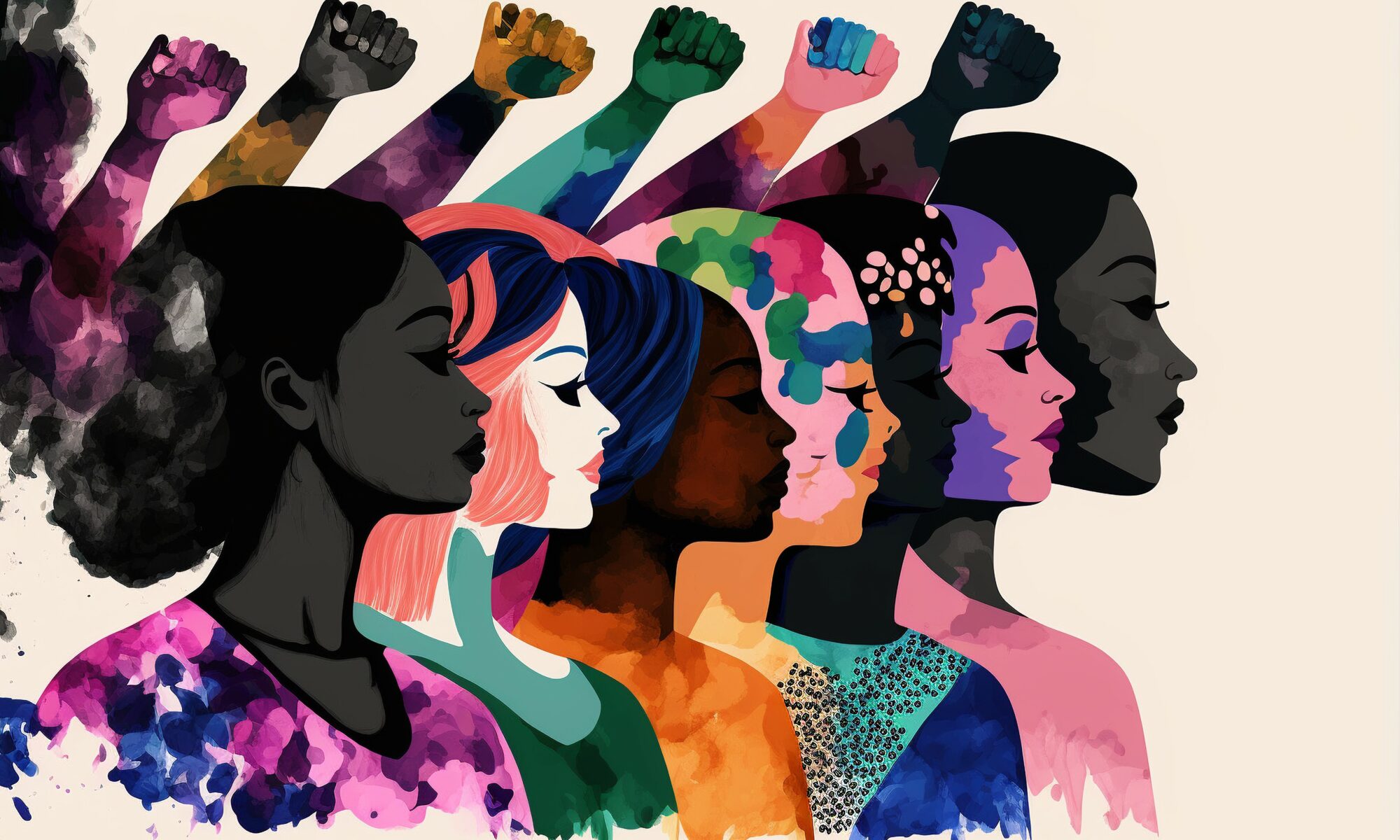
No Woman Should Have to Endure Sexual Harassment to Earn a Living

Pay discrimination, Forced arbitration clauses challenge consumers, employees. Helmer Friedman LLP aggressively protect your rights.

No Woman Should Have to Endure Sexual Harassment to Earn a Living: Lessons from the $900,000  Settlement with California Produce Company

In a powerful affirmation of women’s rights in the workplace, the U.S. Equal Employment Opportunity Commission (EEOC) settled a sexual harassment lawsuit against Fresh Venture Foods, LLC, based in California, and agreed to pay $900,000 to women who suffered harassment and to adopt strict measures to prevent such abuse in the future.

A Story Too Common, Yet Too Often Unheard

The lawsuit revealed that female workers experienced repeated sexual advances, inappropriate touching, and lewd comments from male supervisors—treatment no one should ever be forced to tolerate. Even more distressing, some women who spoke out faced retaliation, such as reduced hours or losing their jobs entirely. These actions did not just violate the law—they violated basic human dignity.

For many women in agriculture and other low-wage industries, reporting harassment can mean risking their livelihood and their family’s well-being. Cultural barriers, fear of not being believed, and the threat of retaliation can silence even the most egregious abuses. This reality is unacceptable in any society that values justice and equality.

A Step Toward Justice

The EEOC’s intervention resulted in more than just financial compensation. The settlement requires the companies to implement robust anti-harassment policies, train all employees and managers, and be monitored for compliance for three years. These changes are designed to create a safer, more respectful workplace.

But the real victory is in the message this case sends: No woman should have to choose between keeping her job and preserving her dignity. Sexual harassment is not the price of employment. It is a violation of fundamental rights.

Standing Up and Speaking Out

This case is a call to action for all employers to create environments where everyone—regardless of gender or background—is safe, valued, and heard. It’s also a reminder to those suffering in silence that they are not alone, and that help is available.

Conclusion

As a community, we must support those who come forward, hold offenders accountable, and demand change from those in power. Every worker deserves to earn a living free from fear of harassment or retaliation.

The EEOC’s settlement with Fresh Venture Foods, LLC is a step forward, but the fight for safe workplaces continues. Let us stand together to ensure that no woman—no person—has to endure harassment just to put food on the table. Dignity at work is not negotiable. It is a right.

Age Discrimination in the House: Impact on Employees

Workplace discrimination lawyers Helmer Friedman LLP.

Ageism at Work: The Hidden Cost to Employee Well-being

Ageism is one of the most underreported forms of workplace discrimination—and one of the most damaging. Older employees face a unique kind of professional erosion: the gradual stripping of responsibilities, the sting of dismissive comments, and the creeping fear that their careers are ending not on their own terms, but on someone else’s. The consequences extend far beyond the office.

This post examines how age discrimination harms employee well-being at every level—psychologically, professionally, and legally—and what workers can do when it happens to them.

What Is Ageism in the Workplace—and How Common Is It?

Workplace ageism refers to prejudice or discrimination against employees based on their age. It most commonly affects workers 40 years and older, manifesting through hiring bias, exclusion from training opportunities, reassignment of duties to younger colleagues, or outright dismissal.

The problem is widespread. According to the AARP, approximately two out of three workers between 45 and 74 say they have seen or experienced age discrimination on the job. Despite being illegal under federal law, it remains one of the most difficult forms of discrimination to prove—and one of the least reported.

“The treatment I endured in Congressman Troy Nehls’s office left me feeling depressed, humiliated, and insulted,” Countie wrote in his ethics complaint—”feelings I had never experienced during my years at the Drug Enforcement Administration and in association with the Army.”

The Psychological Toll of Age Discrimination

What makes ageism particularly insidious is the way it compounds over time. Unlike a single discriminatory incident, age-based prejudice often unfolds gradually—a dismissive remark here, a skipped invitation there—until the cumulative effect becomes undeniable.

For many workers, the psychological damage is severe. Studies have linked workplace age discrimination to decreased self-esteem, heightened anxiety, clinical depression, and reduced overall life satisfaction. Employees subjected to ageist treatment frequently describe feelings of humiliation and isolation that follow them outside of work—disrupting sleep, straining personal relationships, and diminishing their sense of professional identity.

Kevin Countie’s experience offers a compelling illustration. Countie, a retired Army colonel and former senior intelligence analyst with the U.S. Drug Enforcement Administration, was hired at age 63 as deputy chief of staff for Rep. Troy Nehls (R-TX). In a 2023 ethics complaint filed with the House Ethics Committee, Countie alleged that Nehls and his chief of staff, Robert Schroeder, created a hostile work environment for older employees.

According to Countie’s complaint, Nehls regularly referred to him as “the old colonel”—a nickname that spread to colleagues and office visitors alike. Younger staffers called him “old man,” a pattern Countie alleged Schroeder observed but never corrected. After a staff golf event, Countie wrote that Schroeder patted him on the back and called him “old timer.”

“The treatment I endured in Congressman Troy Nehls’s office left me feeling depressed, humiliated, and insulted,” Countie wrote in his ethics complaint—”feelings I had never experienced during my years at the Drug Enforcement Administration and in association with the Army.”

Nehls’ office dismissed the complaint as “baseless lies,” but the Ethics Committee appeared to be reviewing the allegation, with Countie interviewed by the committee in June 2025.

Professional Ramifications: More Than Just Hurt Feelings

Age discrimination rarely stops at words. In Countie’s case, the psychological harm was compounded by a systematic dismantling of his professional role.

By early 2022, he returned from vacation to find his business cards removed and his desk relocated to a less central position. His legislative portfolio—built on decades of military and intelligence experience—was progressively transferred to younger colleagues. Schroeder denied his requests to attend specialized training programs, instead prioritizing younger employees. Eventually, Countie was told he would not be needed in the next Congress.

This pattern—diminished roles, reassigned duties, stifled development, and eventual forced exit—is a hallmark of constructive dismissal driven by age bias. Another former Nehls staffer described a similar strategy in a 2022 letter: Schroeder had allegedly advised a colleague to “overwhelm” an older employee during training, with the explicit goal of compelling them to quit or retire.

The professional ramifications of such treatment extend beyond any single job. Older workers who are pushed out often face longer unemployment periods, reduced earning potential, and difficulty re-entering their industries—consequences that can reshape the trajectory of an entire career.

Legal Protections Against Age Discrimination

Workers facing age discrimination are not without recourse. Several layers of legal protection exist at both the federal and state levels.

The Age Discrimination in Employment Act (ADEA) of 1967

The ADEA is the primary federal law protecting workers from age discrimination. It covers individuals 40 years of age or older and applies to employers with 20 or more employees, including state and local governments, employment agencies, and labor organizations.

Under the ADEA, it is unlawful to discriminate against an employee because of age in any aspect of employment, including:

  • Hiring and firing
  • Compensation and benefits
  • Job assignments and promotions
  • Training opportunities
  • Layoffs

Importantly, the ADEA also prohibits retaliation against employees who oppose discriminatory practices, file a complaint, or participate in an investigation or legal proceeding.

The Older Workers Benefit Protection Act (OWBPA) of 1990

The OWBPA amended the ADEA to specifically prohibit employers from denying benefits to older employees. It also introduced strict requirements for valid ADEA waivers—ensuring that workers cannot be pressured into unknowingly signing away their rights. Among other standards, a valid waiver must be written in understandable language, allow at least 21 days for consideration, and provide seven days for revocation after signing.

State Protections

Many states provide even broader protections than federal law. California, for example, extends age discrimination protections to employers with five or more employees—a significantly lower threshold than the federal standard—and allows for greater damages in certain cases.

Strategies for Addressing Ageism

For Employees

Recognizing age discrimination is the first step—but acting on it requires documentation. If you believe you are experiencing age-based discrimination, start keeping a detailed record of incidents: dates, times, witnesses, and the specific conduct or remarks involved. Save relevant emails and communications.

From there:

  • Report concerns internally through your HR department or a formal complaint process, and document those reports as well.
  • File a charge with the EEOC. Before pursuing a federal lawsuit under the ADEA, employees must first file a charge with the Equal Employment Opportunity Commission (EEOC) within 180 days of the discriminatory act (or 300 days if state law also applies).
  • Seek legal counsel early. An experienced employment attorney can assess the strength of your claim, guide you through the filing process, and help you avoid procedural missteps that could jeopardize your case.

For Employers

Organizations that want to address ageism proactively should conduct regular audits of promotion, training, and layoff decisions to identify patterns of age bias. Anti-discrimination training should explicitly address ageism—not just race and gender. Mentorship and professional development programs should be accessible to employees across all age groups. And when complaints arise, they must be taken seriously and investigated promptly.


$1,643,000.00 Arbitration Award in Age Discrimination Case

Mr. Greg Helmer of Helmer Friedman LLP obtained an award on behalf of an employee who was discriminated against and harassed because of his age. At the time, the landmark arbitration award was reputed to be one of the largest ever received by an individual in a discrimination case.


Take Action Before It’s Too Late

Age discrimination is not a minor workplace inconvenience. For the workers who experience it, the damage is real—professionally, financially, and psychologically. And as Kevin Countie’s case demonstrates, even decades of distinguished service offer no immunity.

If you believe you have been discriminated against because of your age, the attorneys at Helmer Friedman LLP are here to help. With over 20 years of experience in employment discrimination law and a proven track record of significant settlements and court victories, our team provides the personalized, expert advocacy you deserve.

Contact us today for a confidential consultation and let us evaluate your case—because no worker should be forced out of their career simply for growing older.


Frequently Asked Questions About Age Discrimination

What qualifies as age discrimination under federal law?

Under the Age Discrimination in Employment Act (ADEA) of 1967, age discrimination occurs when an employer treats an employee or job applicant unfavorably because of their age. This applies to workers 40 and older and covers hiring, firing, pay, promotions, job assignments, training, and benefits. The ADEA applies to employers with 20 or more employees.

How do I prove age discrimination at work?

Proving age discrimination typically requires demonstrating a pattern of adverse treatment connected to your age. Evidence may include discriminatory comments, performance reviews that changed without cause, documentation showing younger employees were treated more favorably, or records of responsibilities being reassigned to younger colleagues. An employment attorney can help you build a compelling case.

Can I sue my employer for age discrimination if I was forced to retire early?

Yes. Forced early retirement or constructive dismissal driven by age bias may constitute a violation of the ADEA. If the circumstances of your departure were made intolerable due to age-related mistreatment, you may have a viable claim. Consulting an employment attorney is the best way to assess your specific situation.

How long do I have to file an age discrimination claim?

Under federal law, you generally have 180 days from the date of the discriminatory act to file a charge with the EEOC—or 300 days if your state has its own anti-discrimination law. Filing deadlines are strict, so it is important to seek legal counsel as soon as possible.

Does age discrimination law protect workers under 40?

The ADEA specifically protects workers 40 years of age and older. However, some state laws may offer broader protections. In California, for example, the Fair Employment and Housing Act (FEHA) provides protections that go beyond the federal standard in several key areas.


Combating Workplace Sexual Harassment: Your Legal Rights

The law ensures a workplace free from sexual harassment -Helmer Friedman LLP.

Breaking the Silence: Combating Sexual Harassment in the Workplace

The statistics are alarming, but the stories behind them are even more harrowing. According to recent data from the Equal Employment Opportunity Commission (EEOC), sexual harassment complaints are surging. In 2024 alone, complainants filed 35,774 claims, representing a staggering 32% increase since 2022. This sharp rise indicates that despite increased awareness, workplaces across the country remain dangerous environments for thousands of employees.

Sexual harassment is not merely an uncomfortable social interaction; it is an unlawful violation of civil rights that can derail careers and shatter mental health. Whether it manifests as subtle, derogatory comments or overt physical assault, the impact on the victim is profound. For those navigating this difficult terrain, understanding the legal landscape is the first step toward justice. It is crucial to recognize what constitutes harassment, how the law protects employees, and the specific recourse available for those forced to endure a hostile work environment.

Understanding the Legal Definitions

To combat harassment, one must first define it. Both federal and state laws provide clear frameworks for what constitutes illegal conduct. Under the California Fair Employment and Housing Act (FEHA), harassment based on sex is broadly defined. It includes not only sexual harassment but also gender harassment, gender expression harassment, and harassment based on pregnancy, childbirth, or related medical conditions.

The EEOC creates a distinction between isolated incidents and a pervasive culture of abuse. While the law doesn’t prohibit simple teasing or offhand comments, conduct becomes illegal when it is so frequent or severe that it creates a hostile work environment. This occurs when a reasonable person would find the workplace intimidating, hostile, or offensive.

Furthermore, the victim does not have to be the person directly harassed; they can be anyone affected by the offensive conduct. The harasser can be a supervisor, a co-worker, or even a non-employee like a client or independent contractor. Crucially, the victim and the harasser can be of any gender, and unlawful sexual harassment may occur without economic injury to the victim.

Case Study: The Midwest Farms Settlement

Legal definitions often feel abstract until they are applied to real-world scenarios. A recent case involving a Colorado agribusiness, Midwest Farms, LLC, illustrates the grim reality of unchecked workplace harassment and the consequences for employers who fail to protect their staff.

In February 2026, the EEOC announced a $334,500 settlement with Midwest Farms after an investigation revealed a pattern of routine sexual abuse. The investigation began when a former employee, hired as a swine production trainee, filed a complaint. Her role involved transporting hogs and cleaning buildings, a job that required her to “shower in” at the start of her shift.

The details of the case paint a disturbing picture of power abuse. On at least three occasions, the woman’s manager barged into the women’s dressing room without knocking while she was undressing. In one instance, he watched her shower. In another humiliating power play, he forced her to work a shift in a man’s jumpsuit without undergarments.

When the employee attempted to report this behavior to the production manager, she was told to “work things out” on her own. This failure to act is a common theme in harassment cases. The company not only ignored the complaints but also allegedly retaliated against the women who spoke up. The settlement provided financial restitution to the victim and two others, serving as a reminder that employers are liable for their supervisors’ conduct.

Recognizing the Spectrum of Harassment

Harassment rarely looks the same in every case. It exists on a spectrum, ranging from verbal slurs to physical assault. The California Department of Fair Employment and Housing categorizes these behaviors into three distinct types:

Visual Conduct

This includes leering, making sexual gestures, or displaying suggestive objects, pictures, cartoons, or posters. In the digital age, this also extends to sending explicit images or emails. If a workspace is decorated with materials that objectify a specific gender, it contributes to a hostile environment.

Verbal Conduct

This is often the most pervasive form of harassment. It includes making or using derogatory comments, epithets, slurs, and jokes. It also encompasses verbal sexual advances, propositions, and graphic commentaries about an individual’s body. Even “compliments” can be harassment if they are unwanted, sexual in nature, and pervasive.

Physical Conduct

This includes touching, assault, or impeding and blocking movements. As seen in the Midwest Farms case, physical harassment can also involve invasion of privacy, such as intruding on an employee while they are changing or showering.

The Trap of “Constructive Discharge”

A common misconception is that an employee cannot sue for wrongful termination if they quit their job. This is legally incorrect due to the concept of constructive discharge.

Constructive discharge occurs when an employee resigns because the working conditions have become so intolerable that a reasonable person in their position would have felt compelled to leave. In the eyes of the law, this is treated as a firing.

In the Midwest Farms case, the victim resigned in November 2018, less than two months after her employment began. She did not leave because she wanted to; she left because the environment was unsafe. If an employer allows a hostile work environment to persist, they may be held responsible for the resignation as if they had terminated the employee themselves.

Employer Liability and Federal Protections

Federal law, specifically Title VII of the Civil Rights Act of 1964, prohibits sexual harassment. This applies to employers with 15 or more employees, including state and local governments, labor organizations, and employment agencies.

Employers have a legal duty to prevent harassment and to take immediate and appropriate corrective action when it is reported. When an employer fails to do so—or worse, retaliates against the victim—they expose themselves to significant liability.

Retaliation is a critical component of many harassment lawsuits. It is illegal for an employer to fire, demote, or deny benefits to an employee because they refused sexual favors or complained about harassment. Even if the underlying harassment charge is not proven, a company can still be found liable for retaliation.

Taking Action: Steps for Victims

If you suspect you are being subjected to a hostile work environment, taking the right steps early can significantly impact the outcome of a potential legal case.

  1. Document Everything: Keep a detailed record of every incident. Note the date, time, location, witnesses, and exactly what was said or done. Save emails, text messages, and any other physical evidence.
  2. Report the Behavior: Follow your company’s policy for reporting harassment. If possible, do this in writing so there is a paper trail. As seen in the Midwest Farms case, verbal complaints can be dismissed or ignored.
  3. Do Not Use Artificial Intelligence (AI): To Conduct Research About Your Situation. The reason for this recommendation is that your AI conversations are not protected from discovery by the other side. Unlike your communications with attorneys, which are protected by the attorney–client privilege, any conversations that you have with AI platforms are completely discoverable by the opposing party.
  4. Consult an Attorney: Before you do anything, immediately seek legal representation. Because sexual harassment cases can be complex and fact-specific, it is very important to bring on board an experienced retaliation attorney who can help evaluate the merits of your claim and guide you through the legal process. The attorneys at Helmer Friedman LLP can help determine if the conduct meets the legal standard for a hostile work environment or constructive discharge.
  5. File a Complaint: You may need to file a charge of discrimination with the EEOC or a state agency like the California Department of Fair Employment and Housing before filing a lawsuit.

Cultivating a Culture of Safety

The rise in harassment claims suggests that corporate culture still has a long way to go. No employee should have to choose between their dignity and their paycheck. While settlements like the one in Colorado provide some measure of justice, the ultimate goal is prevention.

By understanding your rights and recognizing the signs of a hostile work environment, you empower yourself to take action. Whether it is documenting abuse, filing a claim, or seeking legal counsel, silence is no longer the only option.

Systemic Gender Bias in Academia: Manifestations & Legal Recourse

Constitutional rights, discrimination lawyers of Helmer Friedman LLP.

Systemic Gender Bias in Academia: Why the Ivory Tower is Still Tilting

The image of academia is often one of pure meritocracy—a place where ideas reign supreme and the sharpest minds rise to the top, regardless of who they are. But peel back the ivy-covered façade, and a different reality emerges. For many women, the academic ladder is missing rungs, and the “publish or perish” culture comes with an unwritten addendum: navigate a labyrinth of bias or risk your career.

While universities pledge diversity and inclusion in glossy brochures, the data—and the lawsuits—tell a starkly different story. Systemic gender bias isn’t just about a single sexist professor or one overlooked promotion; it is the silent architecture of the institution itself. It is woven into pay scales, embedded in tenure reviews, and whispered in the hallways where “culture fit” becomes a convenient excuse for exclusion.

This blog explores the pervasive nature of systemic gender bias in higher education, moving beyond anecdotes to examine the structural barriers that continue to hold women back. We will look at how this bias manifests, the toll it takes on brilliant careers, and why recent legal battles, such as the one against California State University, are exposing cracks in the system.

Defining Systemic Gender Bias

It is crucial to distinguish between individual bias and systemic bias, though they often feed into one another. Individual bias refers to the specific prejudices or actions of a single person—a department head who believes women aren’t “serious” researchers, for example.

Systemic bias, however, is far more insidious. It refers to the policies, practices, and cultural norms that disadvantage a specific group across an entire organization or sector. In academia, this looks like tenure clocks that don’t account for maternity leave, teaching evaluations that consistently rate women lower than men for identical performance, and salary algorithms that perpetuate historical pay gaps. It is not just a “bad apple” problem; it is a “rotten barrel” problem.

Manifestations of Gender Bias in Academia

Systemic bias manifests in nearly every facet of academic life, creating a cumulative disadvantage for women that researchers often call “death by a thousand cuts.”

Hiring and Promotion Disparities

Despite earning the majority of doctoral degrees in many fields, women remain significantly underrepresented in tenured positions and leadership roles. The “leaky pipeline” phenomenon sees women dropping out of academia at higher rates than men at every stage of career progression. This is often due to vague criteria for “leadership potential” that favor traditionally masculine traits, leading to women being passed over for deanships and presidencies.

The Persistent Pay Gap

The ivory tower is not immune to the wage gap. A study by the California State University Employees Union found that white women are paid roughly 5% less than white men, while women of color face a nearly 7% disparity compared to white men. These gaps often start at the initial hiring offer and compound over decades, resulting in significantly lower lifetime earnings and retirement savings for female academics.

Research Opportunities and Funding

Access to grants is the lifeblood of academic research. Yet, studies consistently show that women receive smaller grants than men and are less likely to receive funding for follow-up research. This lack of resources restricts the scope of their work, reduces their publication output, and ultimately hampers their chances for tenure and promotion.

Recognition and Awards

Women are also less likely to be nominated for or win prestigious awards. This lack of recognition renders their contributions invisible, reinforcing the false narrative that male academics are the primary drivers of innovation and scholarship.

Workplace Climate and Harassment

Perhaps the most damaging manifestation is a hostile workplace climate. This ranges from overt sexual harassment to constant microaggressions—being interrupted in meetings, having ideas appropriated by male colleagues, or being addressed informally while male peers are called “Doctor.”

Case Study: The California State University Lawsuit

The theoretical framework of systemic bias becomes starkly real when we look at recent litigation. A high-profile lawsuit against the Board of Trustees of the California State University (CSU) serves as a potent example of how these issues play out in real time.

Plaintiffs Dr. Clare Weber and Dr. Anissa Rogers alleged a “cesspool of gender harassment and discrimination” within the CSU system. Their complaint detailed a culture where female executives were routinely paid less than their male counterparts—specifically, female Vice Provosts earned approximately 7% less on average.

The allegations painted a disturbing picture of leadership. The lawsuit claimed that high-ranking officials, including President Tomás Morales and Dean Jake Zhu, created a culture of fear. They were accused of “ranting” at female employees, holding them to higher standards than men, and subjecting them to “screaming rampages.” Dr. Zhu allegedly mocked Dr. Rogers for using gender pronouns in her Zoom name and told Dr. Deirdre Lanesskog, a female professor, “women need to have the bigger heart for her male colleagues.”

Perhaps most damning was the alleged institutional response. Instead of addressing the complaints, the lawsuit claims CSU silenced the victims. Dr. Rogers and Dr. Weber were allegedly directed to lie to colleagues and students by saying they were “resigning,” under threat of being fired. This retaliation highlights a critical component of systemic bias: the protection of the institution over the protection of its employees.

The outcome was significant: Dr. Anissa Rogers was awarded $6 million in a jury verdict for the emotional distress and personal toll of this discrimination. This victory underscores that these are not just “HR issues”—they are violations of civil rights.

The Impact of Gender Bias

The fallout from systemic bias extends far beyond the individuals directly involved.

Individual Impact: For women in academia, the toll is heavy. Beyond the financial loss from pay gaps, there is a profound psychological cost. The stress of navigating a hostile environment can lead to burnout, anxiety, and a loss of confidence. Brilliant careers are derailed, and many women simply leave the profession entirely, taking their expertise with them.

Institutional Impact: When bias goes unchecked, universities lose out on talent, innovation, and diverse perspectives. A homogeneous faculty is less equipped to mentor a diverse student body or tackle complex global problems. Furthermore, lawsuits like the one against CSU damage an institution’s reputation, making it harder to recruit top talent in the future.

Addressing Systemic Gender Bias

Dismantling systemic bias requires more than lip service; it demands structural change.

  • Policy Overhauls: Institutions must implement transparent audits of pay and promotion. Salary algorithms should be reviewed to ensure they don’t carry forward historical inequities.
  • Accountability: There must be real consequences for harassment and discrimination, regardless of a perpetrator’s tenure status or grant income. “Rainmakers” cannot be exempt from professional conduct standards.
  • Mentorship and Sponsorship: Formal mentorship programs can help women navigate the unwritten rules of academia, while sponsorship programs can ensure women are actively championed for leadership roles.
  • Unconscious Bias Training: While not a silver bullet, training can help search committees and tenure boards recognize and mitigate their biases during decision-making.

A Call for Equitable Change

Systemic gender bias in academia is a formidable foe, deeply entrenched in tradition and power structures. However, as the $6 million verdict against CSU demonstrates, the tide is turning. Legal action is becoming a powerful tool for holding institutions accountable.

If you believe you have faced systemic discrimination, harassment, or retaliation in your academic career, you are not alone, and you have rights. Silence only serves the system. By speaking out and seeking legal counsel, you contribute to dismantling the barriers that have held women back for too long.

We must demand an academia that lives up to its ideals—where merit matters more than gender, and where every scholar has an equal opportunity to thrive.

Toxic Workplaces Created by Racial Harassment

Haitian welder experienced extreme racial harassment at work.

Fednol Pierre’s Ordeal at Waste Pro: A Call for Change Against Racial Harassment

Racial harassment in the workplace is not just dehumanizing—it is illegal. Fednol Pierre’s experiences at Waste Pro serve as a heartbreaking reminder of how prejudice can transform a job into a daily battle for dignity and respect. His story underscores the urgent need to confront racism, hold employers accountable, and demand better workplaces for everyone.

A Devastating Pattern of Harassment

When Fednol Pierre started working at Waste Pro, he quickly found himself the target of racial harassment that went far beyond isolated incidents. On his first day, a co-worker dismissed him with hostility, saying, “There is no need for you here,” followed by a racial slur. This was just the beginning of a pattern of abuse that would escalate over the days and weeks.

Colleagues bombarded Pierre with offensive remarks, including statements such as:

  • “Go back to Haiti, (n-word);”
  • “Y’all don’t belong here;”
  • “Go back on the banana boat;”
  • “This is Trump country.”

These heinous and openly hostile comments were not whispered—it all happened in the presence of other employees, making the atmosphere suffocating and reinforcing a toxic workplace culture.

The harassment became even more deliberate when Pierre and another Black employee discovered a stuffed monkey holding an American flag deliberately placed in his work area. This cruel and degrading act, described in a lawsuit as placing a “gorilla” in his space, was a clear attempt to humiliate him further.

When Pierre tried to address the abuse, retaliation followed. Co-workers began to isolate him by refusing to communicate about auto-repairs. They deliberately assigned him the hardest welding tasks during the night shifts. To make matters worse, they locked essential welding tools in personal lockers, deliberately hampering his ability to complete his duties.

A Violation of Federal Protections

Actions like those endured by Pierre are not just morally repugnant — they are blatant violations of Title VII of the Civil Rights Act of 1964. This federal employment law explicitly prohibits employers from discriminating against employees based on their race and forbids harassment, including creating a hostile work environment and retaliating against individuals who report such behavior.

By allowing such harassment to occur—unchecked—and by retaliating against Pierre for seeking accountability, Waste Pro likely failed to meet even the most basic legal obligations of workplace equity and fairness.

The Emotional Toll of Discrimination

The psychological effects of discrimination and harassment are profound and far-reaching. For Pierre, enduring these attacks day after day likely meant confronting trauma that impacts not only his ability to thrive professionally but also his overall mental well-being.

It’s hard to quantify the exhaustion that comes from working in a space where you are devalued, demeaned, and deliberately targeted. Victims like Pierre often experience anxiety, depression, and an enduring sense of isolation. How can anyone focus on doing their best work when they’re constantly bracing for the next insult or act of sabotage?

Beyond individuals, the emotional toll of harassment has ripple effects. Toxic workplaces are breeding grounds for disengagement, reduced morale, and high turnover. They harm not only victims but entire organizations, stunting growth, fostering distrust, and eroding productivity.

The Cost to Society and Culture

Workplace harassment like this doesn’t just erode individual dignity; it undermines societal progress. When toxic behaviors are tolerated or ignored, they perpetuate patterns of inequality while discouraging talented individuals from contributing fully to the workforce.

Every incident that goes unaddressed normalizes discriminatory behavior and creates additional layers of silence. When victims learn not to speak up out of fear of retaliation—or when perpetrators face no consequences—workplace harassment becomes embedded, perpetuating harm for future generations.

Why Reporting Discrimination is Crucial

Creating meaningful change begins with exposing injustices. Reporting harassment and holding employers accountable are essential steps in dismantling toxic cultures. Individuals, however, should not have to carry the burden of change alone. It requires collective action from employers, colleagues, and advocates.

Employers must take proactive steps to foster safe workplaces, respond rapidly to complaints, and actively combat racism and intolerance. Colleagues need to be active allies, calling out harmful behavior and supporting those who speak up. Society as a whole must demand transparency and consequences for organizations that fail to meet their legal and ethical responsibilities.

Steps You Can Take to Create Safer Workplaces

If you or someone you know has experienced racial harassment, here are practical steps to support victims and advocate for justice:

  1. Document Everything: Victims should keep a detailed record of every incident, noting dates, times, locations, and any witnesses. This evidence is invaluable in pursuing legal action.
  2. Report Harassment Promptly: Notify supervisors, human resources, or use the company hotline systems to report instances of discrimination. If those channels fail, external organizations like the EEOC provide additional avenues for assistance.
  3. Seek Legal Counsel: Victims of harassment and retaliation should consult experienced employment attorneys to understand their legal rights and options for pursuing justice.
  4. Educate Yourself and Others: Encourage anti-discrimination training in workplaces and spread awareness about the signs of workplace bias and harassment.
  5. Be an Ally: Stand up against injustice when you witness it. Support coworkers who come forward by listening, believing, and amplifying their voices.
  6. Advocate for Stronger Policies: Push for diversity initiatives, zero-tolerance harassment policies, and clear repercussions for offenders.

The Fight for Fairness Continues

The racial harassment that Fednol Pierre endured at Waste Pro is a sobering reflection of the systemic issues that still plague workplaces across our nation. But stories like his are also calls to action. By shining a light on these injustices, insisting on accountability, and standing in solidarity with those who demand change, we can build a better future.

This fight is not just about protecting individual victims of harassment. It’s about ensuring workplaces everywhere are safe, equitable, and empowering spaces—where everyone, regardless of race, ethnicity, or background, can thrive.

Now is the time for action. Together, we can stop harassment and discrimination once and for all.

PATIENTS ALLEGE SANTA MONICA AREA PHYSICIAN ENGAGED IN INAPPROPRIATE CONDUCT DURING BREAST EXAMS

Two Former Patients of Dr. Lawrence H. Resnick Allege that Their HMO referred them to Dr. Resnick Despite Knowing of Alleged Propensity                                                 
June 8, 2011:  Today, two former patients of Dr. Lawrence H. Resnick filed a lawsuit against the Santa Monica-based physician and his clinic, the Woman’s Breast Center, alleging that he engaged in inappropriate, unprofessional and offensive conduct during breast examinations.  The patients, Angela Crickman and Lisa Grebe, also asserted claims against their HMO, Bay Area Community Medical Group (“Bay Area”), alleging that Bay Area referred them to Dr. Resnick despite knowing that he had a pattern, practice and/or history of engaging in such conduct.  Among other things, they allege that Bay Area had received complaints from other female patients and that Bay Area knew, or should have known, that Dr. Resnick had been sanctioned by the Medical Board of the State of California for engaging in unprofessional conduct during a breast examination.  See http://www.medbd.ca.gov/publications/hotsheet_2008_01.pdf   http://www.medbd.ca.gov/publications/hotsheet_2008_01.pdf).Ms. Crickman (but not Ms. Grebe) has also asserted a claim against her primary health care provider, Peak Medical Group, Inc. (“Peak Health”), for allegedly referring her to Dr. Resnick despite knowing of his propensity to engage in inappropriate conduct during breast examinations.  Bay Area has since been acquired by UCLA Health Systems.

In the Complaint, which was filed in Los Angeles County Superior Court (Case No. BC463109), Ms. Crickman alleges, among other things, that Dr. Resnick was flirtatious and suggestive, and made numerous inappropriate comments about her physical appearance, while he conducted an ultrasound examination of her breasts.  Ms. Grebe similarly alleges that Dr. Resnick engaged in sexually offensive, flirtations and suggestive conduct toward her while performing an examination.  She also alleges that he kissed her on the cheek.

In their Complaint, Ms. Crickman and Ms. Grebe assert claims for sexual harassment by a physician in violation of California Civil Code Sections 51.9 and 52, intentional infliction of emotional distress and negligence.  They have also asserted claims (by Ms. Crickman against Bay Area and Peak Health; by Ms. Grebe against Bay Area) that defendants violated the California Unruh Act, alleging that the defendants failed to provide or apply the same level of scrutiny to physicians to whom they referred their female patients as they did to those to whom they referred their male patients.

Commenting about these allegations, plaintiffs’ attorney, Gregory D. Helmer of Helmer • Friedman, LLP, said, “In the fight against breast cancer, it is well known that early detection and diagnosis is critically important.  While these are allegations at this point, it is obviously critical  that there be nothing – including the conduct of a physician – that might discourage patients from seeking diagnostic examinations.”

For additional information or a PDF copy of the Complaint, contact:
            Gregory D. Helmer (ghelmer@helmerfriedman.com)
            Andrew H. Friedman (afriedman@helmerfriedman.com)
            Kenneth A. Helmer (khelmer@helmerfriedman.com) 
            Helmer • Friedman, LLP, (310) 396-7714                                         
            (www.helmerfriedman.com)

Copyright © 2011 Helmer Friedman, LLC. All rights reserved. Publication rights granted so long as article and byline are reprinted intact, with all links made live.