Workplace Harassment Victims: Legal Recourse & Rights

Sexual harassment, race discrimination and retaliation lawyers of Helmer Friedman LLP.

Facing Workplace Harassment? Know Your Legal Rights

Workplace harassment can leave deep psychological scars and disrupt promising careers. When an employer permits a toxic culture to thrive, employees often feel isolated, intimidated, and powerless. It’s important to recognize that silence only serves to empower those who engage in abusive behaviors. Understanding your legal rights is a vital first step in reclaiming your dignity and livelihood. This guide aims to illuminate the legal options available for victims of workplace harassment, helping you to hold both perpetrators and negligent employers accountable.

Understanding Workplace Harassment

Harassment can take many forms, including physical assault, verbal abuse, visual displays of derogatory images, or explicit threats. Under federal law, such as Title VII of the Civil Rights Act of 1964, as well as state laws like California’s Fair Employment and Housing Act (FEHA), both sex discrimination and sexual harassment are strictly prohibited.

It’s important to know that harassment can occur from anyone— a direct supervisor, a coworker, an agent of the employer, or even a non-employee like a client. For behavior to be deemed illegal, it typically must be unwelcome and severe or pervasive enough to create a truly hostile work environment. Sometimes, it may involve “quid pro quo” situations, where job benefits are unjustly linked to sexual favors.

Initial Steps for Victims

If you’re facing harassment, taking immediate action is essential for your well-being and for any potential legal claims you may wish to pursue. Start by documenting each incident carefully. Record the dates, times, locations, and specific details of what occurred, including the names of any witnesses.

After documenting everything, report the behavior internally in line with your company’s official policy—usually by speaking to Human Resources. Preserving this evidence and demonstrating that your employer was made aware of the situation can significantly strengthen your legal position.

Legal Avenues: EEOC and Lawsuits

Victims have robust legal mechanisms to seek justice. The U.S. Equal Employment Opportunity Commission (EEOC) investigates workplace discrimination and can litigate against negligent companies. For example, the EEOC sued GEM Management, LLC, alleging the property management company ignored a site manager’s reports of severe coworker harassment.

When companies fail to protect their staff, the financial and public consequences are severe. In the related settlement for the GEM Management lawsuit, the company—operating as Fitch Irick Management—was ordered to pay $90,000. Furthermore, the court mandated sweeping policy revisions and management training. In this case, the harasser threatened to shoot and torture the victim, forcing her to resign. This scenario is a textbook example of a constructive discharge claim, where an employee quits because the working conditions become intolerable.

Beyond the EEOC, victims can file private lawsuits in state or federal court. Juries frequently penalize institutions that turn a blind eye to abuse. Recently, a jury awarded $6 million to Dr. Anissa Rogers, a former Associate Dean at California State University, San Bernardino. Despite multiple reports of harassment by a superior, the university failed to intervene, resulting in her constructive dismissal. Successful litigation can yield significant remedies, including compensation for emotional distress, lost wages, and punitive damages.

Why Legal Action Matters

Filing a claim goes beyond securing personal compensation; it promotes accountability within organizations. When brave individuals come forward, they shine a light on systemic failures and urge companies to adopt strict anti-harassment policies. By taking legal action, you’re not just advocating for yourself; you’re helping to prevent others from experiencing similar trauma and ensuring that abusers face real, lasting consequences for their actions. Your courage can make a difference.

Reclaiming Your Future and Seeking Justice

You don’t have to endure an abusive or hostile work environment alone. It’s important to know that the law offers powerful tools to help fight against discrimination. However, navigating the legal system can be challenging, which is why experienced advocacy is crucial. By exploring your legal options, you can move from feeling like a victim of harassment to becoming an empowered agent of change.

If you or someone you care about has faced sexual harassment, retaliation, or a hostile workplace, please know that you deserve compassionate and confidential support. The expert employment attorneys at Helmer Friedman LLP are here to help you. Reach out to them today at (310) 396-7714 to discuss your situation and take the first step towards seeking justice. You are not alone in this journey.

When Workplace Harassment Turns Threatening and Your Employer Ignores You

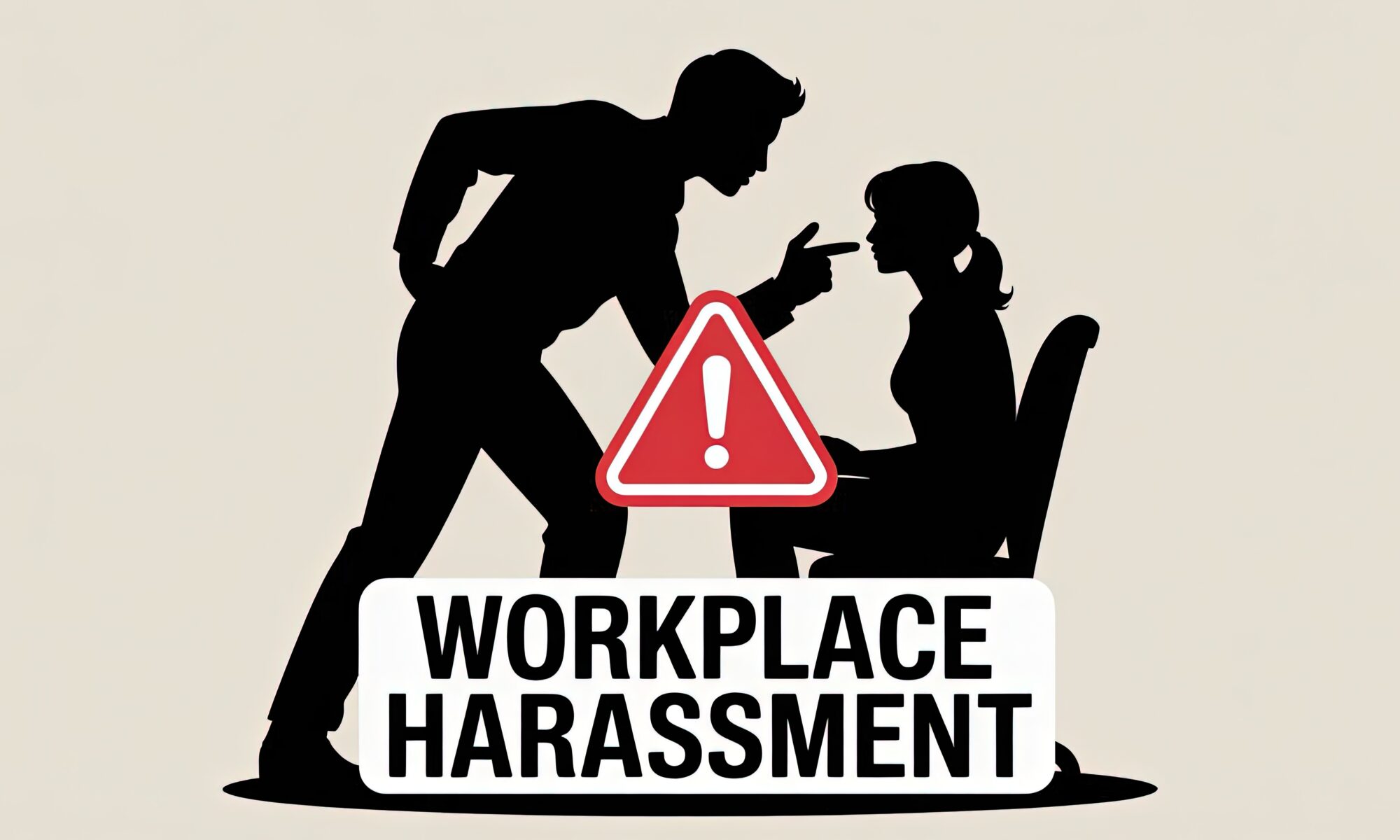
Workplace harassment stark silhouette depicting a scene of hostile work environment.

San Diego Health Alliance Harassment Case: A $105M Verdict

How much is an employee’s safety and dignity worth? When a worker reports a hidden camera in a company restroom, they expect a swift, protective response. They certainly do not expect to be fired for speaking up. Yet, for one substance abuse counselor in California, exposing severe misconduct led to a sudden and retaliatory termination.

This is the reality at the center of the recent Michelle Giaquinta case. As a dedicated counselor entrusted with the care of vulnerable patients, she exposed alarming conditions and blatant safety violations. Instead of taking corrective action, her employer silenced her. Her story serves as a stark, distressing example of workplace harassment and corporate retaliation.

This blog post will delve into the details of the San Diego Health Alliance lawsuit, explore the broader legal landscape of workplace sexual harassment in California, and discuss the critical implications for both employees and employers.

The Michelle Giaquinta v. San Diego Health Alliance Case

Michelle Giaquinta worked as a substance abuse counselor at Fashion Valley Comprehensive Treatment Center, a subsidiary of Acadia Healthcare, Inc. She performed her duties well, receiving praise from direct supervisors for her meticulous documentation skills. But her career took a dramatic turn when she uncovered deeply disturbing behavior by a colleague.

A Courageous Report Met with Silence

“This verdict sends a clear message that no employer, especially one entrusted with the care of vulnerable patients, can silence a courageous employee who speaks up about harassment and safety failures,” said Justin Walker of Walker Law, PC. “Michelle did exactly what the law asks of every employee, and she paid for it with her job. The jury’s verdict restores her name and holds this company accountable.”

Giaquinta reported to management that she was being sexually harassed by a fellow counselor. She believed this individual had placed a hidden camera inside an employee bathroom. The alleged harasser even admitted that his fingerprints would be found on the device. Despite this alarming admission, management failed to report the allegations to state investigators within the legally required 24-hour window. In fact, they never reported the allegations at all.

One day after management dismissed Giaquinta’s serious complaints as “unfounded,” a patient ran through the facility screaming that the very same counselor had sexually harassed her. Instead of notifying state regulators about this severe patient safety incident, the facility took a different route. They terminated both the alleged harasser and Giaquinta on the exact same day.

Retaliation and Pretextual Termination

At trial, the company claimed Giaquinta was fired for failing to properly document a patient interaction. However, her trial counsel presented compelling evidence proving that management never investigated this supposed documentation failure. Through cross-examination, defense witnesses admitted that regulatory auditors arrived on site the day after Giaquinta was suspended without pay. Management fired her to prevent her from disclosing the company’s egregious failure to address her safety and harassment reports.

A Historic $105 Million Verdict

The jury saw through the company’s defense. They found that management had unlawfully retaliated against Giaquinta and that their conduct involved malice, oppression, and fraud. The San Diego Superior Court jury awarded a staggering $105 million in damages. This included $70 million in punitive damages, sending a clear message that employers cannot silence courageous employees who speak up about harassment and safety failures.

Understanding Workplace Sexual Harassment in California

The Giaquinta case highlights the severe consequences of ignoring harassment. In California, sexual harassment is illegal and recognized as a form of sex discrimination. Employees are strongly protected under the California Fair Employment and Housing Act (FEHA), which strictly regulates how employers must handle these incidents.

The Legal Framework and FEHA

Under FEHA, sexual harassment covers a wide range of offensive behaviors. This includes unwanted sexual advances, derogatory comments, visual displays of suggestive objects, and physical conduct like touching or blocking movements. The law protects individuals against harassment based on sex, gender, gender identity, gender expression, sexual orientation, pregnancy, and childbirth.

Employer Liability and Responsibilities

In California, employers face strict liability for any sexual harassment committed by their supervisors. If a supervisor harasses an employee, the employer is automatically responsible for the harm caused. Furthermore, an employer can be held liable for harassment committed by a co-worker or a non-employee (such as a client) if the employer knew or should have known about the conduct and failed to take immediate corrective action. Employers are legally obligated to create robust prevention policies, conduct thorough investigations, and address complaints objectively and completely.

Types of Sexual Harassment Claims

Sexual harassment complaints generally fall into three categories:

  • Denial of job or benefits: An employee is fired, denied a promotion, or penalized for refusing sexual favors or reporting harassment. Retaliation is completely illegal.
  • Constructive discharge: An employee is forced to resign because they can no longer bear a deeply offensive work environment.
  • Offensive work environment: An employee is subjected to unwanted, pervasive sexual advances or inappropriate behavior that alters the conditions of their employment.

The Equal Employment Opportunity Commission (EEOC) recently reported a massive surge in these claims. In 2024, complainants filed 35,774 harassment claims, representing a 32% increase from 2022. This rising trend underscores the ongoing prevalence of workplace hostility.

Implications for Employees Facing Harassment

If you experience or witness harassment, knowing your rights is your strongest defense. You do not have to endure a hostile work environment in silence.

First, follow your employer’s internal procedures for reporting misconduct. Document every incident, including dates, times, and witnesses. Reporting harassment legally protects you against retaliation. If your employer fails to take action or if they retaliate against you by demoting or firing you, you have clear legal avenues to pursue justice.

Victims of unlawful harassment may be entitled to substantial remedies. These can include economic damages for lost wages, emotional distress damages, punitive damages to punish the employer’s malicious behavior, and the recovery of attorney fees. A confidential consultation with an experienced employment lawyer can help you navigate this complex process and empower you to hold wrongdoers accountable.

Implications for Employers and Corporate Responsibility

For business owners and managers, the $105 million verdict in the San Diego Health Alliance case serves as a massive warning. The cost of non-compliance is devastating, both financially and reputationally.

Employers must implement robust sexual harassment prevention policies. They must train all employees and supervisors regularly, ensuring everyone understands what constitutes harassment and how to report it. Most importantly, when a complaint is filed, employers must conduct prompt, impartial, and thorough investigations. Sweeping allegations under the rug or retaliating against whistleblowers will only lead to disastrous legal consequences. Fostering a safe, respectful, and legally compliant workplace culture is not just an ethical duty; it is a strict legal mandate.

Defending Your Right to a Safe Workplace

The Michelle Giaquinta case is a powerful reminder that justice can prevail against corporate negligence. An employer entrusted with vulnerable patients failed to protect its staff and its clients, choosing retaliation over accountability. The jury’s historic verdict restores Giaquinta’s name and reinforces the profound protections afforded to California workers.

Addressing workplace harassment is a critical responsibility. Employees must feel empowered to speak up without fear of losing their livelihoods, and employers must uphold their ethical and legal duties to prevent abuse.

If you or a loved one are facing discrimination, harassment, or wrongful termination, you deserve a proven advocate in justice. Reach out for a confidential consultation to explore your legal options. By standing up against unlawful behavior, you protect yourself and help ensure that workplaces remain safe for everyone.

Discrimination at Work – Know Your Rights

Laws protect against age, gender, race discrimination. Helmer Friedman LLP represents discrimination victims.

Know Your Rights Against Discrimination at Work

Discrimination at work rarely announces itself. It doesn’t usually arrive as a slur shouted across an office or a memo that says, in plain terms, “we don’t want people like you here.” Instead, it hides. It wears the language of policy. It comes dressed as a “reorganization,” a “fit issue,” or a sudden concern about your performance that nobody mentioned until you asked for time off or filed a complaint. By the time many employees realize what has happened, they’ve already been pushed out the door.

That quiet, procedural quality is exactly what makes workplace discrimination so dangerous—and so hard to challenge. Every year, thousands of workers are denied accommodations, demoted, or fired after asserting their rights, often without ever knowing that the law was firmly on their side.

This guide is here to change that. Below, you’ll learn the forms discrimination can take, the federal and state laws that protect you, what your employer can and cannot legally do, your protections against retaliation, and the practical steps for taking legal action—backed by real cases with real outcomes. Understanding your rights is the first step toward justice. And you don’t have to take that step alone.

What Counts as Discrimination at Work?

At its core, workplace discrimination means being treated unfairly because of a protected characteristic—something about who you are that the law says cannot be held against you. That includes race, color, religion, sex, national origin, age, disability, and more.

Discrimination can be overt, but more often it’s subtle. It shows up as heightened scrutiny aimed at one employee while others get a pass. It appears when a policy is suddenly enforced against you and no one else. It surfaces in a “pretextual” reason for termination—an excuse that sounds legitimate but conceals an unlawful motive.

Consider the lawsuit filed against Kate Spade and its parent company, Tapestry, involving a 58-year-old African American woman who alleged she faced bias based on race, age, and disability. Cases like hers illustrate a hard truth: discrimination frequently targets people at the intersection of more than one protected trait, and it rarely leaves a tidy paper trail confessing its true reasons.

A simple example makes it concrete. Imagine two employees arrive late on the same morning. One receives a written warning that later justifies her firing. The other—who differs only in age or race—gets a shrug. That uneven treatment, applied to a protected group, is what the law is built to catch.

The Laws That Protect You

Several powerful laws stand between you and unlawful treatment. Here are the ones that matter most.

  • Title VII of the Civil Rights Act prohibits discrimination based on race, color, religion, sex, and national origin. It is the backbone of American workplace civil rights.
  • The Americans with Disabilities Act (ADA) protects qualified individuals with disabilities and applies to employers with 15 or more employees.
  • The Family and Medical Leave Act (FMLA) provides eligible workers up to 12 weeks of unpaid, job-protected leave for serious health conditions, including their own or a family member’s.
  • The Age Discrimination in Employment Act (ADEA) protects workers 40 and older, while Section 1981 offers an additional path for challenging race discrimination.

Many states go further. California’s Fair Employment and Housing Act (FEHA), for example, covers employers with just five or more employees—far broader than federal law.

One term worth understanding under the ADA is “qualified individual.” That means someone who can perform a job’s essential functions, with or without a reasonable accommodation. You don’t lose protection simply because you need an adjustment to do your work well.

Your Right to Reasonable Accommodations

A “reasonable accommodation” is simply a change that allows a qualified employee to do their job. It isn’t a favor. It’s a legal right.

Common examples include:

  • Medical leave
  • Modified or flexible schedules
  • Job restructuring
  • Reassignment to a vacant position
  • Modified equipment or assistive technology
  • Relocating a workstation

Employers sometimes refuse, claiming “undue hardship.” But that bar is much higher than many companies pretend. Undue hardship requires proof of significant difficulty or expense, measured against the size and resources of the business. A large, well-funded employer will struggle to justify denying a modest schedule change.

Just as important is the interactive process—the employer’s legal duty to engage in a good-faith, back-and-forth conversation to find a workable accommodation. Ignoring that obligation, or going through the motions while planning to say no, is itself a violation. Silence is not a defense.

What Employers Cannot Do

The law draws firm lines. Among the actions employers cannot take:

  • Illegal medical inquiries. Before extending a job offer, an employer cannot ask about the existence, nature, or severity of a disability.
  • The “future harm” excuse. A mere possibility that something might go wrong someday is not a lawful basis for denying you a job or accommodation. Speculation is not evidence.
  • Blanket exclusion policies. Automatically shutting out an entire group based on a diagnosis is generally unlawful. Each person must be assessed individually, on their actual abilities.

And here’s a point worth repeating: “We just followed policy” is not a shield. When a policy is applied to you but quietly ignored for everyone else, the policy itself becomes evidence of discrimination.

Retaliation Is Illegal

Asserting your rights is protected activity. Requesting an accommodation, reporting discrimination, or participating in an investigation are all actions the law shields from punishment.

Watch for the warning signs of retaliation:

  • Sudden discipline after a complaint
  • A demotion that follows a request for leave
  • Termination shortly after you return from medical leave

Timing tells a story. In the Kate Spade/Tapestry case, the sequence is striking: a discrimination complaint in May, approved leave running into July, and termination in August. When adverse action follows so closely on the heels of protected activity, courts take notice—and so should you.

Real Cases, Real Outcomes

These rights aren’t theoretical. Workers who understood and pursued them have won meaningful results.

  • EEOC v. Geisinger Health. A nurse with 30 years of service was forced to compete for her own job after taking medical leave. The employer’s “most qualified applicant” policy was found to interfere with her ADA rights. The settlement: $450,000.
  • Western Distributing. A driver who had been medically cleared to return to work was buried under repeated demands for additional evaluations. The company ultimately paid $919,000 to resolve ADA and FMLA claims.
  • Needles v. 1928 Jewelry, Ltd. An age discrimination arbitration produced an award of $1,643,000—at the time, reported to be among the largest individual discrimination awards of its kind.

Each of these outcomes carries the same lesson: employees who know their rights, document their experiences, and pursue justice can hold even powerful employers accountable.

Do NOT Consult AI ChatBots

While exploring options for addressing potential discrimination cases, employees should NOT consult AI chatbots or other automated tools for legal advice. These tools can provide general information, but they do not offer attorney-client privilege, leaving sensitive information unprotected and potentially exposed. Sharing case specifics with AI platforms may risk the confidentiality of your case or even jeopardize its outcome. It is always advisable to seek guidance from a qualified attorney who can ensure your rights are safeguarded and provide tailored advice in the context of legal protections and privileges.

How to Take Legal Action

If you believe you’ve faced discrimination at work, here are the practical steps that protect your case.

  1. Document everything. Keep records of dates, conversations, emails, and any inconsistencies in how policies are applied to you versus others. Details matter, and memories fade.
  2. File a charge with the right agency. This often means the Equal Employment Opportunity Commission (EEOC) or a state agency such as the California Civil Rights Department. Many lawsuits cannot proceed until you’ve filed here first.
  3. Understand your “Notice of Right to Sue.” This document from the agency opens the door to filing a lawsuit in court.
  4. Mind the deadlines. Filing windows are strict and often short. Missing one can permanently bar your claim.

Act early. The sooner you involve experienced legal counsel, the more options you’ll have to protect your rights and preserve crucial evidence.

One more word of caution: do not rely on AI chatbots for legal advice about your situation. Your circumstances are specific, the stakes are high, and only a qualified attorney can properly evaluate your case.

Protect Your Rights Before It’s Too Late

Discrimination at work is often disguised as routine HR practice—a neutral policy, a sudden performance concern, a quiet reorganization. But beneath that surface, federal and state laws give you real, enforceable protections. You have the right to fair treatment, to reasonable accommodations, to a good-faith interactive process, and to speak up without fear of retaliation.

The cases above prove that even large employers with deep legal resources are held accountable. Workers who understand their rights and act on them can—and do—prevail.

If something at your workplace doesn’t feel right, trust that instinct and get answers. Contact Helmer Friedman LLP for a free, confidential consultation. With more than 20 years of experience and a proven track record in discrimination and wrongful termination cases, our team is ready to listen, explain your options, and stand with you. You don’t have to face this alone—and the sooner you reach out, the better we can protect what matters most.

Legal Implications of AI Conversations: Why Your Chats Are Not Private

Digital eye of AI chatbots contrasted with attorney-client privilege.

Why Your AI Chatbot Could Be the Star Witness Against You

It starts innocently enough. You have had a difficult day at work, perhaps facing harassment from a supervisor or noticing financial irregularities you suspect are fraudulent. You sit down at your computer, open a chatbot, and type: “My boss is threatening to fire me because I reported a safety violation. What are my rights?”

The AI responds with a comforting, well-structured list of potential legal statutes. It feels private. It feels safe. It feels like you are venting to an impartial, digital confidant.

However, in the eyes of the law, you may have just handed the opposition a smoking gun.

As artificial intelligence becomes deeply integrated into our daily lives, many people treat tools like ChatGPT, Claude, and Gemini as surrogate therapists or legal advisors. But there is a critical distinction that every employee, whistleblower, and injury victim must understand: unlike a conversation with a lawyer, your conversation with an AI is not private. In fact, that digital transcript could be the very evidence that dismantles your case in court.

The Growing Use of AI and Emerging Legal Concerns

We are living through a massive shift in how information is processed. AI assistants now sit quietly inside our inboxes, browsers, and mobile apps, processing documents and answering questions with impressive speed. For individuals facing legal distress—whether it’s a wrongful termination, a personal injury, or workplace discrimination—the temptation to use these tools for research is overwhelming.

It is easy to see the appeal. AI is available 24/7, it doesn’t charge hourly rates, and it doesn’t judge. But this accessibility masks a severe legal vulnerability. When you type details of your situation into a generative AI model, you are creating a permanent, third-party record of your thoughts, inconsistent recollections, and admissions.

Legal professionals are raising the alarm: reliance on AI for sensitive legal research is creating a minefield for potential litigants. The technology has outpaced the law, leaving users exposed in ways they often do not anticipate until the discovery phase of a lawsuit begins.

Lack of Legal Protection: AI Conversations vs. Attorney-Client Privilege

The cornerstone of effective legal representation is attorney-client privilege. This legal concept ensures that frank, honest communications between you and your lawyer cannot be disclosed to the opposing party. It allows you to tell your attorney the “bad facts” along with the good, ensuring they can build a robust defense or case strategy without fear of those private admissions being used against you.

There is no such thing as “robot-client privilege.”

When you communicate with a chatbot, you are sharing information with a third-party corporation. Under the “third-party doctrine,” information you voluntarily share with a third party—be it a bank, a phone company, or an AI provider—generally loses its expectation of privacy.

If you are involved in litigation, the opposing counsel can subpoena your data. They can demand records of what you searched for, what you admitted to the AI, and how the AI responded. In this context, typing your case details into a chatbot is legally comparable to shouting your secrets in a crowded room.

Potential Risks: How AI Conversations Can Be Used Against You

The danger goes beyond a simple lack of privacy. The nature of how we interact with AI—often casually, emotionally, or hypothetically—can generate evidence that is damaging out of context.

Sam Altman, CEO of OpenAI, has explicitly warned users about this reality. In a candid admission, he noted that if users discuss their most sensitive issues with ChatGPT and a lawsuit arises, the company “could be required to produce that.”

Furthermore, simply hitting “delete” on a chat history may not protect you. Due to ongoing high-profile litigation, such as The New York Times suing OpenAI, companies are often under court orders to preserve evidence, including deleted conversations. Your digital footprint is far more durable than you think.

Examples of Self-Incrimination: Revealing Inconsistent Statements

Why is this specific data so dangerous? Defense attorneys are skilled at finding inconsistencies to undermine a plaintiff’s credibility. Your AI chat logs can provide them with ample ammunition.

Contradicting Your Claims

Imagine you were injured in a slip-and-fall accident. In your lawsuit, you claim severe, debilitating back pain. However, weeks prior, you asked an AI, “Best exercises for mild back strain so I can go hiking next week.” A defense attorney will present this chat log to the jury to argue that you are exaggerating your injuries.

Inconsistent Narratives

Memory is fallible. When you first speak to an AI about a workplace incident, you might get a date wrong or omit a key detail. Months later, during a deposition, you testify to the correct timeline. The opposition can use your initial, flawed AI query to paint you as dishonest or unreliable.

Exaggerations and “Hallucinations”

Users often prompt AI with exaggerated scenarios to get a more comprehensive response. You might say, “My boss screams at me every single day,” just to see what the AI says about harassment, even if the screaming only happened once. In court, that hyperbole looks like a lie. Furthermore, if the AI provides false information (a “hallucination”) and you inadvertently incorporate that falsehood into your testimony, your credibility is shattered.

Data Privacy Concerns: What AI Providers Do With Your Data

Beyond the courtroom, there is the issue of corporate surveillance. Behind the helpful interface of an AI assistant lies a simple reality: every interaction feeds the system data.

What happens to that data—how it is stored, used, or shared—depends entirely on the provider. While companies often claim they prioritize privacy, a closer look at their policies reveals a complex web of data collection.

The “Black Box” of Retention

Most major AI providers collect prompts, uploaded files, and interaction logs. This data is not just floating in a void; it is stored on servers, often indefinitely unless specific settings are toggled. For individuals dealing with sensitive legal matters, such as whistleblowers reporting corporate fraud, this retention creates a significant security risk.

OpenAI, Google, and Anthropic: Comparing Data Policies

To understand the scope of the risk, we must look at how the major players handle your information.

OpenAI (ChatGPT)

OpenAI’s default posture favors collection. Unless you are an enterprise client or proactively opt out, your conversations can be used to train their models. While they offer a “temporary chat” mode where data is deleted after 30 days, standard chats are retained indefinitely until you delete them. Even then, as noted regarding recent lawsuits, “deleted” does not always mean gone forever.

Google (Gemini)

Google’s approach is bifurcated. For enterprise workspace users, privacy protections are robust. However, for consumers using the free or standalone versions, the policy is more invasive. Google may retain chats for up to 36 months. More concerningly, some conversations are reviewed by human contractors to “improve” the AI. While Google claims this data is anonymized, identifying details within the text of a legal query could easily unmask a user.

Anthropic (Claude)

Anthropic, often touted for safety, has shifted its stance. As of late 2025, they introduced a default opt-in model for training. If users did not explicitly opt out by a specific deadline, their silence was interpreted as consent. This means your queries could be used to train future models, stored for years.

Microsoft (Copilot)

Microsoft’s Copilot, particularly the version integrated into GitHub, stands as an outlier. It is designed to suggest code and then “forget” it, generally not retaining snippets for training. However, for general text-based queries outside of coding environments, users must still be vigilant about the specific privacy settings of their Microsoft account.

Expert Opinions and Warnings: Legal Professionals and AI Experts Weigh In

The consensus among legal professionals is clear: Do not use AI for research about your legal situation.

The risks of discovery, inconsistent statements, and lack of privilege far outweigh the convenience of a quick answer. Employment law attorneys emphasize that AI cannot understand the nuance of your specific jurisdiction, contract, or the psychological state of your employer.

Even AI executives agree. Sam Altman’s comparison of ChatGPT to a therapist highlighted the dangerous gap in privacy expectations. “We haven’t figured that out yet for when you talk to ChatGPT,” Altman admitted regarding legal privilege. He suggested that users deserve the same privacy clarity they get with a doctor or lawyer, but acknowledged that such protections simply do not exist yet.

The Need for AI Legal Framework: Calls for Privacy and Legal Privilege

The legal system moves slowly, while technology moves at lightning speed. Currently, there is a gaping hole in the legal framework regarding AI communications.

Advocates are calling for new laws that would extend evidentiary privileges to cover interactions with AI, similar to how doctor-patient or attorney-client confidentiality works. The argument is that if people are using these tools to navigate crises—mental health struggles, legal disputes, medical issues—society has an interest in allowing them to do so without fear of surveillance.

However, until legislators act, the “third-party doctrine” remains the law of the land. Courts will likely continue to view AI chat logs as fair game in discovery battles.

User Responsibility: Tips for Safe AI Usage

If you must use AI, you need to do so with a defensive mindset. Here is how to protect yourself:

  • Avoid Specifics: Never input real names, dates, company names, or specific fact patterns into a chatbot.
  • Check Your Settings: Go into the settings of any AI tool you use and disable “Model Training” or “Chat History” where possible.
  • Assume It’s Public: Write every prompt as if it will be read aloud in a courtroom by an attorney who is trying to discredit you.
  • Verify Everything: Never rely on AI for legal advice. It is often outdated or completely wrong regarding state-specific laws.

Conclusion: Navigating the Legal Landscape of AI Conversations

The allure of artificial intelligence is its ability to provide immediate answers. But in the realm of law, immediate answers are rarely the safest ones. The lack of attorney-client privilege in AI conversations creates a vulnerability that can be exploited by employers, insurance companies, and opposing counsel.

Your case deserves more than a predictive text algorithm. It deserves the protection of true confidentiality and the strategic thinking of an experienced human advocate. Don’t let a casual chat with a robot compromise your fight for justice.

When legal questions arise, the impulse to seek quick answers from AI is understandable. But as technology evolves, so do the methods of legal discovery. What you type into a chatbot today could become evidence in a courtroom tomorrow.

The digital age demands not only awareness but also caution. Protecting your legal rights means understanding the limitations of the tools you use. Before you turn to AI for legal guidance, consider the irreversible consequences of a conversation that is never truly private. Your case is too important to be compromised by a machine.

 

Wage Theft Crisis

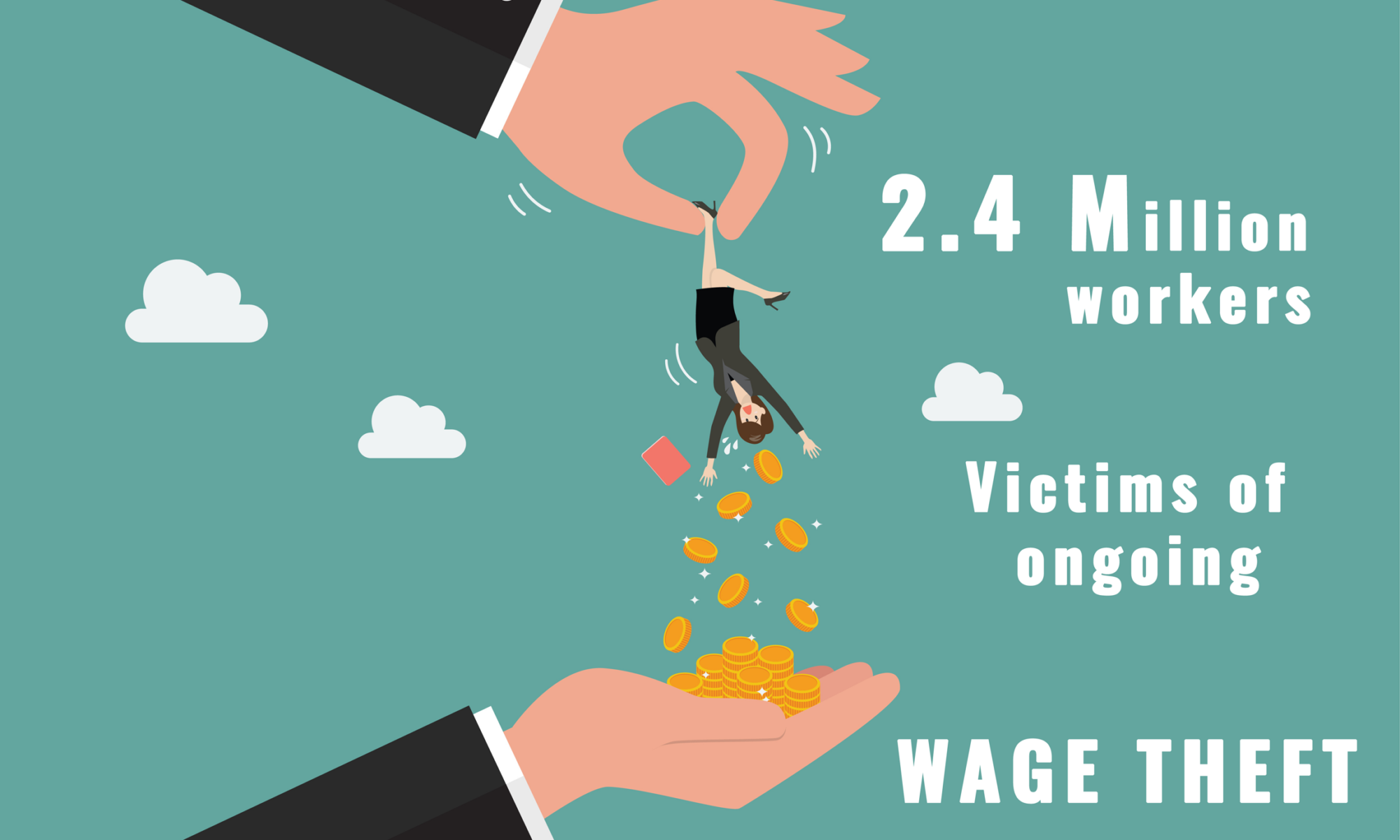
2.4 Million workers victims of ongoing WAGE THEFT. Helmer Friedman LLP employment law attorneys.

The Hidden Theft: Billions Lost in Unpaid Wages

Injustice is not always visible – especially when companies subtly dip into their employees’ hard-earned wages. A recent study from EPI unraveled how employers are unlawfully paying less than the minimum wage to their employees – a subtle form of theft that is costing workers billions of dollars every year.

The Impact of Wage Theft: By Numbers

According to the survey data, around 2.4 million workers from the top ten most populous U.S. states are victims of this ongoing wage theft, losing roughly $8 billion annually. On an individual level, affected workers lose an average of $64 per week, accounting for almost a quarter of their weekly earnings. If these workers were paid correctly, 31% of those struggling with poverty would be lifted above the poverty line.

The Crime Wage Theft Hotspots

Minimum wage violations are more prevalent in some states than others. Florida leads the pack with a violation rate of 7.3%, followed by Ohio (5.5%) and New York (5.0%). However, when it comes to the highest amount of lost wages due to these practices, Texas, Pennsylvania, and North Carolina top the chart.

The Most Affected Demographics

Unfortunately, this unscrupulous practice is more likely to affect certain groups. Our young workforce (ages 16 to 24), women, people of color, and immigrant workers often report being paid less than the minimum wage. Part-time employees, service industry workers, and unmarried workers, especially single parents, also fall victim to these violations at a higher rate.

The Bigger Picture

When looking at the grand scale of things, the financial exploitation of workers is staggering. Bad employers are stealing around $15 billion annually from their employees, purely from minimum wage violations alone. This amount surpasses the total value of property crimes committed in the U.S. each year. Yet, there is a stark difference in the resources allocated to combat wage theft compared to property crime.

This substantial wage theft affects workers and puts undue pressure on taxpayers and state economies. Around one-third of workers experiencing these violations rely on publicly funded assistance programs like SNAP and housing subsidies. Moreover, wage theft artificially lowers labor costs for the “thieving” companies, creating an unfair competitive advantage and putting downward pressure on wages industry-wide.

The Solution

Enforcing tougher wage and hour laws and strengthening enforcement against wage theft should be a priority to deter higher rates of violations. Furthermore, raising wages for low-wage workers could lead to significant public savings and improvements in our collective health, education, and social mobility.

Nobody should be robbed of their hard-earned money, especially under the guise of employment. Let’s join hands to bring this hidden theft to light and take appropriate action.

One notable example of combating wage theft is the recent victory of Disneyland employees, who filed a class action lawsuit that resulted in a $233 million award for their lost wages. This case highlights how employees can unite to challenge unfair labor practices by collectively filing a class action lawsuit. Such lawsuits allow workers to pool their resources, share their grievances, and present a united front against powerful employers. To effectively pursue this legal avenue, employees should consider hiring an experienced employment law attorney who handles class action cases. These attorneys can guide employees through the legal process, ensuring their voices are heard and their rights are upheld while potentially securing significant restitution for lost wages.

High Tech, Low Inclusion: The EEOC Report on Diversity in the Tech Sector

New Whistleblower Program administered by the DOJ.

The high-tech sector, known for spearheading advancements in science and technology, seems to be lagging when it comes to inclusion and diversity. A report recently published by the U.S. Equal Employment Opportunity Commission (EEOC) titled “High Tech, Low Inclusion: Diversity in the High Tech Workforce and Sector from 2014 – 2022” dissects the current state of diversity in this sector, offering a sobering insight into the extent of the problem.

Behind the Figures

The EEOC’s findings show a disturbing trend of underrepresentation for certain demographic groups in the high-tech sector. Women and Black workers, in particular, are being left behind. The figures reveal that despite being nearly half of the U.S. workforce, women make up only 22.6% of the high-tech workforce in all industries and a meager 4% in the high-tech sector. The representation of Black and Hispanic workers in the high-tech workforce has seen negligible progress over the years.

The Issue of Age Discrimination

The report also highlights age as a factor in employment discrimination within the high-tech sector. Interestingly, the high-tech workforce skews younger than the total U.S. workforce. In the high-tech world, over 40% of the workforce belongs to the 25-39 age group, compared to 33.1% in the overall workforce. Workers over 40 have seen their representation in the high-tech sector decrease from 55.9% to 52.1% from 2014 to 2022.

Moreover, the EEOC report notes that discrimination charges filed by tech professionals were more likely to involve issues of age, pay, and genetic information than those filed in other sectors.

The Call for Change

EEOC Chair, Charlotte A. Burrows, asserts that “America’s high tech sector, which leads the world in crafting technologies of the future, should not have a workforce that looks like the past.” The Commission is committed to identifying and resolving instances of discrimination that contribute to these disparities.

The EEOC report concludes with a call for employers in the high-tech sector to actively investigate and overcome barriers to employment. Proactive policies geared towards boosting inclusion are needed to ensure that everyone gets a fair shot at high-tech opportunities.

Were You Denied a Job In High Tech?

If you applied for a job in the high-tech sector and believe that you were discriminated against due to your age, race, gender, or ethnicity, it’s advisable to consult with an experienced employment attorney.

Discrimination is not just ethically wrong, it’s illegal. Your rights are protected under the Civil Rights Act of 1964 and other federal laws – laws that are in place to ensure everyone has equal opportunities in the job market. Don’t hesitate to stand up for your rights and seek legal counsel if you’ve been unfairly denied a job in the high-tech sector.

Individual But Not Representative Claims Compelled To Arbitration

In-N-Out Burgers

Piplack v. In-N-Out Burgers, 88 Cal.App.5th 1281 (2023)

Former employees of In-N-Out Burgers, on their own behalf and on behalf of similarly aggrieved employees, brought an action against In-N-Out Burgers seeking civil penalties under the Labor Code Private Attorneys General Act for In-N-Out Burgers’s alleged practices of requiring employees, without reimbursement, to purchase and wear certain articles of clothing and to purchase and use special cleaning products to maintain the clothes. In reliance on Viking River Cruises, Inc. v. Moriana, ––– U.S. ––––, 142 S.Ct. 1906 (2022), In-N-Out Burgers filed a motion to compel arbitration, arguing that Viking River requires plaintiffs’ individual PAGA claims to be arbitrated and all remaining representative claims dismissed for lack of standing. The trial court summarily denied In-N-Out Burgers’ motion to compel arbitration. In-N-Out Burgers appealed.

The Court of Appeal concluded that the arbitration agreements required individual PAGA claims to be arbitrated and that In-N-Out Burgers did not waive its right to compel arbitration through its litigation conduct. The Court of Appeal also held that Viking River’s requirement that the plaintiff’s individual claims under PAGA be compelled to arbitration did not necessarily deprive the plaintiff of standing to pursue representative claims as an aggrieved employee.

President Biden Signed Into Law the “Speak Out Act,” Curbing Use Of Non-Disclosure Agreements In Harassment Cases

Workplace discrimination lawyers Helmer Friedman LLP.

President Biden signing the Speak Out Act.

On December 7, 2022, President Joe Biden signed the Speak Out Act, which bans the use of pre-dispute non-disclosure and non-disparagement contract clauses involving sexual assault and sexual harassment. The new law renders unenforceable non-disclosure and non-disparagement clauses related to allegations of sexual assault and/or sexual harassment that are entered into “before the dispute arises.” The new law does not prohibit the use of these agreements completely. The Speak Out Act exclusively prohibits and nullifies pre-dispute non-disclosure and non-disparagement agreements and does not apply to post-dispute agreements. Accordingly, the act only applies to instances before a sexual harassment, or sexual assault dispute arises. The act also does not apply to trade secrets, proprietary information, or other types of employee complaints such as wage theft, age discrimination, or race discrimination.

2011 Southern California “Super Lawyers”

Helmer Friedman LLP is very pleased to announce that Law & Politics Magazine and the publishers of Los Angeles Magazine have selected Gregory D. Helmer and Andrew H. Friedman as 2011 Southern California “Super Lawyers” in the category of Labor and Employment Law.