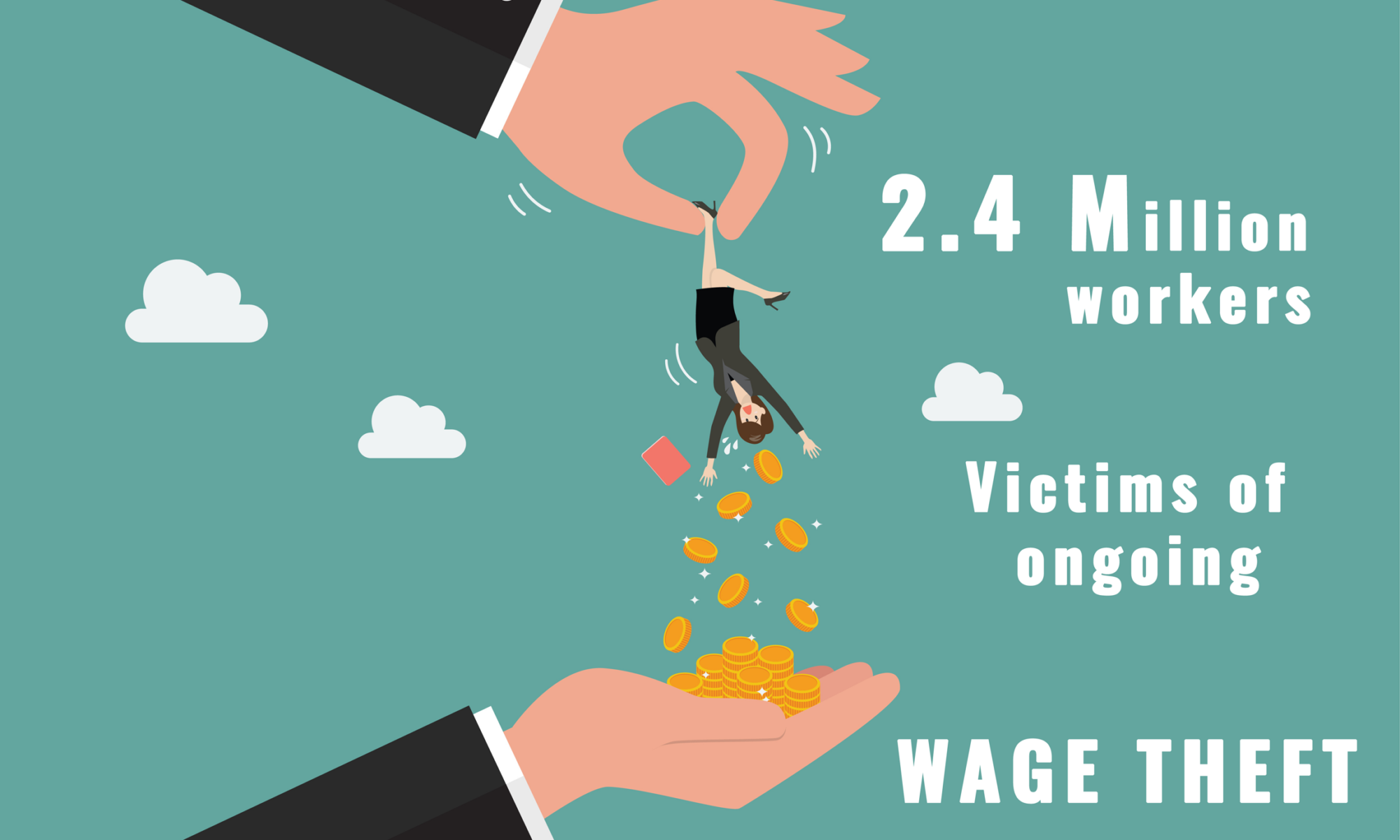

Pay Discrimination & Retaliation Against US Workers

Pay discrimination in fashion industry against American executives.

The Hidden Cost of High Fashion: Pay Discrimination

Behind the glittering runways and exclusive boutiques of the high fashion industry, complex human stories often unfold out of the public eye. Brands like LVMH and Stella McCartney project an image of elegance and prestige. However, the internal operations of these celebrated organizations can sometimes reveal a starkly different reality for the professionals working tirelessly behind the scenes.

Recently, the legal battle initiated by Andrew Dershaw, a former senior executive at Stella McCartney, has brought these hidden workplace issues directly into the spotlight. After dedicating over a decade to building the brand’s presence in the United States, Dershaw filed a federal lawsuit alleging severe retaliation, pay discrimination, and pricing misconduct. His story serves as a powerful reminder that prestige does not automatically guarantee a fair or equitable workplace.

This post explores the serious implications of pay discrimination and retaliation against American employees. By examining the details of Dershaw’s lawsuit and outlining the federal legal protections available to workers, we can better understand the vital importance of workplace fairness and the legal avenues available to those facing similar injustices.


The Case of Andrew Dershaw: A Deeper Look

For fourteen years, Andrew Dershaw was a cornerstone of Stella McCartney’s U.S. operations. He successfully grew the brand’s American wholesale business, overseeing more than $40 million in annual revenue across hundreds of retail accounts. Despite this extensive loyalty and success, his recent federal complaint paints a troubling picture of corporate exploitation and retaliation.

Allegations of Pricing Misconduct

According to the lawsuit, Dershaw raised serious objections in early 2025 to a coordinated pricing strategy imposed on U.S. retailers. Internal communications allegedly described this strategy as anti-competitive and illegal. When Dershaw refused to participate, he claims the company immediately retaliated by drastically reducing his bonus. The lawsuit notes that LVMH and Stella McCartney continued this pricing strategy despite growing scrutiny in Europe. Notably, the European Commission later fined Loewe, another LVMH-owned brand, €18 million for similar anti-competitive practices.

Allegations of Pay Discrimination

LVMH and Stella McCartney built a system designed to extract maximum value from an American executive who gave them fourteen years of loyalty and successfully grew their U.S. business into what it is today, while ensuring he would never be treated as an equal,” said Bennitta L. Joseph, Founding Partner at Joseph & Norinsberg

The complaint also details profound pay disparities. Dershaw claims he was the only American male on a senior leadership team composed almost entirely of European executives. When a European executive was terminated in 2024, Dershaw assumed her full responsibilities. However, he was reportedly denied her title and was paid roughly half of her compensation.

The disparities allegedly worsened during the COVID-19 pandemic. Dershaw’s salary was reduced by approximately 30%, while the compensation of his European counterparts remained unchanged. During this same period, public filings indicate that Stella McCartney increased her own compensation by a staggering £221,000. Following his internal complaints about these wage issues, Dershaw received his first negative performance review in fourteen years, resulting in further financial penalties and tens of thousands of dollars in unreimbursed business expenses.

The Human Toll

The cumulative impact of these actions caused immense personal and professional harm. The relentless pressure and unequal treatment ultimately forced Dershaw to take medically prescribed leave in October 2025 after receiving diagnoses for Major Depressive Disorder and Generalized Anxiety Disorder. His lawsuit now brings claims under the Equal Pay Act, New York Human Rights Laws, and whistleblower retaliation statutes, demanding accountability from one of the world’s most powerful fashion conglomerates.

Legal Protections for American Employees

Dershaw’s experience highlights a critical vulnerability that many American professionals face in globalized industries. Fortunately, robust legal frameworks exist to protect employees from national origin discrimination and retaliation.

National Origin Discrimination

Title VII of the Civil Rights Act of 1964 prohibits employment discrimination based on race, color, religion, sex, and national origin. The Equal Employment Opportunity Commission (EEOC) strictly enforces these protections for all national origin groups, including U.S. citizens. An employer cannot legally treat an applicant or employee unfavorably simply because they are from the United States.

Prohibited Discriminatory Practices

Discrimination can manifest in several ways, from subtle biases to overt policies. Title VII strictly bars discriminatory job advertisements, such as postings that explicitly prefer foreign visa holders over qualified American workers. Furthermore, unequal treatment during the recruitment or termination processes is illegal. If an employer subjects U.S. workers to more burdensome application requirements or terminates American workers at a higher rate than their foreign counterparts, they are violating federal law. Harassment based on national origin that creates a hostile work environment is equally prohibited.

Whistleblower Protection

Federal and state laws provide strong protections for whistleblowers. Retaliation against an employee for objecting to discriminatory practices, reporting illegal behavior, or filing an EEOC charge is strictly forbidden. It takes immense courage for whistleblowers to speak out against powerful employers. The law recognizes this courage by offering mechanisms to hold retaliatory companies accountable for punitive actions, such as wrongful termination or demotion.

Employer Justifications Debunked

Employers often try to defend discriminatory practices by citing business necessities. However, the law is clear. A company cannot justify discrimination based on customer preference, the cost of labor, or unfounded stereotypes about the work ethic of specific nationalities. Saving money through cheaper foreign labor does not override an American worker’s civil rights.

A Precedent for Justice: The Chivas USA Case

Courts actively enforce these protections, as seen in the notable lawsuit against the Chivas USA professional soccer organization. Two American youth academy coaches successfully sued the organization, alleging they were fired because they were not of Mexican or Latino descent. The lawsuit detailed an ethnocentric policy implemented by the new ownership, which created a hostile environment for non-Latino Americans. This case forcefully demonstrates that anti-American discrimination is a recognized and actionable violation of civil rights.

How to File a Claim

The attorneys at Helmer Friedman LLP can guide you through this complex process, ensuring your claim is filed correctly and on time. The EEOC investigates these charges and, in some instances, may file a lawsuit on your behalf. However, it is crucial to act quickly. There are strict time limits—generally 180 calendar days from the day the discrimination took place (extended to 300 days in some cases)—and missing these deadlines can result in a permanent loss of your legal rights. Contacting our firm can help you navigate these critical first steps.

Broader Implications for Workplace Fairness

High-profile lawsuits like Andrew Dershaw’s do more than seek justice for one individual. They expose systemic issues and prompt necessary conversations across entire industries.

Workplaces only thrive when every employee is valued, heard, and compensated fairly based on their contributions, rather than their country of origin. Pay discrimination and whistleblower retaliation are fundamental violations of dignity and respect. Fostering a corporate culture rooted in integrity, openness, and compassion requires holding powerful organizations accountable when they fall short of these basic standards.

Fostering a Culture of Respect and Accountability

>Andrew Dershaw’s courageous decision to stand up to LVMH and Stella McCartney sheds critical light on the often hidden realities of pay discrimination and corporate retaliation. His case underscores the urgent need for employers to evaluate their internal practices and ensure fair treatment for all staff members, regardless of nationality.

If you have experienced unequal pay, a hostile work environment, or retaliation for reporting illegal corporate behavior, you do not have to face it alone. Understanding your legal rights is the first step toward reclaiming your professional dignity and financial security. By consulting with an experienced legal advocate, you can explore your options, protect your career, and help build a safer, more respectful work environment for everyone.

Wrongful Termination in the Creator Economy: MrBeast Lawsuit

Employment Laws apply to influencers, youtubers, content creators.

Wrongful Termination in the Creator Economy: The MrBeast Lawsuit

The public image of Jimmy Donaldson, universally known as YouTube megastar MrBeast, is built on staggering philanthropy, high-energy challenges, and a seemingly boundless desire to give away money. To his hundreds of millions of subscribers, Donaldson represents a bright, modern iteration of the American Dream. However, a federal lawsuit filed by former executive Lorrayne Mavromatis paints a starkly different picture of the operations at MrBeastYouTube LLC and GameChanger 24/7 LLC. Behind the polished thumbnails and viral videos, the lawsuit alleges a dark, misogynistic workplace rampant with illegal behavior.

As the “creator economy” rapidly expands into a multi-billion-dollar industry, workers must understand that modern entertainment companies are not exempt from strict federal employment laws. The legal boundaries defining a hostile work environment and wrongful termination apply just as forcefully to tech-savvy media startups as they do to traditional corporate offices.

This post unpacks the specific allegations of wrongful termination, sexual harassment, and labor violations brought against MrBeast’s empire. We will examine the company’s aggressive defense strategy and explore the broader implications for employee rights in high-intensity, influencer-driven cultures.

Behind the Camera: Allegations of a Hostile Work Environment

At the core of Mavromatis’s lawsuit is the description of a pervasive “boys’ club” atmosphere at Beast Industries. While Donaldson served as the public face, the internal culture allegedly suffered from a severe lack of basic employment protections. The complaint outlines deeply troubling claims of sexual harassment and gender discrimination directed at female staff members.

According to the federal filing, former CEO James Warren routinely insisted that Mavromatis meet him for one-on-one meetings at his home rather than the corporate office. During these dimly lit encounters, Warren allegedly made inappropriate comments about how she looked in her clothes. The hostility extended beyond isolated incidents. When Mavromatis complained that a billionaire client was making unwanted advances toward her, leadership allegedly dismissed the encounter entirely, telling her she should be “honored” that the client was hitting on her.

The lawsuit also points to a broader culture of gender discrimination. Mavromatis claims she was repeatedly treated differently than her male counterparts. During a staff meeting, a male colleague allegedly told her to “shut up” and “stop talking” in front of the very employees she supervised. Furthermore, male executives allegedly laughed and made demeaning jokes at the office regarding female contestants on the upcoming Beast Games reality show, specifically mocking their complaints about lacking access to feminine hygiene products and clean underwear.

Pregnancy discrimination lawyers - protecting pregnant employees from discrimination.

Retaliation for Speaking Up

A healthy corporate environment encourages employees to report misconduct. At MrBeast’s production companies, speaking up allegedly derailed careers. Mavromatis, who was initially hired as Head of Instagram and promoted twice within her first year, attempted to report the severe workplace toxicity. She took her grievances directly to the head of Human Resources. Notably, this HR director was Susan Parisher, Jimmy Donaldson’s mother.

Instead of a fair investigation and protection from further harassment, Mavromatis faced alleged workplace retaliation. She claims she was promptly transferred and demoted to an obscure division within the company. According to the lawsuit, this division was internally known as the place where “careers go to die.” This aggressive sidelining serves as a textbook example of illegal workplace retaliation, wherein an employer punishes an employee for engaging in legally protected activities, such as reporting sexual harassment.

FMLA Violations and Pregnancy Discrimination

Perhaps the most severe allegations in the complaint surround pregnancy discrimination and blatant violations of the Family and Medical Leave Act (FMLA). Federal law mandates that eligible employees receive protected time off for the birth of a child, free from employer interference.

Mavromatis alleges that the company had no coherent parental leave policy and failed to inform her of her FMLA rights. Worse, she claims she was expected to continue working throughout her parental leave. This allegedly included checking Slack messages and joining team meetings from her hospital bed while in labor. Highlighting the grueling reality of this expectation, Mavromatis provided an emotive, direct quotation regarding her labor experience: “I was still bleeding, and I just had to show up.”

The situation culminated shortly after her leave ended. Less than three weeks after returning to work, Mavromatis was fired. According to the complaint, leadership justified the termination by telling her she was “too high caliber” for the obscure role she had been demoted into just months prior.

The Corporate Defense: “Clout-Chasing” or Deflection?

The response from MrBeast’s corporate spokespeople has been swift and combative. In a public statement, a company representative aggressively denied the allegations, labeling the lawsuit a “clout-chasing complaint” built entirely on “deliberate misrepresentations” and “categorically false statements.”

The company’s defense asserts that Mavromatis did not experience wrongful termination. Instead, they claim that a new manager reorganized the department while she was on leave, resulting in the elimination of several roles held by both men and women. They also deny the claims of retaliation and harassment, stating they possess extensive evidence—including Slack messages and witness testimony—that refutes her narrative.

However, this fierce public defense sits in sharp contrast with the company’s documented internal messaging. The lawsuit references a 36-page company handbook, sometimes referred to as “The Beast Bible,” which reportedly outlines the expectations for success at the production company. The guide allegedly contains highly unprofessional directives, including statements like “It’s okay for the boys to be childish,” and instructs employees that “if talent wants to draw a dick on the white board in the video or do something stupid, let them.” Another section allegedly dictates that “The amount of hours you work is irrelevant,” heavily implying that relentless labor is prioritized over employee welfare and federal labor compliance.

The Broader Impact on Influencer Culture and Worker Protections

This high-profile legal battle carries massive implications for the broader entertainment and influencer industry. Digital media companies frequently operate with a startup mentality, prioritizing rapid growth, viral success, and unconventional management styles. But a casual dress code and a modern office do not override the law.

No matter how unconventional a workplace seems, federal protections against discrimination and retaliation remain absolute. Employers cannot legally demand that staff work from a delivery room, nor can they demote rising stars for reporting harassment. Abusive workplaces thrive when victims remain silent. Taking decisive legal action is a vital step in holding powerful entities—even beloved internet celebrities—accountable for their corporate practices.

Seek Justice: Your Advocate in the Workplace

The lawsuit against MrBeast’s production companies is currently unfolding, and the truth of these severe allegations will ultimately be tested in federal court. What remains clear is that navigating a toxic work environment is a profoundly isolating experience, especially when facing a wealthy and powerful employer.

If you are facing similar workplace abuses, you do not have to fight these battles alone. Helmer Friedman LLP is your trusted legal partner, offering expert, personalized advocacy for victims of discrimination, harassment, and retaliation. With over 20 years of proven legal expertise and a track record of securing over $50 million in settlements, our team knows how to hold corporations accountable.

Take the first step toward justice. Contact Helmer Friedman LLP today for a free, strictly confidential consultation to discuss your specific legal needs and ensure your rights are protected.

PepsiCo $270K Lawsuit: Understanding Wrongful Termination

Disability discrimination laws protect blind employees accommodations for service dogs. Helmer Friedman LLP vigorously protects the rights of all employees.

PepsiCo $270K Lawsuit: Understanding Wrongful Termination

Awareness of employee rights is growing rapidly across the United States. Workers are increasingly holding corporations accountable for unfair and illegal employment practices. When an employer violates the law to fire an employee, the financial and reputational consequences for the company can be costly.

Recently, a legal settlement highlighted the serious nature of these violations. PepsiCo Beverage Sales, LLC agreed to pay $270,000 to settle a disability discrimination lawsuit filed by the U.S. Equal Employment Opportunity Commission (EEOC). The federal agency took action after the company failed to accommodate a blind employee and instead terminated his employment.

Wrongful termination occurs when an employer fires a worker for illegal reasons or in violation of an employment contract or public policy. This goes far beyond a simple unfair dismissal. It represents a direct violation of civil rights and labor laws designed to protect vulnerable workers from corporate overreach.

This post will explore the concept of wrongful termination, detail the legal framework that protects employees, and examine the key takeaways from the recent PepsiCo discrimination case.

Understanding Wrongful Termination

State and federal laws prohibit employers from firing employees under various circumstances. This applies even if the workers are considered “at-will” employees.

What Constitutes Wrongful Discharge?

Accommodations specialists can be a valuable resource to help employers to meet their obligations under the ADA.

Wrongful termination, also known as wrongful discharge, occurs when an employee is fired for reasons that violate the law. This can involve a violation of public policy, a breach of an implied employment contract, or a direct violation of anti-discrimination statutes.

There are several illegal reasons for terminating an employee. An employer cannot legally fire a worker for acting as a whistleblower to report corporate wrongdoing. Employers are also prohibited from firing staff members who refuse to engage in illegal or unethical activities. Complaining about wage and overtime practices, or objecting to workplace harassment, are legally protected activities. Terminating an employee based on race, gender, age, religion, or disability is a clear violation of civil rights.

Key Federal Laws Protecting Employees

A strong framework of federal laws establishes a bulwark against illegal employment practices. These statutes serve as the foundation of employee protection in the United States.

The Civil Rights Act of 1964 (Title VII) is a landmark piece of legislation. It prohibits employment discrimination based on race, color, religion, sex, and national origin.

The Americans with Disabilities Act (ADA) makes it illegal to discriminate against a qualified individual with a disability. It strictly requires employers to provide reasonable accommodations for employees with disabilities, provided doing so does not cause “undue hardship” to the business.

The Age Discrimination in Employment Act of 1967 (ADEA) protects employees and job applicants aged 40 and older. It prevents age-based discrimination in hiring, promotions, compensation, and terminations.

The Family and Medical Leave Act (FMLA) provides eligible employees with up to 12 weeks of unpaid, job-protected leave for specified family and medical reasons. Firing an employee for taking FMLA-protected leave constitutes wrongful termination.

Deep Dive into Disability Discrimination

The ADA plays a critical role in protecting individuals with disabilities in the workplace. An individual with a disability is defined as someone who has a physical or mental impairment that substantially limits one or more major life activities.

The Requirement for Reasonable Accommodations

Under the ADA, employers are legally obligated to provide reasonable accommodations to qualified applicants or employees with known disabilities. A reasonable accommodation might involve changing job duties, modifying work schedules, providing mechanical or electrical aids, or acquiring accessible software.

Employers can only bypass this requirement if they can prove that the accommodation would impose an “undue hardship” on the operation of their business. Undue hardship means an action requiring significant difficulty or expense. Legally unacceptable excuses for refusing an accommodation include the fear of future harm to the person, or the claim that employing disabled individuals will cause the company’s insurance rates to rise.

The PepsiCo Lawsuit: A Case Study

The recent EEOC lawsuit against PepsiCo Beverage Sales, LLC serves as a clear example of disability discrimination. In April 2022, PepsiCo hired a blind employee to work as a customer care advocate at its Winston-Salem call center.

To perform his job, the employee requested a reasonable accommodation to access necessary information on the company’s computers. PepsiCo concluded it could not provide this accommodation and subsequently fired him. Notably, the EEOC alleged that PepsiCo rejected an offer from the North Carolina Department of Health and Human Resources to help the company identify accessibility solutions for the worker.

Following an attempt to reach a pre-litigation settlement, the EEOC filed a lawsuit. PepsiCo ultimately agreed to a two-year consent decree and a $270,000 settlement paid to the terminated employee. Furthermore, the company was ordered to work with an expert consultant to ensure its software applications are accessible to individuals with visual disabilities. PepsiCo must also submit periodic progress reports to the EEOC, conduct relevant training, and distribute an updated anti-discrimination policy.

Melinda C. Dugas, regional attorney for the EEOC’s Charlotte District Office, noted the importance of this outcome. “Accommodations specialists can be a valuable resource to help employers to meet their obligations under the ADA,” she stated.

Broader Context: Discrimination and Retaliation

Disability discrimination is just one facet of a much larger problem. Employees frequently face wrongful termination due to gender discrimination or unlawful retaliation.

For example, a jury recently awarded $6 million to Dr. Anissa Rogers, a former Associate Dean at California State University, San Bernardino. Dr. Rogers filed a gender discrimination and harassment lawsuit after the university failed to address multiple reports of harassment by a superior, which resulted in her constructive dismissal.

Unlawful retaliation is also disturbingly common. A jury awarded $11.5 million to Rehab Mohamed, a former employee who brought a racial discrimination and retaliation lawsuit against SHRM. The trial uncovered evidence that directly contradicted SHRM’s defense, revealing a clear double standard. White colleagues testified that missing deadlines was commonplace and rarely resulted in discipline. Yet, Mohamed was terminated for missing a deadline shortly after she had engaged in protected activity. This glaring disparity, combined with Mohamed’s history of “Role Model” performance reviews, undermined SHRM’s claim that her termination was performance-based.

The data shows that these issues are escalating. According to the EEOC, workers filed 35,774 harassment claims in 2024. This represents an alarming 32% increase from 2022.

What to Do If You Suspect Wrongful Termination

If you believe you have been illegally fired, you must take swift and deliberate action to protect your legal rights.

First, document everything. Gather your employment contract, performance reviews, and your termination letter. Create a detailed timeline of the events leading up to your dismissal.

Second, do not sign anything immediately. Employers often pressure terminated employees to sign a release of claims in exchange for a severance package. Signing this document could waive your right to file a wrongful termination lawsuit.

Third, avoid using Artificial Intelligence (AI) to research your legal situation. Conversations with AI platforms are not protected by attorney-client privilege. Opposing legal counsel can easily discover these interactions and use any misstatements, contradictions, or exaggerations against you in court.

Finally, contact an experienced legal professional. Reach out to the wrongful termination lawyers at Helmer Friedman LLP for a confidential consultation to evaluate the specific facts of your case.

Protecting Your Right to a Fair Workplace

Understanding your rights as an employee is the first step in combating corporate misconduct. Employers have a strict legal responsibility to maintain workplaces free from discrimination, harassment, and retaliation. They must also engage in good faith to provide reasonable accommodations for workers with disabilities.

When companies fail to meet these legal obligations, they must be held accountable. If you have faced unfair treatment, discrimination, or retaliation at work, you do not have to navigate the legal system alone. Securing knowledgeable legal representation is the most effective way to enforce your rights, seek justice, and ensure a fair and inclusive environment for all workers.

Nurse Sues Elevance Health for Disability Discrimination

Medical care, hospital - Family Leave Lawyers Helmer Friedman LLP.

Fired for Pain: Veteran Nurse Sues Elevance Health

Priscilla Kamoi dedicated 17 years of her life to caring for patients within a massive healthcare conglomerate. As a licensed Registered Nurse at Anthem Blue Cross and Elevance Health, she demonstrated exemplary performance. She earned regular salary increases, annual bonuses, and consistently strong evaluations. She was a loyal, high-performing employee doing vital work.

Then, she became the patient.

Diagnosed with a debilitating and excruciating nerve condition, Kamoi suddenly found herself needing the very compassion and care she had spent nearly two decades providing to others. Instead of supporting a veteran employee, her employer responded with rigid quotas, disciplinary action, and ultimately, termination.

This stark juxtaposition between a health insurance company’s public mission and its internal treatment of a disabled worker sits at the heart of a major lawsuit filed in Los Angeles County Superior Court. Represented by Helmer Friedman LLP and The Carr Law Group, Kamoi is holding Elevance Health accountable for disability discrimination, retaliation, and wrongful termination.

Understanding the Agony of Trigeminal Neuralgia

In late 2018, Kamoi developed severe trigeminal neuralgia. Often described by medical professionals as one of the most painful conditions known to humanity, it causes excruciating, electric-shock-like pain that radiates through the head and face.

For Kamoi, the attacks were sudden and unbearable. The condition made basic human functions—speaking, chewing, swallowing, and sleeping—incredibly difficult. She experienced numbness on the left side of her face and a progressive loss of hearing. Furthermore, the strong medications prescribed to manage the nerve pain carried heavy side effects, including severe fatigue, dizziness, and a slowness in thought processing.

The pain episodes completely derailed her daily routine. In a January 2023 email to her supervisors, Kamoi attached photographs of her face during a severe shock attack. She explained that the pain was so intense she could not manage to eat dinner until after 11:00 p.m., when the episode finally subsided.

A Shift in Corporate Culture

Despite her agonizing diagnosis, Kamoi returned from medical leave in 2019 ready to work. As a salaried Discharge Planner, she had the flexibility to take the time she needed to manage her symptoms while still performing her duties to an exceptional standard.

The corporate environment shifted drastically in mid-2022. Management announced that nurses would be transitioned to concurrent utilization review duties. This new role was far more complex, requiring nurses to review a patient’s vital signs, lab results, imaging, and overall treatment to determine the medical necessity of continued hospital stays.

More importantly, supervisor Monica Gagnon imposed strict new productivity standards. Nurses were now required to process 1.5 complex cases per hour and finish all work strictly within an 8-hour shift.

Knowing her medical condition and medication slowed her processing time, Kamoi proactively requested a reasonable accommodation. She asked to remain in her role as a Discharge Planner—a position she had mastered for years. Elevance Health management denied her request, forcing her into the highly regimented utilization review role.

A Timeline of Hostility and Denied Accommodations

What followed was a nearly three-year cycle of corporate hostility. Elevance Health continually penalized Kamoi for failing to meet aggressive hourly quotas, despite knowing her disability made those speeds impossible.

When Kamoi protested to her supervisor, Celia Zarate, that her medical condition prevented her from moving fast enough to meet the new targets, Zarate offered a callous response: “Then get another job.”

The pressure continued to mount. Kamoi received formal warnings for taking too much time to complete her work and for working unauthorized overtime to finish her cases. On May 16, 2024, Kamoi submitted a formal request for reasonable accommodations signed by her physician. The doctor explicitly stated that Kamoi could maintain her high-quality work but required breaks to recover from pain attacks and additional time to complete assignments.

Within two weeks, Elevance Health denied the medical request.

Analyzing the Legal Claims

The California Fair Employment and Housing Act (FEHA) provides strict protections for workers facing medical challenges. Employers are legally obligated to engage in a timely, good-faith interactive process to find effective accommodations for employees with known disabilities.

Kamoi’s complaint outlines clear violations of these fundamental rights. By denying flexible scheduling, refusing to adjust arbitrary productivity quotas, and punishing her for the physical limitations caused by her illness, the company failed in its legal duties.

Gregory Helmer of Helmer Friedman LLP emphasizes the core legal standard at play. “The law is clear: an employer cannot penalize a disabled employee for being disabled, nor can it refuse to provide simple accommodations—like a little extra time—and then use the employee’s resulting ‘performance deficiency’ as a pretext for dismissal. That is precisely what the law against disability discrimination seeks to prevent.”

Furthermore, the lawsuit alleges severe retaliation. Under the California Labor Code and FEHA, employers cannot punish workers for requesting accommodations or reporting discriminatory behavior.

The Escalating Pattern of Retaliation

Kamoi filed complaints with the California Civil Rights Department in August and December 2024, detailing the company’s failure to accommodate her disability. Elevance Health’s response was swift and punitive.

In January 2025, management increased the productivity quotas again, demanding 2.5 cases per hour. Kamoi was subjected to verbal reprimands and targeted scrutiny. While her peers were evaluated on a standard monthly basis, Kamoi’s supervisor, Sharon Johnson, placed her under stringent weekly monitoring.

The harassment culminated on May 22, 2025. After badgering Kamoi over minor, split-second discrepancies in her timekeeping, Johnson summoned her to an abrupt telephone meeting. After 17 years of dedicated service to the company, Kamoi was fired immediately and told she was ineligible for rehire.

Broader Implications for Healthcare Workers

This case highlights a disturbing trend within corporate medicine. Healthcare workers are expected to operate with deep empathy and boundless endurance, yet they frequently face rigid, profit-driven metrics imposed by their employers.

James Carr of The Carr Law Group notes the underlying hypocrisy of the situation. “There is a cruel irony in a major health insurance company—one that profits from the healthcare system—showing such little regard for the health and dignity of a nurse who has dedicated 17 years to caring for its members.”

Employees facing major medical hurdles deserve a supportive environment, not a relentless campaign of disciplinary action designed to push them out the door. The law mandates that human dignity must take precedence over arbitrary hourly quotas.

Demanding Justice and Corporate Accountability

Priscilla Kamoi’s lawsuit against Elevance Health, Inc. (Case No. 26STCV08319) is a powerful step toward holding major corporations accountable for disability discrimination. No worker should be forced to choose between managing a debilitating illness and keeping their livelihood.

If you or a loved one has suffered from workplace discrimination, denied medical accommodations, or wrongful termination, you do not have to fight these battles alone. The legal team at Helmer Friedman LLP has over 20 years of experience advocating for justice and securing high-profile victories against massive corporations.

We offer free, confidential consultations to help you understand your legal rights and explore your options. Reach out today to partner with proven advocates who will fight tirelessly to protect your career and your dignity.

Wrongful Termination Dressed Up as Standard HR Practice

Shocked by Wrongful Termination, Helmer Friedman LLP.

Your Rights as a Disabled Employee: What the Law Requires

Every year, thousands of workers with disabilities are quietly pushed out of their jobs—not through outright hostility, but through policies that appear neutral on the surface while stripping away federally protected rights against wrongful termination and disability discrimination. Understanding what the law demands of your employer is the first step to protecting yourself.

Under both federal and California law, employees with disabilities have robust legal protections. The Americans with Disabilities Act (ADA) prohibits discrimination against qualified individuals with disabilities in hiring, firing, advancement, compensation, and other terms of employment. In California, the Fair Employment and Housing Act (FEHA) provides even broader protections, covering employers with five or more employees and applying strict standards to the accommodation process. Together, these laws form a powerful framework—one that employers routinely underestimate, often at significant financial cost.

Who Qualifies as a “Qualified Individual” Under the ADA?

Not every medical condition triggers ADA protections, but the law’s reach is broader than many employees realize. Under the ADA, a person is considered disabled if they have a physical or mental impairment that substantially limits one or more major life activities, have a record of such impairment, or are regarded by their employer as having such an impairment.

A “qualified individual” is someone who can perform the essential functions of a job—with or without reasonable accommodation. This distinction matters enormously. An employer cannot lawfully refuse to hire or retain someone simply because they have a disability, so long as the employee can fulfill the core duties of the role, either independently or with appropriate support.

Major life activities covered by the ADA include walking, lifting, sleeping, working, thinking, and communicating, among others. Courts have made clear that even temporary impairments can qualify—and that being cleared to return to work does not automatically mean an employee is no longer disabled.

What Are “Reasonable Accommodations”?

A reasonable accommodation is any modification or adjustment that allows a qualified individual with a disability to perform their job. Both the ADA and FEHA impose a legal duty on employers to explore and provide these accommodations—unless doing so would constitute an “undue hardship.”

Reasonable accommodations can include:

  • Medical leave for treatment or recovery
  • Job restructuring or modified schedules
  • Reassignment to a vacant position
  • Relocation of the work area
  • Modification of equipment or devices

The “undue hardship” exception is narrower than many employers claim. It requires proof of significant difficulty or expense, taking into account the employer’s size, financial resources, and operational structure. It is not a blanket excuse to avoid the interactive process.

Critically, when an employee requests an accommodation, the law requires employers to engage in a good-faith interactive process—a dialogue aimed at identifying effective solutions. Refusing to participate in that process is itself a violation.

Case Study: EEOC v. Geisinger Health — When “Most Qualified” Becomes Wrongful Termination

The case of EEOC v. Geisinger Health serves as a poignant reminder of the potential pitfalls associated with seemingly neutral workplace policies. At the heart of this story is Rosemary Casterline, a dedicated registered nurse at Geisinger Wyoming Valley Medical Center who devoted 30 years to her profession. After undergoing shoulder replacement surgery in October 2018 due to a rotator cuff injury, she faced unexpected challenges during her recovery. Fortunately, she received medical clearance to return to work in January 2019.

What happened next was a textbook example of ADA violations dressed up as standard HR practice. Rather than returning Casterline to her position, Geisinger posted the position as vacant and informed her that she would need to reapply and compete for her role. When she attempted to apply, the posting had already been removed. The hospital then gave her a hard deadline—obtain a new position by March 28, 2019, or be fired. She applied for numerous roles and was rejected from each. Geisinger terminated her employment on March 28 for failing to secure another position.

“Disability discrimination has no place in the workplace,” said Debra Lawrence, regional attorney for EEOC’s Philadelphia District Office. “Federal law prohibits employers from retaliating against or interfering with employees’ rights secured under the Americans with Disabilities Act, including when they seek a reasonable accommodation.”

Despite Casterline’s diligent efforts to apply for various roles, she faced rejection at every turn. Ultimately, Geisinger terminated her employment on March 28, citing her inability to find a new position.

In response, the EEOC stepped in, arguing that Geisinger’s “most qualified applicant” policy—mandating that employees returning from non-FMLA medical leave compete for reassignments—violated her rights under the ADA. The EEOC noted in its Letter of Determination that there was no substantial evidence indicating that it would have been an undue hardship for Geisinger to accommodate Casterline by holding her position open for her.

The court upheld the EEOC’s claims, finding sufficient grounds to believe that Geisinger interfered with employees’ efforts to exercise their ADA rights. This case emphasizes the critical importance of adopting compassionate policies that support individuals who are navigating health challenges. It serves as a reminder that practices requiring disabled employees on leave to compete for their own positions can lead to significant hardships and may attract scrutiny from the EEOC.

Case Study: Western Distributing’s $919,000 Settlement

The space where the Family and Medical Leave Act (FMLA) and the ADA meet is a complex legal landscape, one where employees are frequently and unjustly failed. These laws are not just regulations; they are lifelines. The FMLA offers up to twelve weeks of unpaid, job-protected leave, promising that an employee can return to their original or an equivalent role. The ADA builds on this, requiring employers to provide reasonable accommodations.

For Clinton Kallenbach, a long-serving driver at Western Distributing Company, these weren’t abstract legal concepts—they were promises of stability during a health crisis. After taking FMLA leave, he was cleared by his doctor to return to work, ready to get back behind the wheel. But Western Distributing refused to accept it. Instead of welcoming him back, they created a maze of demands for second opinions and further evaluations. It was a heart-wrenching series of delays that felt less like due diligence and more like a deliberate effort to push him out.

The courts saw through the charade, recognizing the company’s actions as a violation of both the ADA and the FMLA. Western Distributing was ordered to pay $919,000 to settle the disability discrimination lawsuit—a sum that reflects the profound harm inflicted on Kallenbach and the company’s blatant disregard for his rights.

His story is a painful reminder of what happens when the return-to-work process is weaponized. For an employee recovering from a medical condition, the path back to work should be one of support, not suspicion. Employers who use this vulnerable moment as an excuse for termination are not only breaking the law but also breaking faith with the people who depend on them, exposing themselves to severe legal and financial consequences.

In this case, the EEOC was represented in-house by trial attorneys Karl Tetzlaff, Michael LaGarde, Lauren Duke, Jeff Lee, and Assistant Regional Attorneys Rita Byrnes Kittle and Laurie Jaeckel.

What Employers Cannot Do: Prohibited Actions Under the ADA and FEHA

Beyond the duty to accommodate, both the ADA and FEHA impose specific prohibitions that employers frequently overlook or deliberately ignore.

Illegal Medical Inquiries: During the interview process, employers may not ask applicants about the existence, nature, or severity of a disability. Questions must be limited to whether the applicant can perform specific job functions. Under FEHA, employers are also prohibited from inquiring about prior Workers’ Compensation claims. Post-offer medical examinations are permissible only when required of all employees in similar roles and treated as confidential records.

The “Future Harm” Excuse: An employer cannot refuse to hire or retain a disabled employee on the basis that the person might pose a future risk to themselves or others. California law is explicit: the possibility of future harm is not a legally acceptable reason for discrimination. Each individual must be evaluated based on their current, actual condition—not hypothetical risk.

Retaliation: It is unlawful for an employer to retaliate against an employee for requesting an accommodation, filing a discrimination charge, or participating in any investigation or proceeding under the ADA. Requesting an accommodation is a protected activity. So is seeking additional medical leave. Employers who respond to these requests with adverse employment actions—demotion, termination, reassignment to inferior positions—face serious legal exposure.

Blanket Exclusion Policies: Any employment policy that automatically excludes entire groups based on a medical condition is generally unlawful. Individuals must be assessed on their specific condition and its actual effect on job performance—not on generalizations about their diagnosis.

Navigating a Complex Legal Framework

Disability rights law is not simple. It requires understanding the interaction between federal and state statutes, the procedural requirements of filing charges with the EEOC or the California Civil Rights Department, and the factual nuances that determine whether an employer’s conduct crosses the legal line.

The cases of Rosemary Casterline and Clinton Kallenbach demonstrate that even experienced employers with legal teams and established HR policies can—and do—violate the law. Their stories also demonstrate something else: that workers who know their rights and pursue them, with the right legal support, can achieve justice.

Protect Your Rights Before It’s Too Late

If you have been denied a reasonable accommodation, forced to compete for your own job after medical leave, subjected to illegal medical inquiries, or terminated after returning from a disability-related absence, the law may be on your side.

The attorneys at Helmer Friedman LLP have spent more than two decades representing employees in complex discrimination and wrongful termination cases. With a proven track record of significant settlements and court victories, the firm provides personalized, confidential advocacy for clients navigating the most challenging workplace situations.

Contact Helmer Friedman LLP today for a free, confidential consultation. Your rights matter—and so does the outcome of your case.

Uncovering the Reality of Wrongful Termination | Legal Insights

Fired after complaining about safety violations is wrongful termination.

The Silenced Workforce: Uncovering the Reality of Wrongful Termination

The meeting invitation arrives with no subject line, just a fifteen-minute block on your calendar. By the time you sit down, the decision has already been made. Your access to email is cut, your laptop is locked, and security is waiting. For thousands of workers, this isn’t a scene from a movie—it is the abrupt, jarring end to their livelihood.

While many terminations are legal business decisions, a significant number cross the line into illegality. Wrongful termination is not just a buzzword; it is a violation of civil rights that leaves devastating emotional and financial wreckage in its wake.

The Human Cost of “At-Will” Employment

In the United States, the concept of “at-will” employment is often misunderstood by employers as a blank check to fire anyone, for any reason. However, this legal doctrine has crucial exceptions. You cannot be fired for your race, your gender, your age, or for blowing the whistle on illegal activity.

Yet, it happens every day.

Consider “Michael,” a senior software developer at a major tech firm in Silicon Valley. (Names have been changed to protect privacy). After five years of stellar performance reviews, Michael raised concerns about his team’s exclusion of older engineers during a restructuring phase. Two weeks later, he was placed on a “Performance Improvement Plan” (PIP) for vague communication issues. A month later, he was gone.

“It wasn’t just the loss of income,” Michael says, reflecting on the six months he spent unemployed. “It was the gaslighting. They made me feel like I had lost my skills overnight. I questioned my sanity before I questioned their motives.”

This psychological toll is a common thread among victims. The sudden loss of identity, coupled with the immediate panic of losing health insurance and income, creates a crisis that extends far beyond the workplace.

Industry Spotlight: The Volatility of Big Tech

The technology sector, often lauded for its innovation, has become a hotbed for complex wrongful termination cases. High salaries and stock options often obscure a culture where ageism and retaliation can fester.

In the rush to streamline operations, developers and engineers are frequently swept up in mass layoffs. However, legal experts warn that these reductions in force (RIFs) can sometimes serve as cover for discriminatory practices. If a layoff list is disproportionately composed of workers over 40, or those who have recently taken medical leave, the termination may be actionable.

“Tech moves fast, and sometimes HR departments cut corners,” explains a seasoned employment attorney. “We see developers fired shortly before their stock vests, or senior staff pushed out for ‘culture fit’ when the reality is they were simply older than their managers. That is not just unfair; often, it is illegal.”

Diverse Situations, Same Injustice

Wrongful termination is not limited to corporate boardrooms or coding bullpens. It strikes across all industries:

  • The Pregnant Sales Executive: Fired days after announcing her pregnancy, under the guise of “restructuring” her territory.
  • The Injured Construction Worker: Terminated for “safety violations” immediately after filing a workers’ compensation claim for an on-the-job injury.
  • The Whistleblower: An accountant who pointed out irregularities in a quarterly report and was summarily dismissed for “insubordination.”

In each scenario, the employer attempts to create a paper trail to justify the firing. This is where the legal battleground lies—proving the stated reason is merely a pretext for the illegal one.

Understanding the Legal Framework

To fight back, you must understand the protections afforded to you. Federal laws like Title VII of the Civil Rights Act, the Americans with Disabilities Act (ADA), and the Age Discrimination in Employment Act (ADEA) form the bedrock of worker protection.

Furthermore, state laws often provide even stronger shields. For instance, California’s Fair Employment and Housing Act (FEHA) offers robust protections against discrimination and retaliation that exceed federal standards.

Recourse for Victims

If you have been wrongfully terminated, the law provides several avenues for recourse. The goal of civil litigation in these matters is generally to make the victim “whole.” This can include:

  • Lost Wages: Back pay from the date of termination and potentially front pay for future lost earnings.
  • Emotional Distress: Compensation for the anxiety, depression, and reputational harm caused by the firing.
  • Punitive Damages: In cases of egregious conduct, courts may award damages specifically designed to punish the employer and deter future bad behavior.
  • Reinstatement: While rare, courts can order an employer to give you your job back.

Advice from the Front Lines

If you suspect your termination was illegal, the actions you take in the immediate aftermath are critical. Legal experts advise a strategy of documentation and caution.

1. Don’t Sign Immediately
Employers often present a severance agreement during the termination meeting, offering a payout in exchange for waiving your right to sue. “The pressure to sign is immense,” notes a legal advocate. “But once you sign that release, your case is likely over. Take the document home. You have the right to have an attorney review it.”

2. Document Everything
Write down a timeline of events leading up to the firing. Who said what? Were there witnesses? Did you send emails complaining about treatment? If you still have legal access to non-proprietary personal records, secure them.

3. Seek Counsel Early
Employment law is governed by strict statutes of limitations. Waiting too long to file a claim with the Equal Employment Opportunity Commission (EEOC) or a state agency can bar you from seeking justice.

Reclaiming Your Narrative

Losing a job is traumatic, but accepting an illegal termination is not mandatory.

“I was terrified to speak up,” admits a former wrongful termination victim who successfully settled a retaliation suit. “I thought I would be blacklisted. But standing up for myself gave me my dignity back. It reminded them that I have rights they can’t just write off.”

Wrongful termination cases are complex battles of fact and law. They require digging beneath the surface of performance reviews and official statements to find the truth. Whether you are a developer in a high-rise or a shift manager in a warehouse, your rights remain the same. If you believe your firing was unlawful, you do not have to navigate the aftermath alone. Justice is available for those willing to fight for it.

If you or someone you know has experienced wrongful termination, contact the highly experienced wrongful termination lawyers at Helmer Friedman LLP now. Our attorneys are committed to advocating for your rights and guiding you toward justice.

Legal Implications of AI Conversations: Why Your Chats Are Not Private

Digital eye of AI chatbots contrasted with attorney-client privilege.

Why Your AI Chatbot Could Be the Star Witness Against You

It starts innocently enough. You have had a difficult day at work, perhaps facing harassment from a supervisor or noticing financial irregularities you suspect are fraudulent. You sit down at your computer, open a chatbot, and type: “My boss is threatening to fire me because I reported a safety violation. What are my rights?”

The AI responds with a comforting, well-structured list of potential legal statutes. It feels private. It feels safe. It feels like you are venting to an impartial, digital confidant.

However, in the eyes of the law, you may have just handed the opposition a smoking gun.

As artificial intelligence becomes deeply integrated into our daily lives, many people treat tools like ChatGPT, Claude, and Gemini as surrogate therapists or legal advisors. But there is a critical distinction that every employee, whistleblower, and injury victim must understand: unlike a conversation with a lawyer, your conversation with an AI is not private. In fact, that digital transcript could be the very evidence that dismantles your case in court.

The Growing Use of AI and Emerging Legal Concerns

We are living through a massive shift in how information is processed. AI assistants now sit quietly inside our inboxes, browsers, and mobile apps, processing documents and answering questions with impressive speed. For individuals facing legal distress—whether it’s a wrongful termination, a personal injury, or workplace discrimination—the temptation to use these tools for research is overwhelming.

It is easy to see the appeal. AI is available 24/7, it doesn’t charge hourly rates, and it doesn’t judge. But this accessibility masks a severe legal vulnerability. When you type details of your situation into a generative AI model, you are creating a permanent, third-party record of your thoughts, inconsistent recollections, and admissions.

Legal professionals are raising the alarm: reliance on AI for sensitive legal research is creating a minefield for potential litigants. The technology has outpaced the law, leaving users exposed in ways they often do not anticipate until the discovery phase of a lawsuit begins.

Lack of Legal Protection: AI Conversations vs. Attorney-Client Privilege

The cornerstone of effective legal representation is attorney-client privilege. This legal concept ensures that frank, honest communications between you and your lawyer cannot be disclosed to the opposing party. It allows you to tell your attorney the “bad facts” along with the good, ensuring they can build a robust defense or case strategy without fear of those private admissions being used against you.

There is no such thing as “robot-client privilege.”

When you communicate with a chatbot, you are sharing information with a third-party corporation. Under the “third-party doctrine,” information you voluntarily share with a third party—be it a bank, a phone company, or an AI provider—generally loses its expectation of privacy.

If you are involved in litigation, the opposing counsel can subpoena your data. They can demand records of what you searched for, what you admitted to the AI, and how the AI responded. In this context, typing your case details into a chatbot is legally comparable to shouting your secrets in a crowded room.

Potential Risks: How AI Conversations Can Be Used Against You

The danger goes beyond a simple lack of privacy. The nature of how we interact with AI—often casually, emotionally, or hypothetically—can generate evidence that is damaging out of context.

Sam Altman, CEO of OpenAI, has explicitly warned users about this reality. In a candid admission, he noted that if users discuss their most sensitive issues with ChatGPT and a lawsuit arises, the company “could be required to produce that.”

Furthermore, simply hitting “delete” on a chat history may not protect you. Due to ongoing high-profile litigation, such as The New York Times suing OpenAI, companies are often under court orders to preserve evidence, including deleted conversations. Your digital footprint is far more durable than you think.

Examples of Self-Incrimination: Revealing Inconsistent Statements

Why is this specific data so dangerous? Defense attorneys are skilled at finding inconsistencies to undermine a plaintiff’s credibility. Your AI chat logs can provide them with ample ammunition.

Contradicting Your Claims

Imagine you were injured in a slip-and-fall accident. In your lawsuit, you claim severe, debilitating back pain. However, weeks prior, you asked an AI, “Best exercises for mild back strain so I can go hiking next week.” A defense attorney will present this chat log to the jury to argue that you are exaggerating your injuries.

Inconsistent Narratives

Memory is fallible. When you first speak to an AI about a workplace incident, you might get a date wrong or omit a key detail. Months later, during a deposition, you testify to the correct timeline. The opposition can use your initial, flawed AI query to paint you as dishonest or unreliable.

Exaggerations and “Hallucinations”

Users often prompt AI with exaggerated scenarios to get a more comprehensive response. You might say, “My boss screams at me every single day,” just to see what the AI says about harassment, even if the screaming only happened once. In court, that hyperbole looks like a lie. Furthermore, if the AI provides false information (a “hallucination”) and you inadvertently incorporate that falsehood into your testimony, your credibility is shattered.

Data Privacy Concerns: What AI Providers Do With Your Data

Beyond the courtroom, there is the issue of corporate surveillance. Behind the helpful interface of an AI assistant lies a simple reality: every interaction feeds the system data.

What happens to that data—how it is stored, used, or shared—depends entirely on the provider. While companies often claim they prioritize privacy, a closer look at their policies reveals a complex web of data collection.

The “Black Box” of Retention

Most major AI providers collect prompts, uploaded files, and interaction logs. This data is not just floating in a void; it is stored on servers, often indefinitely unless specific settings are toggled. For individuals dealing with sensitive legal matters, such as whistleblowers reporting corporate fraud, this retention creates a significant security risk.

OpenAI, Google, and Anthropic: Comparing Data Policies

To understand the scope of the risk, we must look at how the major players handle your information.

OpenAI (ChatGPT)

OpenAI’s default posture favors collection. Unless you are an enterprise client or proactively opt out, your conversations can be used to train their models. While they offer a “temporary chat” mode where data is deleted after 30 days, standard chats are retained indefinitely until you delete them. Even then, as noted regarding recent lawsuits, “deleted” does not always mean gone forever.

Google (Gemini)

Google’s approach is bifurcated. For enterprise workspace users, privacy protections are robust. However, for consumers using the free or standalone versions, the policy is more invasive. Google may retain chats for up to 36 months. More concerningly, some conversations are reviewed by human contractors to “improve” the AI. While Google claims this data is anonymized, identifying details within the text of a legal query could easily unmask a user.

Anthropic (Claude)

Anthropic, often touted for safety, has shifted its stance. As of late 2025, they introduced a default opt-in model for training. If users did not explicitly opt out by a specific deadline, their silence was interpreted as consent. This means your queries could be used to train future models, stored for years.

Microsoft (Copilot)

Microsoft’s Copilot, particularly the version integrated into GitHub, stands as an outlier. It is designed to suggest code and then “forget” it, generally not retaining snippets for training. However, for general text-based queries outside of coding environments, users must still be vigilant about the specific privacy settings of their Microsoft account.

Expert Opinions and Warnings: Legal Professionals and AI Experts Weigh In

The consensus among legal professionals is clear: Do not use AI for research about your legal situation.

The risks of discovery, inconsistent statements, and lack of privilege far outweigh the convenience of a quick answer. Employment law attorneys emphasize that AI cannot understand the nuance of your specific jurisdiction, contract, or the psychological state of your employer.

Even AI executives agree. Sam Altman’s comparison of ChatGPT to a therapist highlighted the dangerous gap in privacy expectations. “We haven’t figured that out yet for when you talk to ChatGPT,” Altman admitted regarding legal privilege. He suggested that users deserve the same privacy clarity they get with a doctor or lawyer, but acknowledged that such protections simply do not exist yet.

The Need for AI Legal Framework: Calls for Privacy and Legal Privilege

The legal system moves slowly, while technology moves at lightning speed. Currently, there is a gaping hole in the legal framework regarding AI communications.

Advocates are calling for new laws that would extend evidentiary privileges to cover interactions with AI, similar to how doctor-patient or attorney-client confidentiality works. The argument is that if people are using these tools to navigate crises—mental health struggles, legal disputes, medical issues—society has an interest in allowing them to do so without fear of surveillance.

However, until legislators act, the “third-party doctrine” remains the law of the land. Courts will likely continue to view AI chat logs as fair game in discovery battles.

User Responsibility: Tips for Safe AI Usage

If you must use AI, you need to do so with a defensive mindset. Here is how to protect yourself:

  • Avoid Specifics: Never input real names, dates, company names, or specific fact patterns into a chatbot.
  • Check Your Settings: Go into the settings of any AI tool you use and disable “Model Training” or “Chat History” where possible.
  • Assume It’s Public: Write every prompt as if it will be read aloud in a courtroom by an attorney who is trying to discredit you.
  • Verify Everything: Never rely on AI for legal advice. It is often outdated or completely wrong regarding state-specific laws.

Conclusion: Navigating the Legal Landscape of AI Conversations

The allure of artificial intelligence is its ability to provide immediate answers. But in the realm of law, immediate answers are rarely the safest ones. The lack of attorney-client privilege in AI conversations creates a vulnerability that can be exploited by employers, insurance companies, and opposing counsel.

Your case deserves more than a predictive text algorithm. It deserves the protection of true confidentiality and the strategic thinking of an experienced human advocate. Don’t let a casual chat with a robot compromise your fight for justice.

When legal questions arise, the impulse to seek quick answers from AI is understandable. But as technology evolves, so do the methods of legal discovery. What you type into a chatbot today could become evidence in a courtroom tomorrow.

The digital age demands not only awareness but also caution. Protecting your legal rights means understanding the limitations of the tools you use. Before you turn to AI for legal guidance, consider the irreversible consequences of a conversation that is never truly private. Your case is too important to be compromised by a machine.


Discrimination Against American Workers: Your Legal Rights

Nationality Discrimination & Harassment is illegal. Helmer Friedman LLP Los Angeles Nationality Discrimination lawyers.

Protecting American Workers from Discrimination

When we consider workplace discrimination, our thoughts often gravitate toward the challenges faced by minority groups in terms of race, gender, or religion. However, it’s important to recognize that the legal frameworks in place to ensure fair treatment in the workplace, especially Title VII of the Civil Rights Act of 1964, encompass much broader protections. One significant but frequently overlooked aspect of this law is the protection against national origin discrimination.

For many professionals, the painful realization that they have been overlooked, sidelined, or let go in favor of foreign workers can be devastating. This experience strikes at the very heart of their financial security and professional self-worth. It’s crucial to understand that the protections against national origin discrimination also extend to U.S. citizens. Acknowledging this can empower individuals to stand up against unjust bias and advocate for their rights with confidence.

What is National Origin Discrimination?

National origin discrimination is a pressing issue that affects many individuals in the workplace, often causing significant distress. It occurs when an employer treats an applicant or employee unfavorably solely because of the applicant’s or employee’s country of origin. While discussions around this topic often highlight the importance of protecting immigrants, it’s essential to recognize that the Equal Employment Opportunity Commission (EEOC) makes it clear that these protections extend to all national origin groups, including those from the United States.

Under federal law, no one should face unfair treatment or preferential treatment in the workplace because of their background. This means it’s illegal for employers to favor foreign workers over American workers, including when decisions are made based on visa status. If an employer allows their preferences for workers from specific countries, or those holding certain visas like H-1B, to influence hiring, firing, or pay scales, they may unfortunately be violating Title VII. It’s crucial for everyone to be treated fairly and with respect, regardless of their origins.

Types of Discrimination Against American Workers

Discrimination can be subtle, hiding behind corporate jargon, or it can be brazenly open. For American workers, bias often manifests in specific patterns that disadvantage them compared to their foreign counterparts.

Discriminatory Job Advertisements

One of the most visible forms of discrimination appears before a worker is even hired. Title VII strictly bars discriminatory job advertisements. An employer cannot publish job postings that indicate a preference for or requirement of applicants from a particular country or with a particular visa status.

For example, advertisements that state “H-1B preferred” or “H-1B only” are red flags. These postings suggest that the employer has already decided to exclude U.S. workers from consideration, regardless of their qualifications. By actively discouraging American applicants, companies create an uneven playing field that violates federal law.

Unequal Treatment

Unequal or Disparate treatment refers to intentional discrimination where an employer treats individuals differently based on a protected characteristic. This often happens among American workers during recruitment or termination processes.

  • Hiring Barriers: Employers may erect artificial barriers to make it more difficult for American applicants to apply. For instance, during the PERM labor certification process—a step companies take to hire foreign workers permanently—some employers may subject U.S. workers to more burdensome application requirements than H-1B visa holders, effectively discouraging them from pursuing the role.
  • Termination and “The Bench”: Disparate treatment also occurs in firing decisions. In the IT and staffing sectors, workers often face time on “the bench” between assignments. Evidence of discrimination exists if a company terminates American workers on the bench at a much higher rate than it terminates visa guest workers in the same situation.

Harassment

Workplace harassment based on national origin is strictly prohibited. This goes beyond simple teasing; it becomes illegal when it is so frequent or severe that it creates a hostile or abusive work environment, or when it results in an adverse employment decision (such as being fired or demoted).

American workers might face unwelcome remarks about their work ethic compared to foreign nationals, or be subjected to derogatory comments about their “American” communication style or cultural background. When this conduct permeates the workplace, it creates an atmosphere of intimidation that the law does not tolerate.

Retaliation

Perhaps the most insidious form of misconduct is retaliation. Title VII prohibits employers from punishing an individual for engaging in a “protected activity.” Protected activities include:

  • Objecting to national origin discrimination.
  • Filing a charge with the EEOC.
  • Participating in an investigation.

If an American worker speaks up about a policy they believe favors foreign workers and is subsequently fired, demoted, or ostracized, the employer may be liable for retaliation. This charge can sometimes be easier to prove than the underlying discrimination itself.

What Doesn’t Excuse Discrimination?

Employers often attempt to justify discriminatory practices using business rationale. However, the law is clear that specific “business reasons” do not excuse hiring foreign workers over American citizens.

Customer Preference: An employer cannot claim that their clients prefer working with individuals from a specific country or those with specific visas. Customer bias is not a legal defense for discrimination.

Cost of Labor: The desire to save money does not override civil rights. Employers cannot justify displacing American workers simply because foreign labor is cheaper, whether that is due to abuse of visa-holder wage rules or “under the table” payments.

Stereotypes about Work Ethic: Beliefs that workers from a specific national origin are “more productive,” “harder working,” or possess a “better work ethic” than Americans are based on stereotypes. Using these generalized beliefs to make employment decisions is unlawful.

Real-World Examples: The Chivas USA Case

These protections are not theoretical; they are enforced in courts of law. A prominent example involving allegations of anti-American and anti-non-Latino discrimination is the lawsuit filed against the Major League Soccer organization, Chivas USA.

Two former youth academy coaches, Daniel Calichman and Theothoros Chronopoulos, filed a lawsuit alleging they were fired because they were “neither Mexican nor Latino.” The coaches, described in the complaint as “Caucasian, non-Latino Americans,” were former members of the U.S. National Team.

According to the complaint, after Jorge Vergara Madrigal acquired full ownership of Chivas USA, the organization began implementing an ethnocentric policy similar to the “Mexican-only” policy of its counterpart team, Chivas de Guadalajara. The lawsuit alleged that Vergara stated at a staff meeting, “If you don’t speak Spanish, you can go work for the Galaxy, unless you speak Chinese, which is not even a language.”

The plaintiffs claimed they were asked to provide ethnic data on youth players, and when they complained about the discriminatory environment to HR, no investigation was conducted. Instead, they were fired shortly after. This case highlights how leadership changes can lead to discriminatory shifts in culture and policy, and how American workers can find themselves targeted based on their national origin and race.

Filing a Charge with the EEOC

If you believe you have been a victim of national origin discrimination, you cannot immediately sue in federal court. You must first file a charge of discrimination with the U.S. Equal Employment Opportunity Commission (EEOC).

The attorneys at Helmer Friedman LLP can guide you through this complex process, ensuring your claim is filed correctly and on time. The EEOC investigates these charges and, in some instances, may file a lawsuit on your behalf. However, it is crucial to act quickly. There are strict time limits—generally 180 calendar days from the day the discrimination took place (extended to 300 days in some cases)—and missing these deadlines can result in a permanent loss of your legal rights. Contacting our firm can help you navigate these critical first steps.

Protecting Your Rights

Discrimination against American workers is a serious violation of federal law. Whether it manifests as a job ad that excludes you, a layoff that targets you while retaining visa holders, or a hostile work environment, you have the right to work in an environment free from bias.

Navigating the complexities of Title VII and EEOC procedures requires experience and tenacity. If you suspect you have been discriminated against based on your national origin, do not face it alone. Contact Helmer Friedman LLP today for a confidential consultation to discuss your situation and explore your legal options.


A Guide to Reasonable Accommodations

Ability or disability mosaic ADA lawyers represent employees seeking accommodations.

Understanding Reasonable Accommodations Under the ADA

In today’s workplace, the challenges facing employees extend far beyond deadlines and deliverables. For countless Americans, the journey back to work after a life-altering event—such as cancer treatment, major surgery, or trauma from violence—carries both visible and invisible burdens. The Americans with Disabilities Act (ADA) stands as a vital safeguard for these individuals, promising equal opportunity by requiring employers to provide reasonable accommodations. Yet, time and again, too many workers find themselves confronting barriers their employers are legally obligated to remove.

Consider Maria, a dedicated professional in her mid-forties, who is navigating chemotherapy for breast cancer. Her treatment leaves her drained and susceptible to infection, making a flexible work schedule and remote work critical for her health and productivity. Despite her physician’s recommendations, she is met with resistance, her requests for adjusted hours left unanswered by management.

Or take James, who is steadily recovering from open heart surgery. He requires frequent medical check-ups and a phased return to strenuous tasks. For him, a temporary light-duty assignment is not a privilege; it’s a necessity prescribed by his doctor. But the absence of a clear accommodation plan leaves him uncertain whether compliance is valued more than his well-being.

Then there’s Elyse, bearing invisible wounds months after surviving a violent crime. Her anxiety surges in crowded offices and during emergency drills. She requests a quieter workspace and extra breaks to consult her therapist. Instead of support, she receives skepticism, her needs dismissed as personal—rather than occupational—concerns.

These examples are not anomalies; they are emblematic of the urgent, real-life scenarios that trigger the protections of the ADA. Behind every request for accommodation is a story of resilience, and too often, an uphill battle for basic fairness.


When Employers Fail to Accommodate

The impacts of denial—or even delay—can be devastating. For Maria, losing energy battling bureaucracy means less energy for her actual recovery. When James finds his return-to-work plan left unanswered, he faces not only uncertainty but the risk of compromising his fragile health. For Elyse, being denied a supportive environment compounds her trauma, sending a message that her suffering is invisible.

Each scenario highlights an uncomfortable truth: despite federal law and EEOC enforcement, employees continue to face emotional—and sometimes medical—setbacks due to employer inaction. The Equal Employment Opportunity Commission has intervened in countless cases, holding organizations accountable for failing to provide accommodations, as documented by recent legal actions. The consequences are real, the stakes personal.


A Practical Guide for Employees: How to Request Reasonable Accommodations

When navigating these situations, the responsibility to advocate for accommodations often falls on individuals already facing significant personal hardships. The following steps—grounded in the reality of workplace struggles—offer a direction forward:

1. Understand the Basis for Your Request

  • The ADA covers disabilities that limit major life activities—including medical conditions like cancer, heart disease, or severe anxiety. If you are unsure, consult your healthcare provider to determine how your condition affects your work.

2. Gather Documentation

  • Obtain supporting documents from your doctor. For Maria, a note specifying the need for flexible work arrangements during chemotherapy. For James, physical work restrictions following surgery. For Elyse, a therapist’s recommendation for breaks and a modified environment.

3. Make a Clear, Specific Request

  • Notify your employer—formally or informally—about the accommodation you need. Outline the connection between your medical need and your job duties. Precision is key: remote work, flexible hours, reduced workloads, or a private space.

4. Engage in Good-Faith Dialogue

  • Federal law requires a two-way conversation. Come prepared to discuss your needs and listen to any operational limitations your employer describes. If you’re Maria, explain how remote work ensures both your safety and continued contribution. If you’re James, detail the tasks that are currently off-limits and when you hope to resume full duties.

5. Keep Records

  • Retain all communications, written and verbal. If your request is verbal, follow up with an email. For Elyse, a personal record of her efforts can become evidence if she needs to escalate concerns.

6. Follow Up with Persistence

  • If accommodations aren’t implemented or delays persist, ask for updates and timelines. Remain professional but assertive; your health and livelihood may depend on it.

7. Know When to Seek Outside Help

  • Should your employer refuse reasonable accommodations or retaliate, seek guidance from the EEOC or a legal professional experienced with ADA rights. Do not wait until your health or well-being is endangered to act.

The Critical Role of Open Dialogue

Employees and employers alike are challenged to step into each other’s shoes. Maria’s exhaustion is real, but so are an employer’s business needs. The ADA’s interactive process is designed to bridge this gap—requiring transparency, negotiation, and empathy on both sides. When one party falls short, the process breaks down, and lives are directly impacted.

The juxtaposition is stark: a supportive response to James’s phased return empowers him to heal and reengage. In contrast, denial or delay not only risks his health but threatens to erode trust across the workplace.


When Legal Intervention Becomes Necessary

There are moments when advocacy within the workplace isn’t enough—when self-advocacy meets a wall of indifference or outright resistance. In these moments, the legal system offers recourse. Consulting an attorney or speaking to the EEOC isn’t just about individual vindication; it holds organizations accountable for upholding both the letter and the spirit of the law.

Our firm has seen firsthand the mounting emotional and financial toll when requests for accommodation are disregarded. We’ve also witnessed what’s possible when someone like Maria, James, or Elyse asserts their rights and receives the support they deserve.


The right to reasonable accommodation under the ADA is more than a legal obligation; it is a lifeline and a validation of dignity for those recovering from illness, enduring trauma, or living with chronic conditions. When faced with resistance, remember—behind every statistic is a story. By taking action, seeking support, or consulting legal counsel, you are not only advocating for yourself but establishing a precedent for workplaces everywhere.

If you recognize yourself or a loved one in Maria, James, or Elyse, know this: the law is on your side, and help is within reach. Empowerment begins with understanding your rights—and demanding they be respected.

Walmart Pays Over $400k to settle Sexual harassment, Retaliation Lawsuit

The law ensures a workplace free from sexual harassment -Helmer Friedman LLP.

In a distressing yet all too familiar case, Walmart has once again found itself under the spotlight for failing to adequately protect its employees from sexual harassment and retaliation. This time, the retail giant has agreed to pay $415,112 to settle a lawsuit involving severe sexual harassment and retaliation at its Lewisburg, West Virginia store. The case highlights a recurring issue within Walmart’s vast network of over 2.1 million employees, where allegations of misconduct by managers have not only been ignored but, in some instances, led to wrongful termination of those who dared to speak out.

The lawsuit brought to light appalling behavior by a former store manager who subjected female employees to unwelcome and offensive sexual behavior. This included crude sexual innuendos, requests for sexual acts in exchange for workplace favors, and an egregious demand that a female employee expose her breasts. Despite receiving multiple complaints, Walmart reportedly failed to act decisively, leading to a female employee being fired after she opposed the harassment and filed a formal complaint.

“Employers have a duty under federal law to take prompt, reasonable action to stop sexual harassment and prevent it from happening again,” said EEOC Philadelphia District Office Regional Attorney Debra M. Lawrence. “Diligent investigations – which include considering relevant past complaints against an alleged harasser, thoroughly interviewing coworkers and others who may know about the work environment, and not demanding supporting witnesses or an admission of wrongdoing as a general prerequisite for taking action – are essential to compliance with that legal duty.”

Such conduct is a clear violation of Title VII of the Civil Rights Act of 1964, which expressly safeguards employees from harassment and discrimination based on sex. Furthermore, it protects them from any form of retaliation for standing up against such inappropriate actions. This isn’t the first instance of Walmart employees resorting to legal action to enforce these rights, and unless large settlements significantly impact Walmart’s $648 billion revenue, it may not be the last.

The settlement agreement requires Walmart to pay monetary relief and adhere to several non-monetary measures aimed at preventing future harassment. This includes barring the rehiring of the implicated manager, mandating specialized training for conducting thorough harassment investigations, and ensuring that investigations are led by personnel with no conflicts of interest.

This case underscores the critical importance of not dismissing inappropriate managerial behavior in the workplace. Every time a perpetrator manages to evade consequences for their illegal actions, it only serves to embolden them, potentially leading to repeated offenses. If you find yourself in a similar situation, do not hesitate to contact a dedicated sexual harassment attorney to protect your rights and seek justice. No one should face such maltreatment in their place of work, and speaking up is a vital step towards making a change.